The importance of timing in athletics
No Trailers found.
Commentator
An exploration —manipulated and staged— of life in Las Hurdes, in the province of Cáceres, in Extremadura, Spain, as it was in 1932. Insalubrity, misery and lack of opportunities provoke the emigration of young people and the solitude of those who remain in the desolation of one of the poorest and least developed Spanish regions at that time.
The T.N.P., the Théâtre National Populaire, an important experimental theater directed by Jean Vilar. Franju combines sequences from theatrical performances with documentary images, creating links and confrontations between theater and the real world.
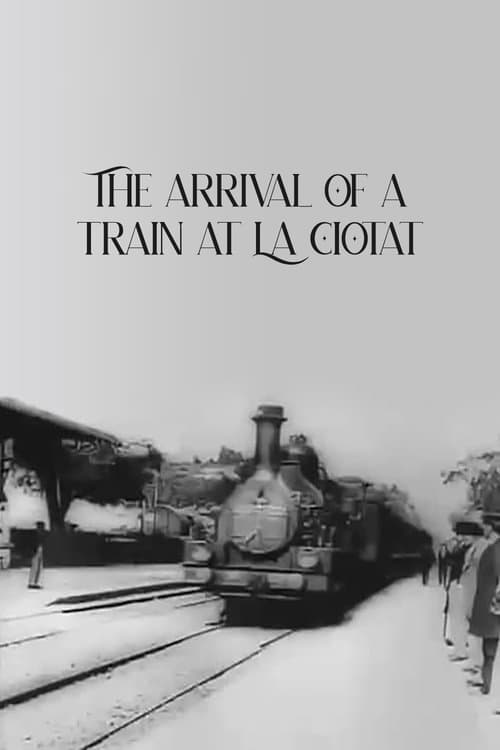
A group of people are standing along the platform of a railway station in La Ciotat, waiting for a train. One is seen coming, at some distance, and eventually stops at the platform. Doors of the railway-cars open and attendants help passengers off and on. Popular legend has it that, when this film was shown, the first-night audience fled the café in terror, fearing being run over by the "approaching" train. This legend has since been identified as promotional embellishment, though there is evidence to suggest that people were astounded at the capabilities of the Lumières' cinématographe.
Shannon Amen unearths the passionate and pained expressions of a young woman overwhelmed by guilt and anxiety as she struggles to reconcile her sexual identity with her religious faith. A loving elegy to a friend lost to suicide.
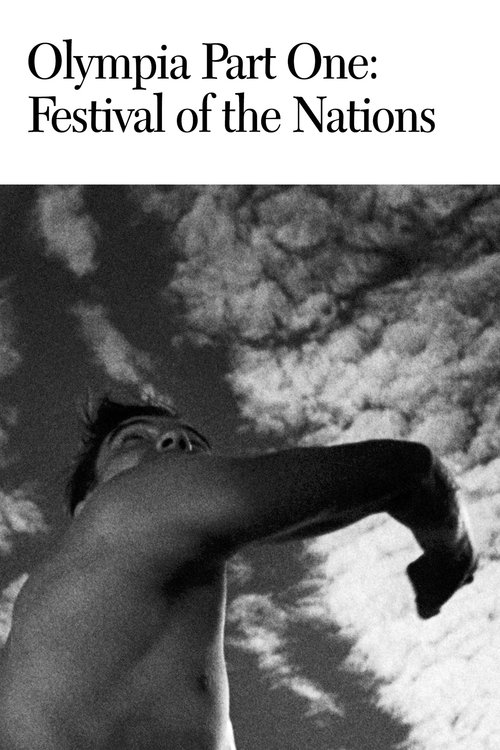
Starting with a long and lyrical overture, evoking the origins of the Olympic Games in ancient Greece, Riefenstahl covers twenty-one athletic events in the first half of this two-part love letter to the human body and spirit, culminating with the marathon, where Jesse Owens became the first track and field athlete to win four gold medals in a single Olympics.
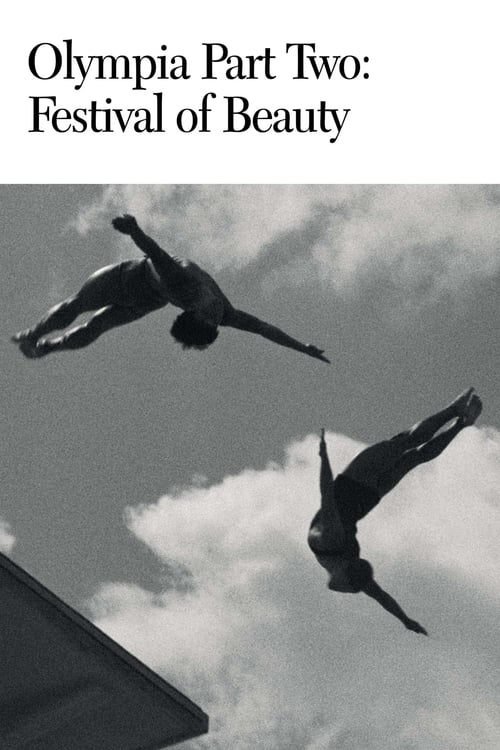
Part two of Leni Riefenstahl's monumental examination of the 1938 Olympic Games, the cameras leave the main stadium and venture into the many halls and fields deployed for such sports as fencing, polo, cycling, and the modern pentathlon, which was won by American Glenn Morris.
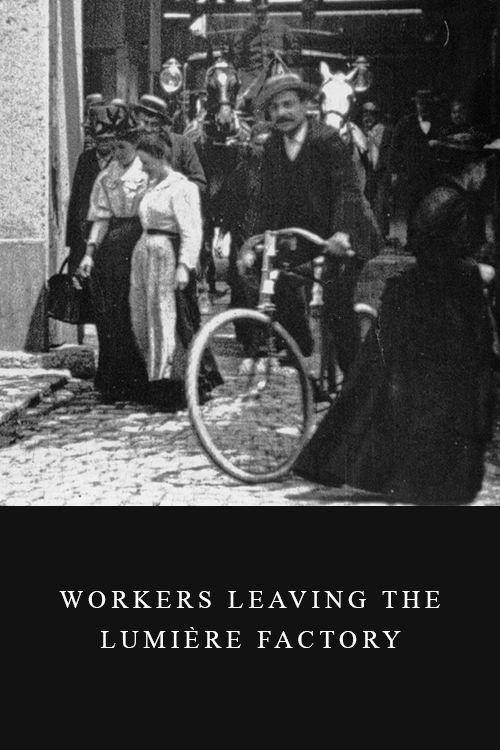
Working men and women leave through the main gate of the Lumière factory in Lyon, France. Filmed on 22 March 1895, it is often referred to as the first real motion picture ever made, although Louis Le Prince's 1888 Roundhay Garden Scene pre-dated it by seven years. Three separate versions of this film exist, which differ from one another in numerous ways. The first version features a carriage drawn by one horse, while in the second version the carriage is drawn by two horses, and there is no carriage at all in the third version. The clothing style is also different between the three versions, demonstrating the different seasons in which each was filmed. This film was made in the 35 mm format with an aspect ratio of 1.33:1, and at a speed of 16 frames per second. At that rate, the 17 meters of film length provided a duration of 46 seconds, holding a total of 800 frames.
This documentary, the final film directed by Frank Capra, explores America's plans for the future of space exploration. It was produced by the Martin-Marietta Corporation for exhibition in the Hall of Science at the 1964 New York World's Fair.
This documentary follows the French soccer team on their way to victory in the 1998 World Cup in France. Stéphane Meunier spent the whole time filming the players, the coach and some other important characters of this victory, giving us a very intimate and nice view of them, as if we were with them.
Delve into the intimate life of the greatest judoka in history.
This film describes a psychological state "kin to moonstruck, its images emblems (not quite symbols) of suspension-of-self within consciousness and then that feeling of falling away from conscious thought. The film can only be said to describe or be emblematic of this state because I cannot imagine symbolizing or otherwise representing an equivalent of thoughtlessness itself. Thus the actors in the film, Jane Brakhage, Tom and Gloria Bartek, Williams Burroughs, Allen Ginsberg, Peter Olovsky and Phillip Whalen are figments of this 'Thought-Fallen Process', as are their images in the film to find themselves being photographed."
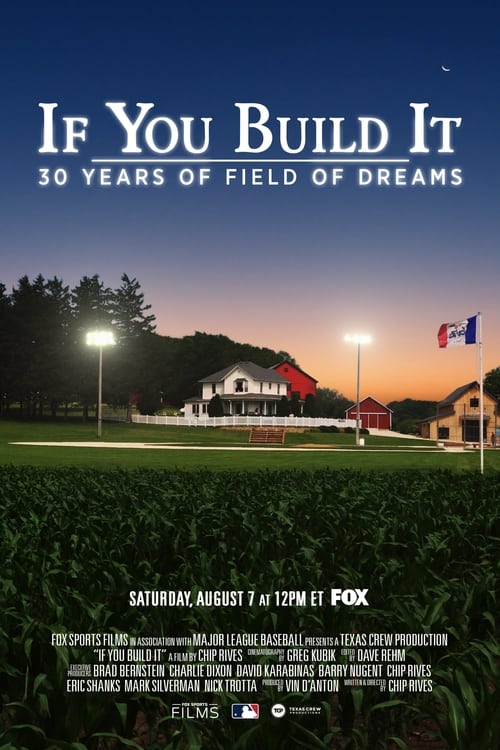
More than just a baseball movie, Academy Award®-nominated "Field of Dreams" is an enduring story of family, resilience and hope. This documentary looks at how the film was made and explores the themes that continue to resonate with audiences 32 years later. Features interviews with actors Timothy Busfield, Frank Whaley, and Dwier Brown, producer Larry Gordon, and FOX Sports' lead MLB play-by-play announcer Joe Buck.
A documentary about a person who cleans his room with a vacuum cleaner, filled with disasters and mishaps.
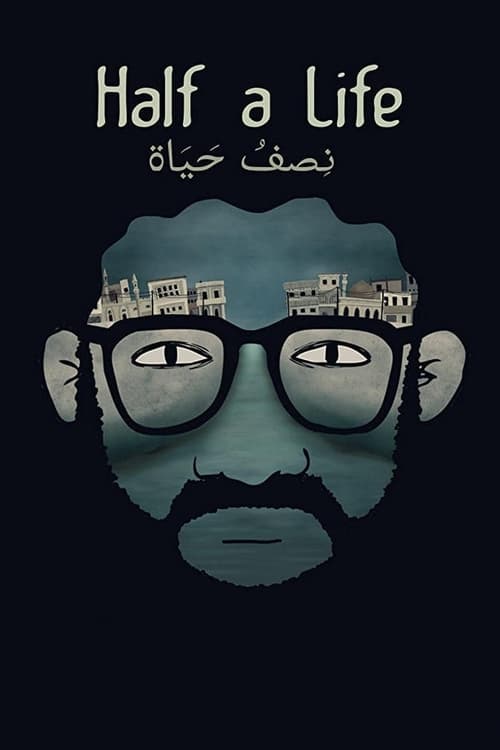
After a traumatic encounter, a young gay Egyptian joins the LGBT rights movement. When his safety is jeopardized, he must choose whether to stay in the country he loves or seek asylum elsewhere as a refugee. "Half a Life" is a timely story of activism and hope, set in the increasingly dangerous, oppressive, and unstable social climate of Egypt today.
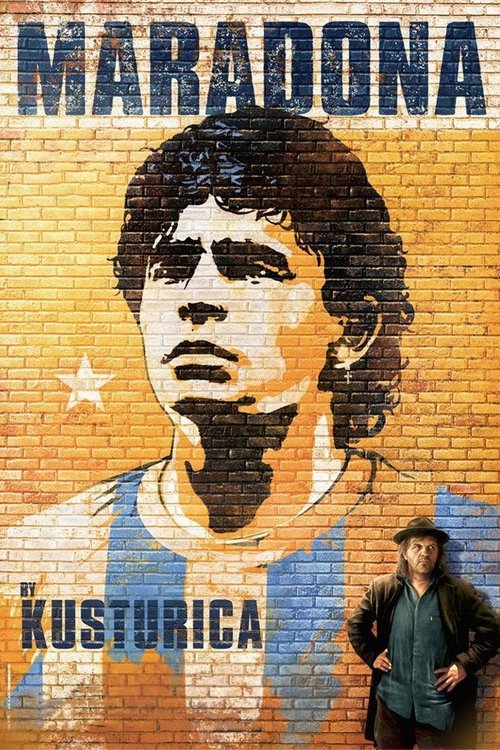
A documentary on Argentinean soccer star Diego Maradona, regarded by many as the world's greatest modern player.
Two elderly sisters share the delicate art of making traditional Hungarian strudel and reveal a deeply personal family story about their mother, who taught them everything they know.
A series of short winter scenes.
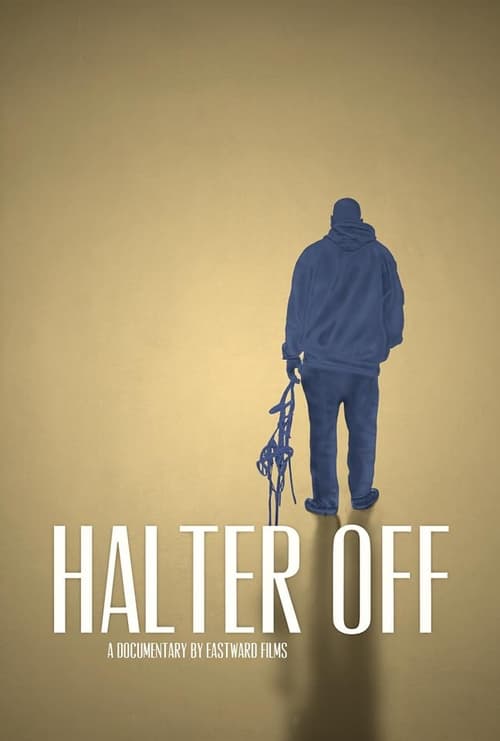
Set in Charles Town, West Virginia, Halter Off offers an unapologetic look at one man's shot at a second chance. Angelo Jackson, a 50-year old horse trainer with a checkered past, is looking to redeem himself after being one charge away from a life sentence in prison. Banned from the track and with the odds against him, Angelo is facing the biggest race of his career against mentor and legendary horse trainer, James W. Casey. As Angelo finds himself downs on his luck and with the system he is working for working against him, he puts it all on the line to win the race of his life.
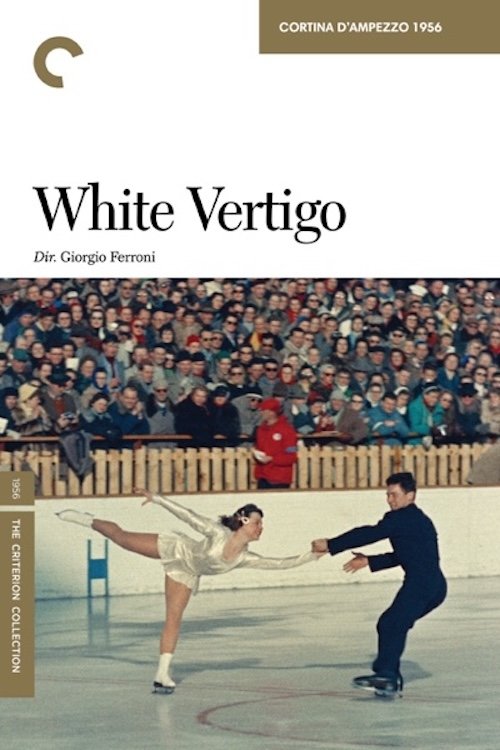
A documentary covering the 1956 Olympic Games in Cortina d’Ampezzo, Italy.
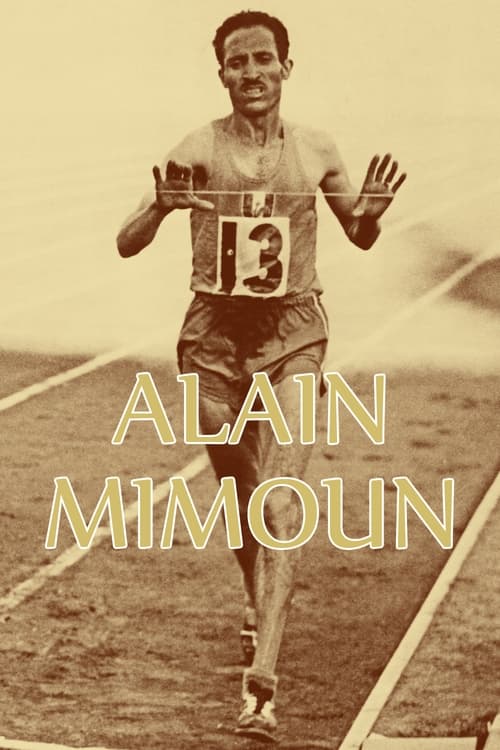
A documentary about French marathon runner Alain Mimoun at the 1956 Olympic Games in Melbourne.