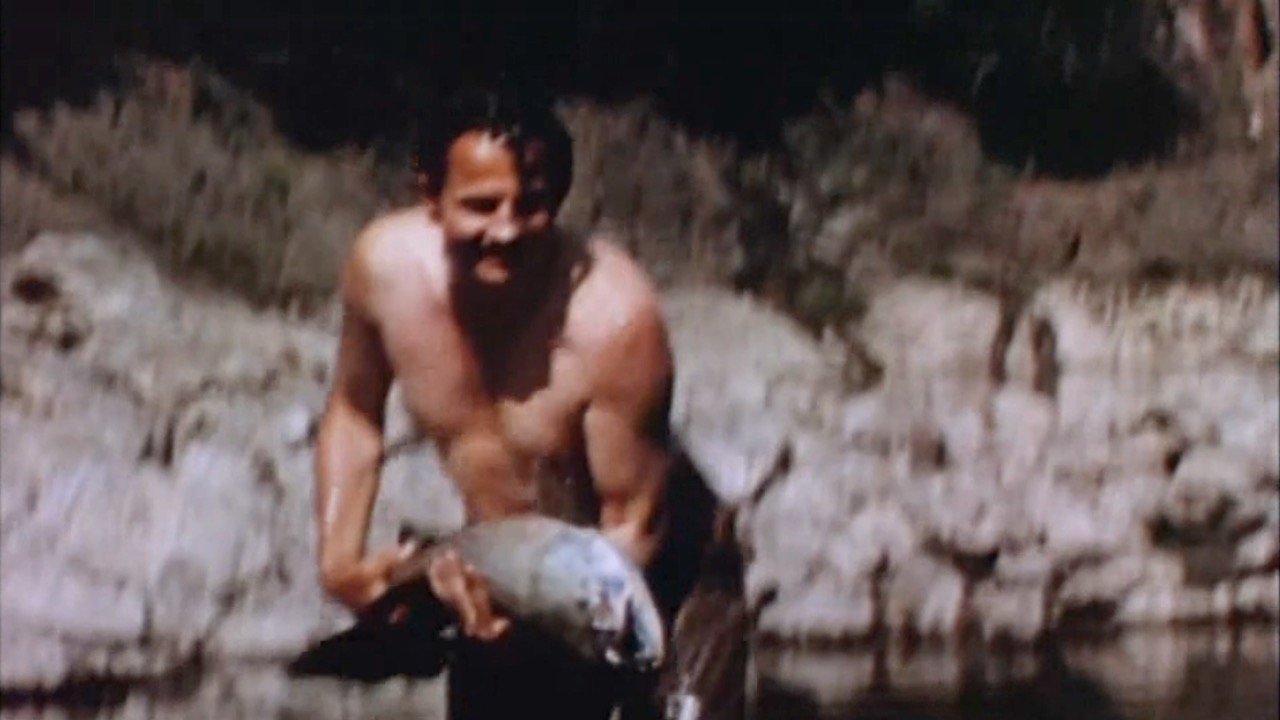
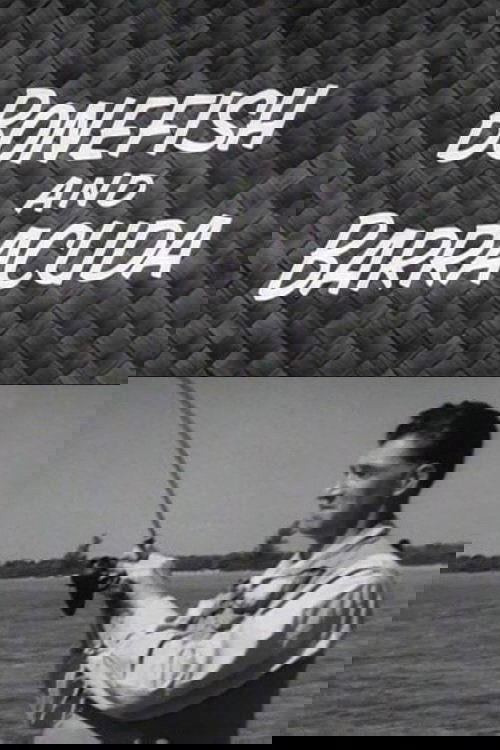
In this short film, champion fisherman Ernie St. Claire tries to catch a large salmon in Oregon's Rogue River.
Narrator (voice)
No Trailers found.
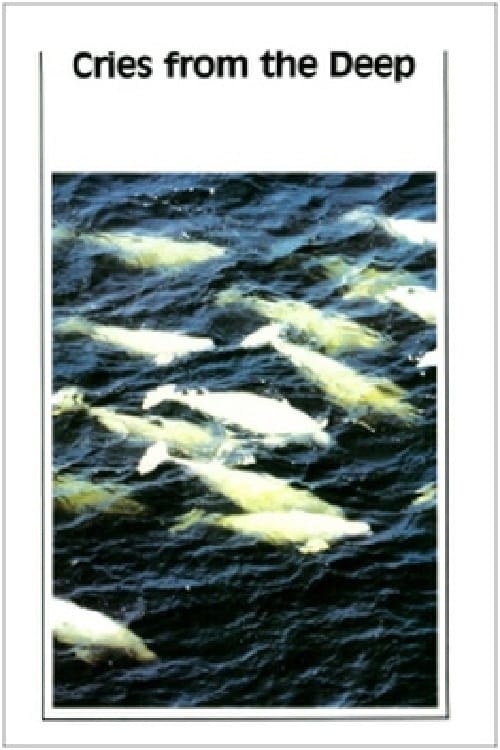
This documentary records the journey undertaken by Jacques Cousteau, his 24-member team, and an NFB film crew to explore the Grand Banks of Newfoundland, one of the world's richest fishing areas. They discover shipwrecks, film icebergs and observe beluga whales, humpback whales and harp seals. The film also includes a fascinating sequence showing Calypso divers freeing a calf whale entrapped in a fishing net.
The United Nations Food and Agriculture Organization, along with other international organizations, is leading efforts to increase aquaculture by encouraging countries around the world to invest in its development. However, local communities strongly oppose the expansion of fish farms due to resource depletion and water pollution concerns. From Italy to Greece, Spain to Senegal, and all the way to Patagonia in Chile, their journey to uncover the truth extends to the ends of the earth.
Explore the growth of Aberdeen’s sparkling streets.
Take a revealing tour along a coast of contrasts, from the folksy freshness of Whitby to the coaly Tyne, queen of all rivers.
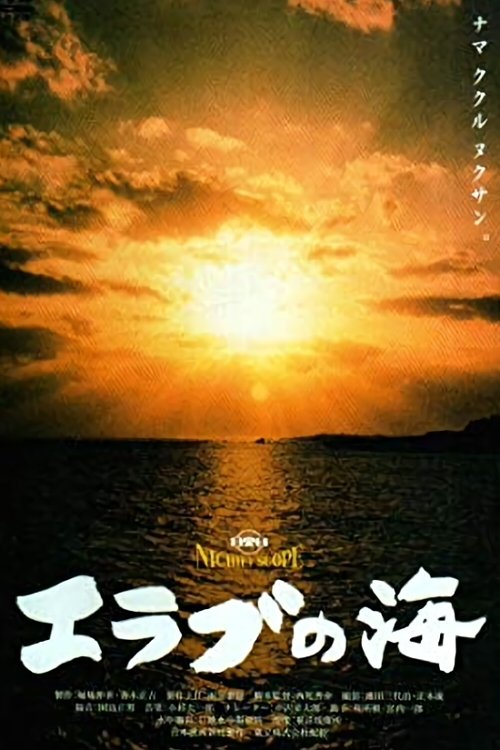
Two friends, both Indigenous fishermen, are driven to desperation by a dying sea. Their friendship begins to fracture as they take very different paths to provide for their struggling families.
In 1965, on the Eastern Shore of the Chesapeake Bay, there was the last operating fleet of sailing work boats in the United States. Forty-odd "Skipjacks" were still used by Maryland watermen to dredge up oysters from the Bay. At that time, the fleet had survived because of a Maryland conservation law which prohibits the use of motor power for oyster dredging. The watermen traditionally marked the opening of each oystering season with a skipjack race which the Maryland State Tourist Board incorporated into its annual "Chesapeake Bay Appreciation Day."
No overview available.
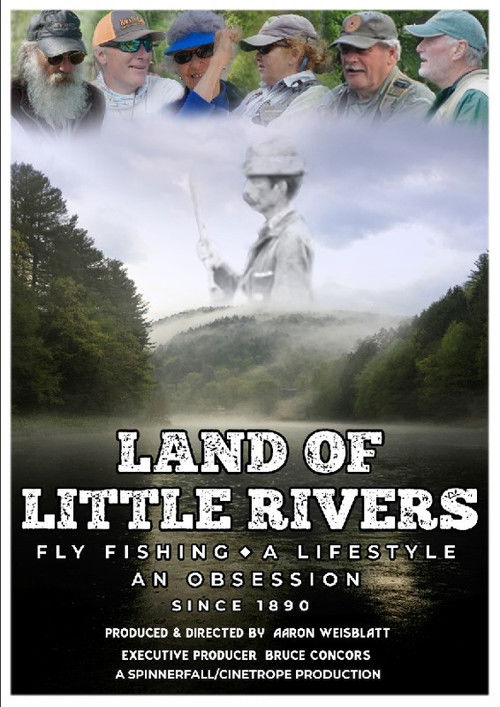
The Land of Little Rivers, a network of tributaries in the Catskill Mountains of New York, is the birthplace of fly fishing in America and home to anglers obsessed by the sport.
Documentary about Japanese pearl fishers.
Work. Eat. Sleep. And back to work. For a long time skippers in the North East of Scotland could not find locals to work on their fishing vessels. That was until Filipino fishermen started coming to town for work. Both nationalities strive to shorten the distance between two very different worlds.
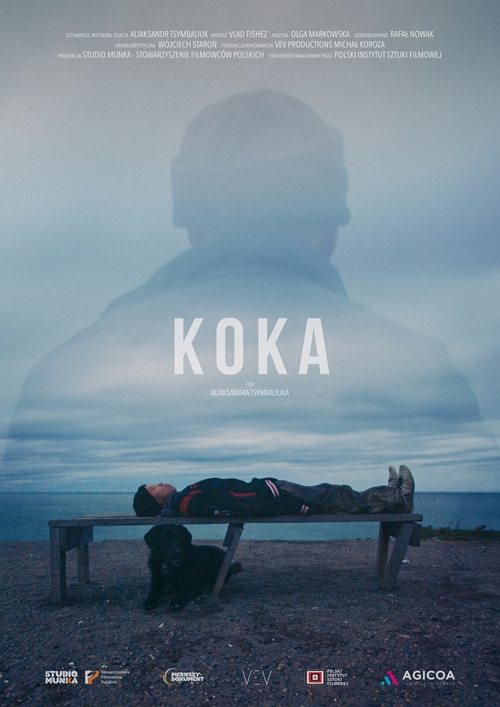
Somewhere on the coast of the Bering Sea, a father and son make a living fishing in a community that seems almost outside of time. Aliaksandr Tsymbaliuk’s camera takes us in close to the subjects, recording both the harshness of their condition and the rigour of education, softened by paternal love and the universal insouciance of childhood.
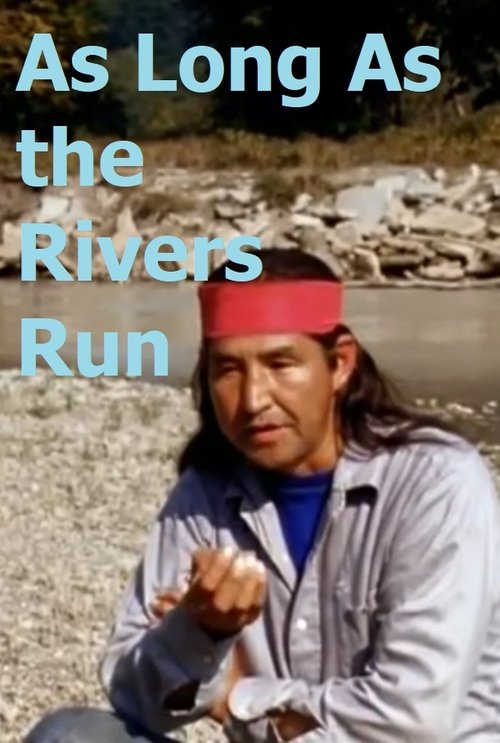
Examines the violence and civil disobedience leading up to the hallmark decision in U.S. v. Washington, with particular reference to the Nisqually Indians of Frank's Landing in Washington.
This pioneering documentary film depicts the lives of the indigenous Inuit people of Canada's northern Quebec region. Although the production contains some fictional elements, it vividly shows how its resourceful subjects survive in such a harsh climate, revealing how they construct their igloo homes and find food by hunting and fishing. The film also captures the beautiful, if unforgiving, frozen landscape of the Great White North, far removed from conventional civilization.
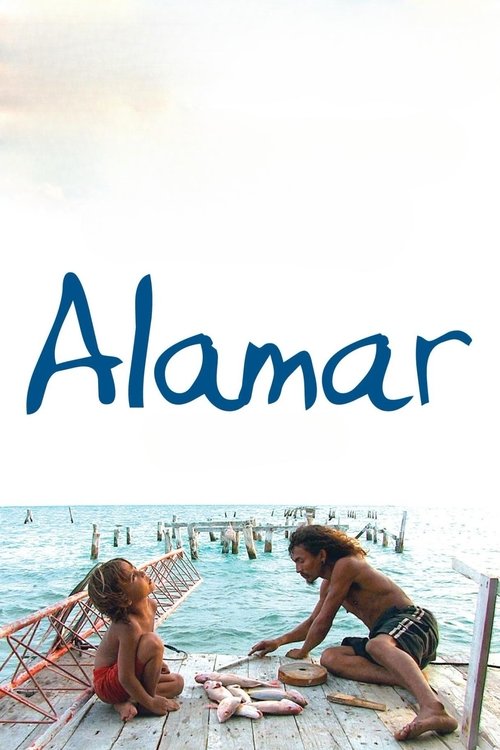
Before leaving for Rome with his mother, five year old Natan is taken by his father, Jorge, on an epic journey to the pristine Chinchorro reef off the coast of Mexico. As they fish, swim, and sail the turquoise waters of the open sea, Natan discovers the beauty of his Mayan heritage and learns to live in harmony with life above and below the surface, as the bond between father and son grows stronger before their inevitable farewell.
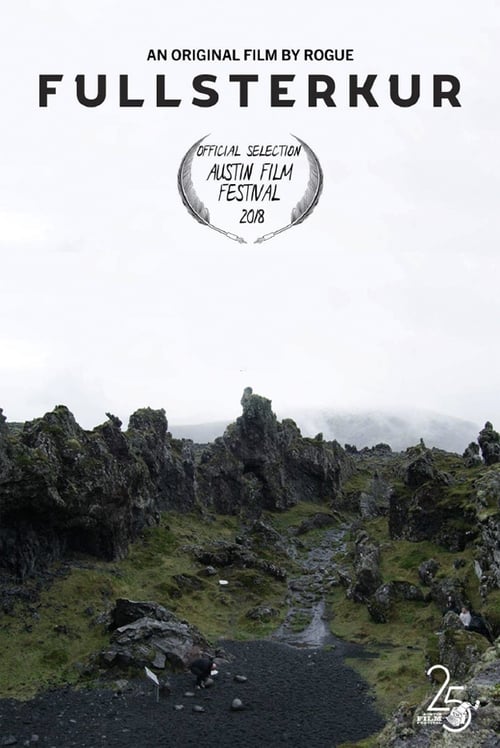
FULLSTERKUR is the third documentary in a collection of films produced by Rogue Fitness, exploring strength culture around the world, connected specifically by the ancient tradition of stone lifting. Nestled at the doorstep of the Arctic Circle, the country of Iceland is uniquely acquainted with the relationship between strength and survival. For hundreds of years, men and women were challenged to overcome harsh weather and endless winter nights by developing their own distinct physical and mental fortitude—passed down from the age of the Vikings, and iconically represented by the lifting of heavy stones. Today, on an island with a population of just over 300,000, a disproportionate number of the world’s greatest strength athletes still call Iceland home.
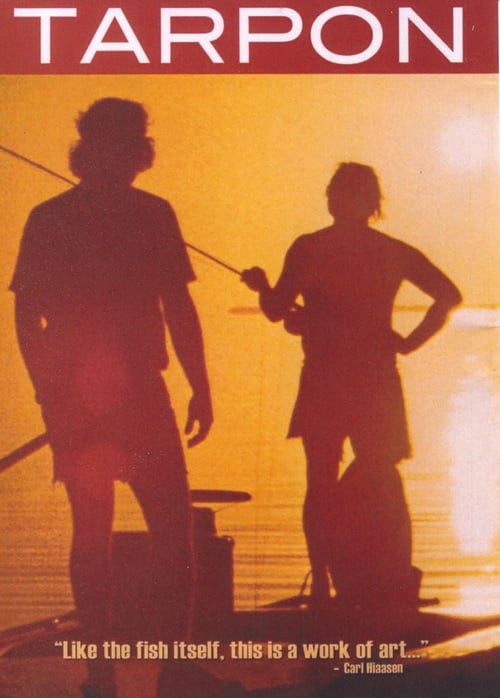
The first of the modern fishing films, shot in the wild panorama of 1970s Key West. Colorful scenes of Key West from another era - with treasure hunters, smugglers, hippies and eccentrics - are background to stunning cinematography and tarpon fishing at its finest. Authors, Richard Brautigan, Tom McGuane and Jim Harrison join with legendary flats guides, Woody Sexton, Gil Drake and Steve Huff.
Living among the percebeiros of the Coast of Death (Galicia), this documentary shows a unique relationship between man and his surroundings, man and the sea. At the end of Europe, years after the Prestige oil spill disaster, these fishermen face an uncertain future.
Fishing tips from Lee Wulff. Filmed off the coast of Florida.
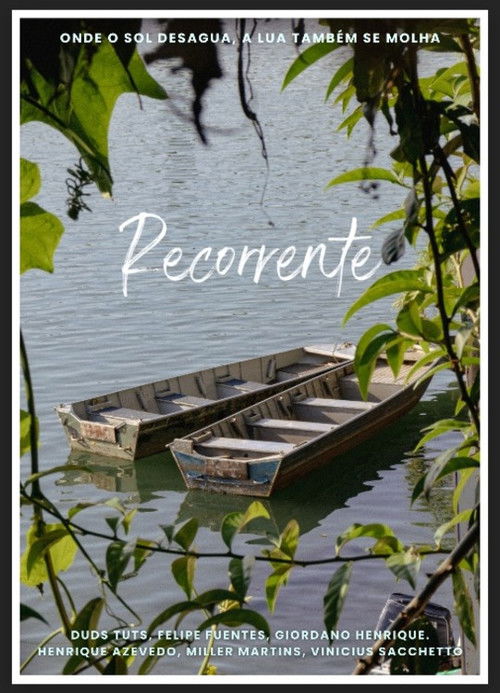
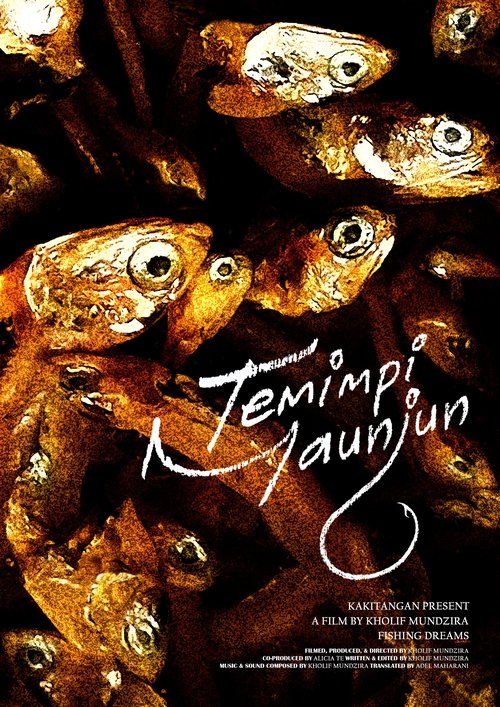
Someone tells of a dream he had, which was to go fishing and get lots of fish, this kind of dream is often associated with a symbol of good luck. But he was afraid that the dream would happen again and again, from generation to generation.
With a blend of poignant flashbacks and present-day reflections, the film follows Pete on his 50th and final season fishing for salmon in Southeast Alaska. With day-in-the-life scenes on his fishing vessel, Njord, he emphasizes the critical need for ethical fishing practices, grassroots political organizing, and direct consumer relationships to thrive in an increasingly challenging economy. Featuring powerful moments from the 2001 battle to protect Seattle’s Fisherman’s Terminal for working vessels, this documentary not only showcases the fight for economic survival but also underscores the personal and collective resilience that sustains small family businesses in the face of adversity.