An essay about films about flying.
No Trailers found.
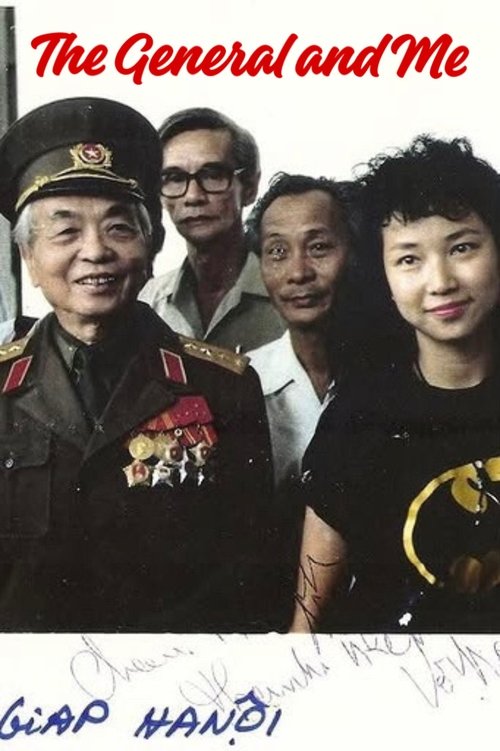
Over the period of 25 years the director met General Võ Nguyên Giáp, a legendary hero of Vietnam’s independence wars, a number of times. She was the first American who entered the home of the “Red Napoleon”. The fruit of this friendship is a film, personal and politically involved at the same time. Travelling across the country and talking to important figures as well as ordinary people, the director finds out more about her roots and offers the audience a unique perspective on Vietnam’s present and past.
The story of Salvador Puig Antich, one of the last political prisoners to be executed under Franco's Fascist State in 1974.
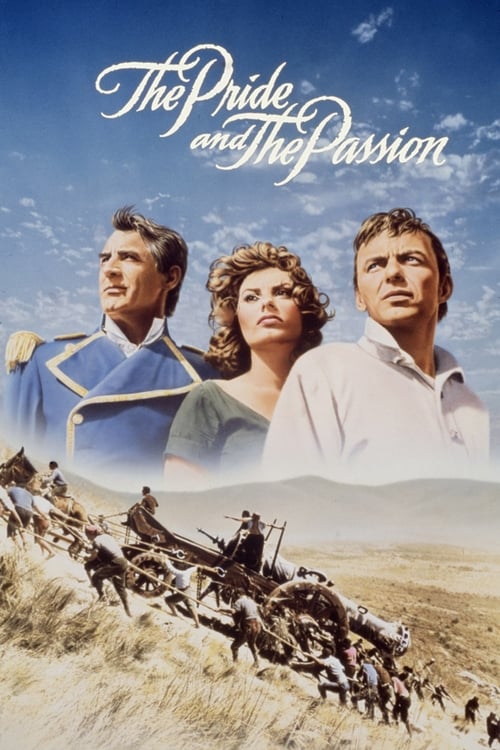
During the Napoleonic Wars, when the French have occupied Spain, some Spanish guerrilla soldiers are going to move a big cannon across Spain in order to help the British defeat the French. A British officer is there to accompany the Spanish and along the way, he falls in love with the leader's girl.
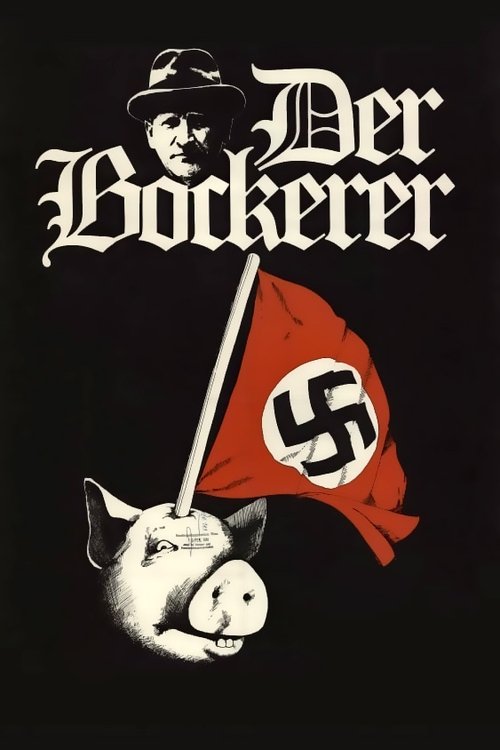
A politically naive Viennese butcher manages to survive the Nazi occupation of Austria and the second world war.
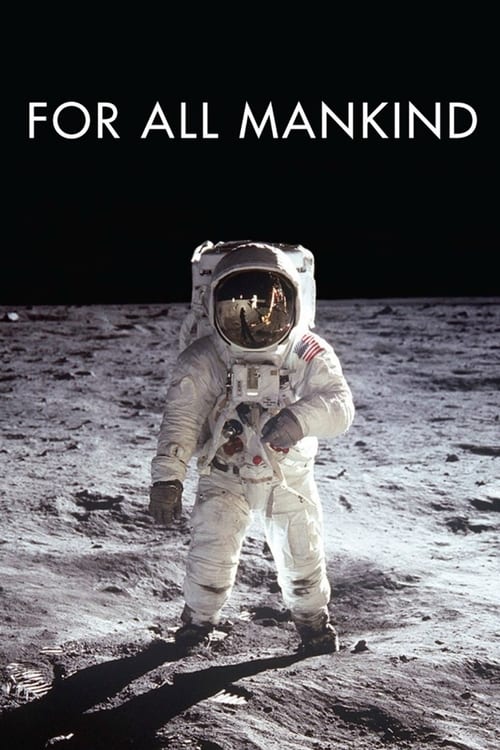
A testament to NASA's Apollo program of the 1960s and '70s. Composed of actual NASA footage of the missions and astronaut interviews, the documentary offers the viewpoint of the individuals who braved the remarkable journey to the moon and back.
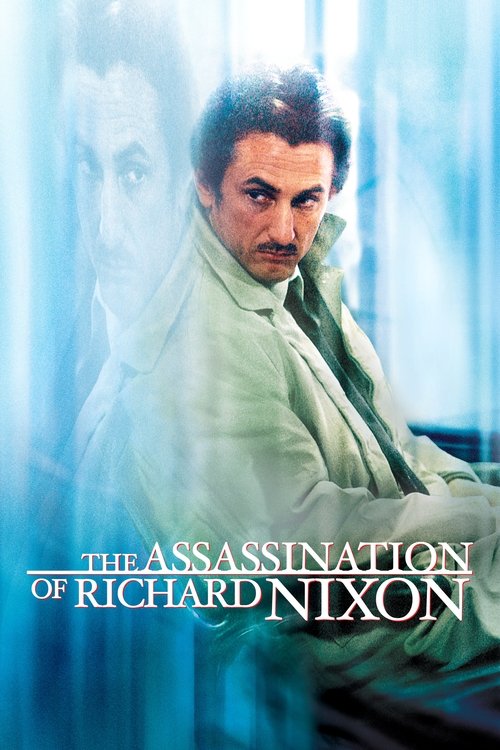
It’s 1974 and Sam Bicke has lost everything. His wife leaves him with his three kids, his boss fires him, his brother turns away from him, and the bank won’t give him any money to start anew. He tries to find someone to blame for his misfortunes and comes up with the President of the United States who he plans to murder.
From double BAFTA nominated Writer and Director John Walsh. Monarch is part fact, part fiction and unfolds around one night when the injured ruler arrives at a manor house closed for the season.
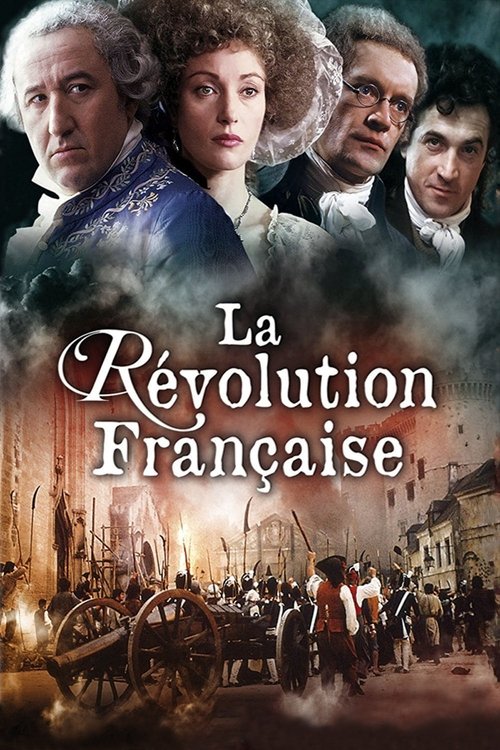
A history of the French Revolution beginning from the decision of the king to convene the Etats-Generaux in 1789 in order to deal with France's debt problem. Part one spans the event until August 10, 1792 (when the King Louis XVI lost all authority and was imprisoned). Part two carries the story through the end of the terror in 1794.
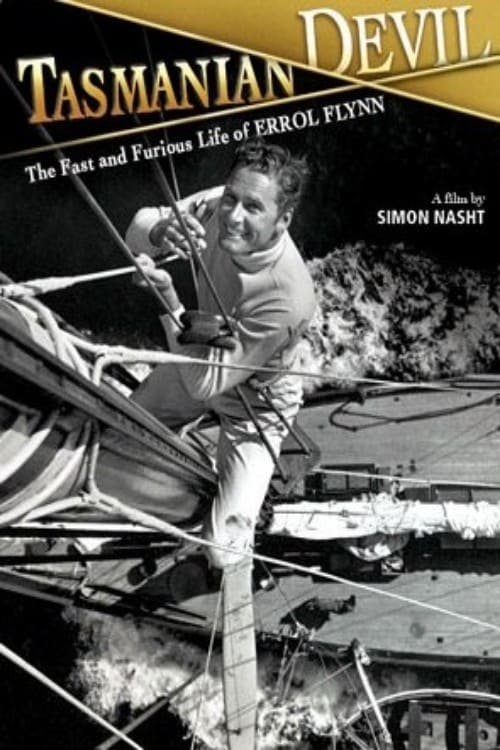
The story of Tasmanian-born actor Errol Flynn whose short & flamboyant life, full of scandals, adventures, loves and excess was largely played out in front of the camera - either making movies or filling the newsreels and gossip magazines. Tragically he was dead from the effects of drugs and alcohol by the time he was only 50 & the myths live on. But there is another side of Flynn that is less well known - his ambitions to be a serious writer and newspaper correspondent, his documentary films and his interest in the Spanish Civil War and Castro's Cuba
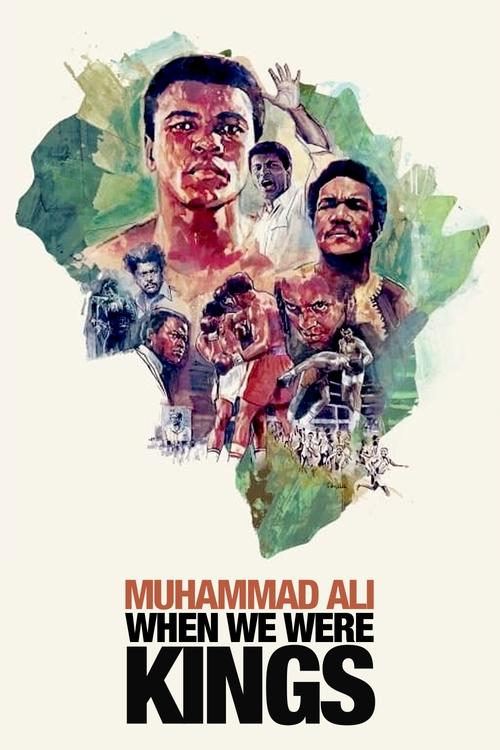
It's 1974. Muhammad Ali is 32 and thought by many to be past his prime. George Foreman is ten years younger and the heavyweight champion of the world. Promoter Don King wants to make a name for himself and offers both fighters five million dollars apiece to fight one another, and when they accept, King has only to come up with the money. He finds a willing backer in Mobutu Sese Suko, the dictator of Zaire, and the "Rumble in the Jungle" is set, including a musical festival featuring some of America's top black performers, like James Brown and B.B. King.
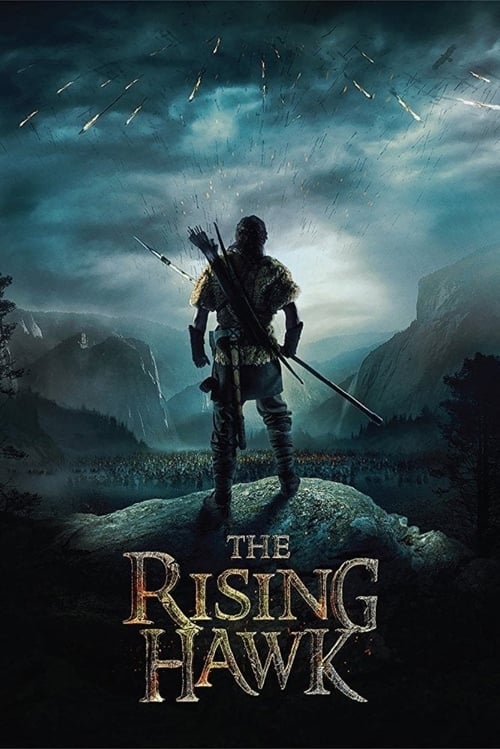
During the 13th century, a small village fights for freedom in the frontier landscape of the Carpathian Mountains against Mongolian invaders.
In this hour-long documentary, Oxford academic Janina Ramirez tours the country in search of Anglo-Saxon art treasures. Her basic thesis - and it is a plausible one - is that we should not look upon their era as a "dark age" as compared, for example, to Roman times, but rather celebrate it as an age in which creativity flowered, especially in terms of artistic design as well as symbolism. She shows plenty of good examples, ranging from the Franks Casket to the Staffordshire Hoard, and the Lindisfarne Gospels.
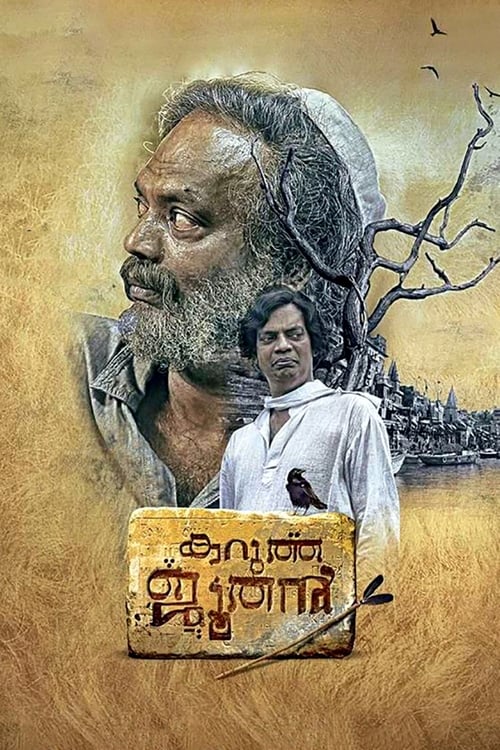
Aaron Eliyahu, a Jewish man, travels to a small village called Mala, Kerala in search of his Jewish heritage. On his journey, he befriends a Muslim man named Beerankunj. Unfortunately, Aaron meets with a fatal motor accident that lands him in a state of coma in a hermitage somewhere in North India. By the time he reaches Mala, he sees that his house has been converted into a post office and learns that his mother, Veronica, entrusted all her property with the panchayat before leaving for Israel. Unable to prove his own identity, Aaron is denied the rights to his own house. Since he is unable to provide any concrete evidence in the court of law, Aaron is thrown into the streets with only his true friend Beerankunj by his side. Karutha Joodhan reveals the unexpected happenings passing through the three generations of Aaron and Beerankunj.
"The prevailing stigmatization of the 'villero' universe is fed back by the images. In order to dismantle this stigmatization, other images must be presented or we need to reveal what the existing ones seek to cover up. The slum is usually represented from a limited and deceitful visual panorama. This representation has an intention. Cinema and television are two image-producing devices that strengthen the stereotypes that we have about the people who inhabit these spaces. And what happens in the field of painting? Do clichés reign there too? This visual essay seeks to confront various works by national painters and sculptors, belonging to the Palais collection, with the kinetic images of current cinema and television, to reflect on both the differences and the similarities in the meanings and discourses that both regimes of images can produce." César González
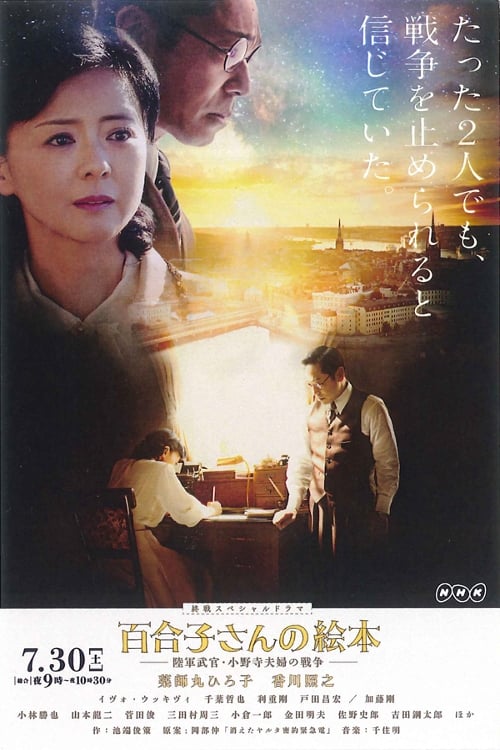
Onodera Yuriko sets off for Sweden where her husband, Major General Onodera Makoto, is stationed as a military attache in Stockholm during World War II. Called the "god of intelligence", Makoto is an intelligence officer of the Russian service of the Japanese Army General Staff. Fluent in Russian and German and trusted by the spies of many countries because of his integrity, his office would eventually become the most important Japanese intelligence post in Europe. From the day of her arrival in Stockholm, Yuriko helps her husband's intelligence activities. She encrypts the highly classified information obtained by Makoto and sends it in coded telegrams to the General Staff Headquarters in Japan every day. Husband and wife have jointly undertaken this intelligence work for confidentiality.
It is a film essay that tries to tell the story of two people who communicate with some archival materials that they find in Santo Domingo at different times. One of the people belongs to that era of the archives, who now lives in a future where the city no longer exists. And the other, a person who has never heard of this city where his family is from.
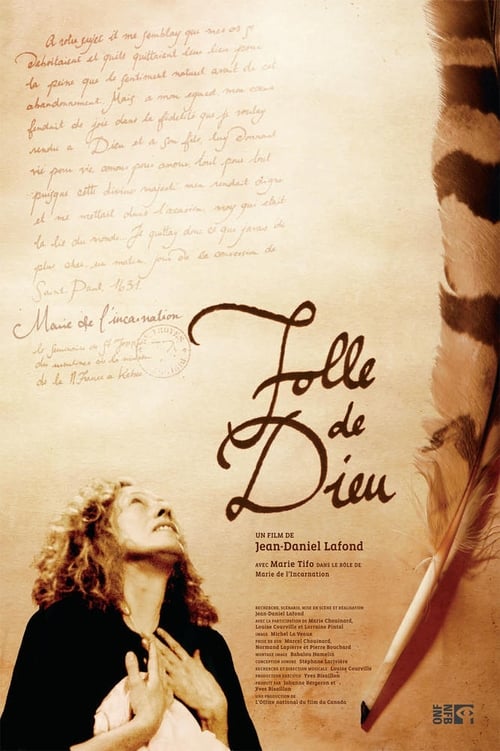
This feature-length film tells the story of the passion between Marie de l’Incarnation, a mid-seventeenth-century nun and God, her "divine spouse." Fusing documentary and acting by Marie Tifo, whom we follow as she rehearses for this demanding role, the film paints an astonishing portrait of this mystic who abandoned her son and left France to build a convent in Canada, where she became the first female writer in New France.
The film portrays MacArthur's life from 1942, before the Battle of Bataan, to 1952, when he was removed from his Korean War command by President Truman for insubordination, and is recounted in flashback as he visits West Point.
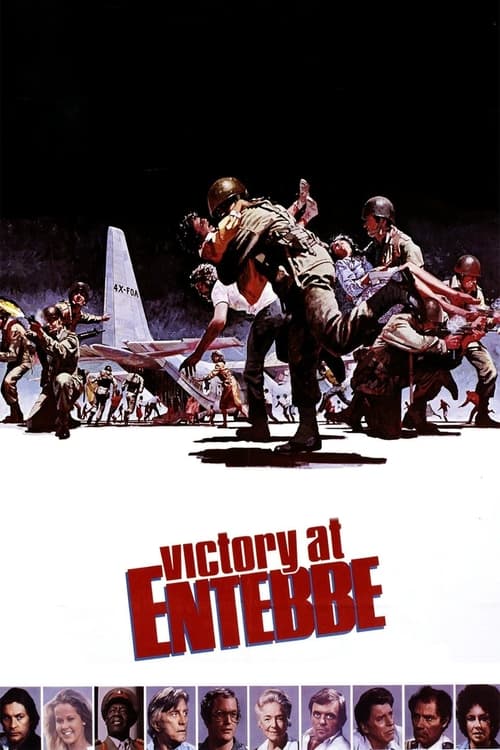
The film is based on an actual event: Operation Entebbe and the freeing of Israeli hostages at Entebbe Airport (now Entebbe International Airport) in Uganda.
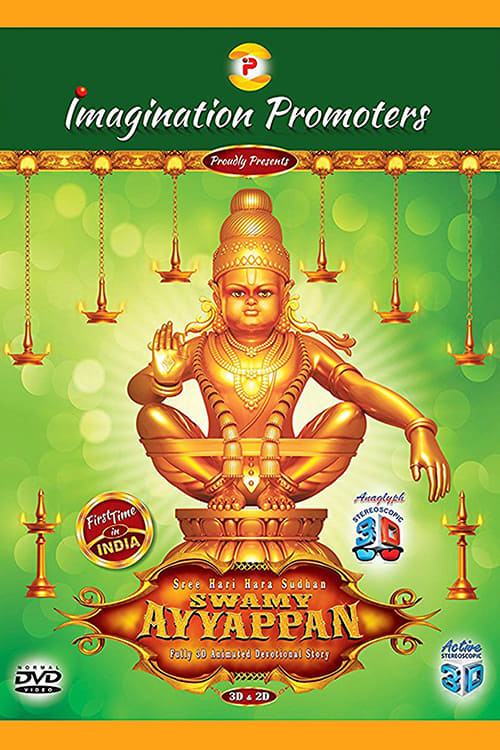
Sree Hari Hara Sudhan Swami Ayyappan Movie is Fully 3D Animated Devotional Story of Lord Ayyappan.
No Cast found.