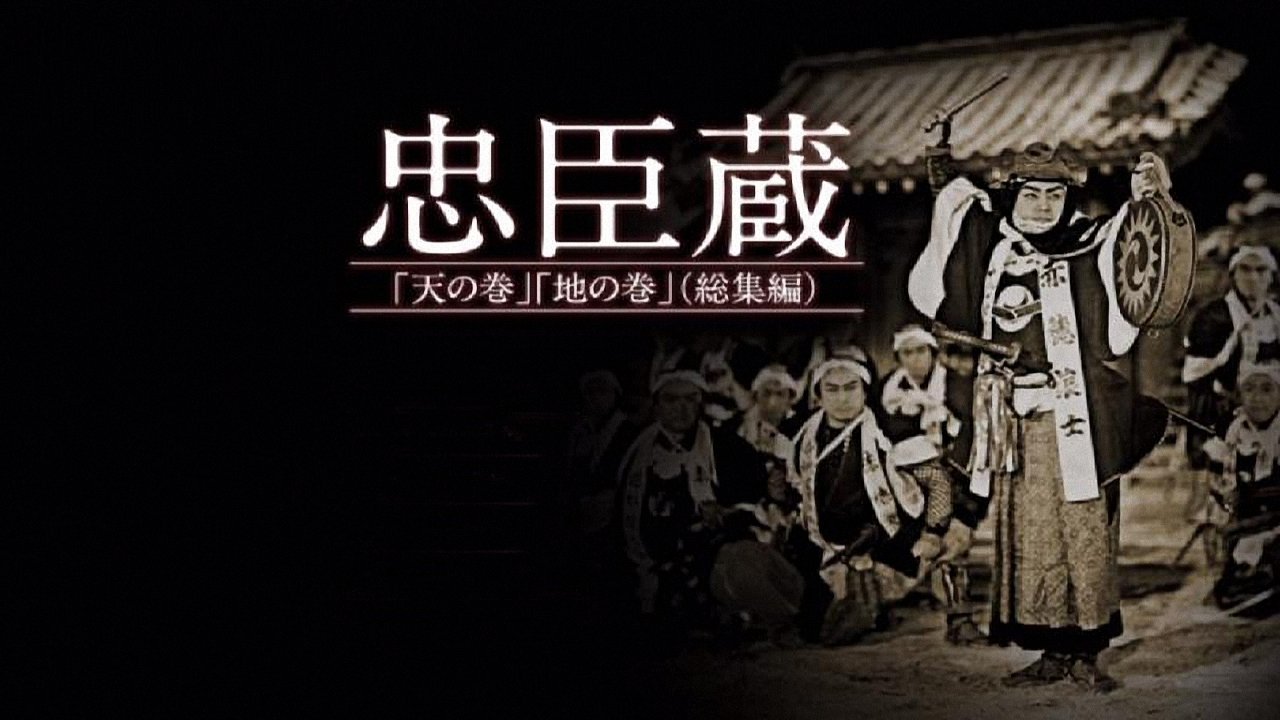
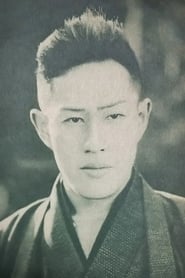
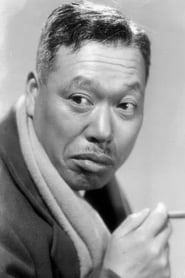
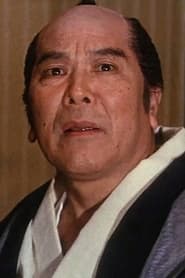
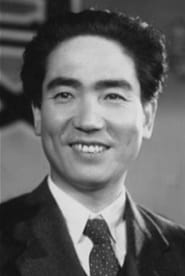
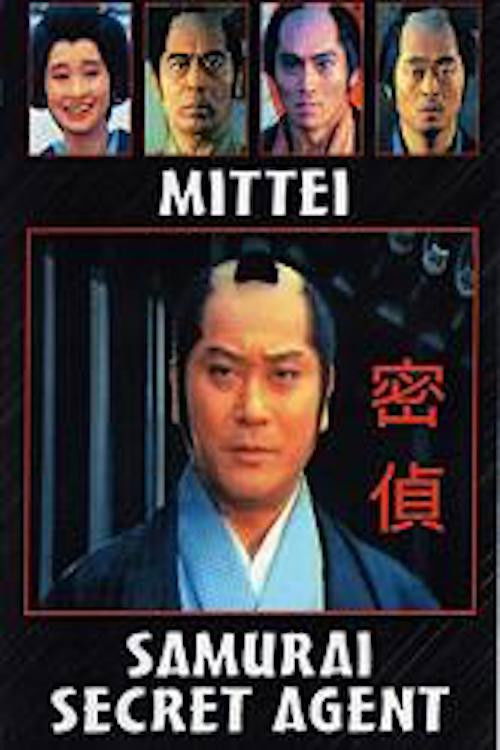
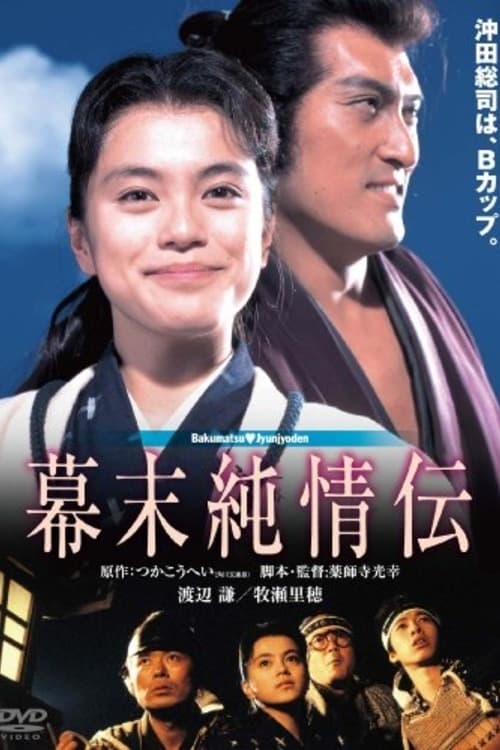
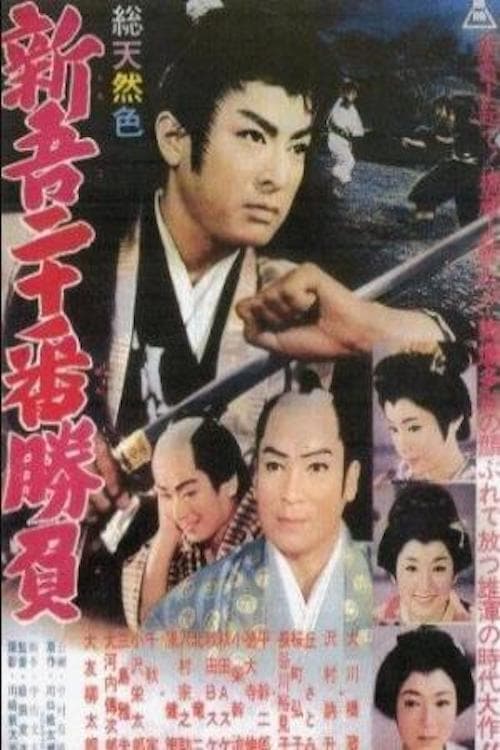
The vassals of the Asano clan, who surrendered the castle & became wanderers, deceive the enemy and the public, wait for an opportunity to avenge their master and his family.
No Trailers found.
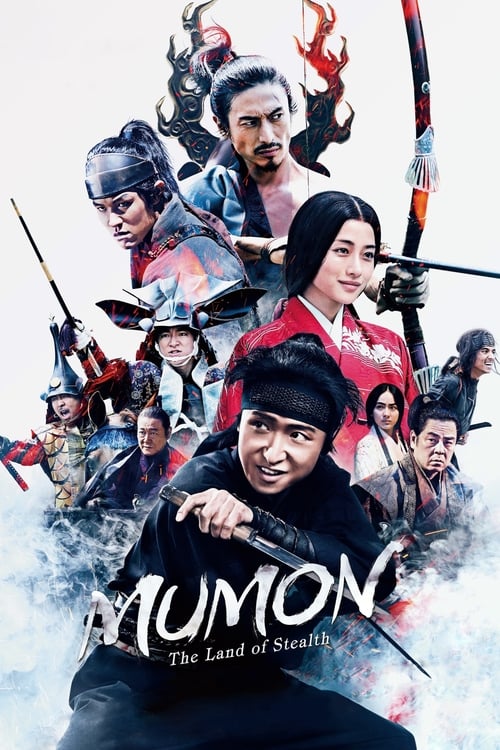
Raised suckling poison arrows among the sparring Iga ninja factions, Mumon is a carefree 16th-century mercenary. When the ninja council makes a power play to defeat the young Nobukatsu Oda struggling to step into his father’s warlord shoes as they expand rule across the country, Mumon jumps into the fray to satisfy his new bride Okuni’s demand that he make good on his promises of wealth. Yet Mumon soon finds what is worth fighting for beyond money or nation.
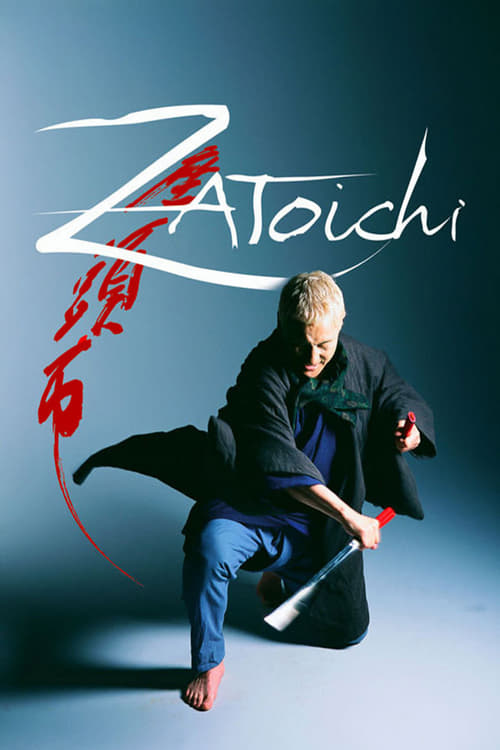
Blind traveler Zatoichi is a master swordsman and a masseur with a fondness for gambling on dice games. When he arrives in a village torn apart by warring gangs, he sets out to protect the townspeople.
A master swordsman is ordered to go undercover on a mission to find and destroy a cannon factory being used by two samurai clans that try to usurp power and gain the position of shogun for one of their own.
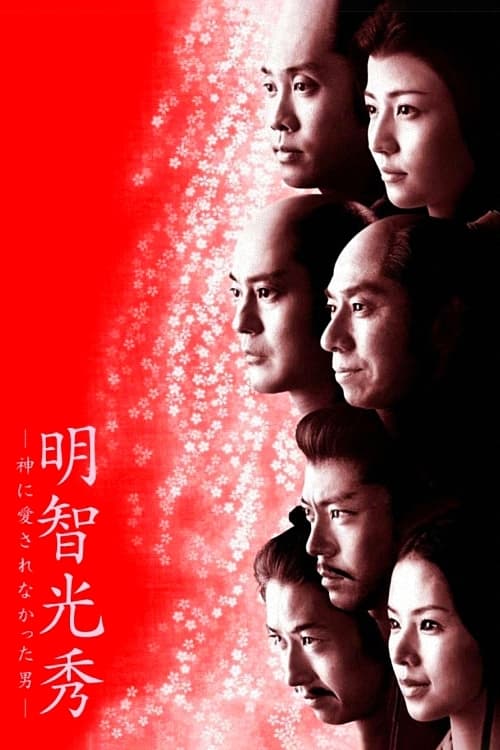
The famed leader Oda Nobunaga had two right-hand men who contributed to unifying the nation. One was Akechi Mitsuhide and the other Kinoshita Tokichiro, both rivals of each other for higher promotions. Eventually Mitsuhide was recognized for his work and was given a castle. However, Nobunaga's ambition to conquer the nation did not allow Mitsuhide to live happily in his territory. That is when an idea flashed across Mitsuhide's mind… Akechi Mitsuhide, the man who was considered to be the most intelligent general of the warring states era. What was the truth about him, Oda Nobunaga's best general and murderer?
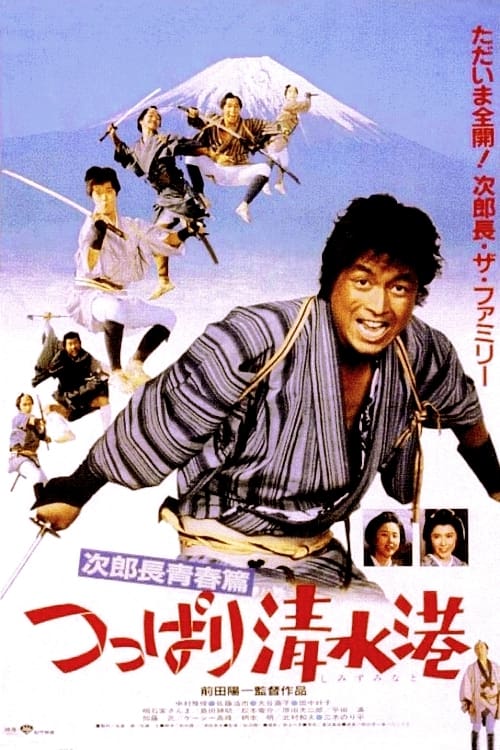
On the day his mother dies, young gambler Jirocho swears in front of her grave that he'll never gamble again. But, that night, Jirocho heads to a gambling den, where he bets the condolence money for his mother's funeral. No surprise to learn he loses the lot. Not the hard-boiled yakuza story it seems, this is a comedy featuring many new artists who were making a name for themselves at the time.
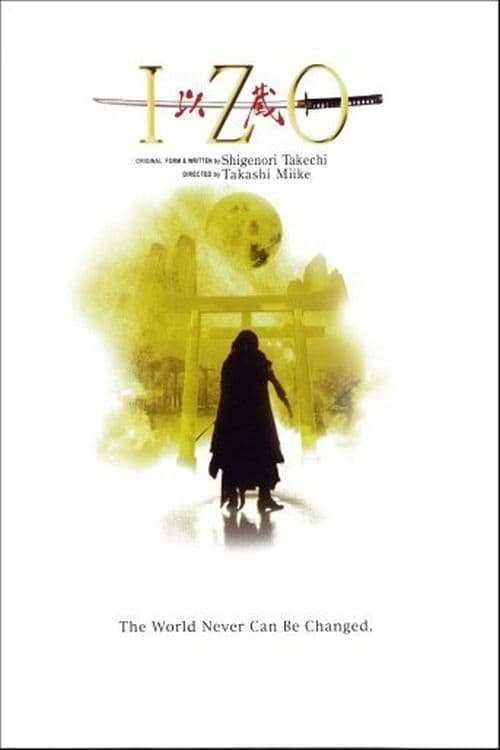
Izo is an assassin in the service of a Tosa lord and Imperial supporter. After killing dozens of the Shogun's men, Izo is captured and crucified. Instead of being extinguished, his rage propels him through the space-time continuum to present-day Tokyo. Here Izo transforms himself into a new, improved killing machine.
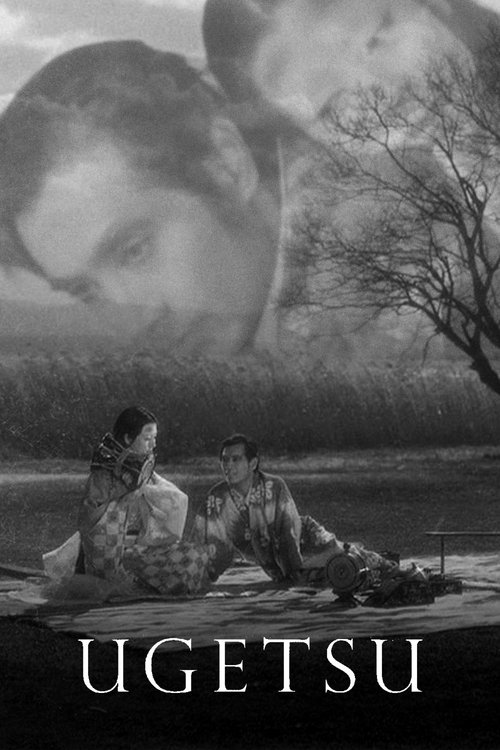
In 16th century Japan, peasants Genjuro and Tobei sell their earthenware pots to a group of soldiers in a nearby village, in defiance of a local sage's warning against seeking to profit from warfare. Genjuro's pursuit of both riches and the mysterious Lady Wakasa, as well as Tobei's desire to become a samurai, run the risk of destroying both themselves and their wives, Miyagi and Ohama.
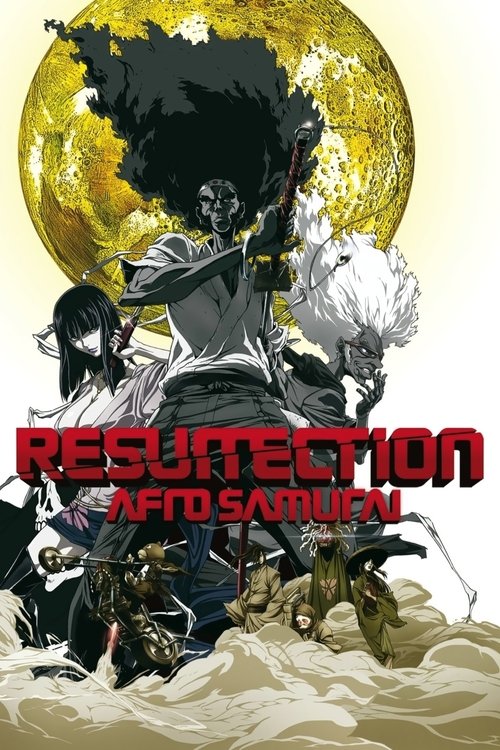
Afro Samurai avenged his father and found a life of peace. But the legendary master is forced back into the game by a beautiful and deadly woman from his past. The sparks of violence dropped along Afro’s bloody path now burn out of control – and nowhere are the flames of hatred more intense than in the eyes of Sio.
In the last days of the Tokugawa shogunate, there was a cute warrior, Souji Okita, who belonged to the armed police of the shogunate in Kyoto. Very few knew that Souji was not a boy, but a woman. Souji loved the vice-leader of the armed police, Toshizou Hijikata. Souji suffered from pulmonary tuberculosis and coughed up blood during a battle. Toshizou helped her but said that he did not care for the girl with a smell of blood. Souji had a real talent for swordsmanship and no one but Ryouma Sakamoto could compete with her. Ryouma was a liberal intellectual and tried to carry out a revolution without blood. However, the bloody Meiji Restoration broke out and Souji killed Ryouma who lost his dream. Because a friendship had sprung up between Toshizou and Ryouma, Toshizou got angry and slashed at Souji with a sword. Unwillingly, she unsheathed her sword and thought that she might get love if she was killed by the man she loved.
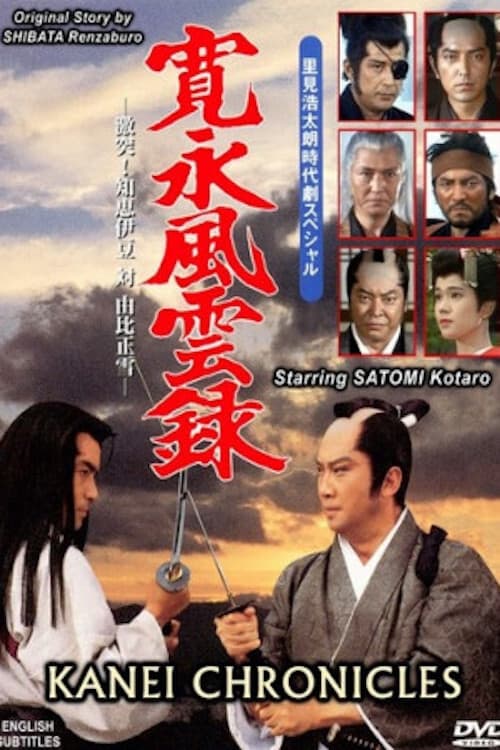
From all over Japan, the greatest warriors: Yagyu Jubei, Miyamoto Musashi, Araki Mataemon, and more came to test their blades in a tournament of swords. But behind the match a bloodthirsty plot is born. Tokugawa Yorinobu, a corrupt shogunate official plans to assassinate Shogun Iemitsu and take his place. With scheming samurai Yui Shosetsu and ruthless Negoro ninja leader Genyusai, he plans to incite a ronin uprising and cut a bloody trail across Japan, with terrifying Chinese gunboats to back his play. Matsudaira Izu-no-kami, councilor and friend to the shogun, along with master swordsman Yagyu Jubei and ninja master Hanzo Hattori must stop Yui Shosetsu and his army of ronin and ninja assassins from tearing the country in half and taking over the government!
With plenty of action, and a strong story about the growth and development of an expert swordsman, who just happens to be from an extremely privileged background.
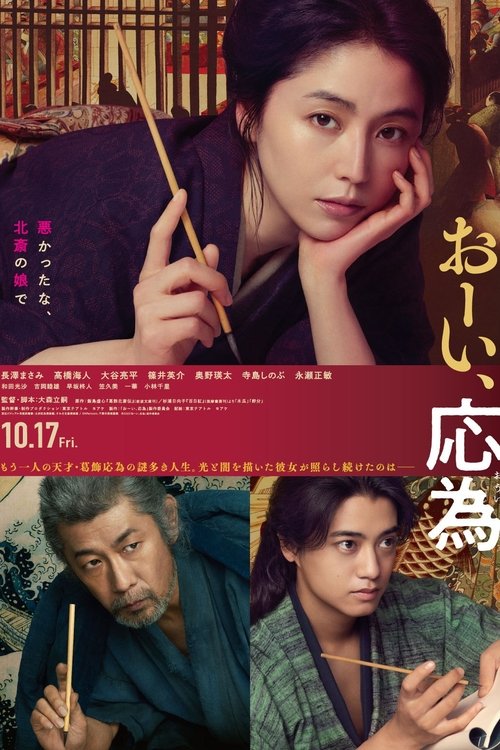
The life of Katsushika Oi, daughter of Hokusai and a trailblazing female artist in Japan.
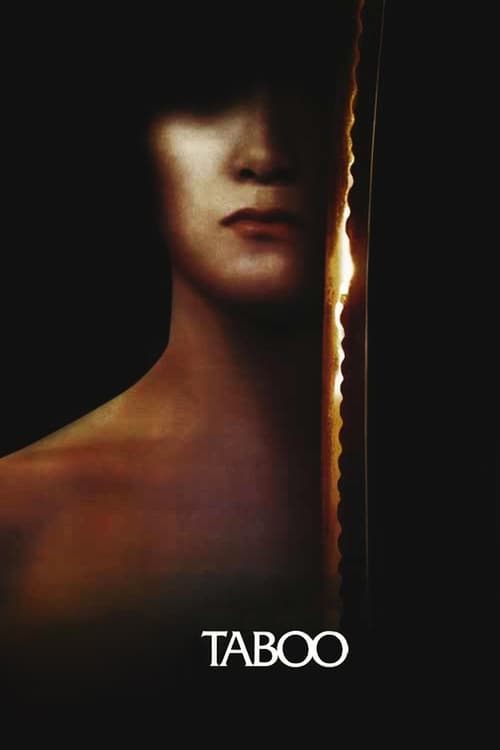
Set during Japan's Shogun era, this film looks at life in a samurai compound where young warriors are trained in swordfighting. A number of interpersonal conflicts are brewing in the training room, all centering around a handsome young samurai named Sozaburo Kano. The school's stern master can choose to intervene, or to let Kano decide his own path.
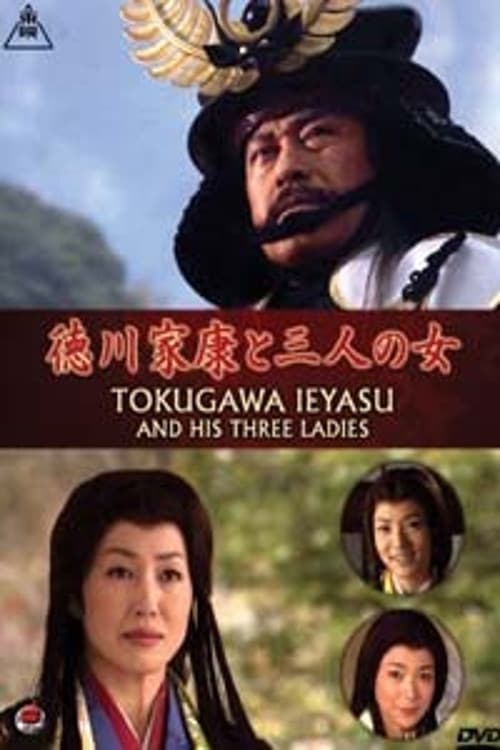
With a mixture of drama, warlords, battles, love, tragedy all set with great music, this made for television movie has it all. Showing the rise of Tokugawa Ieyasu as portrayed by Matsudaira Ken (Abarenbo Shogun) this stunning portrait of an exciting era shows how the influence of three women played a pivotal role in the formation of the Tokugawa Shogunate. Brilliant performances by Nakamura Atsuo (Cold Wind Monjiro) and Nakamura Tamao (widow of Katsu Shintaro) highlight this production as such notables as Oda Nobunaga, Toyotami Hideyoshi, Lady Sena, Princess Asahi, and Lady Yodo jump from the pages of history all leading up to the Battle of Sekigahara that would change Japan forever!
In a poor district of Edo lives a young samurai named Soza. He has been sent by his clan to avenge the death of his father. He isn't an accomplished swordsman however, and he prefers sharing the life of the residents, teaching the kids how to write etc. When he finally finds the man he is looking for, he will have to decide whether he follows the way of the samurai or chooses peace and reconciliation.
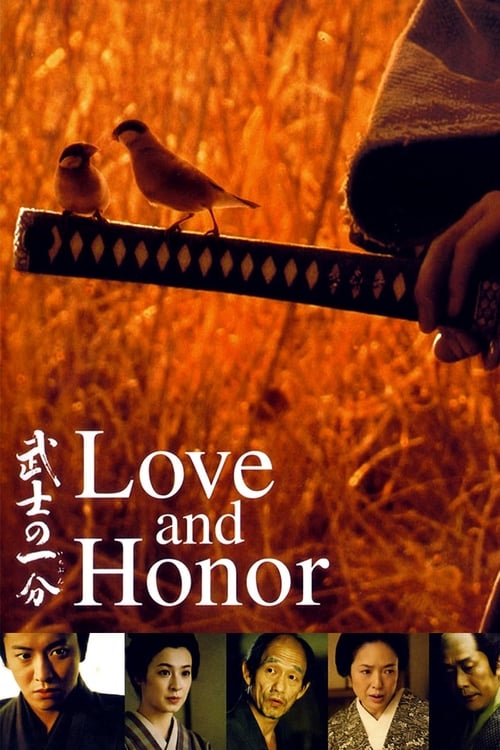
A look at the relationship between a young blind samurai and his wife, who will make a sacrifice in order to defend her husband's honor.
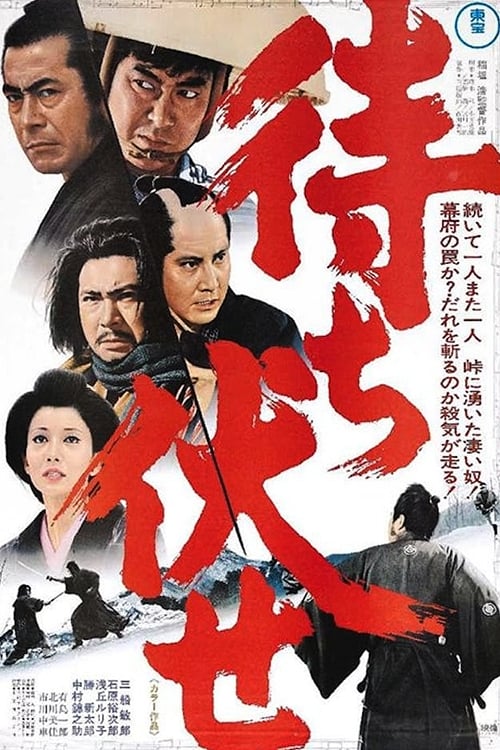
In the Edo period, a nameless ronin accepts an assignment to go to a mountain pass and wait. Near the pass he stops at an inn where a collection of characters gather, including a gang set on stealing shogunate gold that's soon to come over the pass. When the Ronin's assignment becomes clear, to help the gang, he's ordered to kill the inn's residents, including a woman he's rescued from an abusive husband. He's reluctant to murder innocent people; then he learns that the gold shipment is a trap and he's part of a double cross. How he sorts through these divided loyalties tests of his samurai honor, and perhaps of his love for a woman.
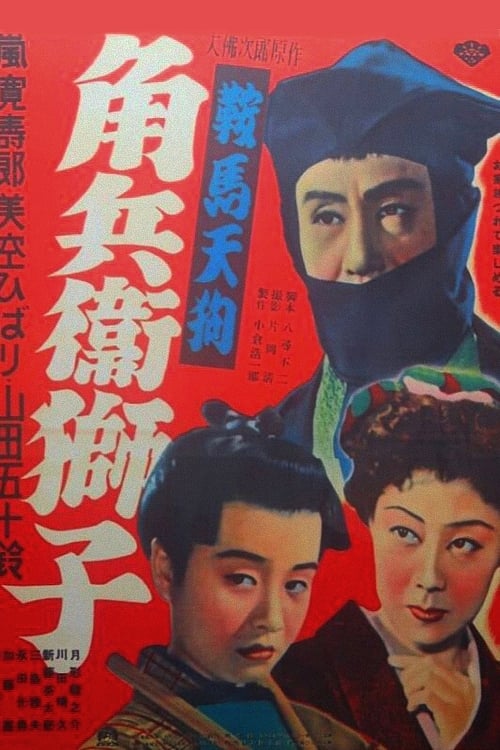
Two child performers lose their money, but are saved by the masked avenger Kurama Tengu. When the children return the favor in foiling an attempt on the hero's life, they find themselves in need of protection once again...
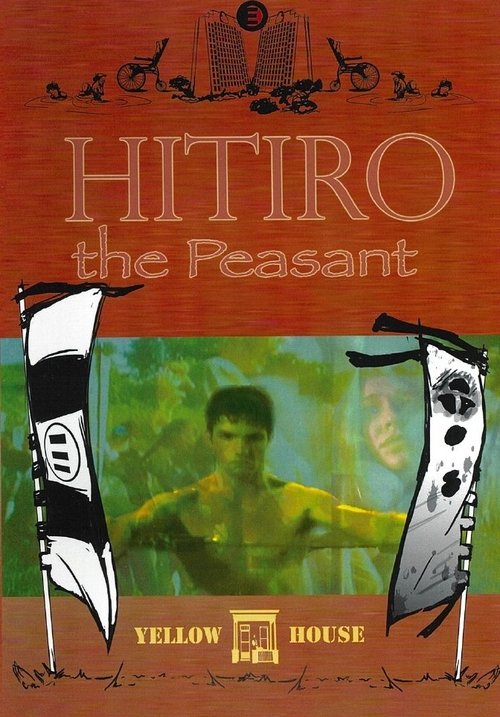
Hitiro the noble samurai serves the Emperor of Richmond, Virginia. After he refuses to enforce the Emperor's draconian tax policies, Hitiro is attacked by a jealous rival, who frames Hitiro for the murder of his wife. Hitiro escapes multiple ninja assassins, and seeks to begin a new life at a peaceful, rural village under the alias of "Hitiro the peasant." But can Hitiro outrun his past? Can he deny his burgeoning feelings for Ikama, daughter of the village headman? And can he save his new home from the wrath of the Emperor's soldiers?
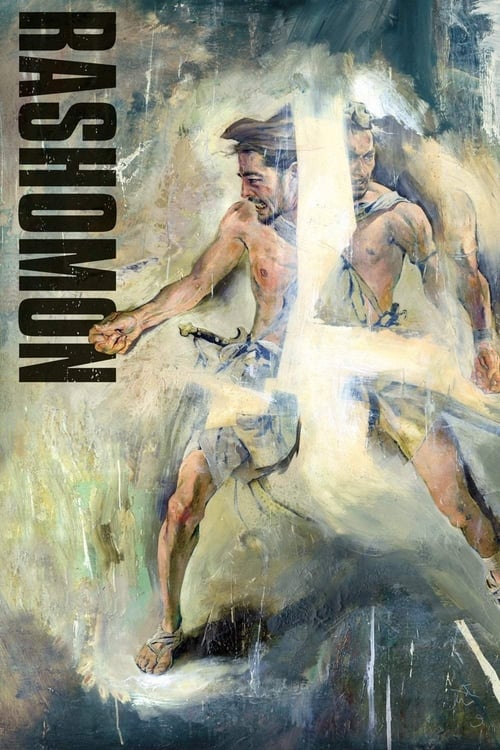
Four people recount different versions of the story of a man's murder and the rape of his wife.