Astrophysicists show how black holes might hold answers to how the universe evolved, leading to life on Earth and, ultimately, the human race.
Trailer
Self - Presenter
Self
This shows physicist Stephen Hawking's life as he deals with the ALS that renders him immobile and unable to speak without the use of a computer. Hawking's friends, family, classmates, and peers are interviewed not only about his theories but the man himself.
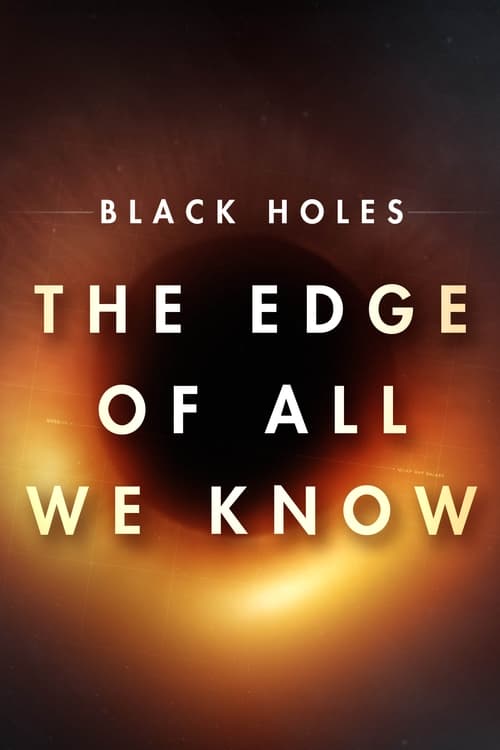
Black holes stand at the limit of what we can know. To explore that edge of knowledge, the Event Horizon Telescope links observatories across the world to simulate an earth-sized instrument. With this tool the team pursues the first-ever picture of a black hole, resulting in an image seen by billions of people in April 2019. Meanwhile, Hawking and his team attack the black hole paradox at the heart of theoretical physics—Do predictive laws still function, even in these massive distortions of space and time? Weaving them together is a third strand, philosophical and exploratory using expressive animation. “Edge” is about practicing science at the highest level, a film where observation, theory, and philosophy combine to grasp these most mysterious objects.
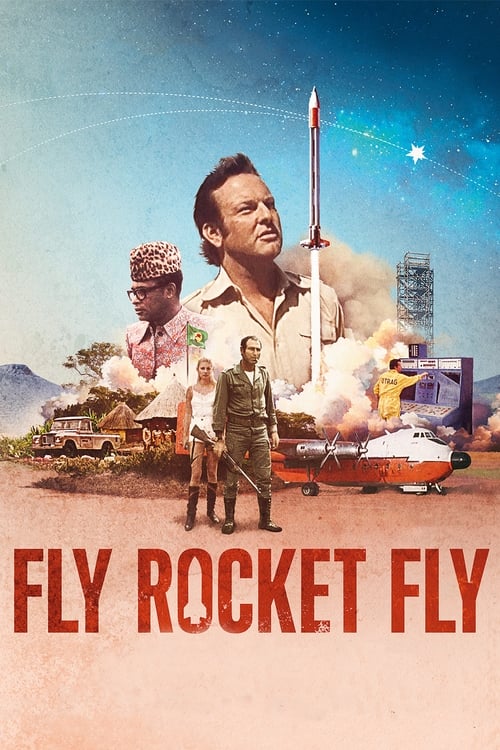
A long time ago, years before Elon Musk reached for the stars with his Space X project, a young man had his own childhood dream about a journey into space. This documentary tells the fantastic story of German astrophysicist Lutz Kayser who developed the world's first private space company. He did this under the curious and concerned eyes of secret services around the world.
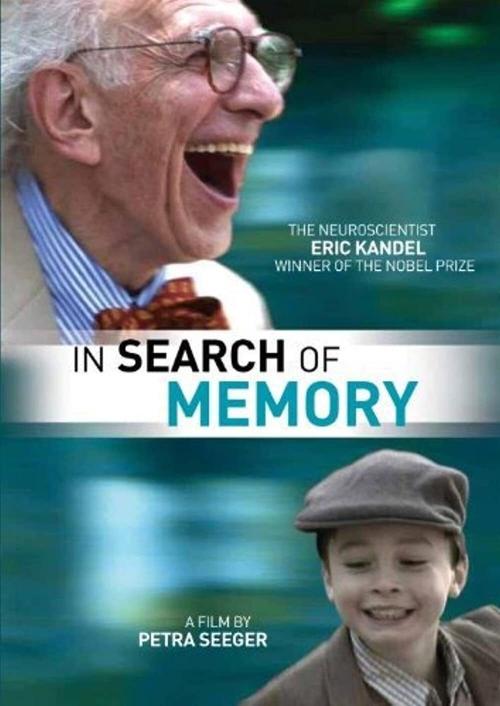
"In Search of Memory" is a very personal portrait of Eric Kandel, the "rock star" of neuroscience and the most important brain researcher of the 20th century. A fascinating documentary about the exciting mystery of the brain which arouses a curiosity in life and learning.
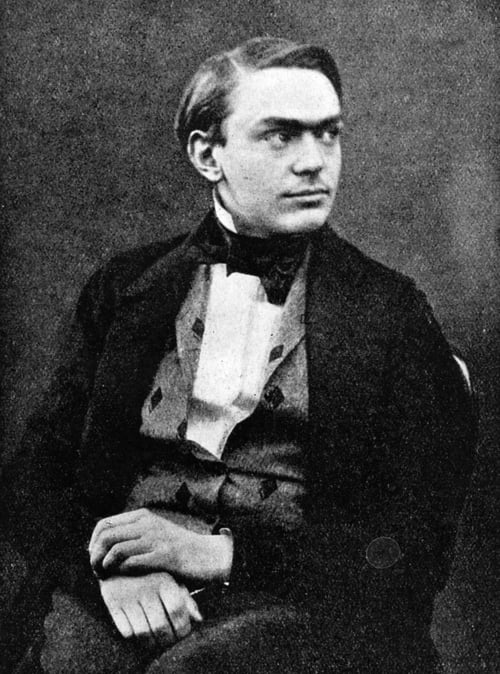
This John Nesbitt's Passing Parade short tells the story of Alfred Nobel, who invented dynamite, and later established the Nobel Prize.
About the Portuguese author José Saramago, based on a long interview with the writer at his home on the island of Lanzarote, in which he analyzes his work and shares his reflection on some aspects of his personal life.
No overview available.
One Peace at a Time is a film by Turk and Christy Pipkin. It was produced by The Nobelity Project and was premiered to a sold out audience at the Paramount Theatre in Austin, Texas, USA, on April 14, 2009. It is the sequel to the film Nobelity. It has been shown all across the United States and in multiple countries across the world
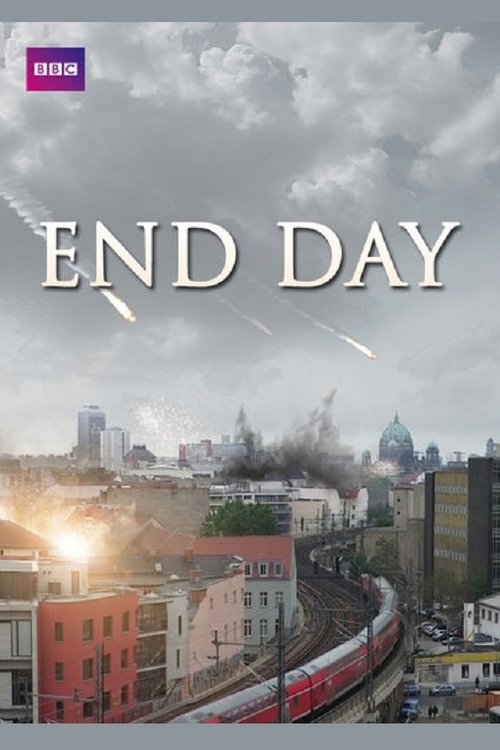
Made in the form of a faux documentary, these are four possibilities - set within the circumstances of a single day replayed over four separate times - that civilization could be brought to an abrupt end...
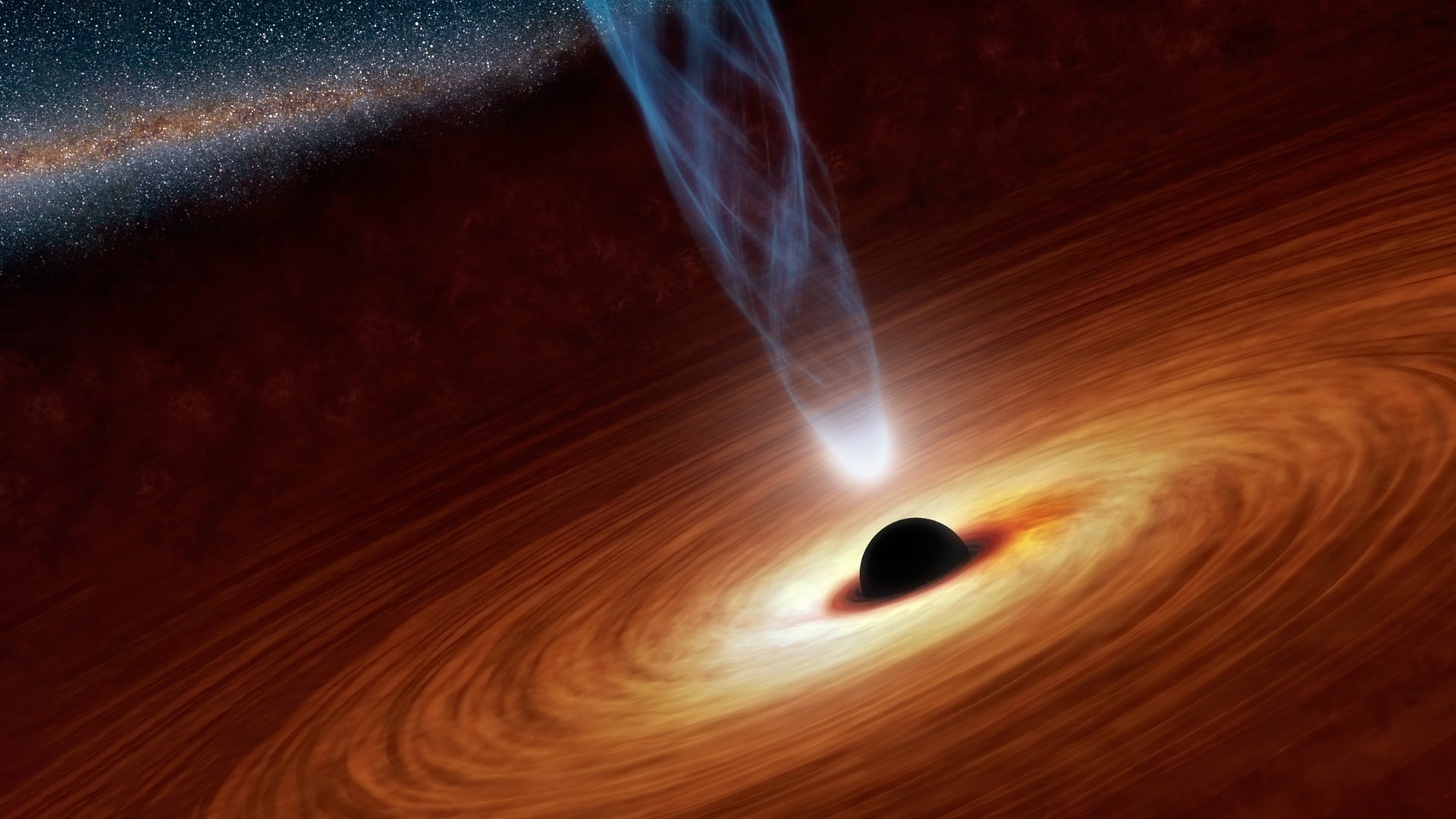
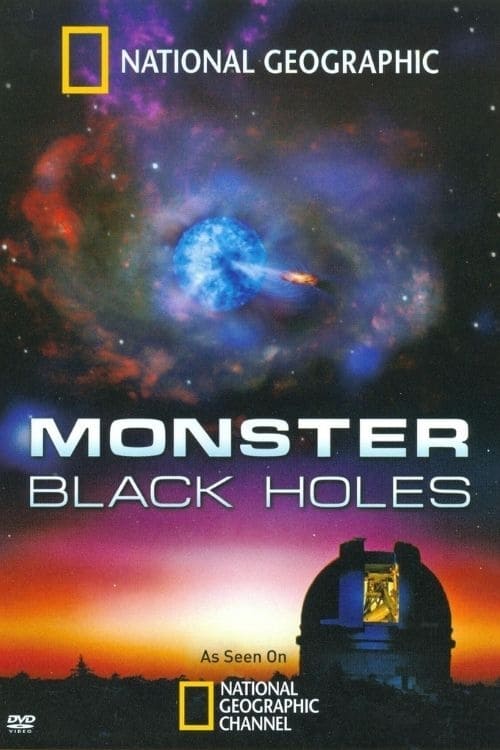
Travel to the edge of space and beyond to discover natures ultimate abyss black holes. Explore where they are found, how they begin, and how it may be possible to harness and use the power they produce. In Monster Black Holes, scientists steadily piece together the complex dynamics of a black holes birth and are also examine the growth of a select few black holes to super massive proportions that dominate the centers of galaxies. As a monster black hole swallows everything in its path, it generates energy that shapes the universe around it in powerful ways. Journey into the heart of a black hole and explore what happens to matter when it falls into a black hole, and whether the Milky Way galaxy will one day come to an end when the black hole at the galaxy's center explodes.
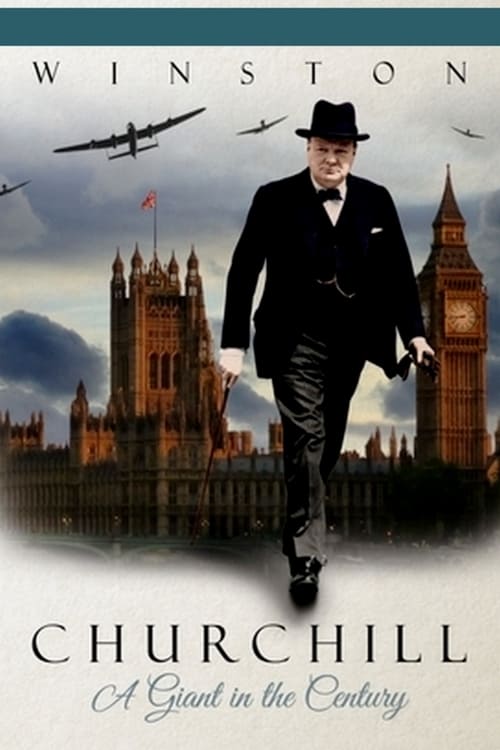
A new look at the public and private life of one of the most important statesmen in the history of Europe: Winston Churchill (1874-1965), soldier, politician, writer, painter, leader of his country in the darkest hours, winner of the Nobel Prize in Literature, a myth, a giant of the 20th century.
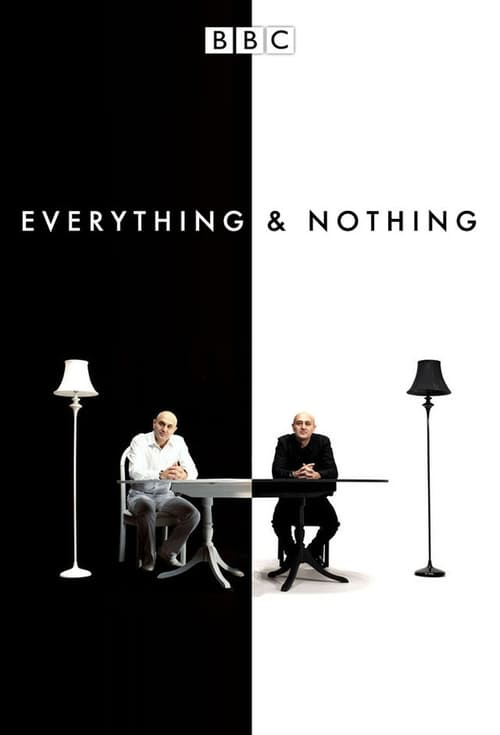
what is everything, and what is nothing? Professor Jim Al-Khalili explores the true size and shape of the universe and delves into the amazing science behind apparent nothingness. EVERYTHING: what the universe might actually look like and the remarkable stories of the men and women who discovered the truth about the cosmos. NOTHING: science at the very limits of human perception, where we now understand the deepest mysteries of the universe lie. The quantum world of the super-small shaped the vast universe we inhabit today, and Jim Al-Khalili can prove it.
In the sixties, Peter Handke was one of the first to show how the business works: the writer as angry young man and pop star of the literary scene. As soon as he was on the bestseller lists, he turned his back on the hype. For many years, he has lived and worked in his house in a Parisian suburb, more quietly and more hospitably. Peter Handke's precise, free gaze becomes perceptible in his texts, his conversations, the cosmos of his notebooks.
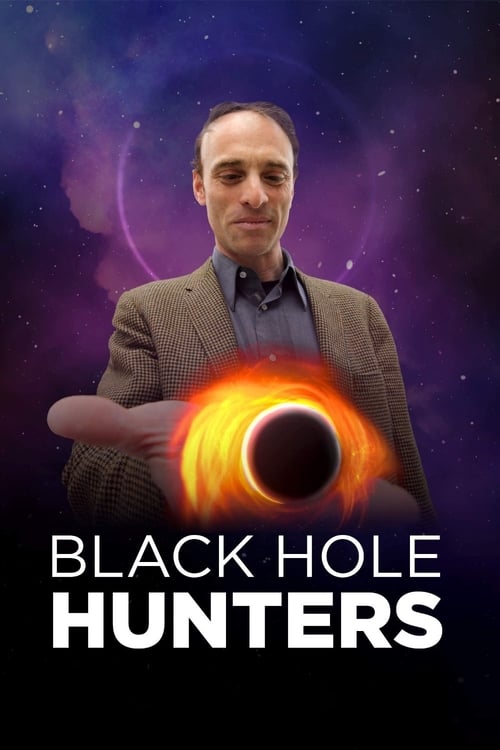
Documentary following researchers as they try to take the first-ever picture of a black hole. They must travel the globe to build a revolutionary telescope that spans planet Earth.
A team of international scientists attempt to document the first-ever image of a black hole.
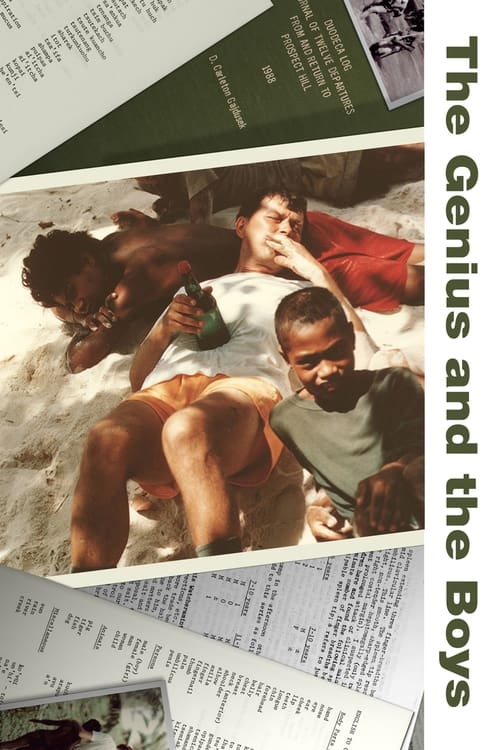
D Carleton Gajdusek won the Nobel Prize for the discovery of Prions - the particles that would emerge as the cause of Mad Cow disease - while working with a cannibal tribe on New Guinea. He was a star of the scientific world. Over his years working amongst the tribes of the South Seas, he adopted 57 kids, bringing them to a new life in Washington DC. His adoptions were hailed as wonderful fatherly beneficence. But, at the height of his career, rumours began to spread he was a paedophile. Gajdusek would argue that if sex with children was okay in their own cultures, he wasn't wrong to join in. How could a great mind like Gajdusek's lose insight so totally, and why would the scientific community to which he was a hero be so quick to leap to his defence and dismiss the allegations? (Storyville)
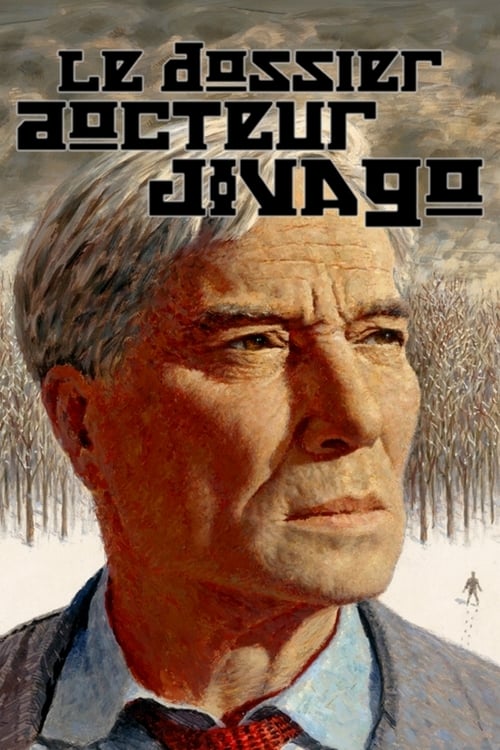
As Russian writer Boris Pasternak (1890-1960) thinks it is impossible that his novel Doctor Zhivago is published in the Soviet Union, because it supposedly shows a critical view of the October Revolution, he decides to smuggle several copies of the manuscript out of the country. It is first published in 1957 in Italia and the author receives the Nobel Prize in Literature in 1958, which has consequences.
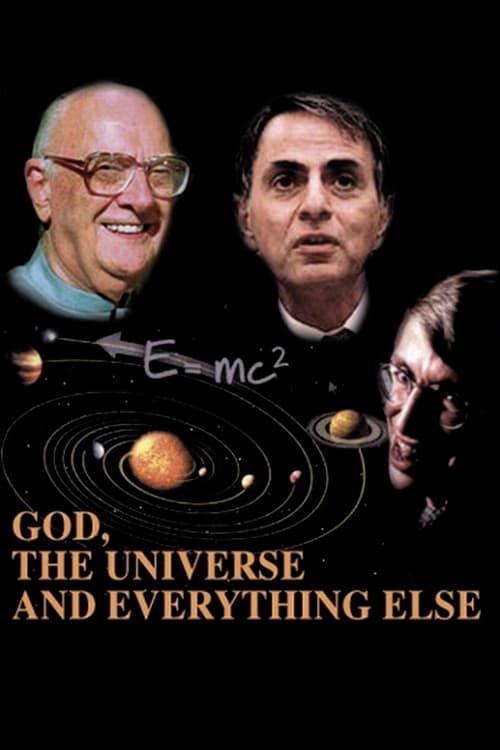
In a studio setting, Stephen Hawking, Arthur C. Clarke and Carl Sagan (who joins them via satellite) discuss the Big Bang theory, God, our existence as well as the possibility of extraterrestrial life.
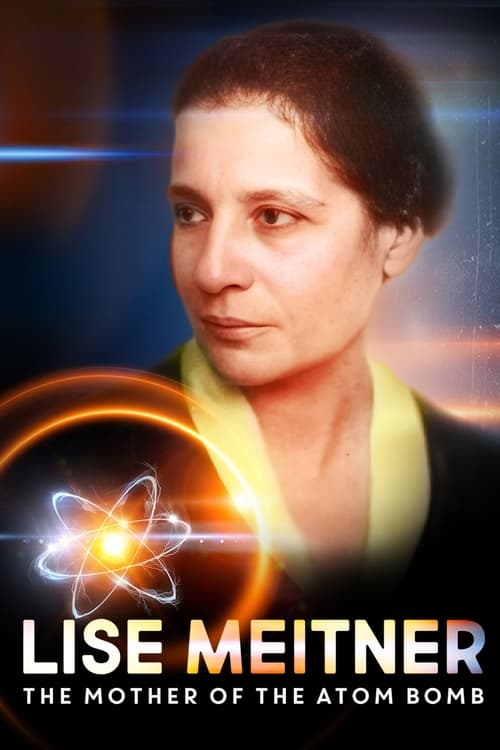
To historians, physicist Lise Meitner deserves to be placed on a par with Einstein, Heisenberg and Otto Hahn. In the 1930s on the verge of World War II, she led a small group of scientists who discovered that splitting the atomic nucleus of uranium releases enormous energy. This extraordinary film tells the story of a woman who was far ahead of her time as a scientist and a pioneer of feminism.
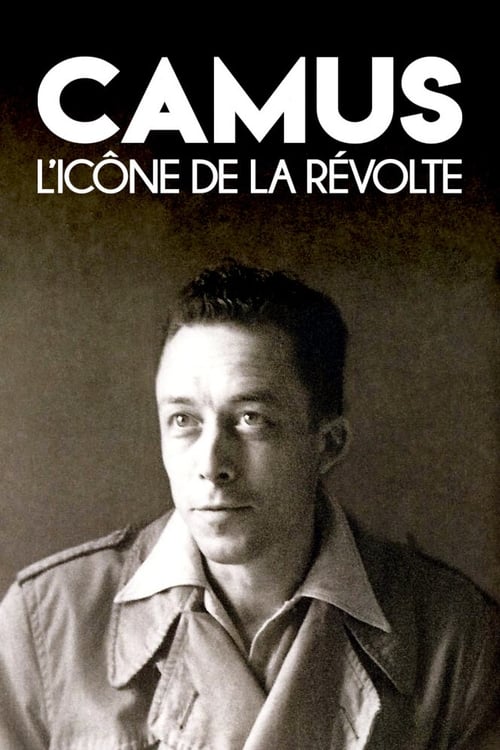
Albert Camus, who died 60 years ago, continues to inspire defenders of freedom and human rights activists around the world today. The Nobel Prize winner for literature is one of the most widely read French-language writers in the world. He continues to embody the rebellious man who opposes all forms of oppression and tyranny while refusing to compromise his human values.