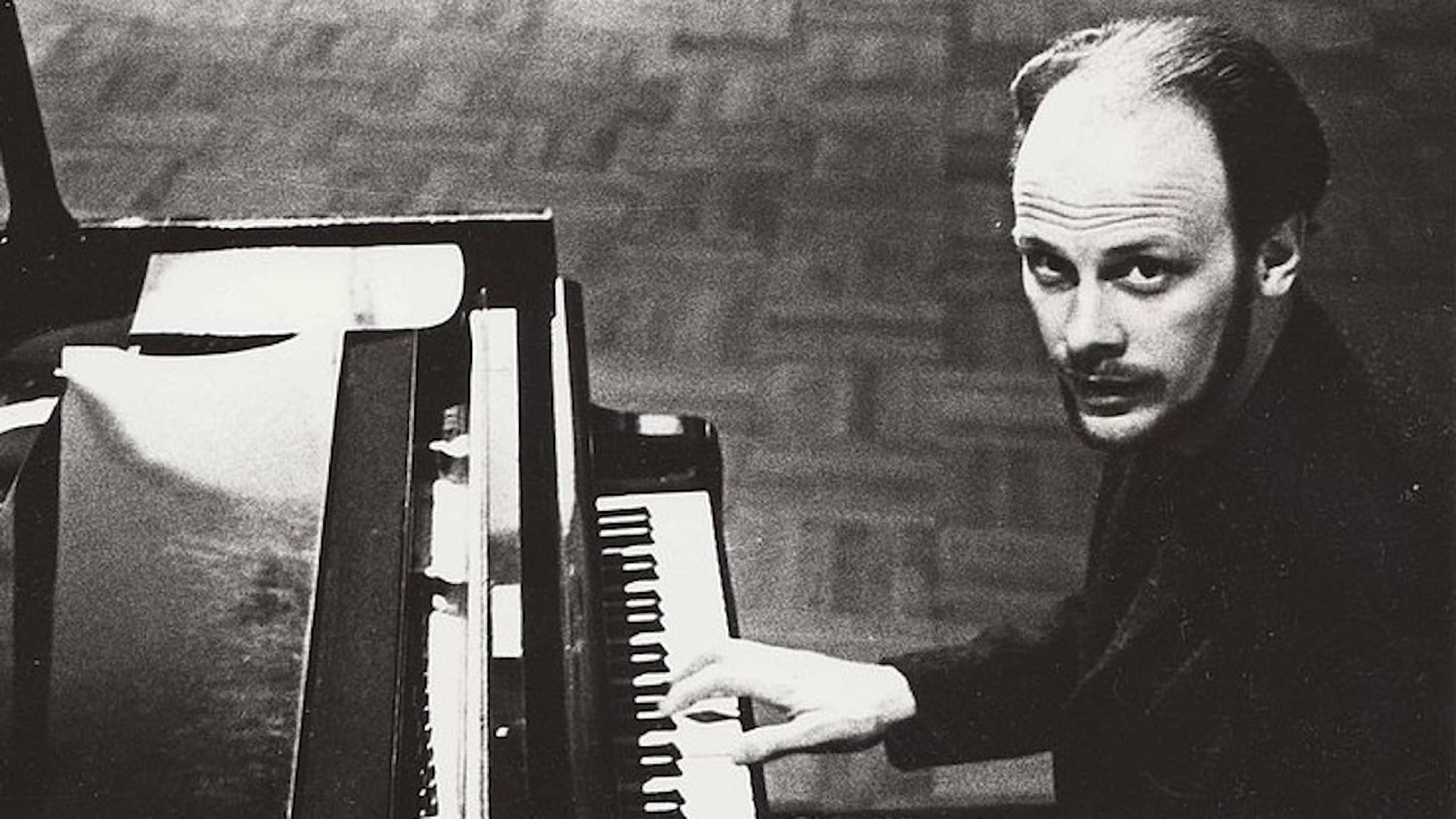
In this sober and moody documentary, director Anders Østergaard explores the life - and death - of Swedish wonder kid jazz pianist Jan Johansson through a rain-soaked windshield.
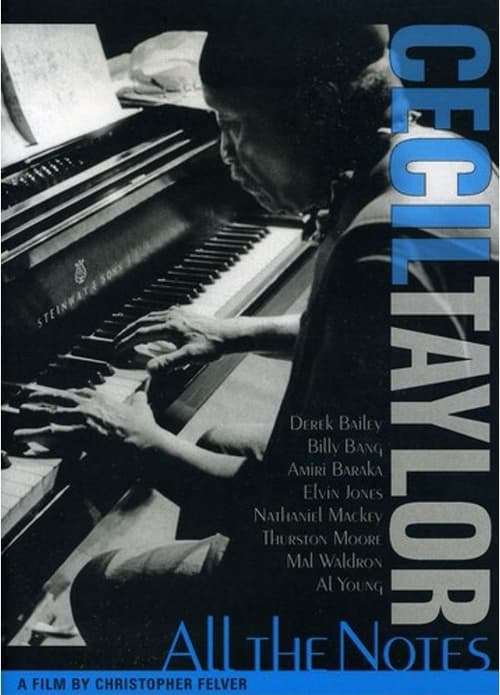
Cecil Taylor was the grand master of free jazz piano. "All the Notes" captures in breezy fashion the unconventional stance of this media-shy modern musical genius, regarded as one of the true giants of post-war music. Seated at his beloved and battered piano in his Brooklyn brownstone the maestro holds court with frequent stentorian pronouncements on life, art and music.
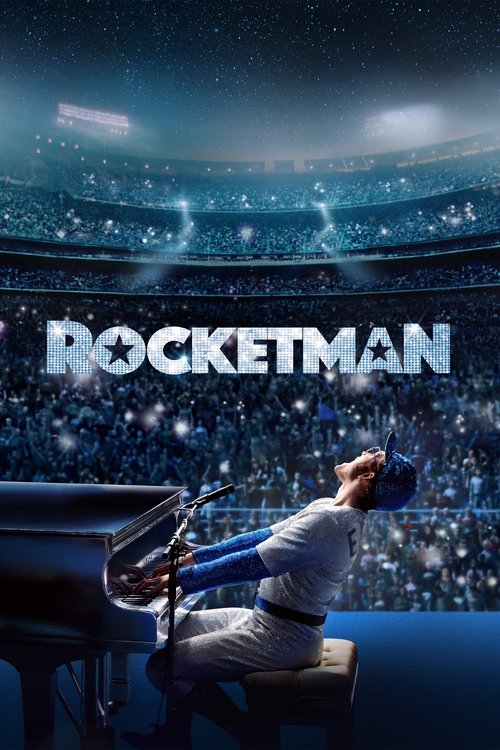
The story of Elton John's life, from his years as a prodigy at the Royal Academy of Music through his influential and enduring musical partnership with Bernie Taupin.
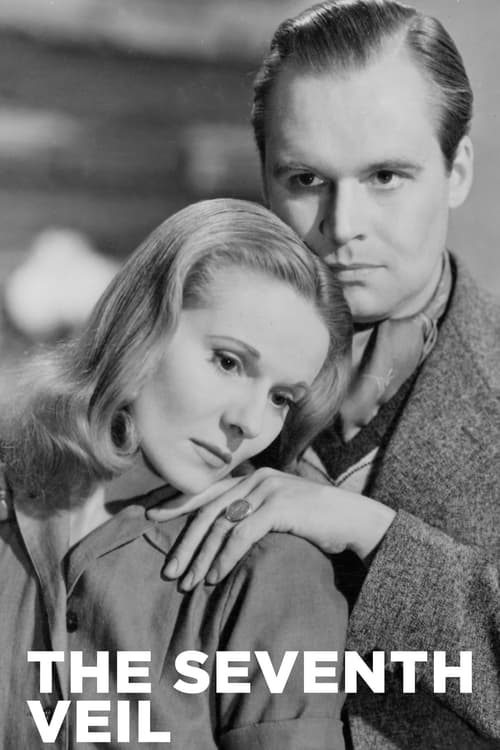
A concert pianist with amnesia fights to regain her memory.
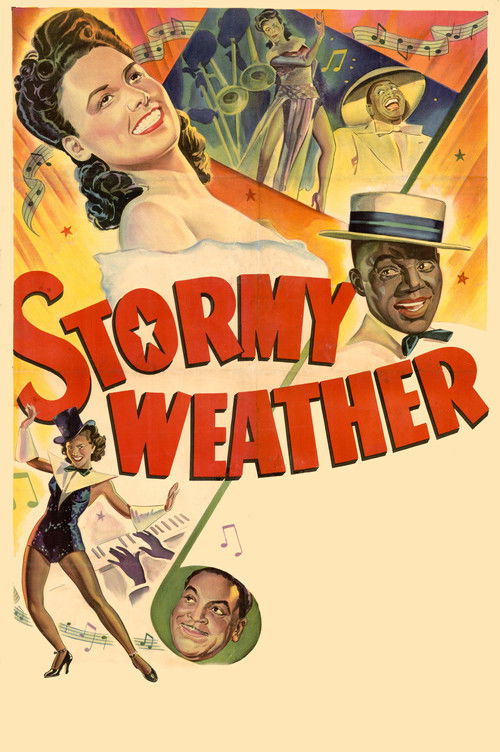
The relationship between an aspiring dancer and a popular songstress provides a retrospective of the great African-American entertainers of the early 1900s.
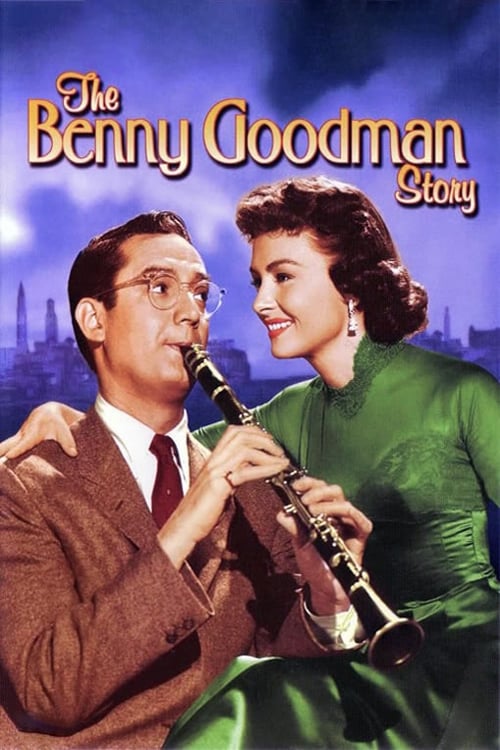
Young Benny Goodman is taught clarinet by a music professor. He is advised to play whichever kind of music he likes best, but to make a living, Benny begins by joining the Ben Pollack traveling band.
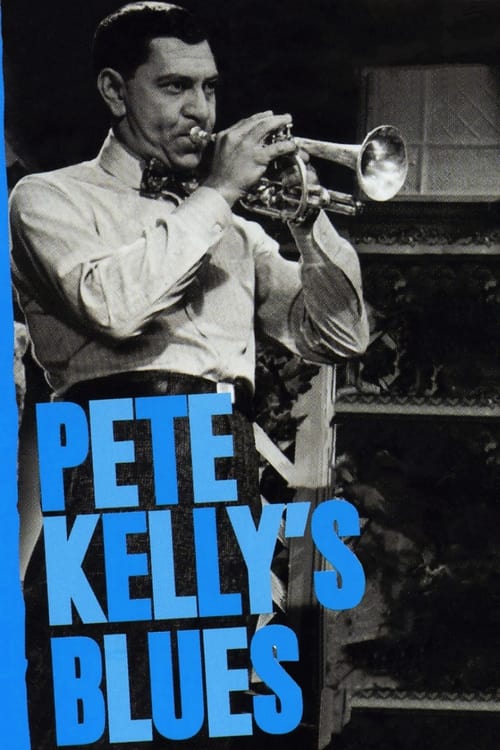
In 1927, a Kansas City, Missouri cornet player and his band perform nightly at a seedy speakeasy until a racketeer tries to extort them in exchange for protection.
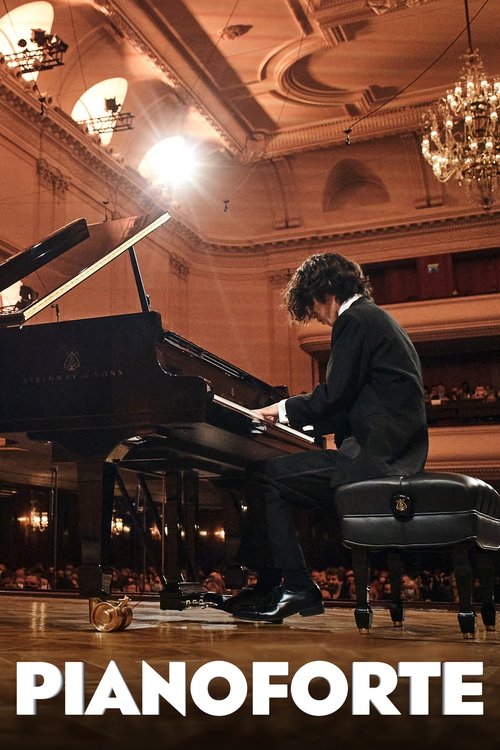
The world’s most talented young pianists compete in the International Chopin Piano Competition, held every five years in Warsaw, Poland. A rare behind the scenes look at the triumphant highs and crushing lows of competition, Pianoforte is both a testament to the remarkable power of music and an intimate coming-of-age portrait.
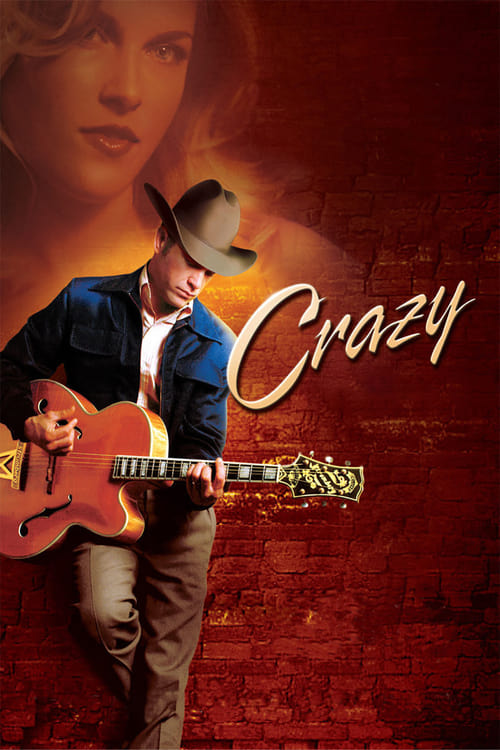
Crazy is the story of a legendary guitar player who emerged from Nashville in the 1950s. Blessed with incomparable, natural talent, Hank Garland quickly established his reputation as the finest sessions player in Nashville.
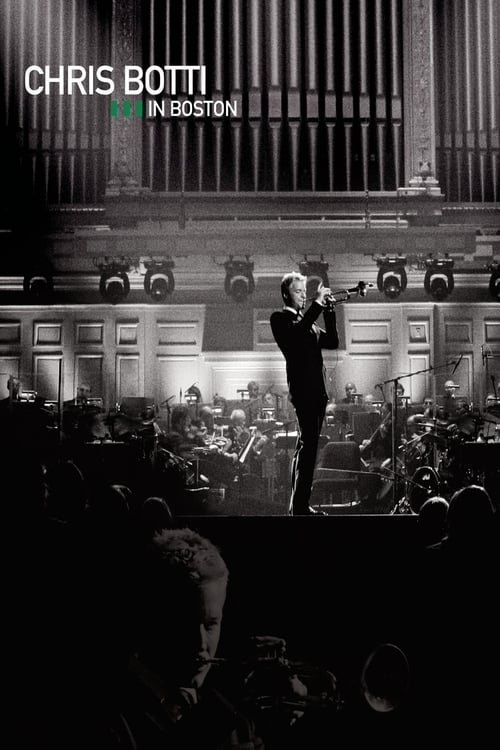
Chart-topping jazz trumpeter Chris Botti and special guests performed two star-studded concerts at the historic Boston Symphony Hall with Keith Lockhart and the Boston Pops on September 18 and 19, 2008. Special guests include Josh Groban, Yo-Yo Me, John Mayer, Katharine McPhee, Lucia Micarelli, Sting and Steven Tyler.
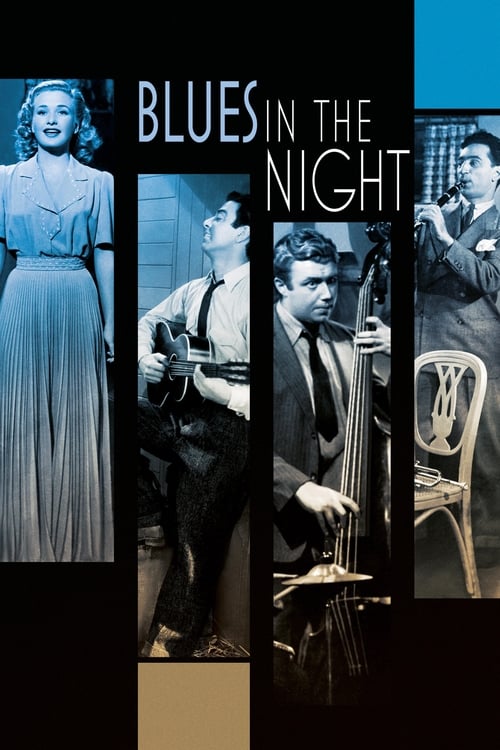
A struggling band find themselves attached to a fugitive and drawn into a series of old feuds and love affairs, as they try to stay together and find musical success.
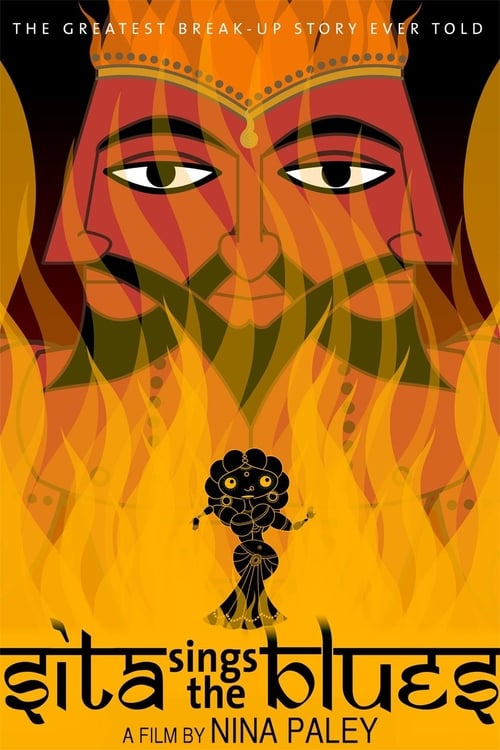
Utilizing the 1920s jazz vocals of Annette Hanshaw, the epic Indian tale of exiled prince Ramayana and his bride Sita is mirrored by a spurned woman's contemporary personal life, and light-hearted but knowledgeable discussion of historical background by a trio of Indian shadow puppets.
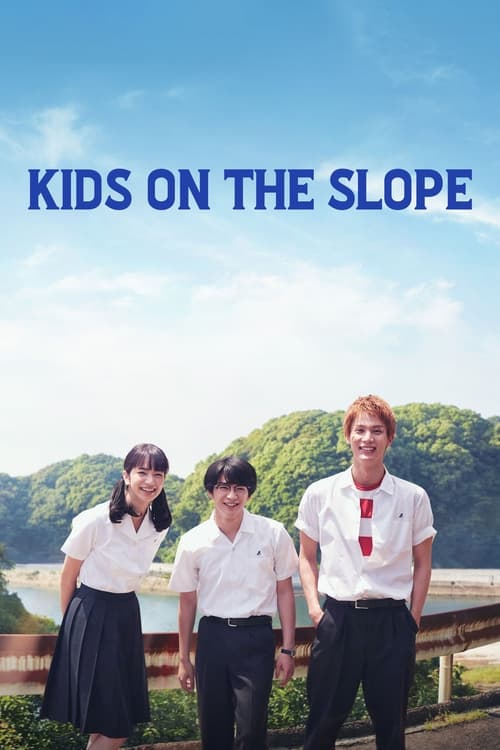
Two different students—a successful but aloof academic and a rebellious but kindhearted delinquent—form a friendship through their love of jazz music.
A bittersweet musical drama set in London centers around a dejected jazz musician who is on the edge. He perceives a cold, black and white existence. In his heart there remains a ray of hope that will transport him to a warm and colorful world. Through the music, his spirit is renewed, if only for an instant, at the end of the rainbow.
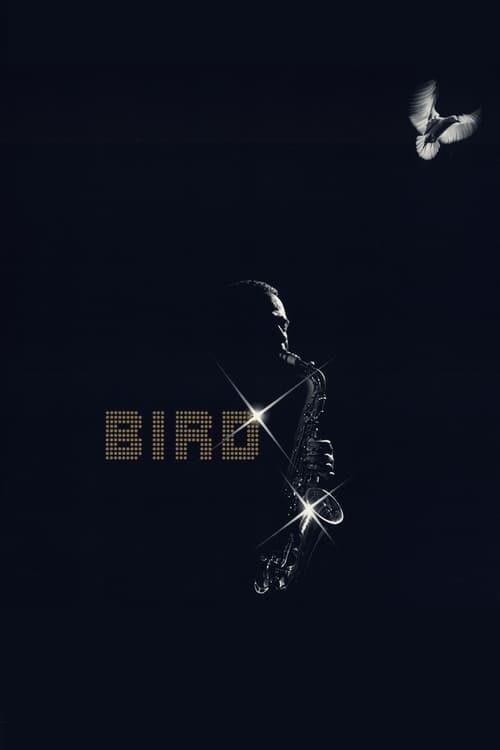
Saxophone player Charlie ‘Bird’ Parker comes to New York in 1940 and is quickly noticed for his remarkable way of playing. He becomes a drug addict but his loving wife Chan tries to help him.
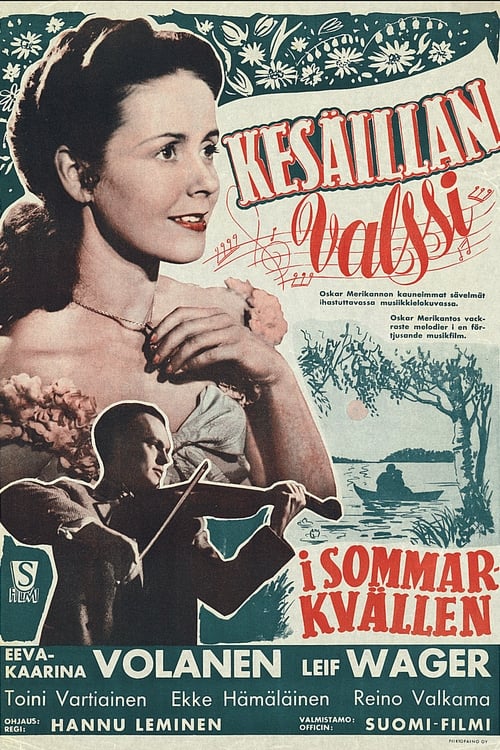
A story built around the music of Oskar Merikanto, tells the love story of the poor musician Lauri Alanko and the daughter of the rich Grahn family Annina. Annina’s family doesn’t approve of the relationship, and the couple’s happiness is also threatened by Lauri’s worsening eye disease.
Recorded Live at Tokyo International Forum Hall A on December 9th, 2007
The story of a virtuoso piano player who lives his entire life aboard an ocean liner. Born and raised on the ship, 1900 learned about the outside world through interactions with passengers, never setting foot on land, even for the love of his life. Years later, the ship may be destroyed, and a former band member fears that 1900 may still be aboard, willing to go down with the ship.
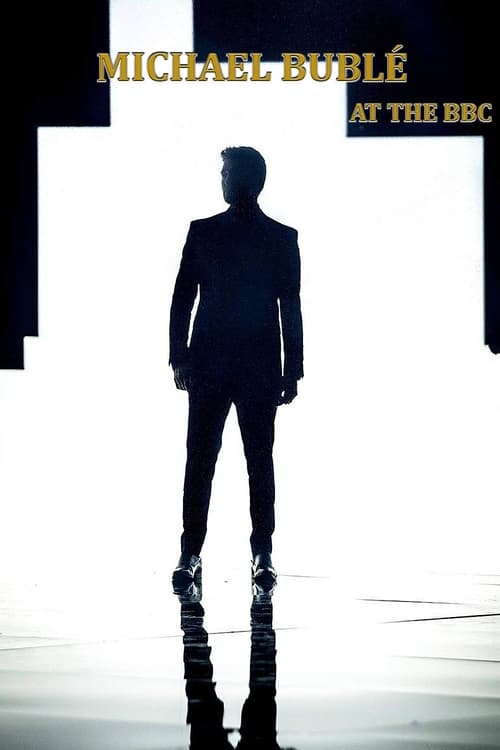
Claudia Winkleman meets Michael Buble in this entertainment spectacular. Michael performs classic tracks including Cry Me a River and Feeling Good alongside songs from his brand new album, including Nobody but Me. Michael also goes undercover as a sales assistant at a London department store to surprise a few unsuspecting fans.
An egotistical saxophone player and a young singer meet on V-J Day and embark upon a strained and rocky romance, even as their careers begin a long uphill climb.
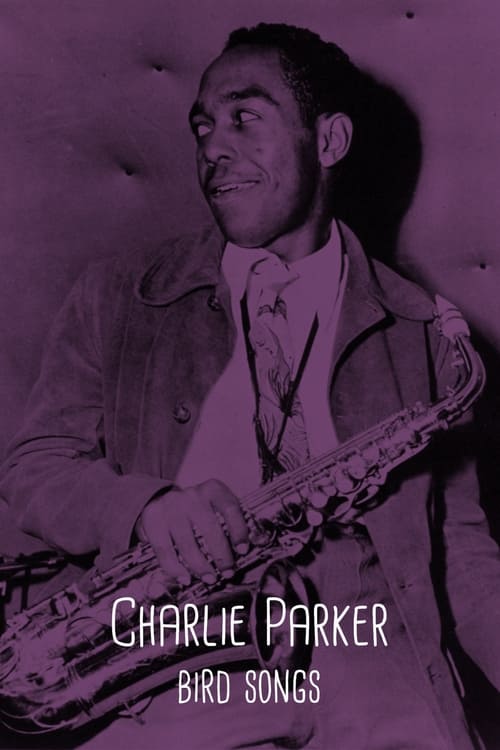
In 1955, on his report, a medical examiner wrote in the box: age, “about 53 years”. Charlie Parker nicknamed Bird just died, at 34. His death will be the ransom of a life that was not denied to the excesses or the consuming flame of genius. His wildest improvisations will open the door to future jazzmen. Between shadow and light this film will pay tribute to one of the greatest musicians of the 20th century.
Himself (archive footage)
Himself
No Trailers found.