No Trailers found.
The cinema of Pernambuco is considered one of the most complex components of Brazilian cinema, particularly for its potency and creative style. The presence of women in filmmaking seldom holds the same historical notoriety as that of men, and the Pernambuco scene is no exception. In the context of "Amor, Plástico e Barulho" (Love, Plastic, and Noise), we find a film that serves as a testament to the marginalization of women in the creative industry, intertwining themes of consumption and the production of brega music. Hence, we use "Feminino e Barulho" (Feminine and Noise) as a means to share what we've learned. Renata Pinheiro has inspired us to craft a narrative that gives voice to those who need to be heard. We are here to showcase a glimpse of them and what they represent. "Feminino e Barulho" is a short film about love, femininity, sisterhood, and empowerment.
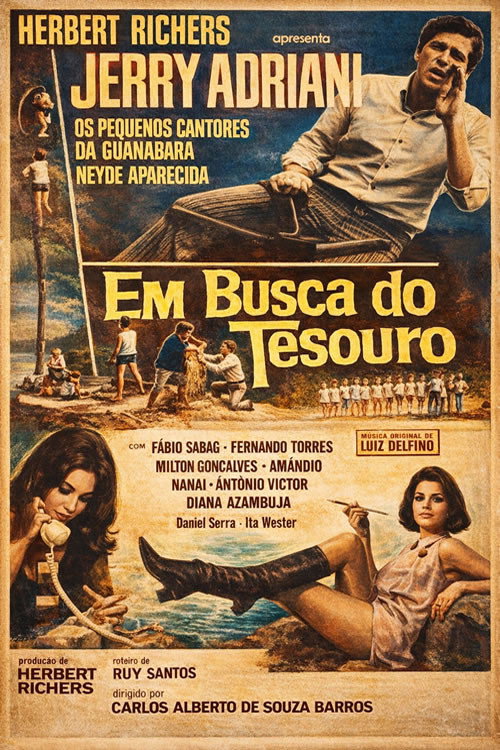
Jerry is a tutor at an orphanage. On the first day of vacation, the boys go to the beach with Professor Teobaldo and find a skeleton and a treasure map. Word spreads and a rush for gold begins. On the one hand, Jerry and Neyde, television colleagues; on the other, the director of the station, Indalécio, and his lover Aphrodite; finally, the evil Rock Trombada, in the company of scientist Bertini and Daniel. On Treasure Island, the three camps promote mutual sabotage. After many confusions, Trombada flees with the treasure to the ship's cemetery but they are surrounded by the boys and Indalécio. It's the final war. But it is Jerry who will take the wealth in order to improve the situation at the orphanage.
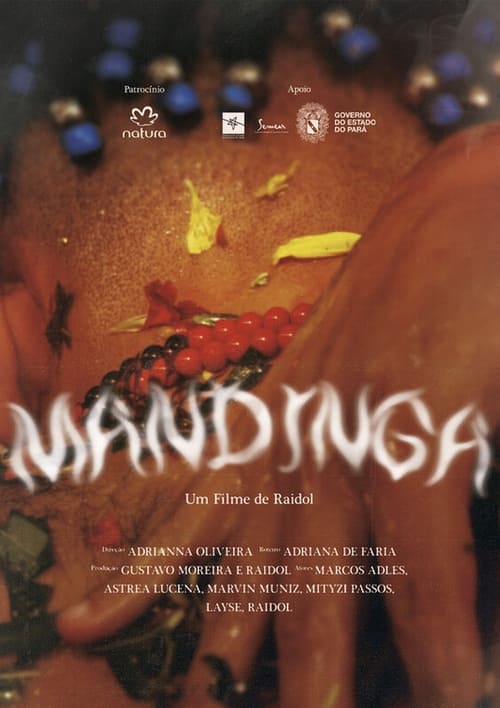
Benedito wakes up for another day of work as a motorcycle courier. Cradled by Raidol's Mandinga and guided by his Orishas, he receives mysterious deliveries to leave them at a final destination but the paths that open up go far beyond his everyday reality.
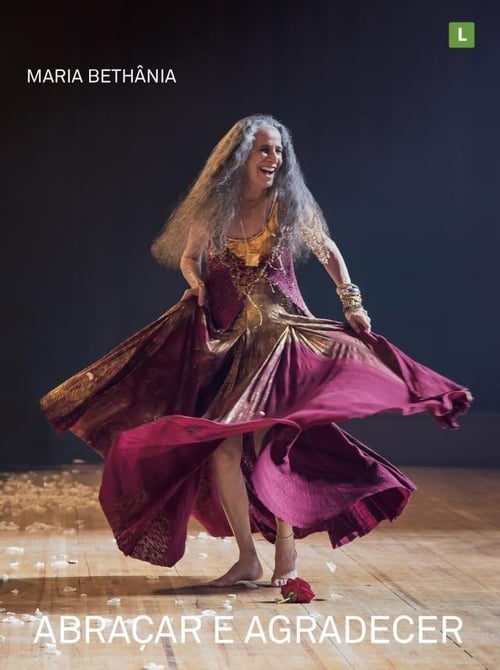
Celebrating 50 years of her career, Maria Bethânia filmed in Brazil in 2105 the show Abraçar e Agradecer, which now comes out on CD and DVD.
No overview available.
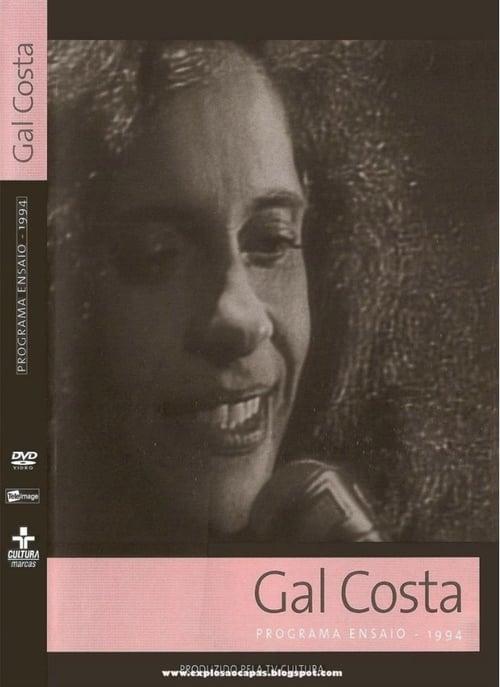
"Estratosférica ao Vivo" is not just the record of a Gal Costa show. It is the portrait of the artist reaching the 70 years of life, 50 of them dedicated to music. The show "Estratosférica" crowns the new artistic phase of Gal, more and more interested in connecting several tips of the history of the music of Brazil, joining the composers of its generation to names of the new national scene. The script, created by Marcus Black, was very good at this idea. Sewing songs by Caetano Veloso, Tom Zé, Luiz Melodia, Jards Macalé and Waly Salomão, Carlos Pinto and Torquato Neto, Roberto and Erasmo Carlos - a series of tropicalist and post-tropicalist works that until now serve as reference and feed the new generations of music.
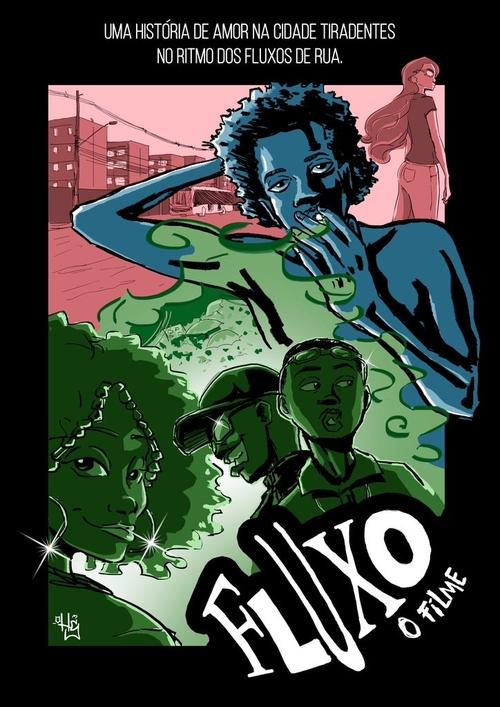
Amid an identity crisis, Fábio, 22 years old, a young black man from Cidade Tiradentes, reconnects with his past through a funk party with friends. On their way to the Fluxo, as these parties are called, he faces internal and external challenges that make him confront his feelings after his recent breakup. The film investigates the experiences of young people who live in the extreme east of São Paulo, the biggest city in Brazil and considered one of the main pillars of funk history.
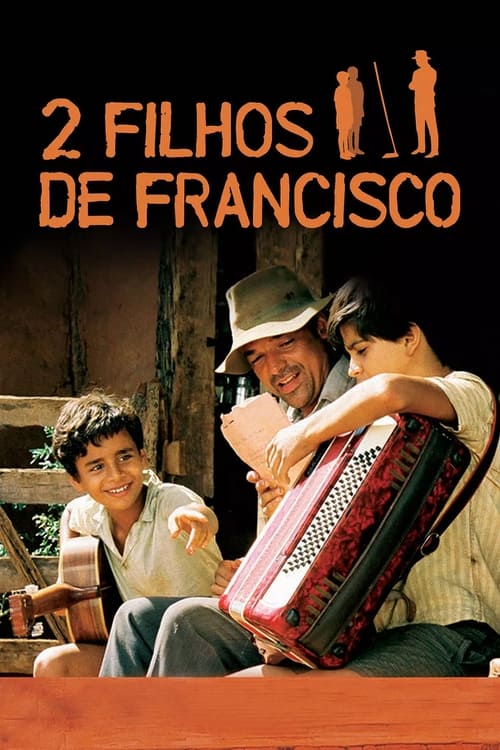
The story of Francisco, a very simple and poor man whose dream was to see his children become country music stars, and who made all the efforts to make it happen.
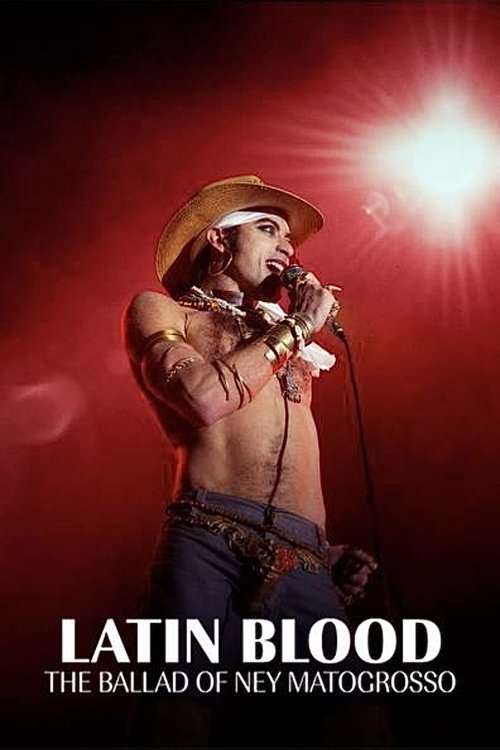
From a repressive childhood to artistic revolution, Ney Matogrosso transforms Brazil's stages — and himself — through music, creativity and inner fire.
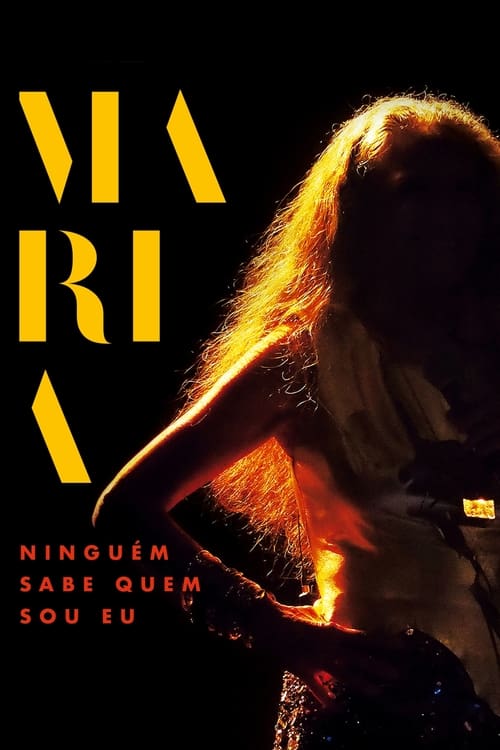
The film is an unprecedented and exclusive testimonial of Maria Bethânia from director and screenwriter Carlos Jardim, interspersed with rare footage of rehearsals and concerts by the singer throughout her 57-year career. Actress Fernanda Montenegro narrates five texts by authors such as Ferreira Gullar and Caio Fernando Abreu about Bethânia's importance on the Brazilian cultural scene.
In a small village in the hinterland, three stories of love and desire are changing the emotional landscape of its residents. Characters of a romanesque world in which their conceptions of life are limited on one side by human instincts, on the other by a blind and fatalist fate.
Documentary about Brazilian music circa 1969, with extremely rare scenes, such as the only color footage of Pixinguinha, images of João da Baiana, one of the fathers of Samba, Maria Bethânia rehearsing at Barroco nightclub, Baden Powell playing his acoustic guitar, Paulinho da Viola showing his masterpiece "Coisas do Mundo, Minha Nega", that he had just finished, and Márcia, a singer from São Paulo.
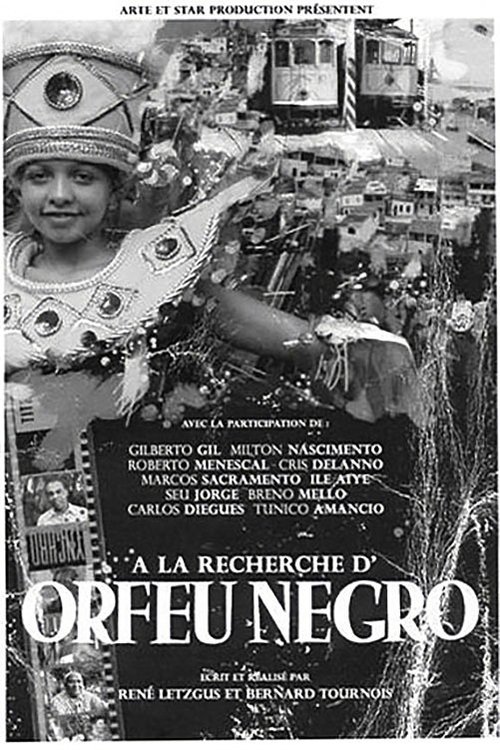
Documentary about Marcel Camus' 1959 film Black Orpheus, its cultural and musical roots, and its resonance in Brazil today.
Self - Singer
Self - Acoustic Guitar
Self - Cello
Self - Percussion
Self - Interviewer