fizika tanárnő
tornatanár
Vasutas
Kolonics
igazgató
Kriszta
Forintos
No Trailers found.
This anti-coming-of-age film follows Generation Y characters as they chase the desire for radical self-realisation.
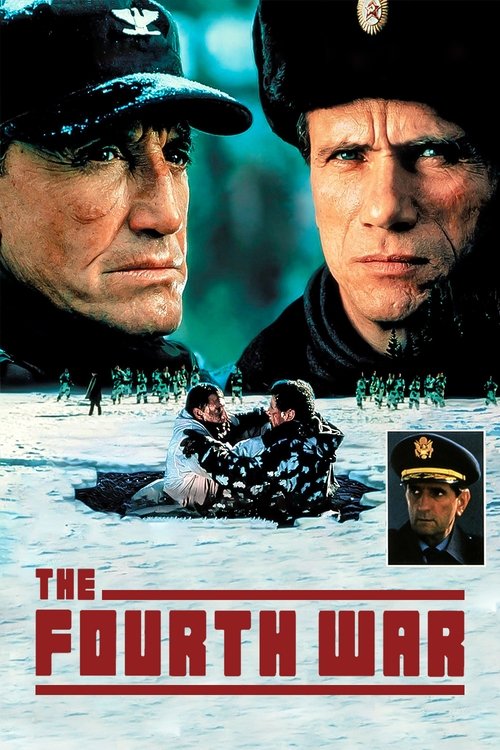
Cold War adversaries Col. Jack Knowles and his Russian counterpart, Col. Valachev, are stationed on opposite sides of the German-Czech border. Both men are responsible for a group of troops in their remote settings, and both have been shaped by their combat experiences and a shared aversion to their superiors' ways of doing things. After a defector is killed, things escalate into a full-fledged battle with serious geopolitical ramifications.
A lighthearted look at the opening of the border crossing of Bornholmer Straße in Berlin from the point of view of the confused border guards.
Adam and Eve, after Eden, are granted dreams of the world to come by a deceptively sweet but ultimately contemptuous Lucifer. Adam confronts an endless procession of the horror of the human story... rapists and concubines, betrayal and savagery, mindless cruelty and fanaticism.
A couple discover that the baby girl they're trying to adopt is being auctioned off to the highest bidder. The couple become part of a sting operation to bust the baby-selling ring.
Having been happily married for ten years, Gerda Wagner, devoted mother and housewife, suddenly gets it into her head that she would like a career as a pop star. She had singing lessons in the past and her voice is still beautiful. A chance meeting with the idolized Italian singer Fabiani, revives her stage fever - much to the annoyance of her husband Gustl Wagner, head of the records section at a department store.
It all starts when she runs away from the altar in a church in Hamburg. Easygoing Henny Schönberg has qualms about marrying in the very last second and runs off to leave her stunned would-be husband Martin von Platt. Still dressed in her wedding gown, she takes the next best flight, not caring about its destination.
For years, the immigration officer Dr. Ludwig Sarheimer and the chairman of the Turkish community Cengiz Demirkan in Cologne have been fighting a small war. While the one, as a hodja, upholds the traditions of his homeland and brings Anatolian brides to Germany for Turks who are willing to marry, the other wants to prevent exactly that. Cengiz's daughter Lale Demirkan is at the center of these ongoing disputes. At home, the young woman plays the well-behaved Turkish daughter, but as soon as the German studies student leaves the house, she takes off her headscarf and sense of tradition and has fully arrived in German life. In her free time, she practises martial arts fighting techniques. So far, she has successfully fended off potential grooms.
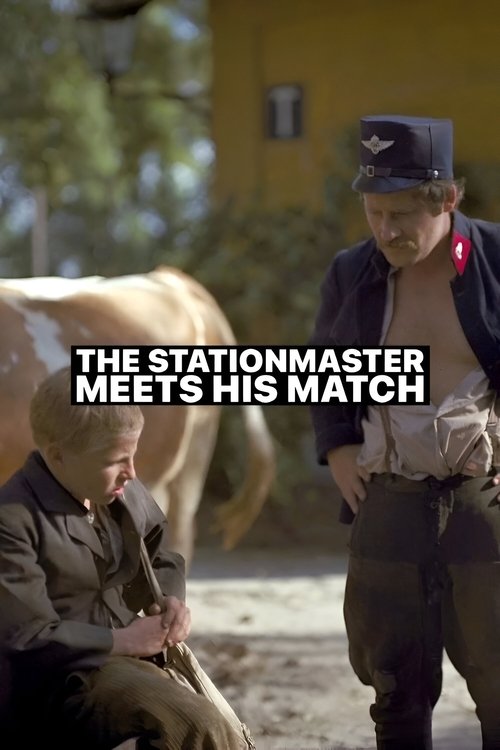
The story of Bendegúz, the teenage boy who never succeeds in anything and about whom everybody's first though is "I wish you had been hanged when you were born!" drops out of school and becomes a cowboy. He works for the Stationmaster whose cows he has to graze by the railway. Despite his goodwill and kindheartedness he always manages to spoil everything he touches. No matter his wit, he gets into humiliating situations and regularly fights with the Ugly Witch (the Stationmaster's mother-in-law). However his good spirit and cheerfulness never leave him.
1984, Franco-German border. A Berlin gallery owner transports the flagship sculpture from his collection for a major exhibition. Faced with the object, the French customs officer hesitates: is it really a work of art?
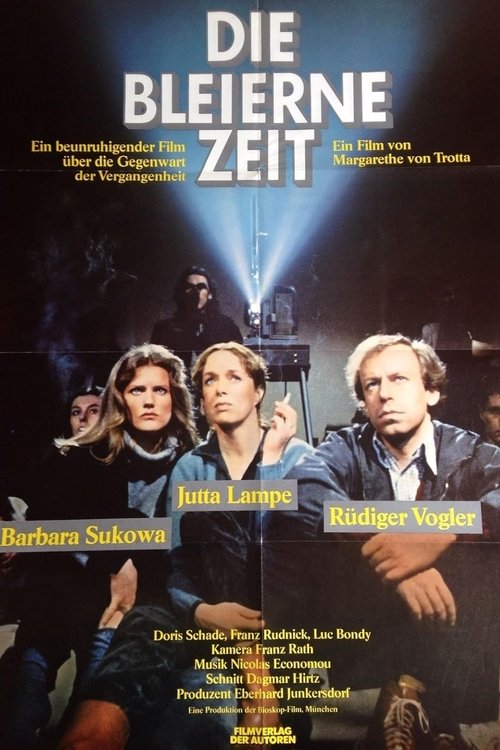
Germany, 1968: The priest's daughters Marianna and Juliane both fight for changes in society, like making abortion legal. However their means are totally different: while Juliane's committed as a reporter, her sister joins a terroristic organization. After she's caught by the police and put into isolation jail, Juliane remains as her last connection to the rest of the world. Although she doesn't accept her sister's arguments and her boyfriend Wolfgang doesn't want her to, Juliane keeps on helping her sister. She begins to question the way her sister is treated.
Two carefree dogs in Hungary come to the attention of an old fisherman. Later they free a hawk from a cage, and he joins them. They have adventures with a flood, a wild boar, and a cheetah.
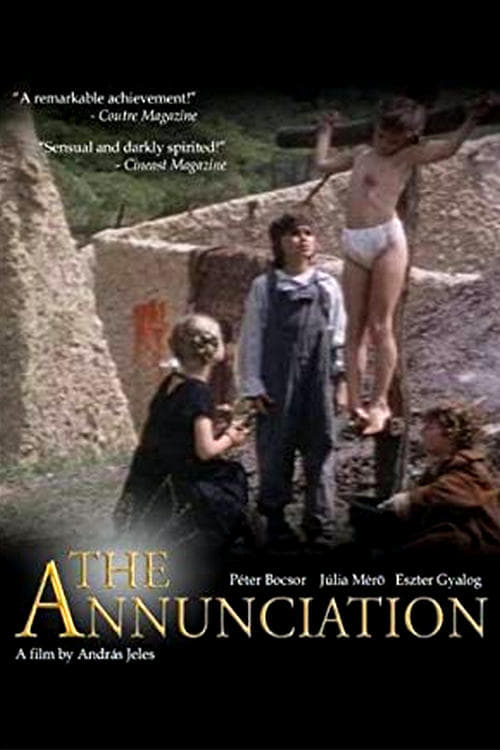
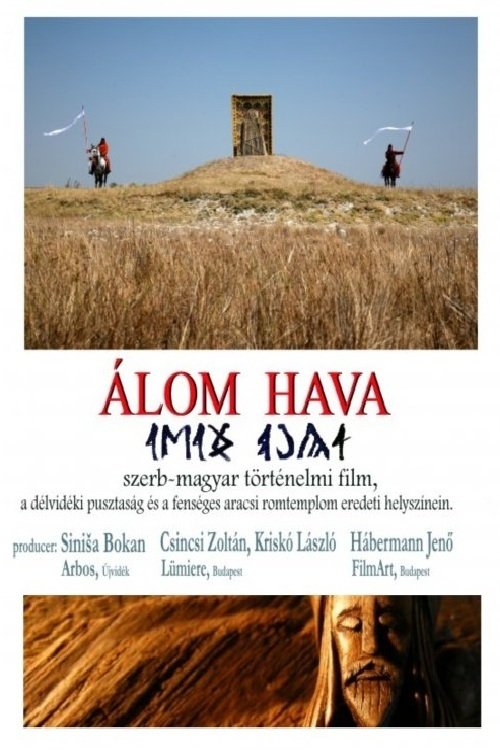
It is 1680 – the time of dreamt snow after the Turkish invasion. In the deserted plains of Bácska a living soul cannot be found in a few-days’ walk. Three former prisoners returning from their Turkish captivity – Long-Legged, Lame and One-Eyed – appear among the crumbling walls of a huge abandoned church without a roof. They are looking for their long lost home. How to revive a disappeared civilization? What is the survivors’ personal duty? Without a roof, a collapse is inevitable. The Old Man – a master of ancient knowledge – and his daughter come and with sharing sowing seeds they try to save the community of dispersion. No spiritual leader, no aims. Driven by rapacity, One-Eyed kills the Old Man, rapes his daughter and while looking for the remaining seeds he kills Long-Legged with a sudden anger. At the end of the film, the survivors need to face with dramatic encounters and special temptations. Their redemption under the leadership of Lame’s young son is the pledge for the future.
A young prosecutor in postwar West Germany investigates a massive conspiracy to cover up the Nazi pasts of prominent public figures.
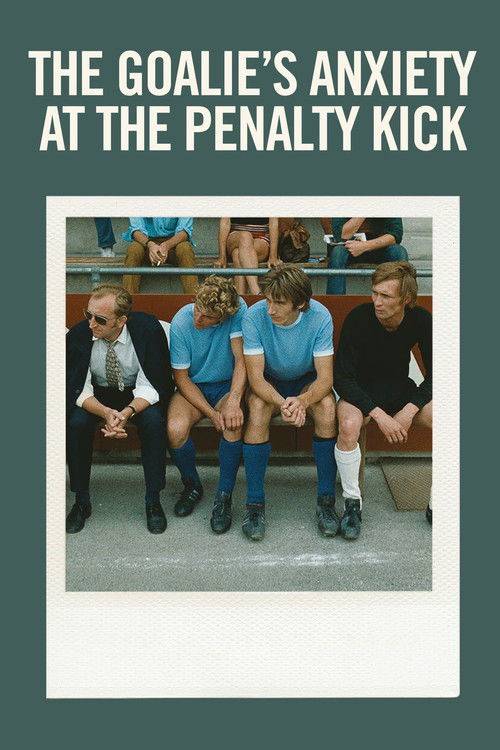
Goalkeeper Josef Bloch is sent off after committing a foul during an away game. This causes him to lose his bearings, and he wanders aimlessly through the city streets and spends the night with the box-office attendant of a movie theatre.
People in a small German village in the last valley to remain untouched by the devastating Thirty Years' War try to exist in peace with a group of soldiers occupying the valley.
Hungary, 1950s. József Pelikán, who works as a dam keeper on the Danube, meets by chance Zoltán Dániel, an old friend whom he saved from death years before and who is now a powerful politician.
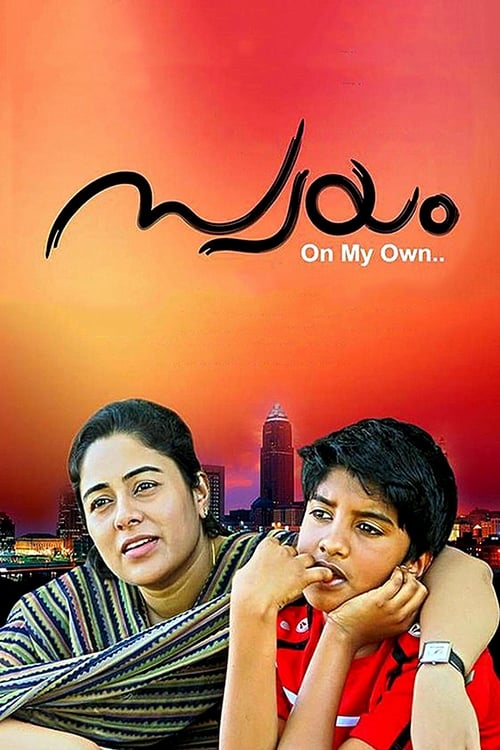
Swayam portrays the life of Meron, an autistic son of a Malayalee couple settled in Germany. His mother, Agnes is compassionate about her son's condition despite the indifference of her husband. When Meron shows interest in football, Agnes puts her weight behind him to pursue that dream.
Encouraged by the stories of guest workers who pay visit to their homeland, a young man Filip finds himself on a central station in Frankfurt on the Main, Germany. While looking for his old friend Mate who would help him to get around in new environment, Filip experiences one trouble after another until he finally finds Mate lethally wounded.
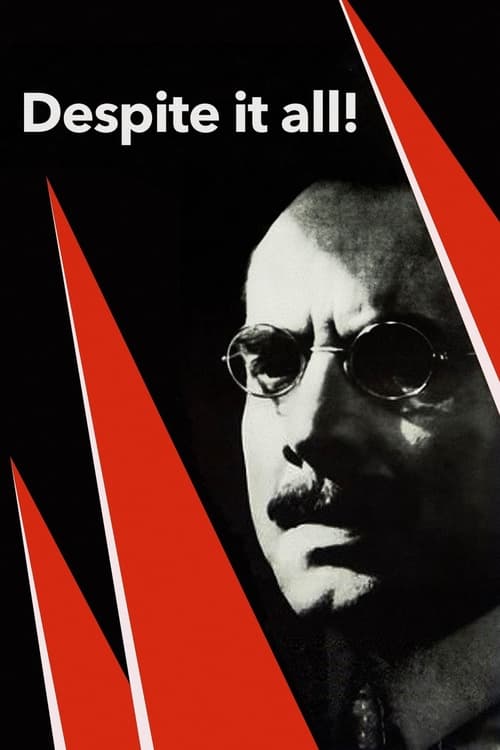
October 1918: Karl Liebknecht is released from prison and Berlin workers celebrate his release. Although WWI is almost over, the German Kaiserreich in vain sends its last reserves to the slaughter. The working class is in a rebellious mood; the uprising of Kiel’s sailors against war and militarism sets off a call for revolution led by Liebknecht. On November 9, Liebknecht declares the Free Socialist Republic of Germany. But pro-Kaiser military and right wing Social Democrats oppose him.