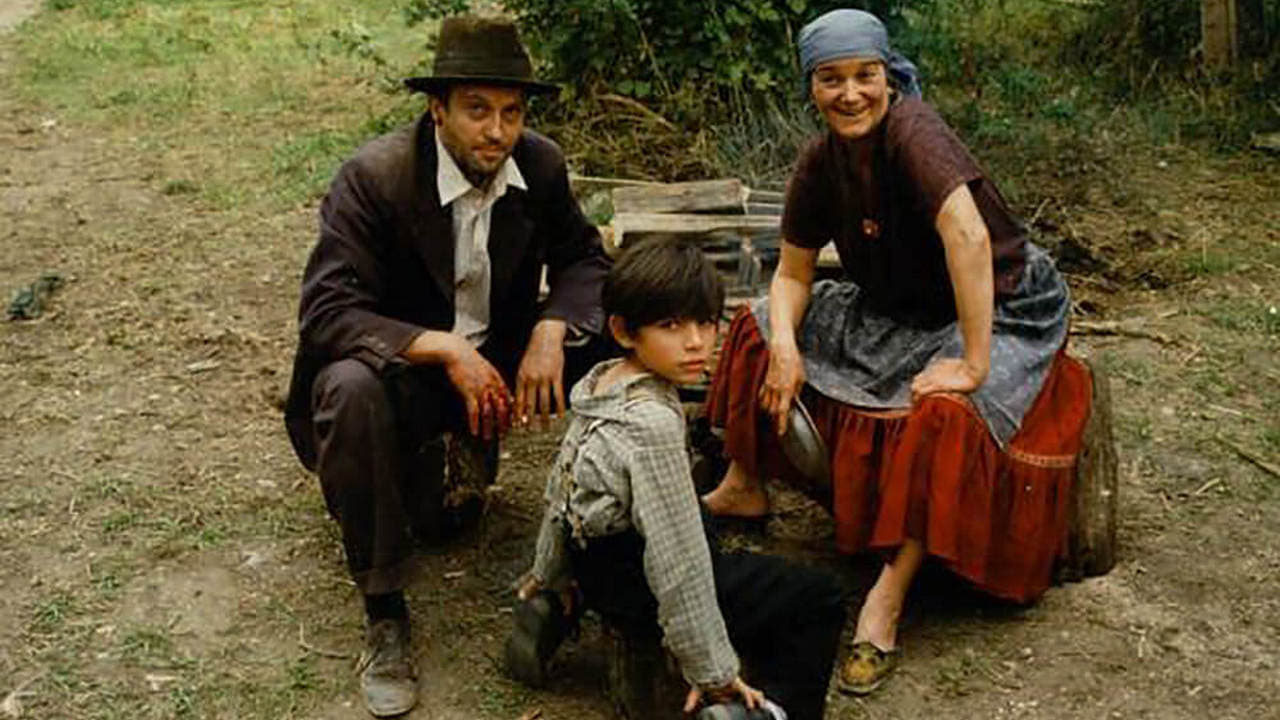
A tragedy looms for a young Gypsy violinist whose half brother is in the throes of first love.
No Trailers found.
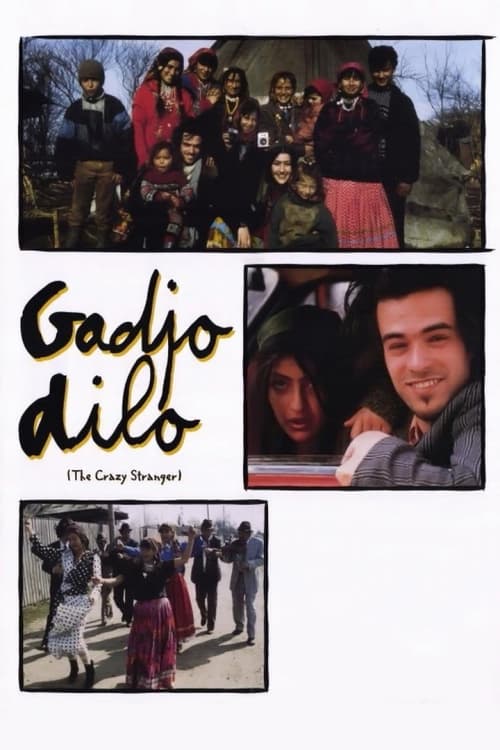
A man is looking for a singer he had heard on cassette. He finds much more.
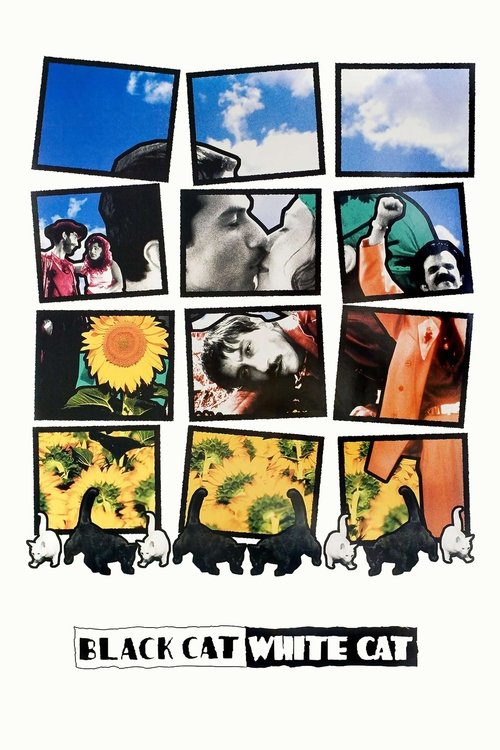
Matko is a small time hustler, living by the Danube with his 17-year-old son Zare. After a failed business deal he owes money to the much more successful gangster Dadan. Dadan has a sister, Afrodita, that he desperately wants to see get married so they strike a deal: Zare is to marry her.
The protagonist, Bora, is a charming but mean-spirited gypsy, while his older wife, Lence, is submissive. Bora is in love with the younger Tisa, who is being offered in marriage by her father. The two get themselves in trouble and eventually have to flee. Tisa rejects her husband and she and Bora get married in the church, and their adventures continue.
Roma Romeo and Juliet: A boy and a girl from rival families fall in love.
Chet Baker silently wanders through an Antonioniesque landscape in a Felliniesque state of wonderment as his improvised trumpet solos alternate between earnestly offering the obvious and mocking the artiness of the whole affair.
RROMANI SOUL traces the true origin of the Rroma people. Through rituals, song and dance we follow emblematic figure and "Queen of the Gypsies" Esma Redzepova to Macedonia, south of France and finally to India. The film reveals for the first time ever that the true and unique origin of the Rroma is Kannauj in Uttar Pradesh, India.
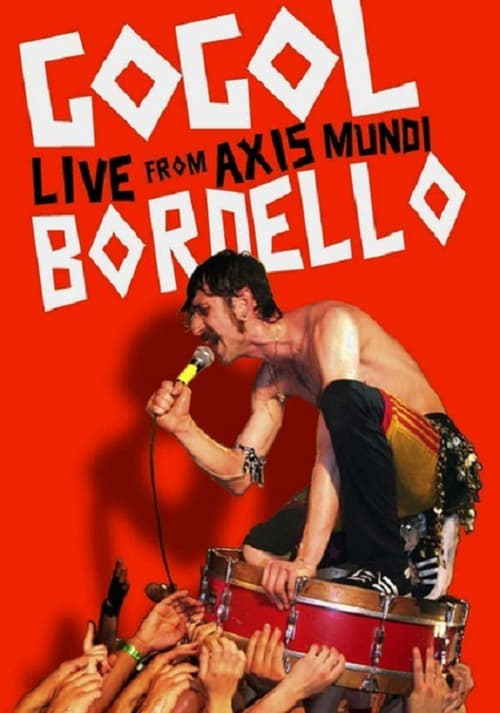
A full 15-track live set recorded over two nights in NYC at Irving Plaza. Setlist: Ultimate, Sally, Not A Crime, Dogs Were Barking, Wonderlust King, Mishto, Forces Of Victory, Tribal Connection, 60 Revolutions, Start Wearing Purple, Think Locally - Fuck Globally, Punk Rock Parranda, Illumination, Baro Foro
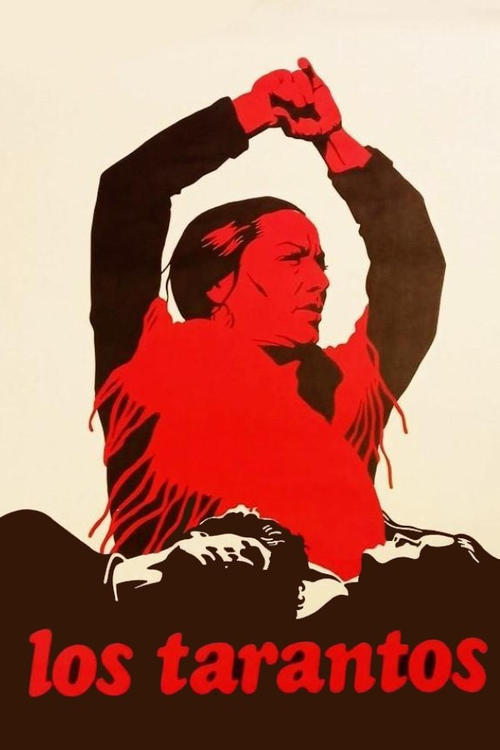
Documentary that recovers the figure of the singer Terremoto de Jerez and his legacy.
In his time of greatest splendor, the singer Miguel 'Bambino' Vargas Jiménez (1940-99) was the last frontier of flamenco, an immense musical genre that he developed and brought closer to large audiences: an artist of artists, the idol of the roadside bars, whose inimitable style, scenic magnetism and heartbreaking personality made of his figure a myth, a king without a kingdom, a giant of the popular music of the 20th century.
Joan Ximénez el Petitet is a Catalan gypsy who pursues a dream. A former musician now —a percussionist, son of Ramón el Huesos who worked with the mythical singer Peret—, and affected by a rare chronic disease, he wants to accomplish the promise he made to his mother before she died: to celebrate a rumba concert on the stage of the Liceu, a great theater in Barcelona, along with a big symphony orchestra.
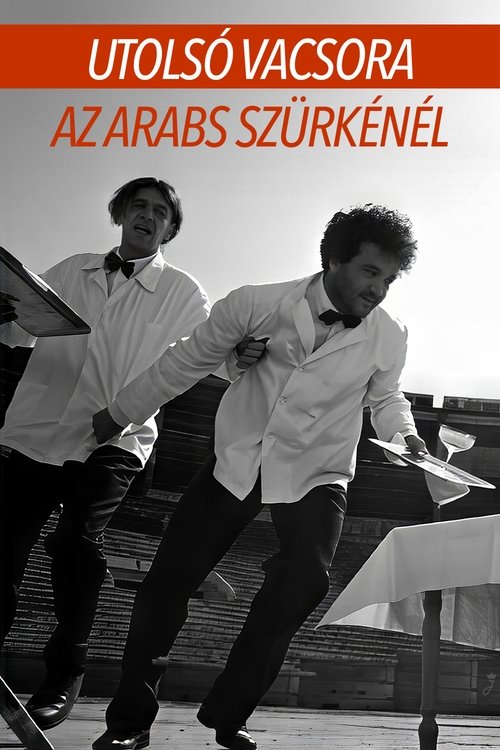
Waiters’ competition at Heroes’ Square in the late thirties. Dressed as waiters, Kapa and Pepe awake in the bronze chariot of the millennial sculpture group. They drive along the Danube promenade, and on the concrete reinforcement of the demolished Budapest rondella hotel they get involved in a showdown of political background. In the burnt-down Sports Hall the waiters train for a last supper, Pepe and Kapa run around the big laid table with trays in their hands. While doing so, Pepe keeps crying out: "I am the best one, I am the most beautiful one, I am the king, I am the god..." Sitting in a boat on the Danube, a ship goes past them, and the Niagara falls, majestic and breathtaking, resound in their ears. On each passing away something new will come to life – as rapped by Sub Bass Monster.
An adrift man must fall into the depths of drug abuse to resurrect his past lover, oblivious to the catastrophic consequences.
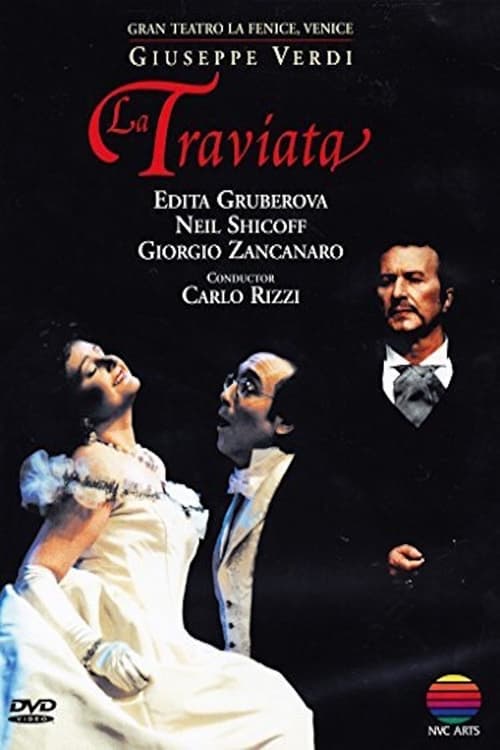
This set has Edita Gruberova singing in top form, all her scooping cast aside, which one finds in abundance in her Lucia under Richard Bonynge. Here, however, she makes ravishing use of those bits of tone that only she can produce: those instances of coloratura and dramatic legato with little asides and small florishes of style that suggest her intelligent approach and her high degree of musical involvement in this role. She does this in her I Puritani and her Anna Bolena, less so in Roberto Deveraux and Maria Stuarda(both sets). Listen to Addio del passato and the Sempre Libra...ravishing, yes, but there are again those nuances learned from Callas that she makes her own. A very singualr perform,ance, and extremely moving with its detail and cry for pity throughout..from the start even. Neil Schicoff is excellent, not an unworthy Alfredo at all! His is a great lyric tenor voice that should have been in the top line.
Adult Halgato
Iza
Siligoj
Pišta
Jusika
Tereza
Scabby Fico
Durgola Neni
Fat Babič
Bumbas
Young Halgato
Old miller