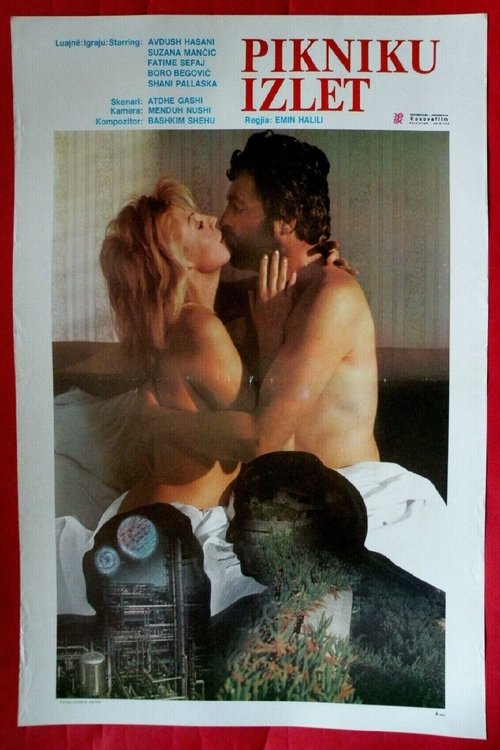
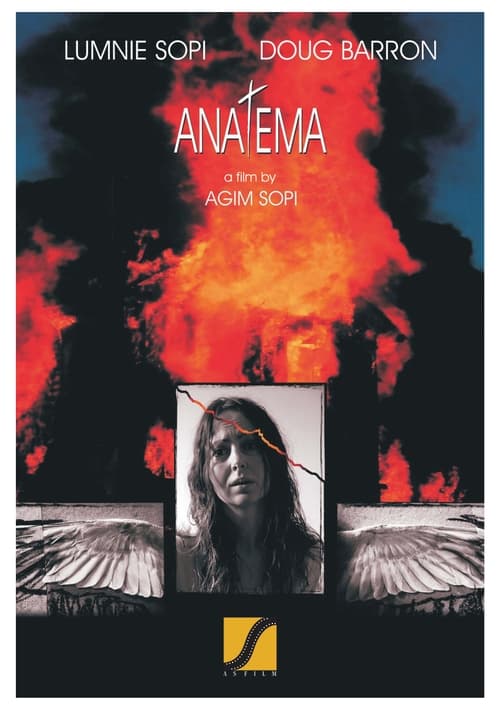
An Albanian language comedy/family film.
No Trailers found.
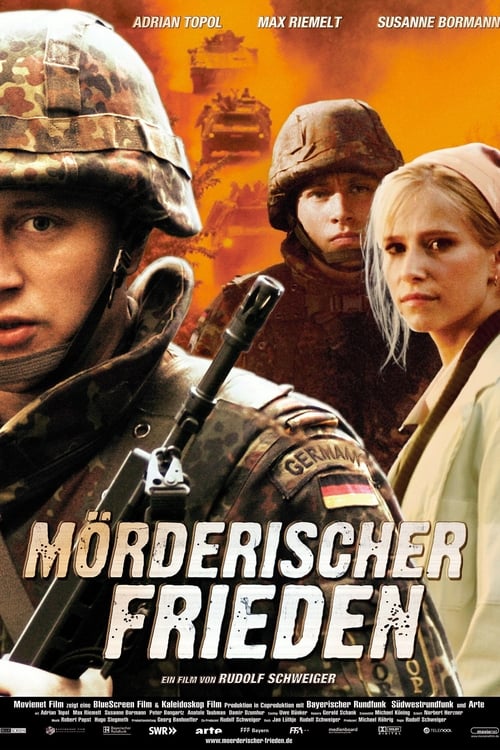
Young Bundeswehr soldiers Tom and Charly are stationed in Kosovo with the KFOR peacekeeping force. Their mission is to secure peace. Although the brutal war between the enemy Serbs and Albanians is officially over, the hatred between people continues to smoulder. When Tom and Charly rescue the young Serbian Mirjana from the fatal shot of the young sniper Durcan, they get caught between all fronts. They lose their professional distance due to the resulting closeness to Mirjana - who has to learn that her father was a war criminal - but also to Durcan - whose entire family was wiped out. Soon they are entangled in a conflict about guilt, manipulation, love and revenge...
No overview available.
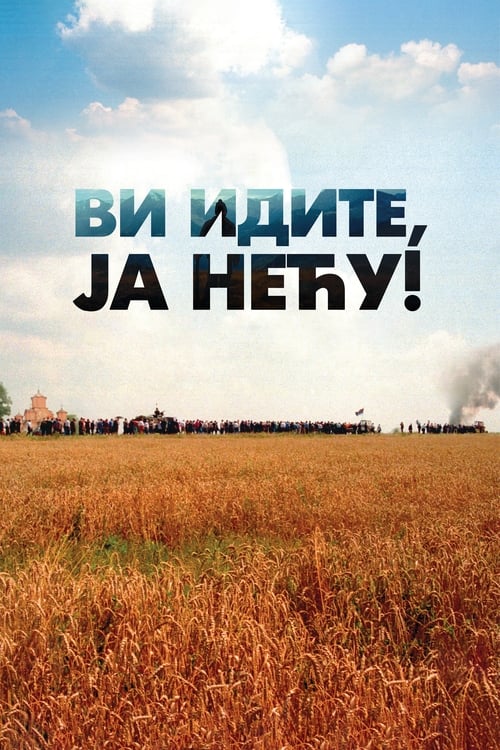
Story about the suffering of the Serbian people on Kosovo and Metohija based on Metropolitan Amfilohio's book "The Chronicle of the New Kosovo Crucifixion".
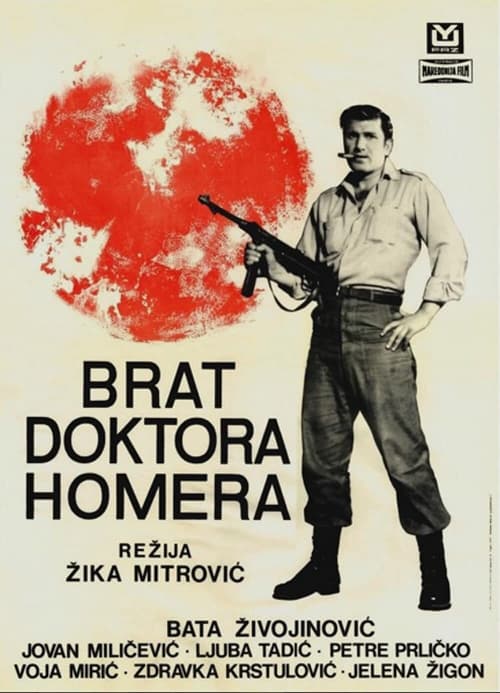
This film predominantly deals with the problems of a young man whom his delusions led into conflict with society. These issues will throw him into an adventure that would be tragic for him, but still helpful for him to see the truth. The story takes place in Kosovo in 1945, in an atmosphere of uncured wounds, wandering, betrayal, burned homes, typhoid and other postwar misery. An authentic story from those days was taken as the film's basis.
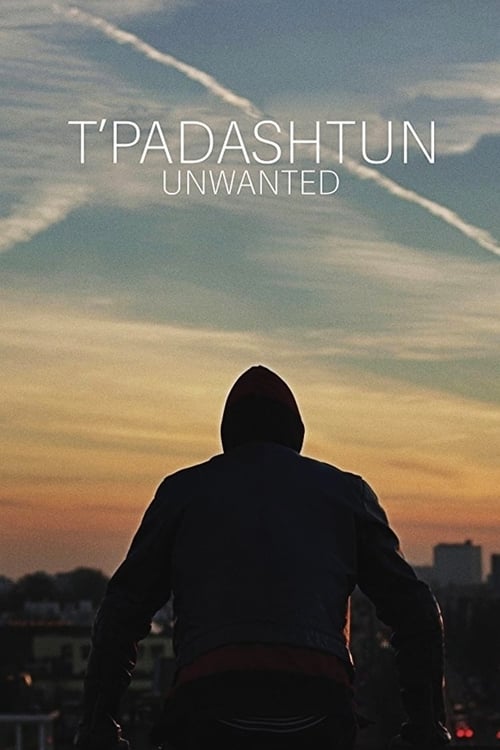
A lonely boy, who lives in Amsterdam with his refugee mother from Kosovo, keeps getting into trouble while yearning for her acceptance. But the traumas caused by the war, which his mother hides away from him, turn his world upside down.
Gorani people live in Gora, in the south of Kosovo. They are Muslims who speak a Slavic language. Throughout the years they were always used for political games of power between the surrounding nations (Serbs, Macedonians, Bulgarians, Albanians, Bosnians...). This is the first film that deals with the way these people are, not who they are or who they belong to. The film observes their everyday life, diverse culture, rich herds of cows, sheep and shepherd dogs. They work, talk, dance, play music, discuss, preach, pray, walk and sing as the mountains above remind them how ephemeral their existence is.
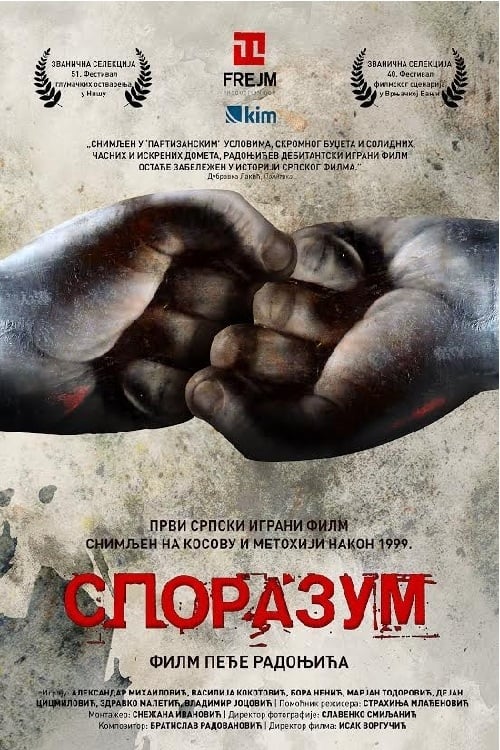
First Serbian film shot in Kosovo after its separation, exploring the relations between Serbs and Albanians is inspired by true events and depicted through the fate of two tragic heroes and their families. The film was created from the personal experience of producer and screenwriter Predrag Raonić, observing the reality of journalistic work.
In a mining plant in Kosovo, as occurs in many work organizations across the country, workers continue to win new positions in the self-management. The former miner and fighter - now general manager of the factory - is on the side of the workers, but has troubles in personal life.
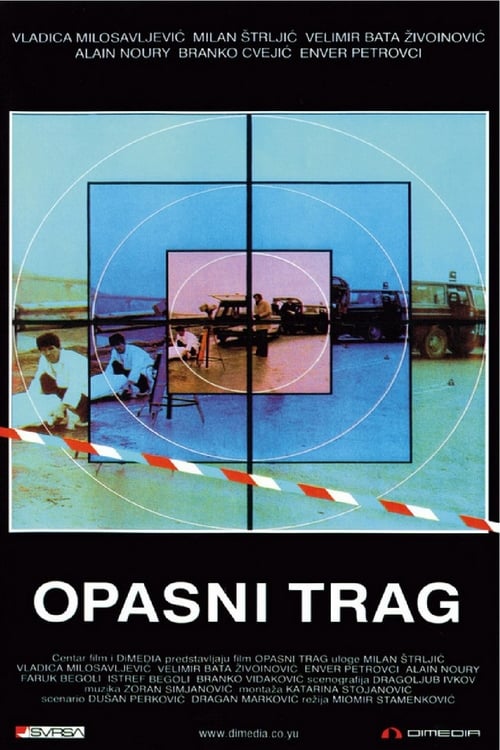
A small group of extreme Albanian nationalists are hunted by Yugoslav security services.
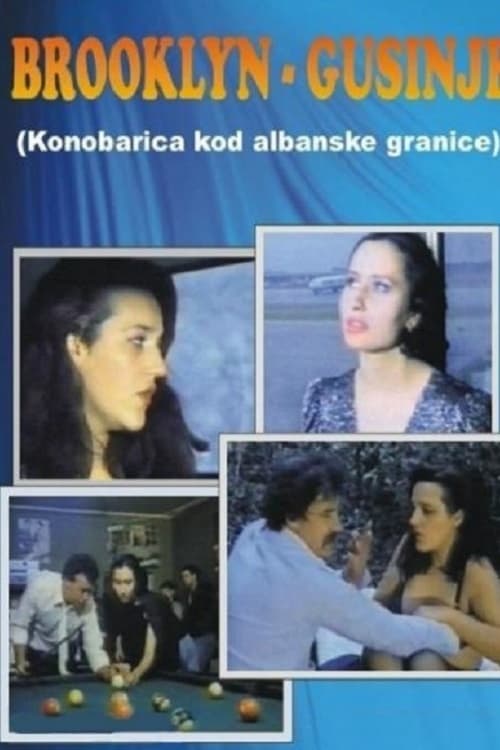
Young seamstress Ivana leaves work in the tailor shops in Novi Pazar and accepts an offer to be a waitress in a private cafe in Gusinje, Montenegrin town on the Yugoslav-Albanian border. She meets a waitress with whom she becomes fast friends. Brothers Skeljzen and Becir come to Gusinje from New York for the holidays and meet with the waitresses, starting a love affair. Young men promise the girls marriage and going to America.
After the disappearance of a young actress, a director is left alone with memories, guilt, and the silence she left behind. In an attempt to understand what happened, he confronts himself, the past, and an unknown figure who seems to have always been there. Chronicles of Sonatine or: Shadows of the Broken Memories is a story built on half-truths and the people who get lost within them. Can you restore a memory… without distorting it?
The extraordinary story of Swiss rapper Besijan Kacorraj, whose biggest problem is not having a Swiss passport. Besijan is deported to Kosovo after several armed robberies, although he has grown up in Zurich since the age of one.
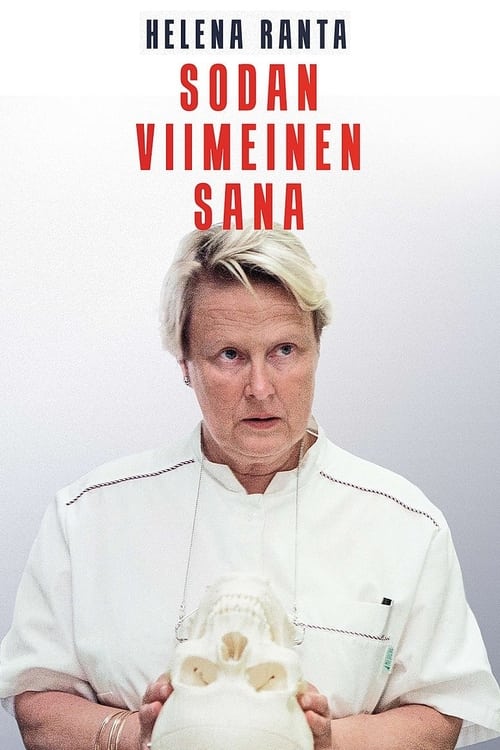
In the Kosovo War, human dignity was shattered by the terrors of the Serbian government and the Albanian liberation army. Truths about the victims’ fates faded away, which is why a Finnish forensic research group led by Helena Ranta got a mission to act as an unbiased agent and investigate the real course of events.
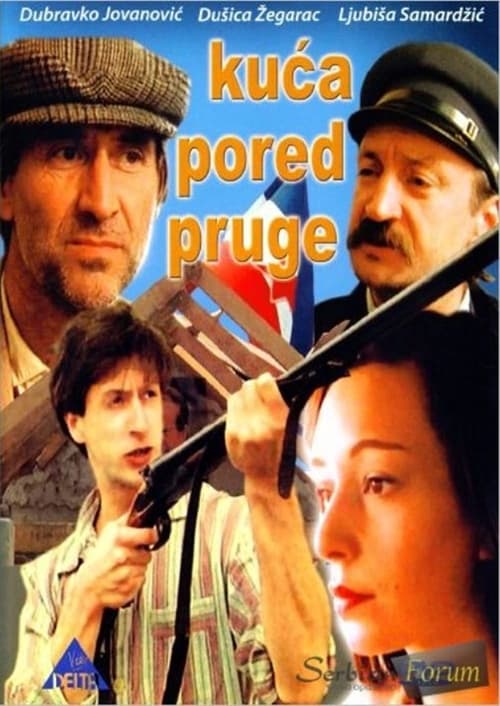
A Serbian family leaves the troubled Kosovo region after Albanians rape the daughter in front of her mother. When they leave their home after the assault, their family tombs are desecrated, and the move to northern Serbia is marked by rejection by the local people of their new community.
In NATO-occupied Kosovo, a little girl writes an essay for the United Nations about her father who has gone missing. Meanwhile, the girl's grandfather becomes increasingly paranoid of the unseen threats that lurk in the dark.
Drin finds himself unchanged, aside from his experience, at the end of his existential crisis.
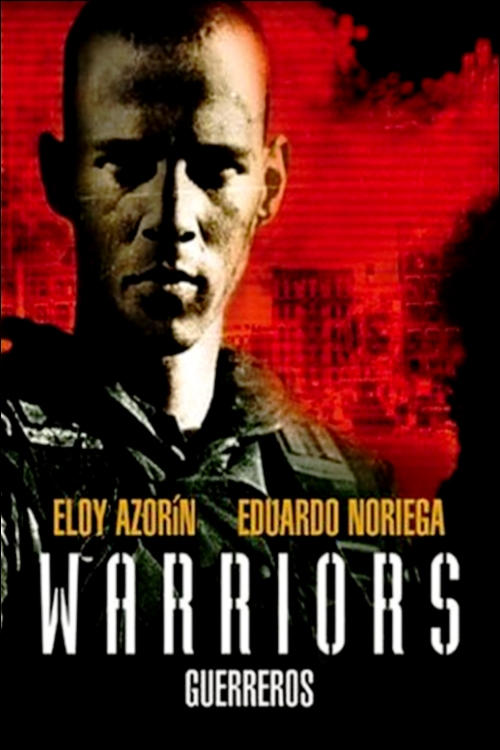
Kosovo, winter 1999. KFOR forces perform their humanitarian task while trying to maintain a difficult neutrality between Kosovo Albanians and Serbs. A platoon of Spanish Army engineers becomes unwittingly caught up in the spiral of violence between the two sides.
A woman who is raped and gives birth to a child in war torn Kosovo, struggles to keep her child.
In 1389, the Serbian prince Lazar Hrebeljanović refused to submit to the Turkish Sultan Murat, who was invading Serbia with a large army, in order to continue conquering Europe through it.
Images and reality intermingle in this account of the writer's own experiences under totalitarian regime.