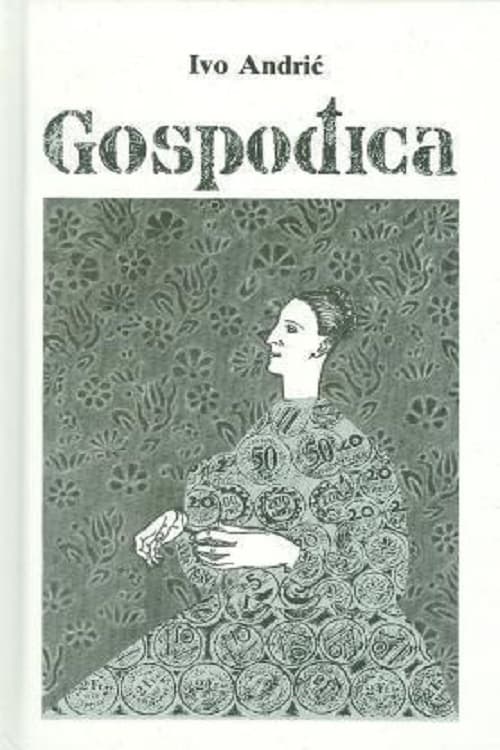
The adaptation of a lesser known novel by Nobelist Ivo Andric, which describes the life of a spinster who was overwhelmed by a single passion: avarice.
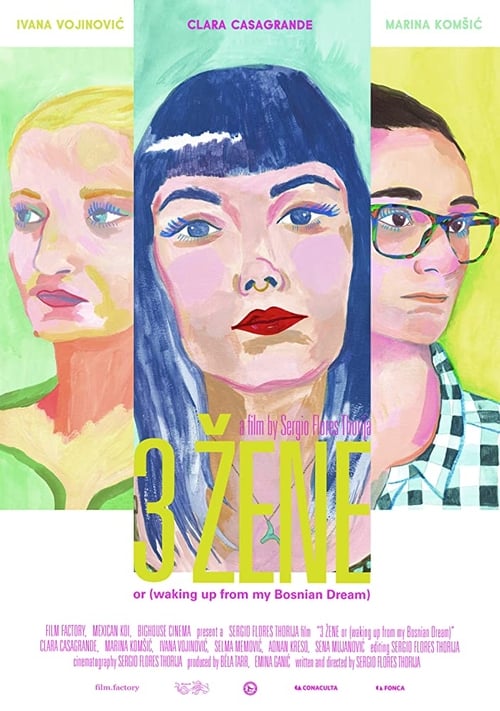
Ivana, Clara and Marina are three women from different backgrounds living at the same time in Sarajevo. Ivana dreams about moving to the USA, Clara works during the night to save money for her studies and Marina is in love with her best friend who is moving to a different country. Each one fights to achieve her own goals, but most of the time society doesn´t accept what's not in accordance with its norms.
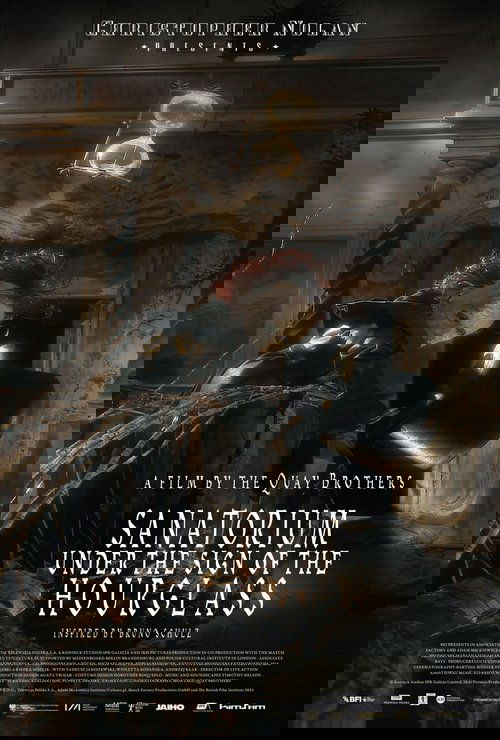
Jozef embarks on a journey via a ghostly train to visit his dying father in a remote Galician sanatorium. Upon arrival, he discovers that the sanatorium exists in a realm where time is distorted—his father's death has not yet occurred, as time here lags behind the outside world by an undefined interval. Jozef's experiences become increasingly fragmented and dreamlike as he confronts various manifestations of his father, each representing different aspects of their relationship and his own psyche.
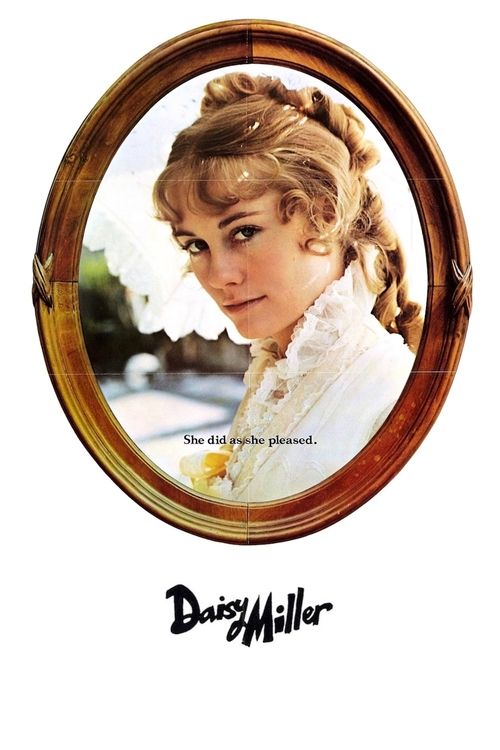
Despite mixed emotions, Frederick Winterbourne tries to figure out the bright and bubbly Daisy Miller, only to be helped and hindered by false judgments from their fellow friends.
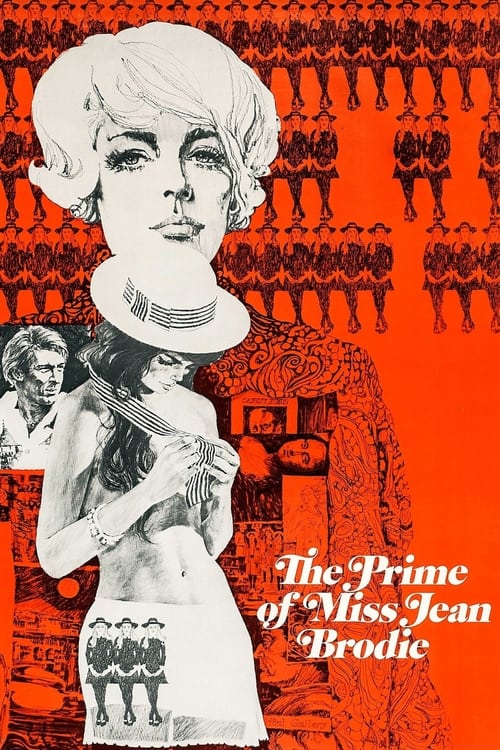
A headstrong young teacher in a private school in 1930s Edinburgh ignores the curriculum and influences her impressionable 12-year-old charges with her over-romanticized worldview.
Hak-ming heads the Ko Family, but he and his brothers, Hak-ting and Hak-on, and the second wife of the late Master Ko quarrel. Young Cousin Mui, who has tuberculosis, is forced by to marry an older woman. Kok-sun is guilty of being unable to stop the marriage. Sun and maid Chui-wan are wary of their feelings for each other due to class difference. Cousin Mui dies of illness. Hak-ting has his eyes on Wan. His wife, Wong, complains to their daughter, Shuk-ching, who cannot take it and commits suicide. Wong blames herself for her death. Undergone these tragedies, Cousin Kam's mother let Kam have a modern wedding with Kok-man. When Ming is ill, Ting and On want to sell the ancestral home. Hak-ming dies of angst. When the fifth uncle of Sun forces Wan to be his concubine, Wan tries to kill herself but is intercepted by Sun. Pressurised by people of the house over the issue of inheritance, Sun protests by declaring his love for Wan and leaves the family, with his mother, brother Man and Wan.
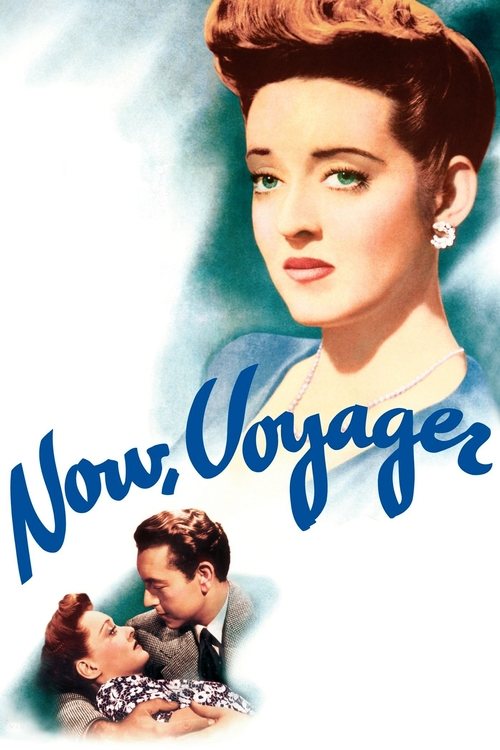
A woman suffers a nervous breakdown and an oppressive mother before being freed by the love of a man she meets on a cruise.
Trials and tribulations of a Jewish family from Sarajevo during turbulent times between 1914 and 1945. Based on TV series of the same title.
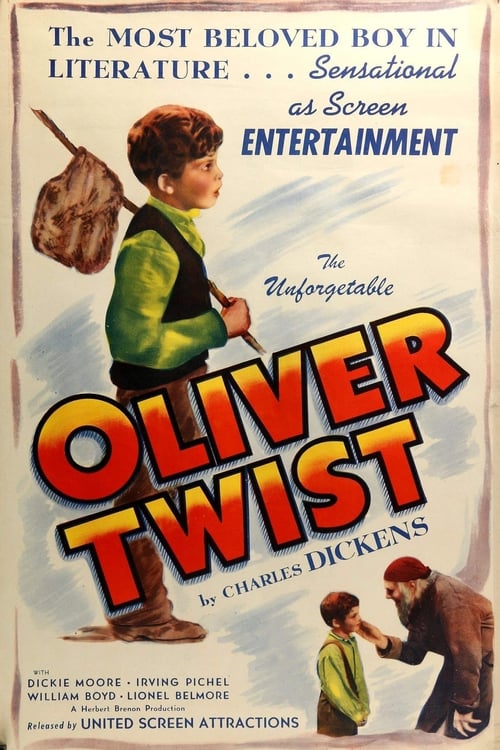
When 9-year-old orphan Oliver Twist dares to ask his cruel taskmaster, Mr. Bumble, for a second serving of gruel, he's hired out as an apprentice. Escaping that dismal fate, young Oliver falls in with the street urchin known as the Artful Dodger and his criminal mentor, Fagin. When kindly Mr. Brownlow takes Oliver in, Fagin's evil henchman Bill Sikes plots to kidnap the boy.
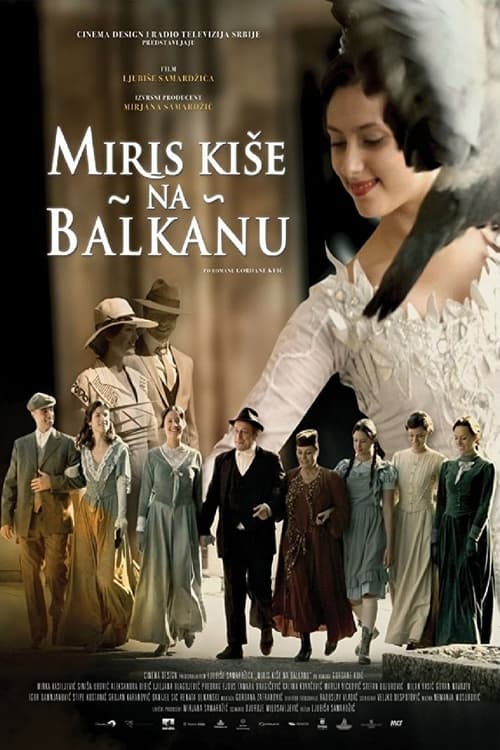
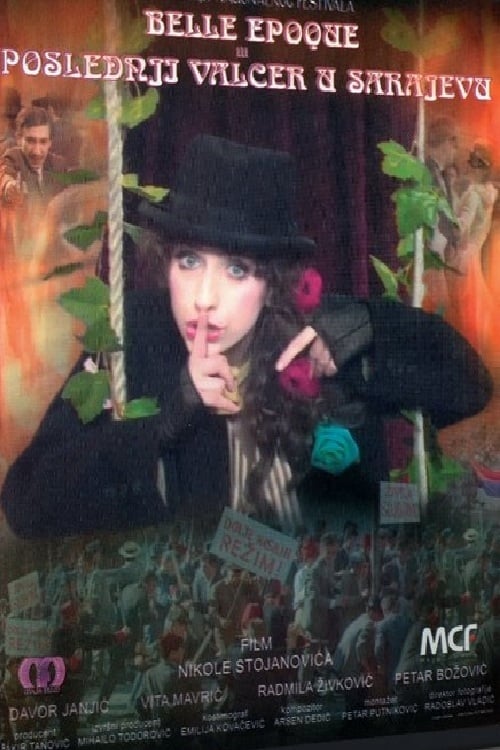
The last film made in Yugoslavia, tells a story about Sarajevo during the last days of Europe, better known as the "Belle Epoque", between the years 1910-1914. A time of troubled events in the Balkans and an assassination attempt of Franz Ferdinand, which caused the beginning of the First World War.
Ko Suk-ying is saddened over her arranged marriage as manipulated by her father Hak-ming. Ko Kok-sun's Cousin Chow Wai's spends the Mid-Autumn Festival before her marriage with the Kos. She has been in love with Sun. Sun finds out about her love for him when she is about to be married off, he is too weak to oppose to Wai's betrothal to another man. Sun's son, Hoi-sun, falls ill. Fearing the displeasure of his elders, Sun dares not consult a western doctor. Meanwhile, another dispute arises among members of the family over the ancestral land. When accused of being incompetent in his management, Sun takes the blame silently. Wai dies of grief while Hoi-sun becomes a victim of mistreatment. Sun is devastated at this double blow. Hak-ming instructs Sun to arrange for Ying's wedding. Knowing the kind of man Ying's fiancee is, Sun is reluctant. Not wanting to follow in Wai's footsteps, Ying fights for her own rights, and backed by an enlightened Sun, she leaves for a new start.
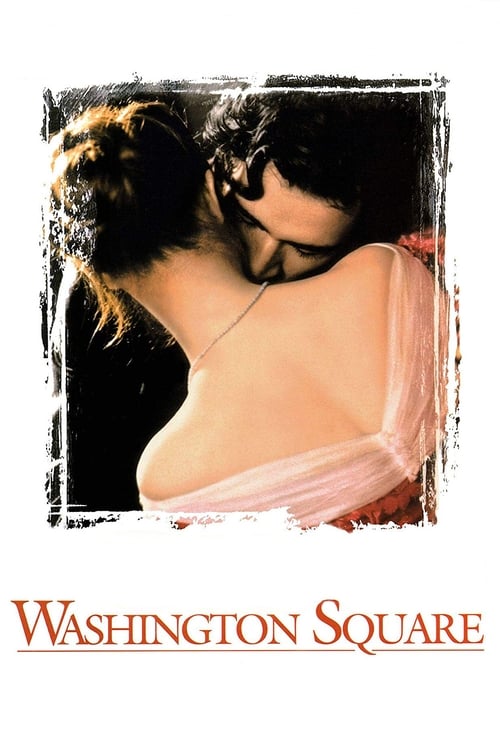
In 1870s New York, spinster heiress Catherine Sloper is courted by the much younger, penniless Morris Townsend, much to the chagrin of her overprotective father. Catherine must decide whether to spend the rest of her life alone, or marry a man interested in her solely for her inheritence.
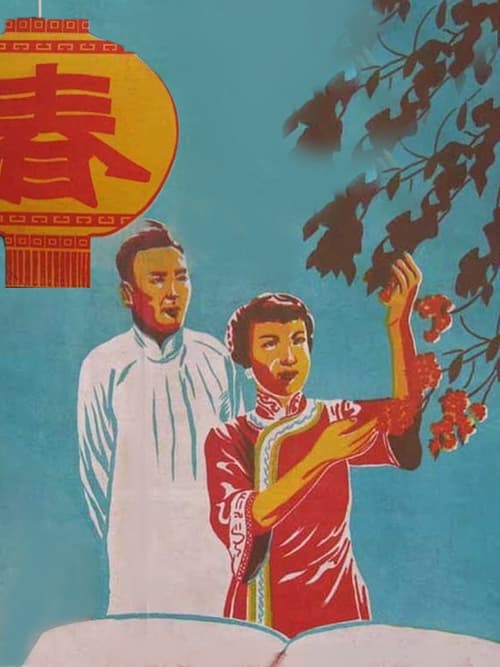
"Family" (1953), which launched the Union Film legacy, "Spring" (1953) and "Autumn" (1954) are adaptations of Ba Jin's highly regarded novel "Torrent Trilogy". In "Family", director Ng Wui skilfully condenses the voluminous first part of the novel into an emotionally powerful and intellectually focused story of youngsters struggling to survive oppression and repression in a feudalistic family. This well-received film quickly established the company's reputation.
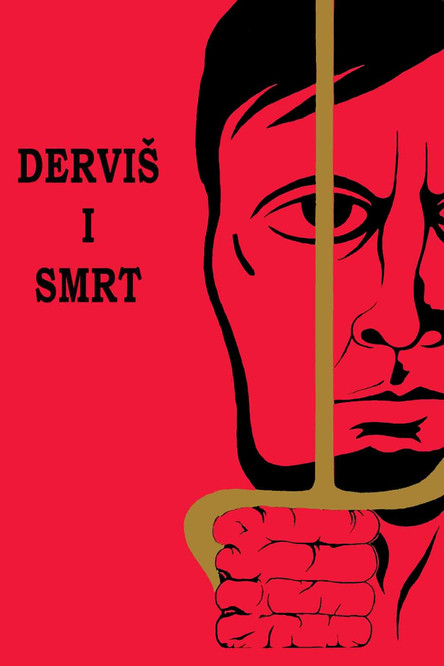
Ahmet Nurudin is a dervish and head of the Islamic monastery of the Mevlevi order in Sarajevo. He is a personification of morale and dogmatic belief, everything that Muslim religion of the Ottoman rule rests on. Throughout his life, the atmosphere of the city, the relations with the judge and the mechanism of government, the image of Ottoman Empire at the beginning of the nineteenth century is being revealed. Based on a highly praised novel by Meša Selimović.
A touching drama based on the novel of the same name by Eikichi Hashimoto. In the 23rd year of the Meiji period, weather forecasts were rarely correct, and people endlessly suffered from typhoons and natural disasters. Nonaka Itaru, a private meteorologist, settled on Mount Fuji during the harsh winter, where it was thought impossible to overwinter, and opens up the future of high-altitude weather observations in Japan.
In 1862, Abraham Lincoln's youngest son is laid to rest. That night, Lincoln visits his son's crypt, a chorus of ghosts narrating their brief reunion. Based on the bestselling novel by acclaimed author George Saunders.
A mild-mannered English conscientious objector moves to what he feels will be the relative calm of Australia after World War I, but gets caught in the middle of violent battles between the rising trade unions and fascist groups.
A repressed poetess and an embittered war hero help each other cope with their problems.
Teresa is a spirited young girl chafing under the oppressive attitudes of 1930s society, and her father in particular. She fancies her poverty-stricken Latin tutor Johnathan Crow, without realising he merely considers her a pleasant diversion and nothing more, and eventually follows him from Sydney to London. En route she meets the gentle banker James Quick. Whilst navigating her relationships in London, including with a political poet bound for the Spanish Civil War, she experiences a transformation in her understanding of love. Based upon Christina Stead's best-selling Australian novel.
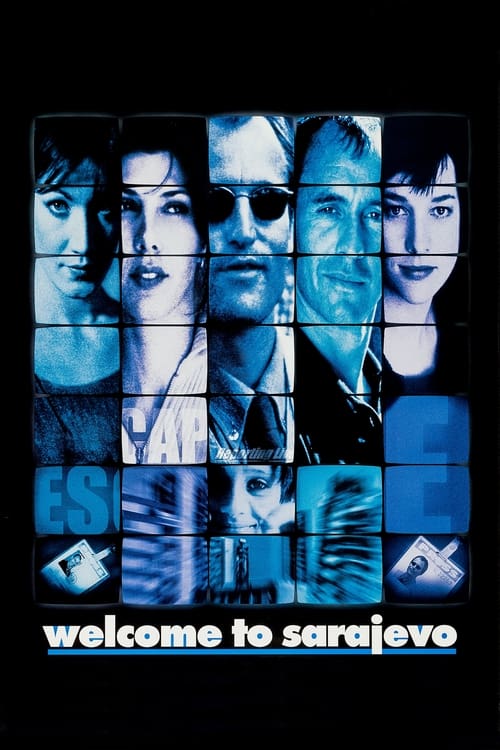
Follow a group of international journalists into the heart of the once cosmopolitan city of Sarajevo—now a danger zone of sniper and mortar attacks where residents still live. While reporting on an American aid worker who’s trying to get children out of the country, a British correspondent decides to take an orphaned girl home to London.
A writer leaves his upper-class life and journeys with a woman claiming to be his sister, and her two friends.
Rajka Radaković
Vlado Ratko
Rafo Konforti
Jovanka
Majka
Otac
No Trailers found.