Routine Pleasures, Slow Cinema.
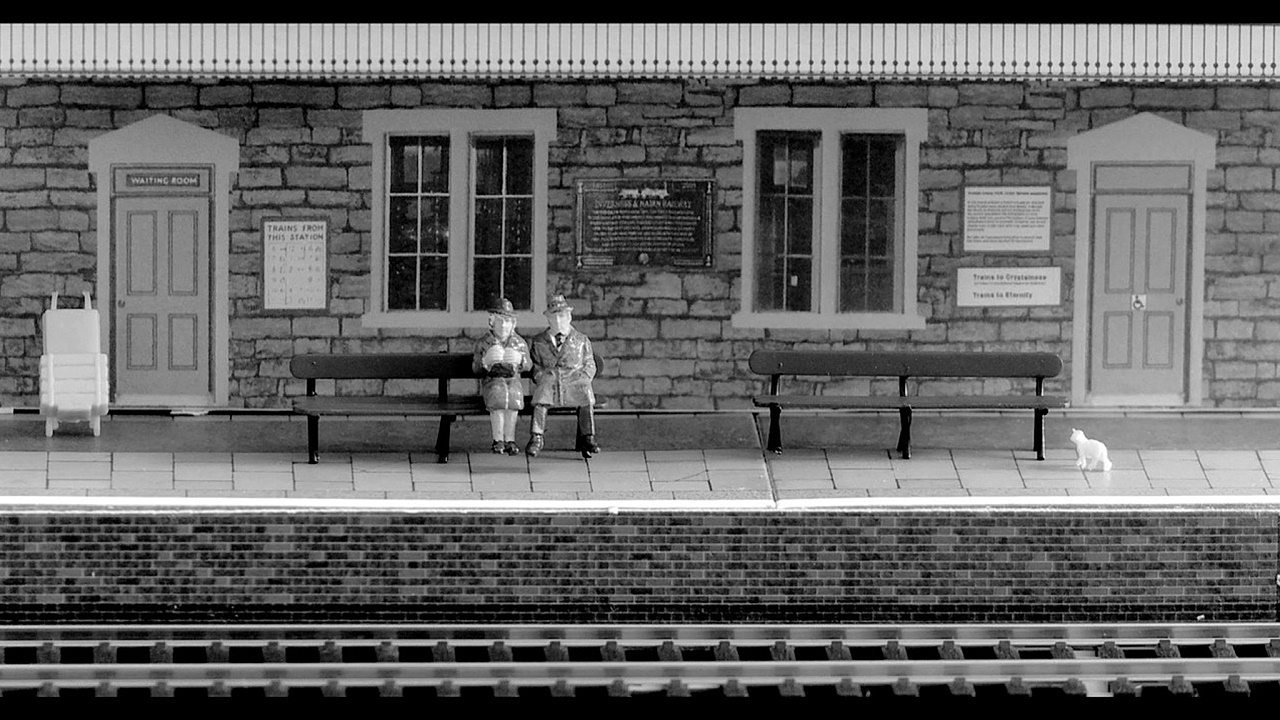
Himself
Herself
No Trailers found.
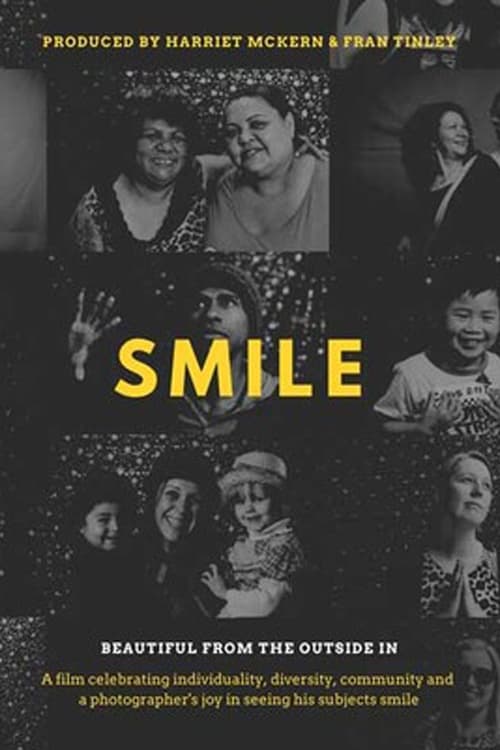
A heartwarming exploration of a community art project by photographer Tawfik Elgazzar providing free portraits for locals and passers-by in Sydney, Australia's Inner West. The film explores the nature of individuality, cultural diversity and the positive joy for the photographer of seeing his subjects smile.
The last representatives of Mixteco culture inhabit a village in the Sierra Madre. Deprived of their identity by modern civilization, they are facing an even bigger threat: a landslide that may destroy the village during the next torrential rains. The mayor tries to prevent the disaster. He wants to invite a geologist, so that the approaching danger can be officially confirmed. But no help is coming and the inhabitants must simply wait for the disaster.
This black-and-white archival film outlines the importance of Canada's forests in the national war effort during the Second World War.
A day in the city of Berlin, which experienced an industrial boom in the 1920s, and still provides an insight into the living and working conditions at that time. Germany had just recovered a little from the worst consequences of the First World War, the great economic crisis was still a few years away and Hitler was not yet an issue at the time.
No overview available.
A cinematic portrait of the homeless population who live permanently in the underground tunnels of New York City.
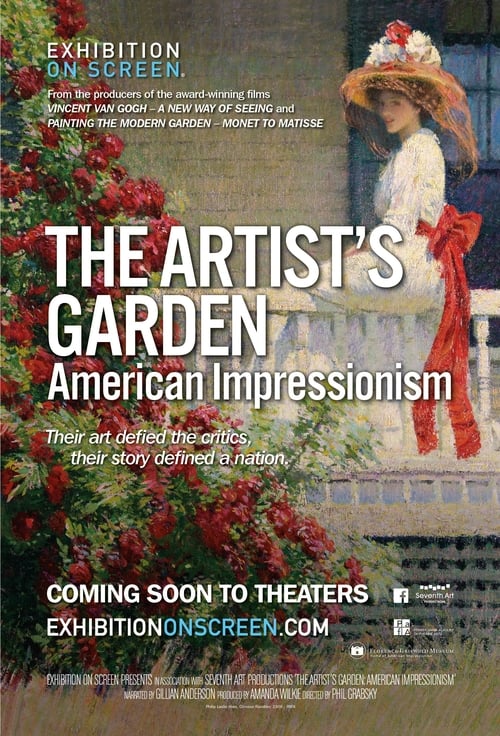
Taking its lead from French artists like Renoir and Monet, the American impressionist movement followed its own path which over a forty-year period reveals as much about America as a nation as it does about its art as a creative power-house. It’s a story closely tied to a love of gardens and a desire to preserve nature in a rapidly urbanizing nation. Travelling to studios, gardens and iconic locations throughout the United States, UK and France, this mesmerising film is a feast for the eyes. The Artist’s Garden: American Impressionism features the sell-out exhibition The Artist’s Garden: American Impressionism and the Garden Movement, 1887–1920 that began at the Pennsylvania Academy of the Fine Arts and ended at the Florence Griswold Museum, Old Lyme, Connecticut.
Investigation by the Museum of Walloon Life showing the different stages of the manufacture of rifle barrels using the so-called "Damascus" process, in Nessonvaux in 1925 and 1931
Dialogue-free short detailing the daily tasks of a man and his wife.
A documentary directed by Hori Teiichi who was a production assistant on the 1994 documentary Otentousama ga Hoshii and has worked in a wide variety of genres from pink films to ordinary theatrical releases. The lifestyle and scenery of Osawa, a village situated 740 meters up on the mountainous slopes of Hamamatsu city's northern region in Shizuoka Prefecture, are the focus of this first installment to the "Tenryu-ku" series. It straightforwardly captures the tea harvest in late May and the tea processing conducted in a factory while showcasing mist shrouded tea fields drummed by rain as well as the beauty of the glistening green of the tea leaf shoots.
Edeltraut Hertel - a midwife caught between two worlds. She has been working as a midwife in a small village near Chemnitz for almost 20 years, supporting expectant mothers before, during and after the birth of their offspring. However, working as a midwife brings with it social problems such as a decline in birth rates and migration from the provinces. Competition for babies between birthing centers has become fierce, particularly in financial terms. Obstetrics in Tanzania, Africa, Edeltraud's second place of work, is completely different. Here, the midwife not only delivers babies, she also trains successors, carries out educational and development work and struggles with the country's cultural and social problems.
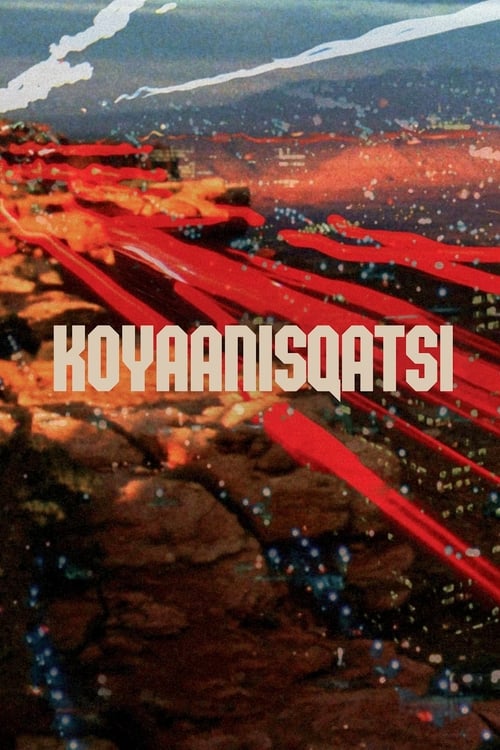
Takes us to locations all around the US and shows us the heavy toll that modern technology is having on humans and the earth. The visual tone poem contains neither dialogue nor a vocalized narration: its tone is set by the juxtaposition of images and the exceptional music by Philip Glass.
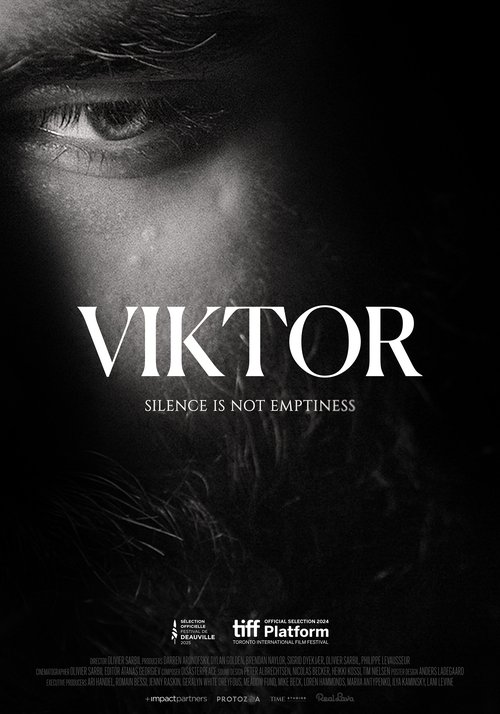
Viktor, who was born deaf, worships the figure of the samurai warrior. When bombs start falling on his countryside home in Kharkiv, his quasi-romantic obsession with war is put to the test.
Four unrelated moments following a young cat wandering the living room of her house.
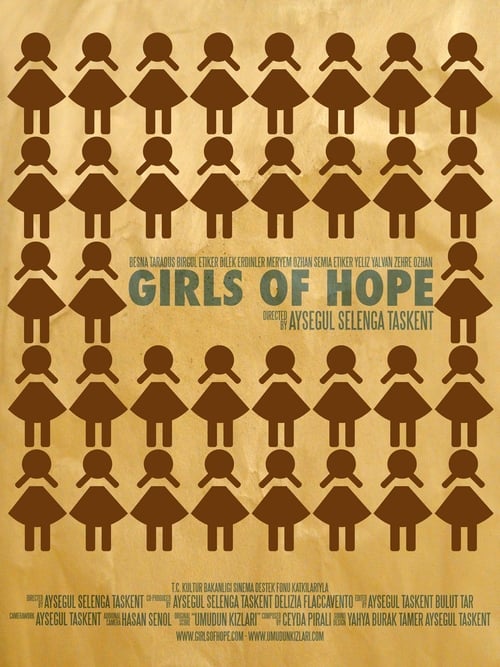
In Turkey far too many women are still unable to read and write, and all they see in their life span is being forced into early marriage and relegation to the home, where they look after extended families and more children than they can feed. The girls are portrayed in their homes, together with the strongest supporters of their emancipation through education: their mothers. Girls of Hope portrays five girls who struggle for their education and, despite all the difficulties, try to hold on to their hope for a better future.
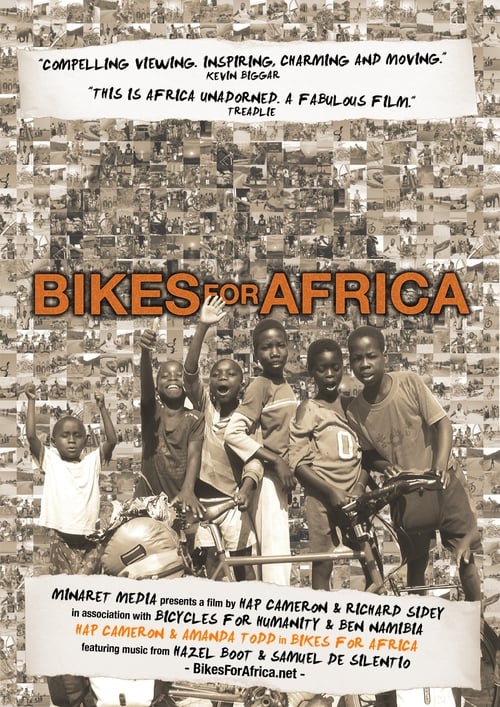
Bikes for Africa is an entertaining, insightful and moving documentary following the life adventures of Hap Cameron and Mandy Todd, and their attempt to help implement a self sustainable bike workshop in rural Namibia with a container load secondhand donated bikes from Melbourne. The film investigates how a bicycle can fundamentally change the lives of rural Africans, and brings to focus the great works of two-wheeled charities Bicycles for Humanity and the Bicycling Empowerment Network Namibia.
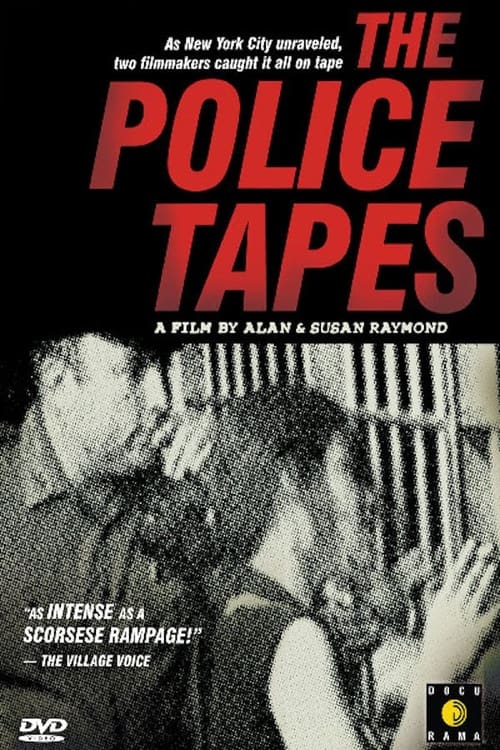
Filmmakers Alan and Susan Raymond spent three months in 1976 riding along with patrol officers in the 44th Precinct of the South Bronx, which had the highest crime rate in New York City at that time.
Charles Dekeukeleire, then a questioning Catholic, was spurred into making this documentary on a pilgrimage with the Catholic Young Workers’ Movement. The director’s approach is one of critical reflection; A film emotional and fervent, even acerbic.
Documentary about filmmaker Jean Grémillon.