No Cast found.
No Trailers found.
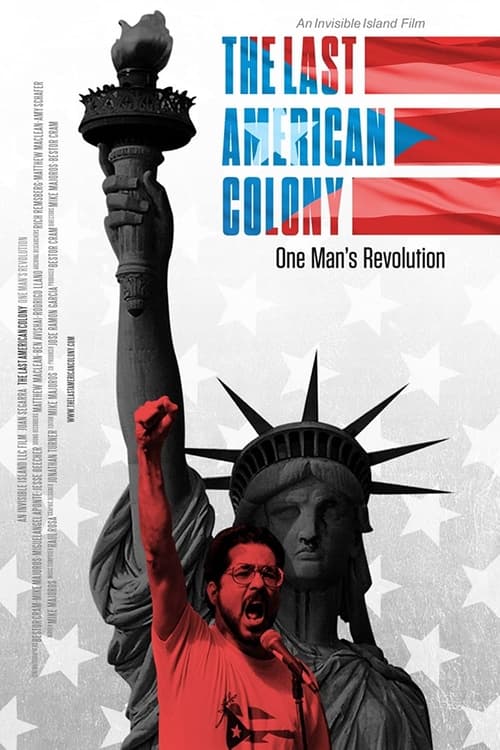
Puerto Rico, the last relic of colonization in the western hemisphere, has been a dependent territory of the USA since 1917. Los Macheteros and one of its leaders Juan Segarra have been fighting for its full independence for many decades.
Explore the Forts of Old San Juan, Puerto Rico, including San Juan National Historic Site. Discover the uncommonly beautiful shores of San Juan and see spanish military architecture at its finest, including Forts San Cristóbal, San Felipe del Morro and San Juan de la Cruz, as well as the walls of Old San Juan. These are the largest and oldest Spanish fortifications in the New World.
A night in the life of a cab driver in San Juan, Puerto Rico.
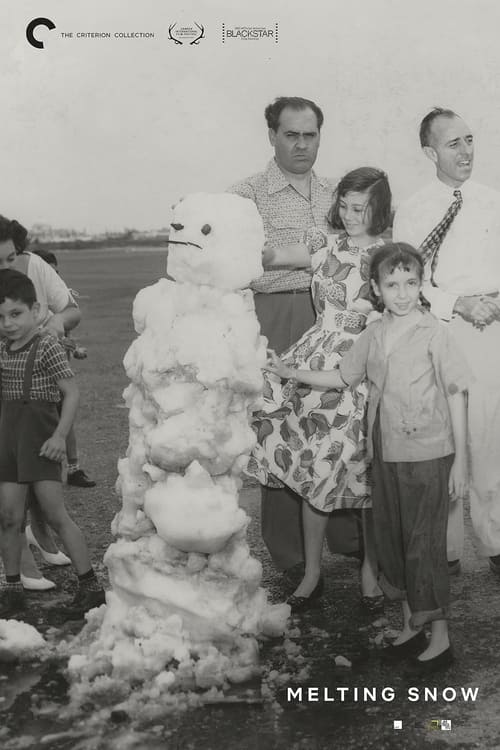
Two tons of snow—flown from New Hampshire to Puerto Rico in 1952 in order to “gift” Puerto Ricans a “white Christmas”—become a metaphor for the colonialist paternalism of America’s relationship to Puerto Rico.
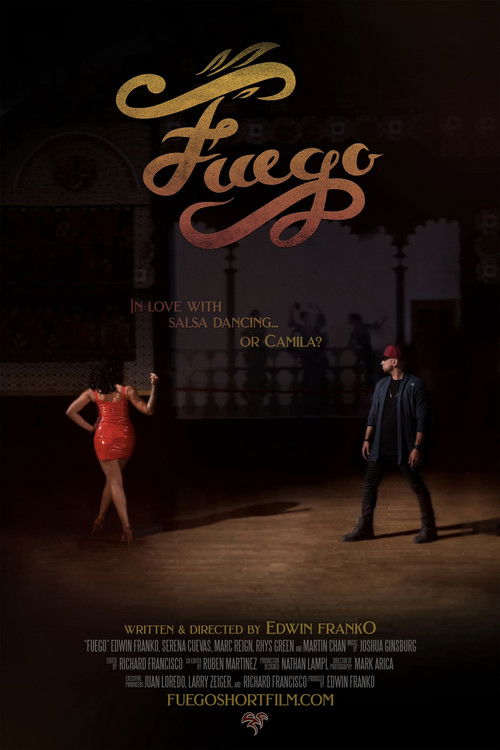
Set on New Year’s Eve, FUEGO follows Gio, a guarded bartender who recounts the story of how a salsa class—and a lie from his brother—sparked an unexpected journey. Through the backdrop of family tension and romantic possibility, Gio must ask himself what it truly means to carry on his father’s passion, and whether he’s brave enough to chase his own.
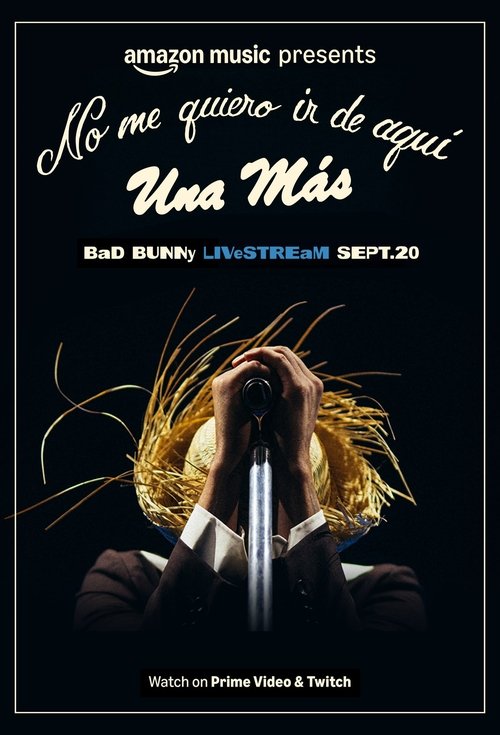
Watch Bad Bunny live from San Juan, Puerto Rico and celebrate the music, culture, and community that makes Puerto Rico unforgettable.
We Are Still Here is a student-made documentary from the University of Puerto Rico, Mayagüez campus (UPRM) about the lives and experiences of the Peñolanos from Barrio Rucio and adjacent communities who have resisted generations of adversities due to their geographical location and at the hands of the Puerto Rican government. Centered on resistance and collective care among communities, this inaugural documentary produced by the Oral History Lab at UPRM and funded by the National Endowment for the Humanities showcases how community work by projects like Aula en la Montaña and organizations like Impacto Juventud GC Inc. demonstrate that strength lies in union and that true healing occurs through mutual accompaniment between community and volunteers.
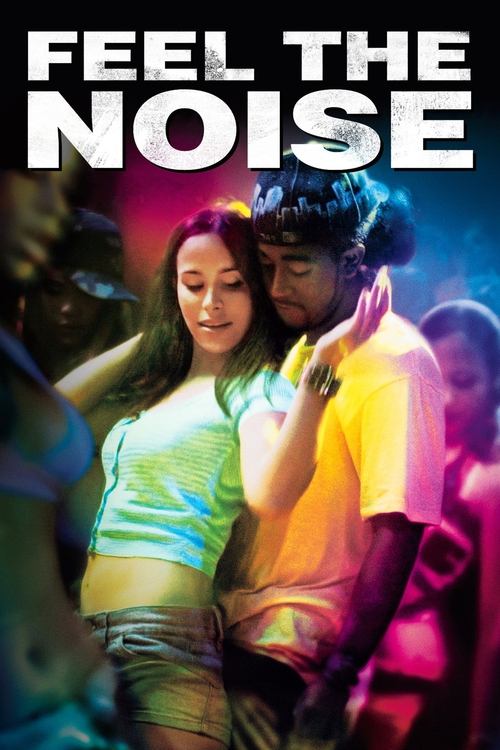
After a run-in with local thugs, aspiring Harlem rapper Rob flees to a place and father he never knew, and finds his salvation in Reggaeton, a spicy blend of hip-hop, reggae and Latin beats. Puerto Rico, the spiritual home of Reggaeton, inspires Rob and his step-brother Javi to pursue their dream of becoming Reggaeton stars. Together with a dancer named C.C., they learn what it means to stay true to themselves and each other, while overcoming obstacles in love, greed and pride, all culminating in an explosive performance at New York’s Puerto Rican Day Parade.
David Attenborough tells the revealing story of this Caribbean island's exotic but vulnerable wildlife. A team of conservation champions are making it their mission to save the most precious species. We see how Puerto Rican parrots, manatees and turtles are now making a comeback.
Documentary on the mass sterilization of Puerto Rican women during the 1950s and '60s.
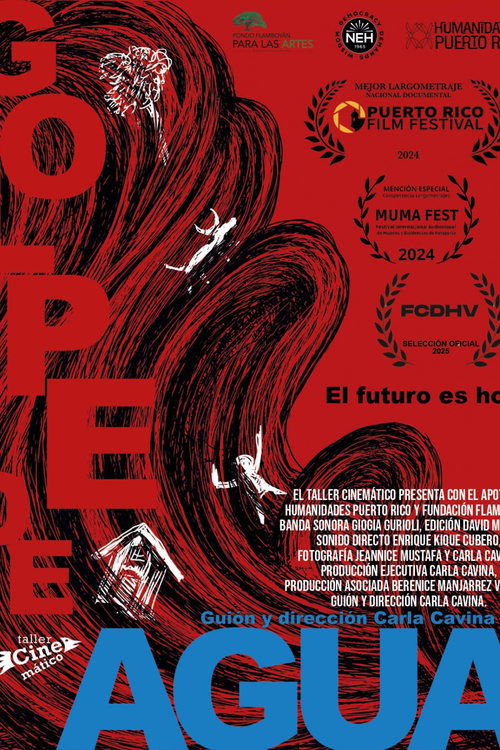
Artificial intelligence is taking on different roles in the filmmaking space. The questions we must ask ourselves are: what are the pros and cons of this advancement? How can we work with it, and what power do we have as human beings in the face of this technology?
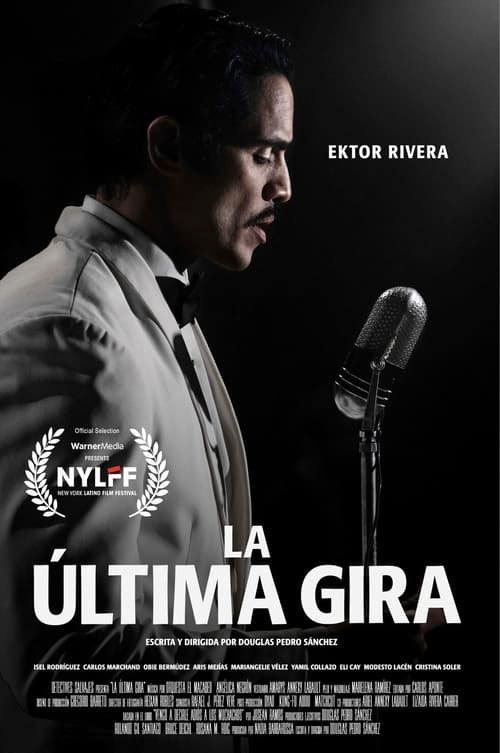
Legendary singer Daniel Santos lives in Ocala, Florida, and prepares his biography with Secre, a young journalist. The memory of past glories makes him embark on one more adventure: a tour of South American countries where he was known as “El Jefe” (The Chief) and where he expects to be yet again acclaimed and applauded.
At least we're alive. Humberto.
Part of a series of films produced by Vme TV that features aerial videography shot from a helicopter of points of interest. This film in particular features points of interest in Puerto Rico.
A documentary that reflects on the vision of 'progress' that governments cling to in times of climate change, focusing on the personal and collective experience lived in Puerto Rico after Hurricane Maria struck the island in 2017.
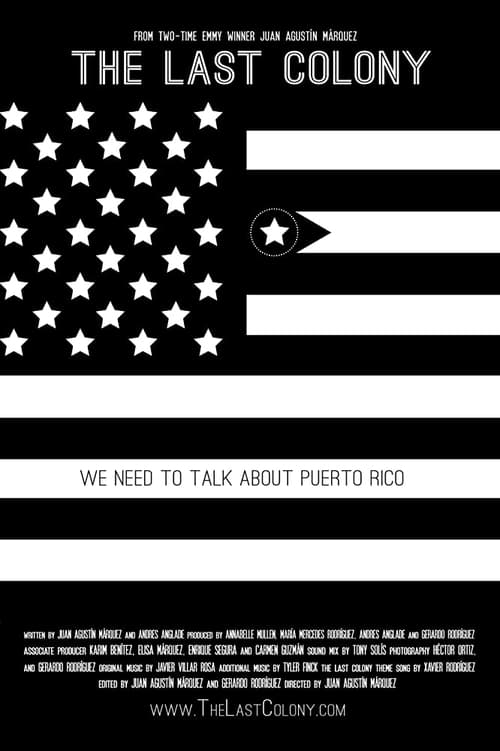
A close look at Puerto Rico's unique relationship with the United States.
How fair is it for the government to control its citizens? Four Puerto Ricans confront their past when they open their “files”, the records obtained of the illegal surveillance and persecution that the Puerto Rican government held against citizens and organizations that disagreed with the establishment. Through their daily life, they will tell us their stories, experiences and intimate feelings of the persecution they suffered. Taking their past as an example, we will confront the present.
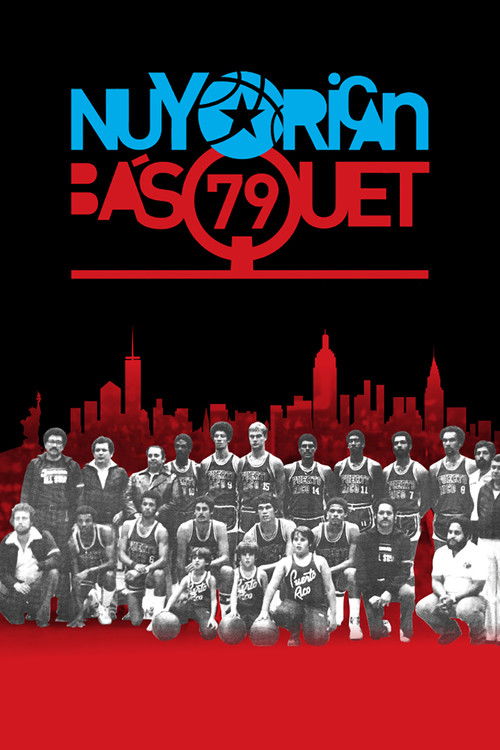
The story of the basketball players that represented Puerto Rico at the San Juan's 1979 Pan Am Games.
La otra educación (The Other Education) is about the class action suit Rosa Lydia Velez vs the Department of Education, and serves as the storyline to document 30 years of struggles that the families of disabled children in Puerto Rico have suffered. Their only request is the right to an education for their sons and daughters with special needs.
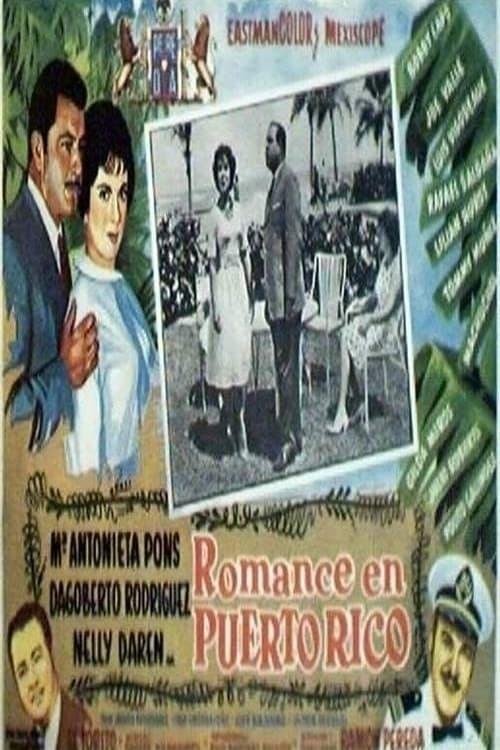
Rosina is frustrated by her engagement to millionaire John Johnson III, a fussy, domineering, control freak. The night before her wedding, she goes out dancing with her maid María, María's husband Tomás, and their friend Gordillo. When Rosina learns Gordillo is a sailor on the yacht owned by Mexican film star José María Beltrán, she decides to stow away and sail to Mexico to be with her grandmother.