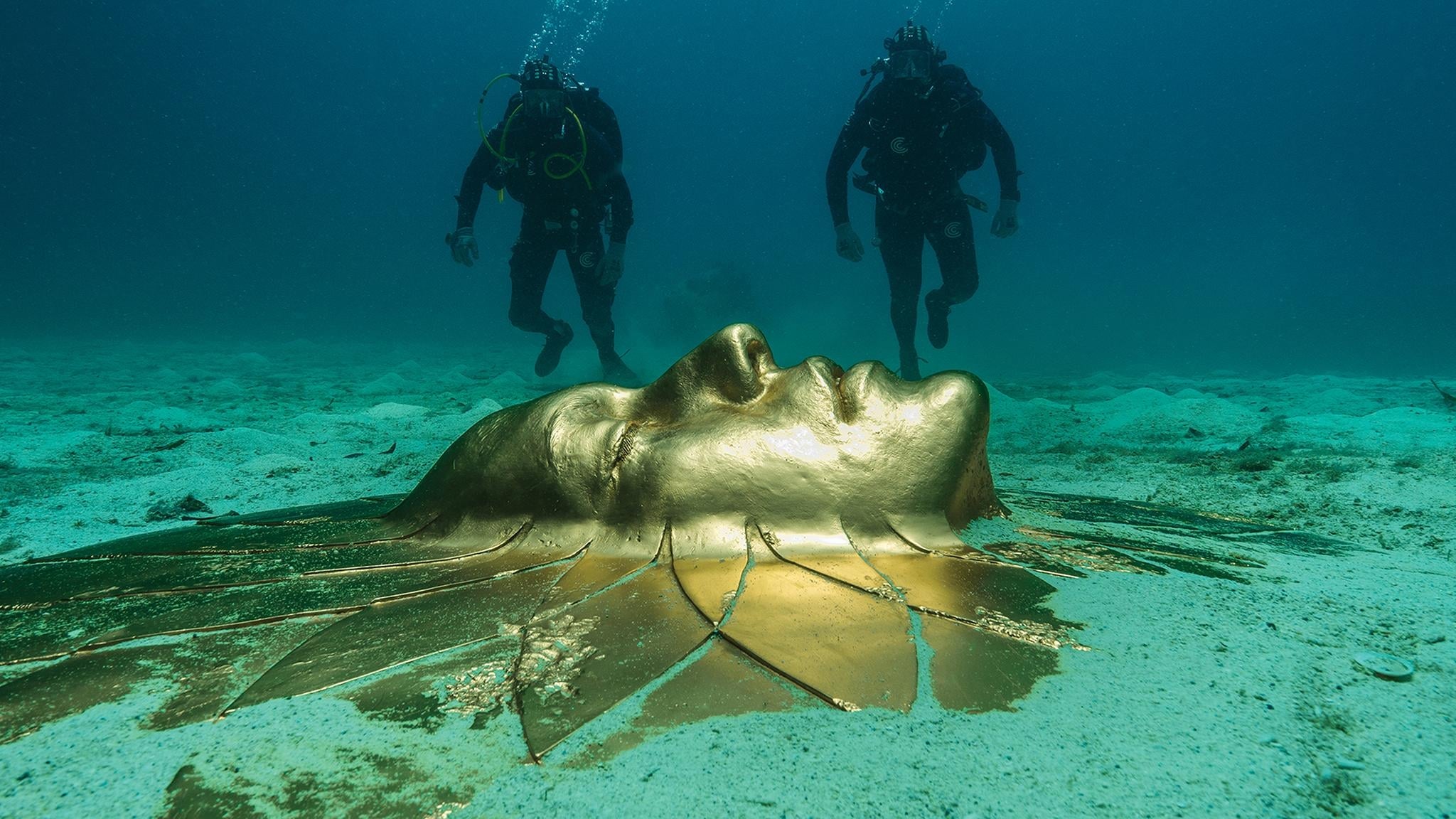
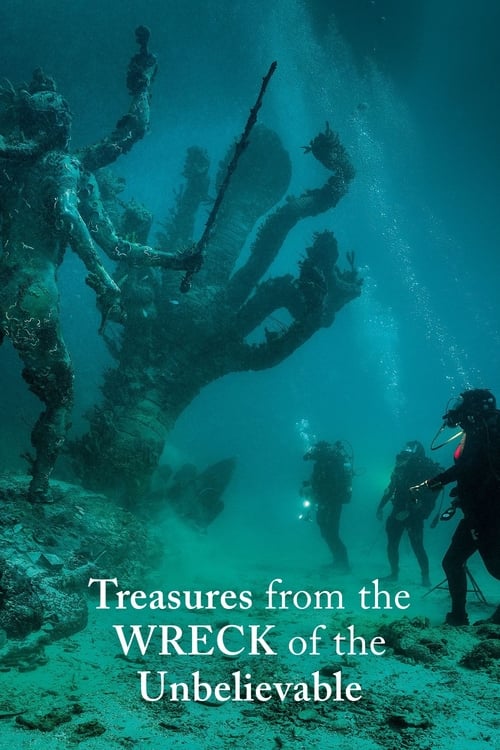
This cinematic journey into the waters off East Africa chronicles the story behind artist Damien Hirst's massive exhibition of oceanic treasures.
Self
Self (uncredited)
No Trailers found.
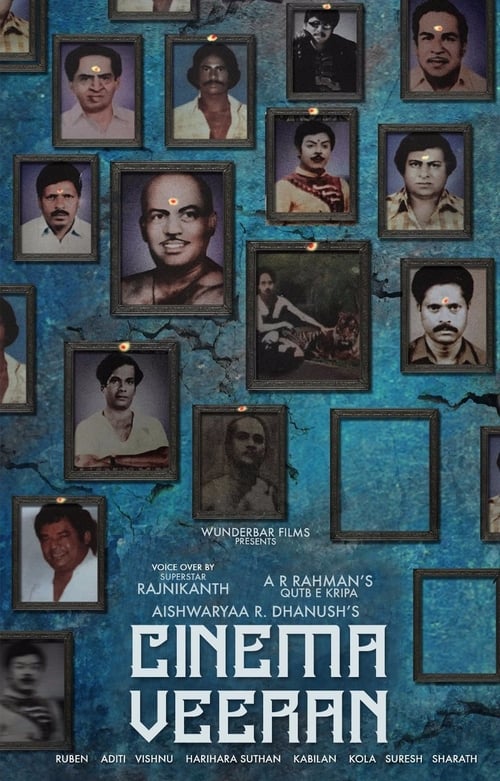
An ode to the fighters and stunt coordinators of Tamil cinema, this documentary, with a voice-over by Rajinikanth, showcases the life of these unsung warriors.
Andreas Kieling, a famous German documentary film maker, explores the coldest places in the world. He observes various animals in Patagonia, the Falkland Islands, Cape Horn, South Georgia and Antarctica.
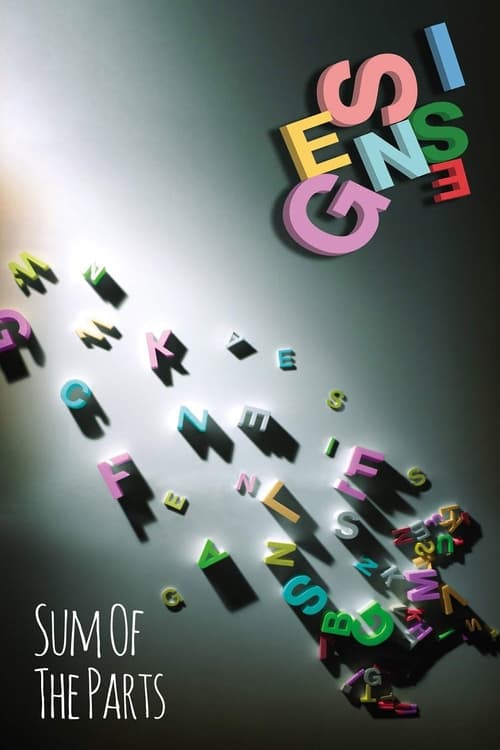
A feature-length documentary about one of the most successful British bands in rock music. The film recounts their extraordinary musical story, exploring the songwriting and the emotional highs and lows.
Two 10-year-old girls, one Palestinian and one Israeli, recount their daily lives under bombardment in the West Bank. Two poignant perspectives on the same conflict.
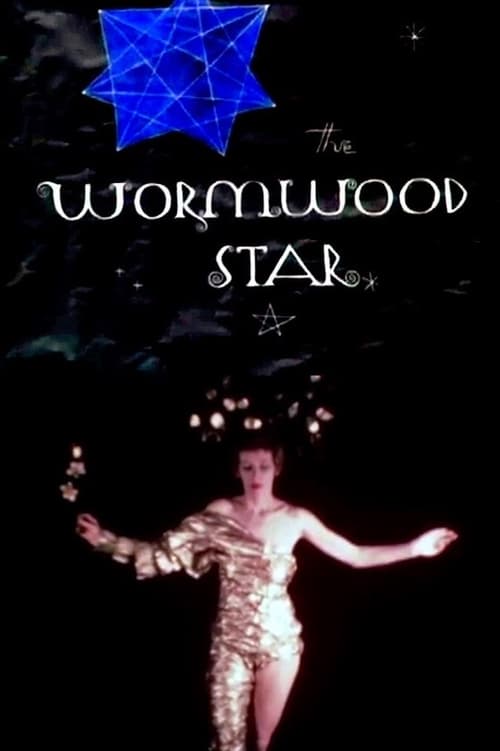
A portrait of artist, actress, poet and occultist Marjorie Cameron, it shows images of her paintings and recitations of her poems. Preserved by the Academy Film Archive in 2006.
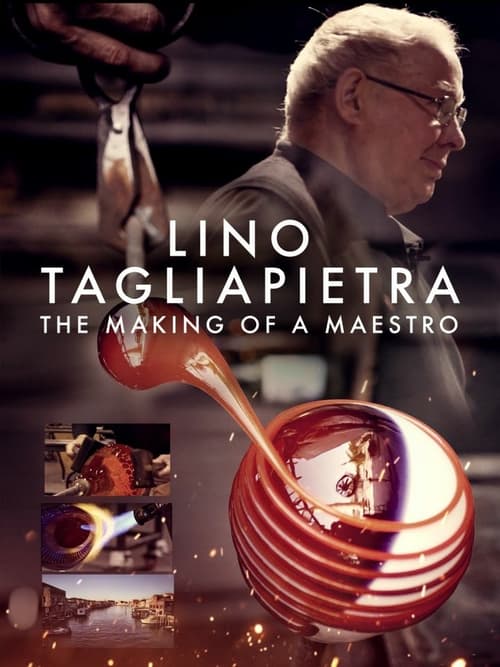
Lino Tagliapietra, considered by most as the greatest glassblower in history, is a mentor, motivator, and visionary. Bridging the divide between Italian and American glassblowing, Lino's career has transcended continents and inspired a new generation of glassblowers. Now 85, Lino continues to push the boundaries of the medium, testing the limits to see what both the material and the man can do.
British artist, academic, musician and activist Bob and Roberta Smith has been waging slightly odd political protests for years, in this documentary he investigates the age of activism and discovers what people are protesting about.
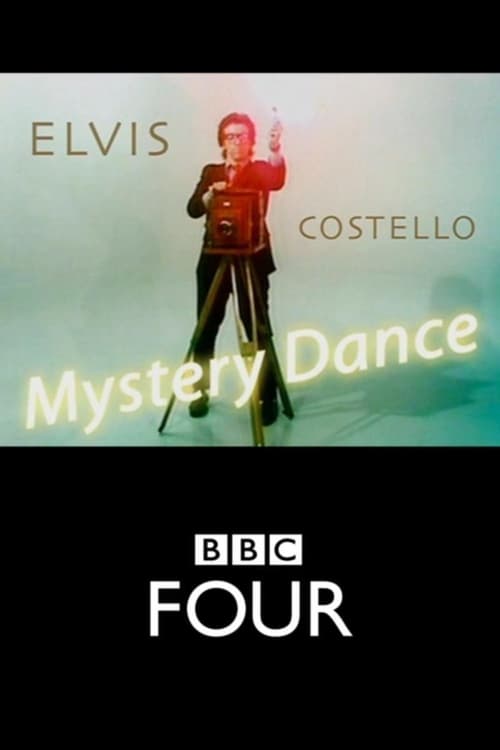
Elvis Costello: Mystery Dance, the first-ever documentary portrait of one of the greatest musicians and songwriters of our time. Assured of Costello’s full collaboration, exclusive access to his extensive archive and with the full participation of his record company, the film is a definitive portrait of a major music icon.
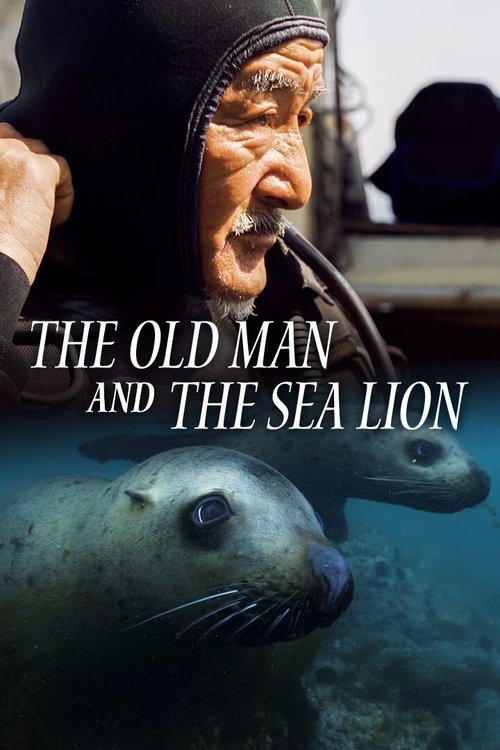
71-year-old diver Fujita Hisao has spent 40 years drawing attention to the beauty of ocean life, particularly the graceful sea lions, which face lethal removal due to their obstruction of fishing nets.
Jean-Michael Cousteau's documentary about the Great Barrier Reef keeps getting interrupted by characters from Disney's Finding Nemo.
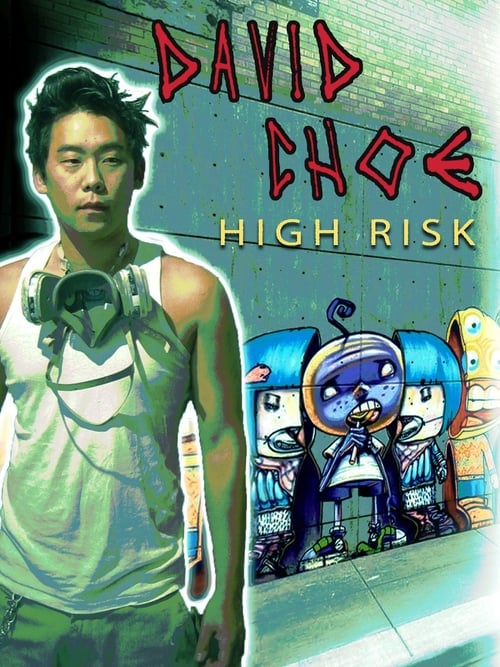
Artist David Choe has led a life of high risk, from hedonistic excesses to being imprisoned at a maximum security facility in a foreign country, and yet has been dramatically rewarded for his exploits. Life didn't change much when he traded a $60k fee in favor of stock in a start-up called The Facebook, but now he is estimated to be worth over $250 million, highlighting a colorful career filled with giant street art installations, porn star affairs and investigative reporting for companies like Vice and CNN. Director and childhood friend Harry Kim guides us through the fantastically surreal life of Choe featuring interviews and appearances by Kevin Smith, Eli Roth, Sasha Grey, Sean Parker, and Shepard Fairey.
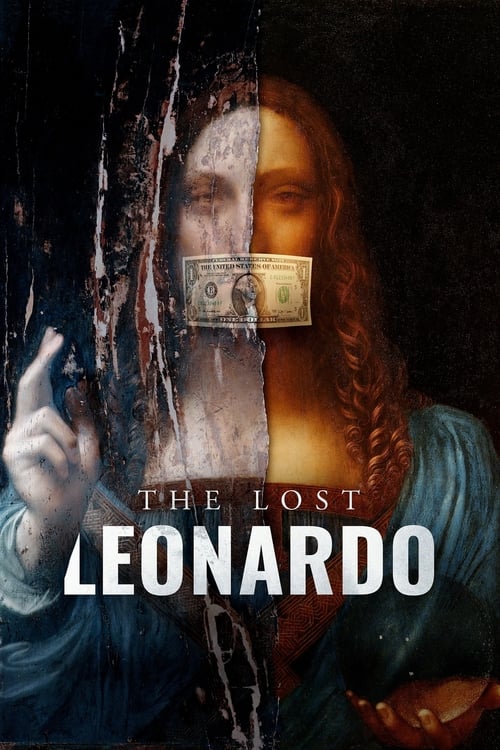
London, England, 2008. Some of the most distinguished experts on the work of Italian artist Leonardo da Vinci (1452-1519) gather at the National Gallery to examine a painting known as Salvator Mundi; an event that turns out to be the first act of one of the most fascinating stories in the history of art.
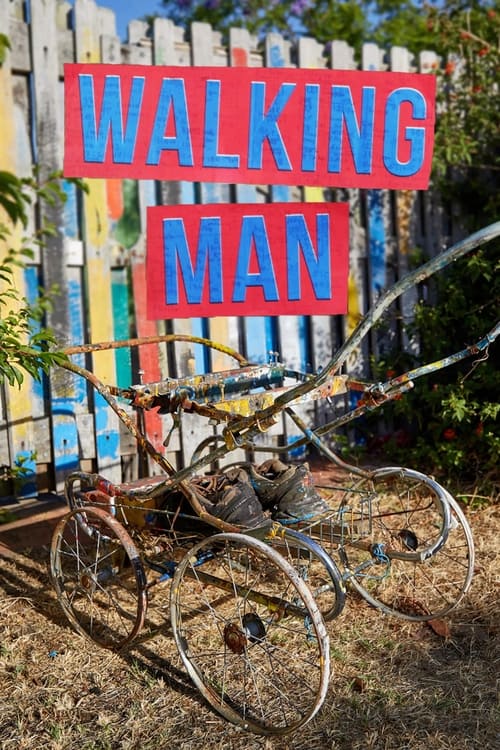
The true identity of Perth's enigmatic Walking Man is revealed through a compelling investigation in the lead up to the unknown artist's debut exhibition after his untimely death.
Filmed as part of the VH1 Storytellers series, Taylor Swift performed a live acoustic concert on October 15, 2012 at the Bridges Auditorium, after the Harvey Mudd College won the "Taylor Swift on Campus" contest.
This project follows various individuals as they train for and prepare to compete in the World Series of Beer Pong.
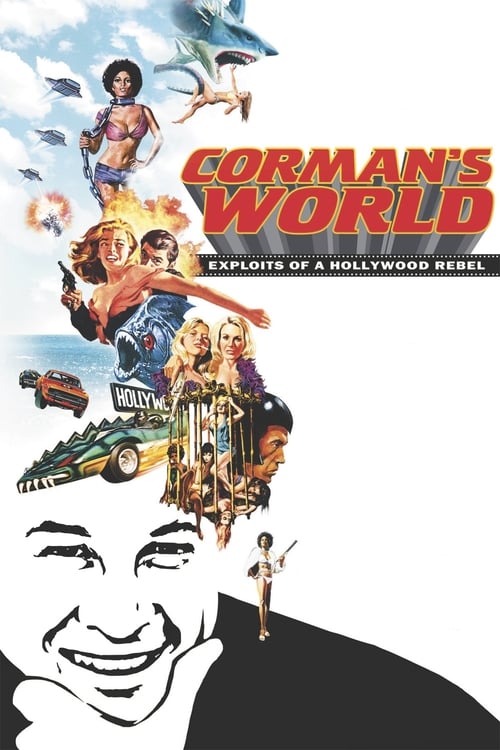
A chronicle of the long career of American filmmaker Roger Corman, the most tenacious and ingenious low-budget producer and director in the US film industry, a pioneer of independent filmmaking and discoverer of new talent.
No overview available.
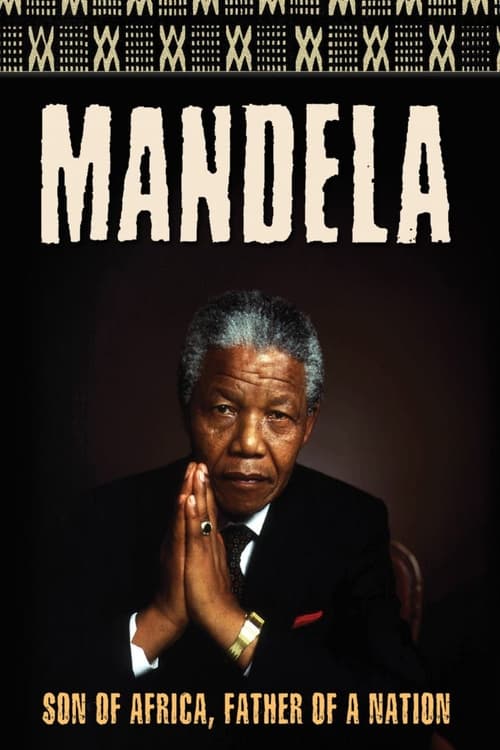
A documentary that chronicles the life of South African leader Nelson Mandela. Mandela is probably best known for his 27 years of imprisonment, and for bringing an end to apartheid. But this film also sheds light on the little-known early period of Mandela's life.
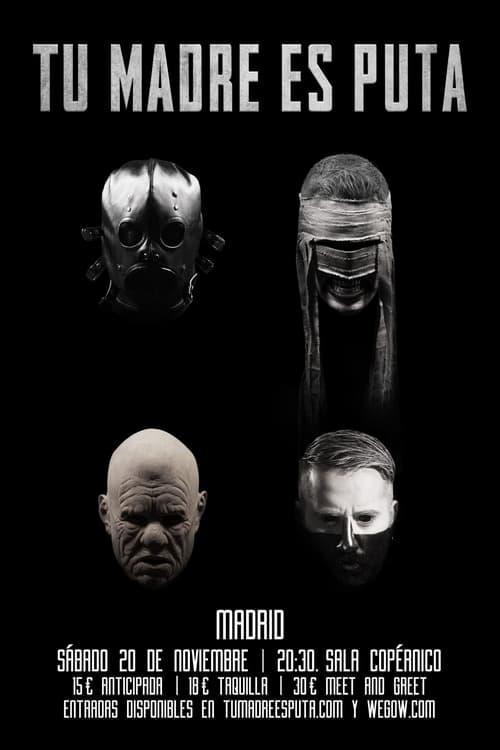
The legendary shock rock band from the 90s returns to the stage after being gone for more than a decade. This Mockumentary tells the story of this return to public life and the evolution of the members during these years.
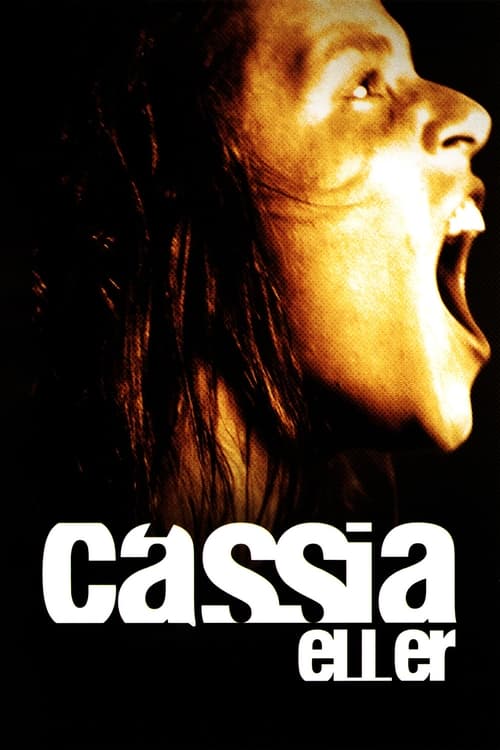
Cássia Eller Rejane. Cássia Eller. Cássia. A powerful restless force on stage, shined herself out of it. One of the greats of Brazilian music, Cássia Eller marked the 1990s and shocked the country with her early death in 2001. A film about the singer, the mother, the woman who exposed her personal life and broke barriers, leaving a beautiful social and artistic legacy.