No overview available.
As police and DEA agents battle sophisticated cartels, rural, economically-disadvantaged users and dealers–whose addiction to ICE and lack of job opportunities have landed them in an endless cycle of poverty and incarceration–are caught in the middle.
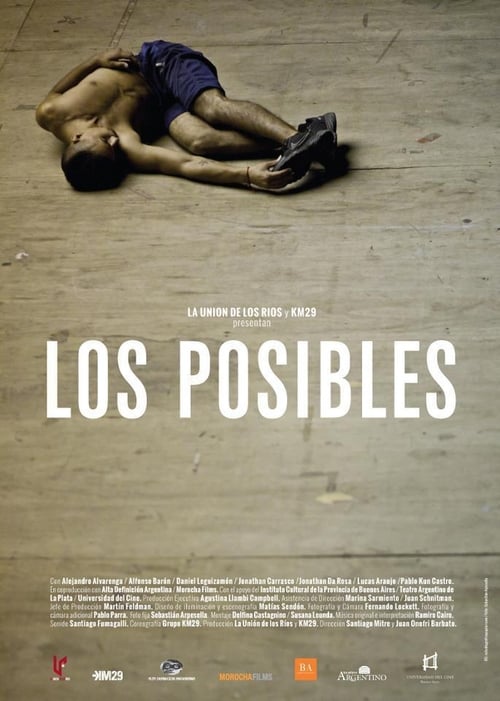
Santiago Mitre co-directs his first movement following The Student together with choreographer Onofri Barbato. Although it would have been more accurate to say “his first film-story-adventure-movie-great movie following The Student”, the word movement fits perfectly in Los posibles, the most overwhelmingly kinetic work Argentine cinema has delivered in many, many years. The film deals with the adaptation of a dance show directed by Onofri together with a group of teenagers who came to Casa La Salle, a center of social integration located in González Catán, trying to find some refuge from hardship. Already entitled Los posibles, the piece opened in the La Plata Tacec and was later staged in the AB Hall of the San Martín Cultural Center. Now, it dazzles audiences out of a film screen, with extraordinary muscles and a huge heart: Los posibles is a rhapsody of roughen bodies and torn emotions. Precise and exciting, it’s our own delayed, necessary, and incandescent West Side Story.
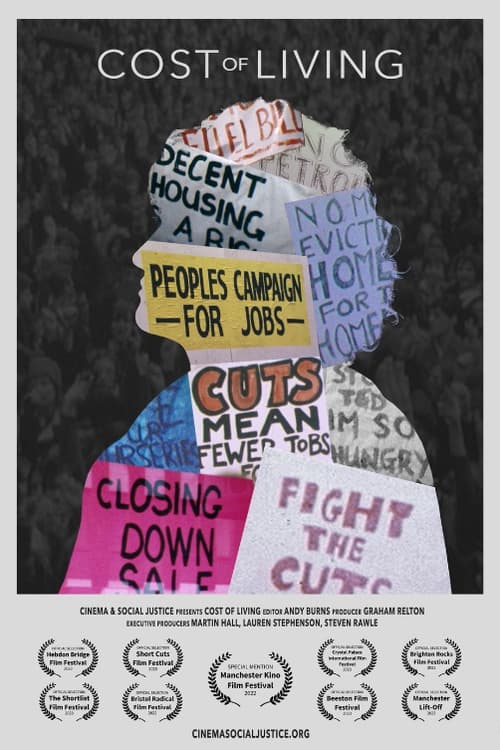
As we live through the deepest cost of living crisis for over fifty years, archive footage of Yorkshire and the North East reflects recurring cycles of boom and bust, and the fury of generations whose essential needs for safe housing, secure work and full bellies go unfulfilled. Increased fuel prices, food banks and government tips for saving money bring a sense of déjà vu -- a past that feels uncomfortably contemporary.
Peter Watkins' global look at the impact of military use of nuclear technology and people's perception of it, as well as a meditation on the inherent bias of the media, and documentaries themselves.
This RKO Sportscope series short presents two sportsmen fishing for striped bass.
After the waning of the protests in Sanrizuka, Ogawa Pro started questioning the future of the collective and looking for other subjects to film. Following the method developed in the previous films, the filmmakers moved to the slum of Kotobuchi in the port city of Yokohama, where more than 6000 people were struggling to get by without any means of survival, exposed to industrial accidents and diseases. The result is one of the most moving films produced by the collective, a series of beautifully filmed portraits, voicing the silenced stories and songs of a group of people living in this community. Credit: ICA London
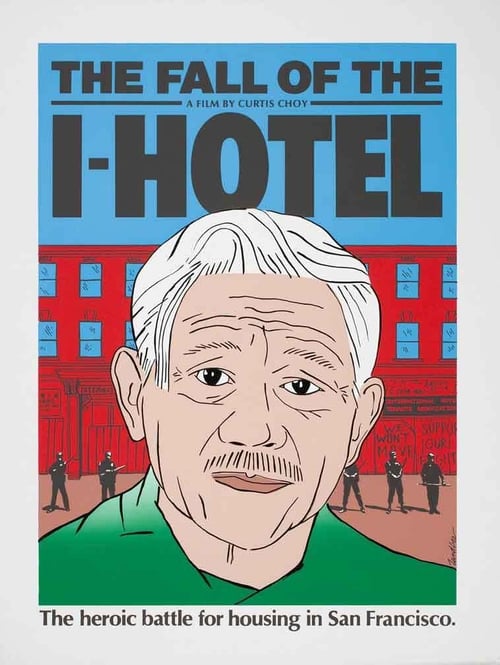
The Fall of the I-Hotel brings to life the battle for housing in San Francisco. The brutal eviction of the International Hotel's tenants culminated a decade of spirited resistance to the razing of Manilatown. The Fall of the I-Hotel works on several levels. It not only documents the struggle to save the I-Hotel, but also gives an overview of Filipino American history.
This is the planet we still know so little. We call it Earth but less than 1/3 is land, over 2/3 is water and we use that water as a dumping site for our waste and as if it's an inexhaustible "horn of plenty" for humans. Our most important ecosystem is on the verge of collapse unless we act now. At this very moment the main problem with the oceans is that they're getting emptier and emptier. If we don't do anything then we face one of the biggest disasters in history of mankind.
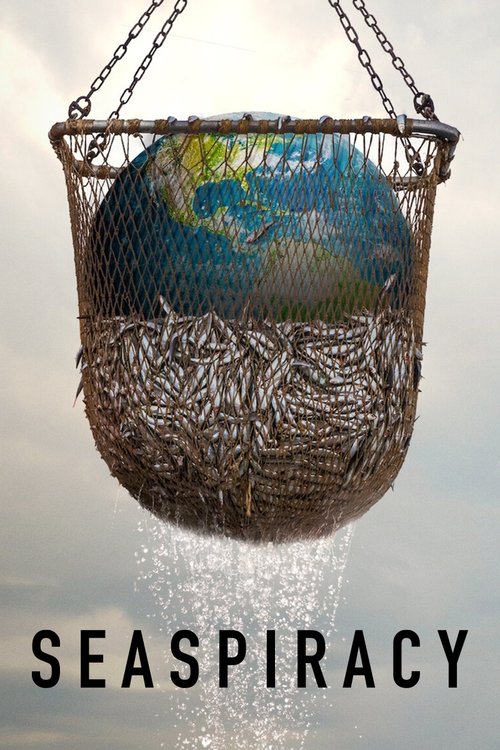
Passionate about ocean life, a filmmaker sets out to document the harm that humans do to marine species — and uncovers an alarming global conspiracy.
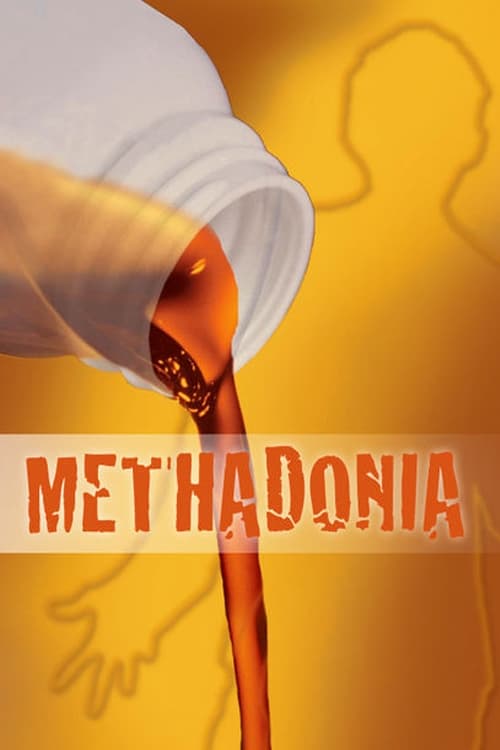
Shot over the course of 18 months in New York City's Lower East Side, METHADONIA sheds light on the inherent flaws of legal methadone treatments for heroin addiction by profiling eight addicts, in various stages of recovery and relapse, who attend the New York Center for Addiction Treatment Services (NYCATS).
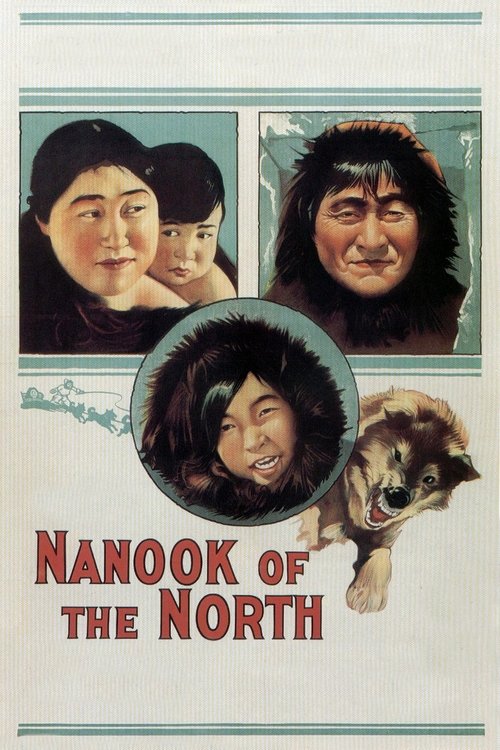
This pioneering documentary film depicts the lives of the indigenous Inuit people of Canada's northern Quebec region. Although the production contains some fictional elements, it vividly shows how its resourceful subjects survive in such a harsh climate, revealing how they construct their igloo homes and find food by hunting and fishing. The film also captures the beautiful, if unforgiving, frozen landscape of the Great White North, far removed from conventional civilization.
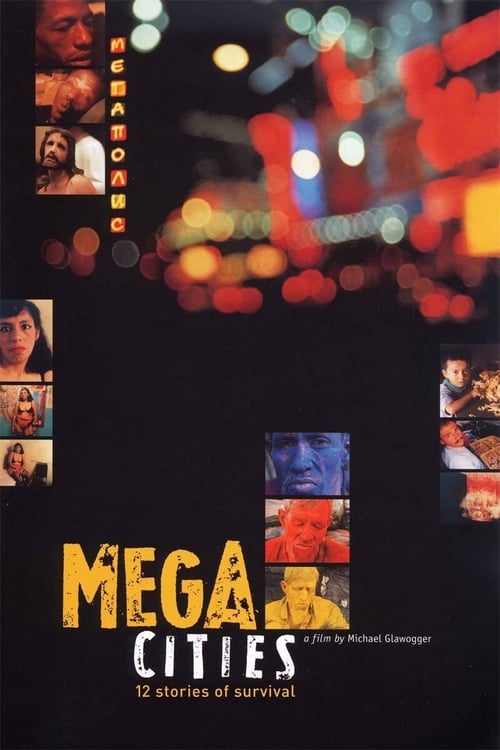
Megacities is a documentary about the slums of five different metropolitan cities.
An exploration —manipulated and staged— of life in Las Hurdes, in the province of Cáceres, in Extremadura, Spain, as it was in 1932. Insalubrity, misery and lack of opportunities provoke the emigration of young people and the solitude of those who remain in the desolation of one of the poorest and least developed Spanish regions at that time.
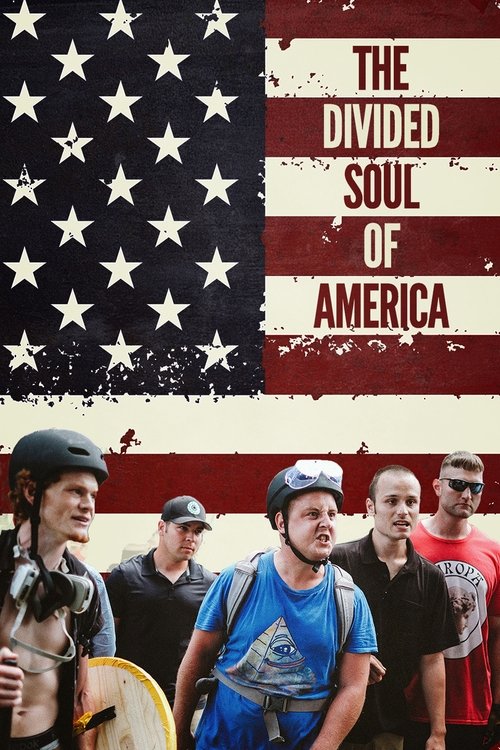
Under the Trump administration, USA is a deeply divided country. One side feeds populism and religious rectitude in a monochromatic landscape, painted white, lamenting for a past that never will return. The other side fuels diversity and multiculturalism, a biased vision of a progressive future, quite unlikely. Both sides are constantly confronted, without listening to each other. Only a few reasonable people gather to change this potentially dangerous situation.
"VICE travels to the most dangerous country in the world to figure out what the hell is happening in Darfur. In the video, Vice founder Shane Smith dons a djellaba and walks through the streets of Khartoum, visits a displaced persons camp filled with over 300,000 people and encounters the notorious SPLA (Sudan People Liberation Army)."
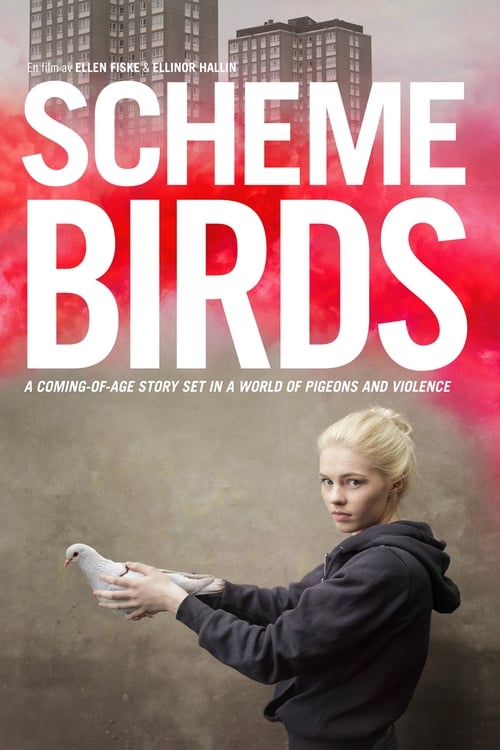
As her adolescence gives way to the obligations of motherhood, troubled Gemma matures in Motherwell, her Scottish hometown, heavily dependent on the steel industry. Unfortunately for her, her hedonistic way of understanding the world does not fit in with the philosophy of the rest of the villagers, so trouble soon follows.
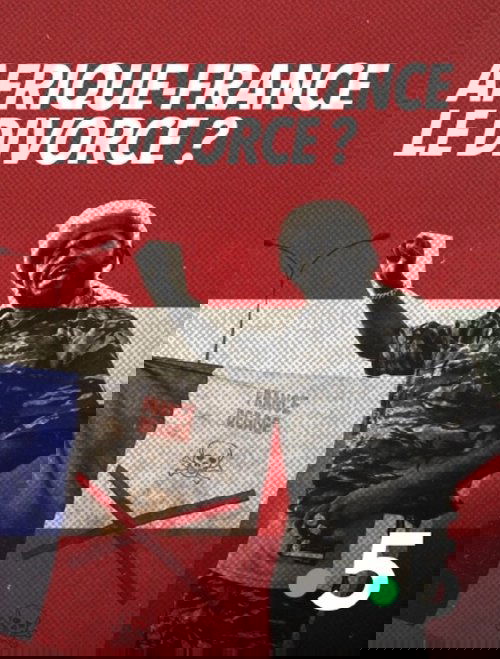
At a time when French flags are being burned and French embassies targeted, this documentary delves into the growing disaffection between French-speaking Africa and the former colonial power. Through the voices of African leaders, pan-African activists, and committed young people, the film questions the persistence of a relationship marked by the aftermath of colonization, the opaque agreements of "Françafrique," and a military presence deemed paternalistic.
No Trailers found.
Narrator