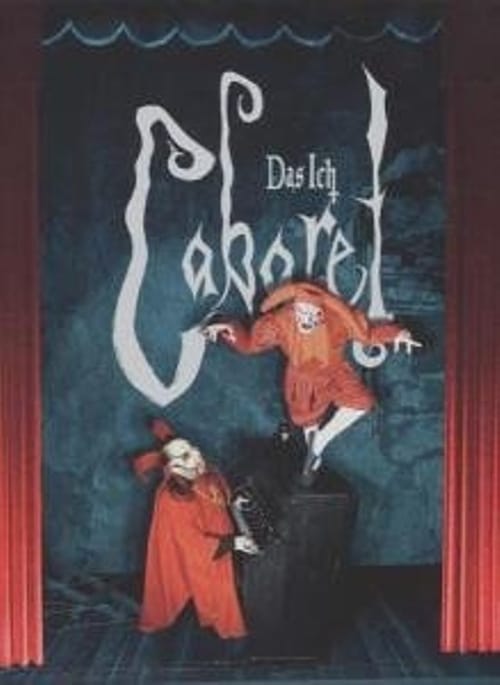
Short movie from the German band "Das Ich". "Kaleidoskop" was filmed by Kevin Gross.
No Trailers found.
No Cast found.
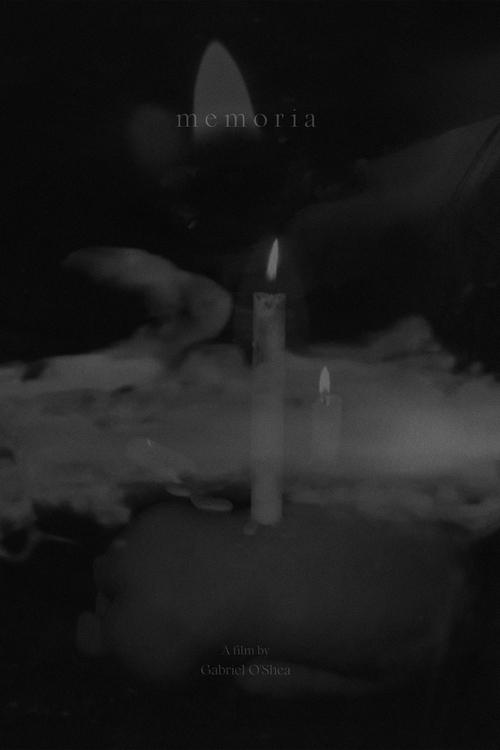
Surrendering the mind to the hypnotic dance of fire, a candle's glimmer reveals dreamlike memories, illustrated by flickering fragments of experimental films that overlap alongside a deconstructed soundscape. Entering a hallucinatory state in a haunted ambience, one's own subconscious is put on display.
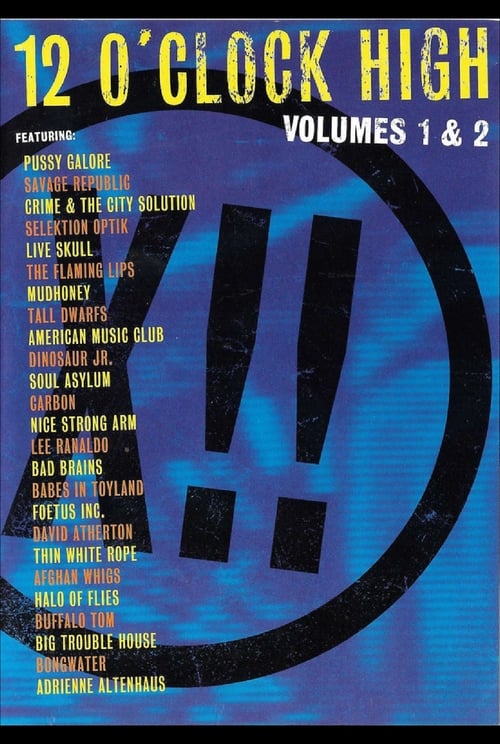
Ground breaking music videos from some of the most influential bands of the 90s Punk/Grunge scene such as the Flaming Lips, Mudhoney, Bad Brains, Afghan Whigs, Foetus Inc, Soul Asylum, American Music Club, Babes in Toyland, Dinosaur Jr and more.
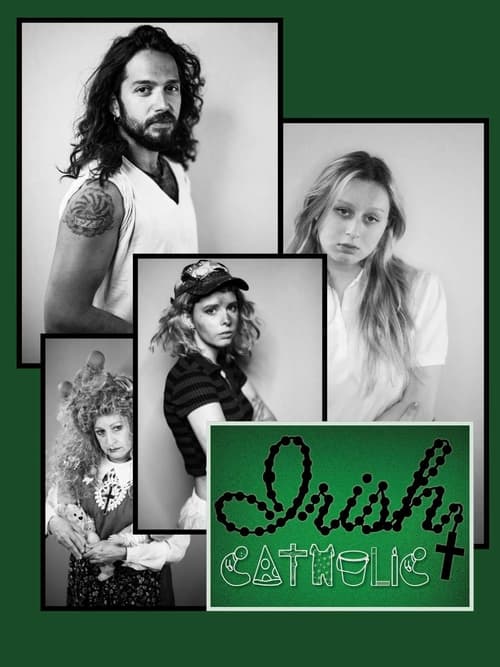
Meet Shavon O'Brien: Her family doesn't understand her, her church ignores her, even Jesus forgets about her. With only the spirit of Sinead O'Connor to guide her, Shavon battles institutional child abuse, narcissistic group think, a talking stomach and a singing poop bucket! Shavon goes from Catholic to Crusty Punk in this very, very, very, dark musical comedy!
Arf Arf is a sound poetry (voice and gesticulation) group. They describe their first film together as 'songs nailed together in a film'. The film is not given over to simply recording a performance of sound poetry but is worked out as a filmic combination of images and sound, each member of the group having individually previously made experimental films.
Created entirely from YouTube videos and edited in Windows Movie Maker, Lopatin recomposes outmoded video graphic landscapes via repetition and abuse.
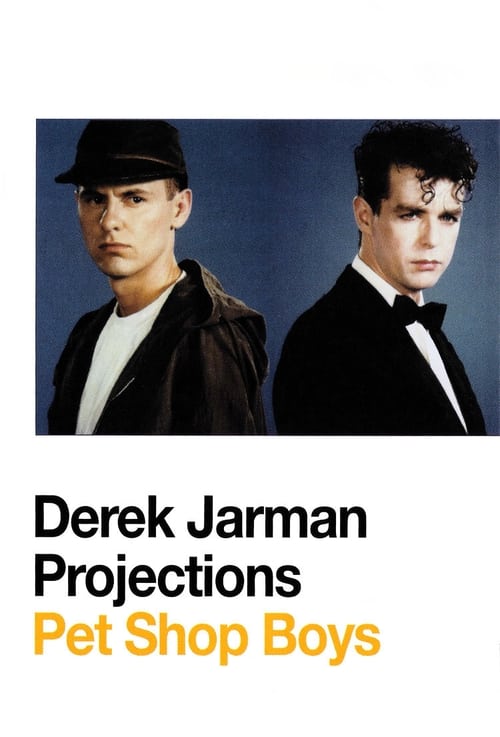
The innovative and influential British filmmaker Derek Jarman was invited to direct the Pet Shop Boys' 1989 tour. This film is a series of iconoclastic images he created for the background projections. Stunning, specially shot sequences (featuring actors, the Pet Shop Boys, and friends of Jarman) contrast with documentary montages of nature, all skillfully edited to music tracks.
No overview available.
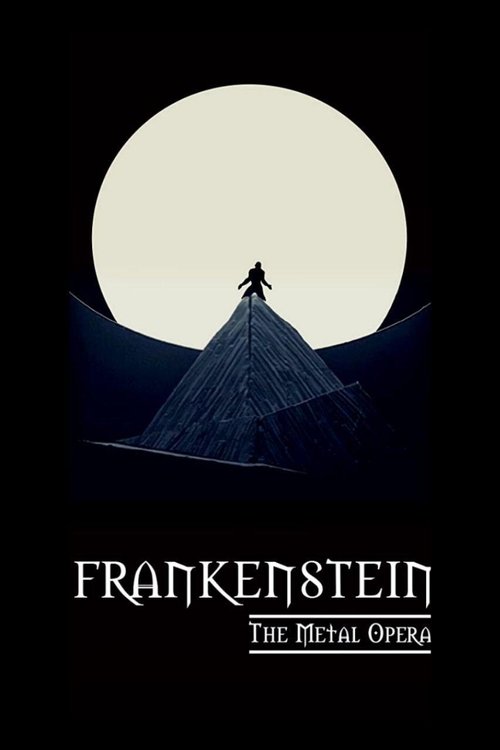
Mary Shelley's Frankenstein is brought to life by the electrifying impact of live rock music. Witness a faithful retelling of the classic gothic novel, during a night at the opera like no other. Filmed Hallowe'en 2014.
A dark, stream of consciousness fever dream, gathering all that is decrepit in this world, and reflecting it all back to those who have reduced the Earth to what it is.
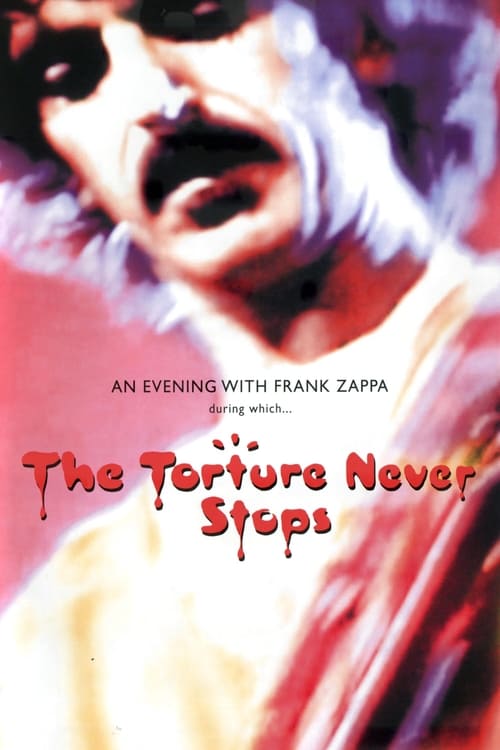
Halloween, New York City, 1981 Live at The Palladium with Ray White, Steve Vai, Bobby Martin, Tommy Mars, Ed Mann, Scott Thunes, Chad Wackerman
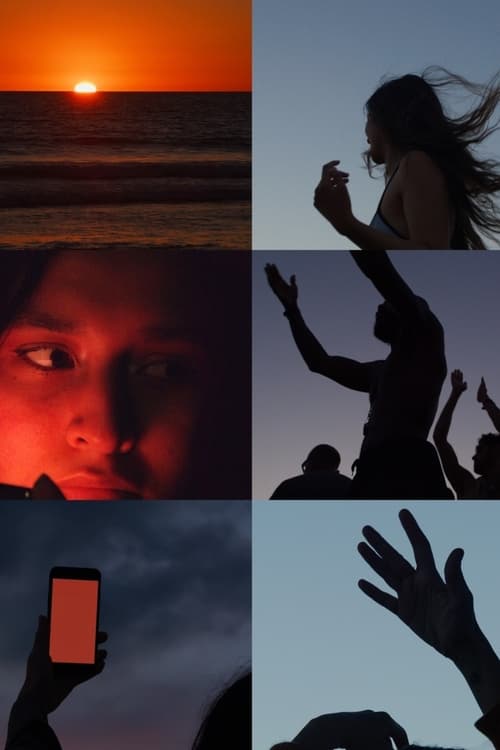
A cinematic meeting point between nature and technology, Doug Aitken’s unearthly short is enfolded in evocative hymns whose voices are eerily AI-generated. Glimmering phone screens might have replaced the starry Milky Way, yet the famous Venice Beach still hums with the vibrancy of human activities.
A journey into Electronic Body Music’s iconic sound, featuring exclusive interviews with the original pioneers of the 80’s.
A registration of the band's concert at the Roseland Ballroom in New York City during their 1998 reunion tour.
After concluding the now-legendary public access TV series, The Pain Factory, Michael Nine embarked on a new and more subversive public access endeavor: a collaboration with Scott Arford called Fuck TV. Whereas The Pain Factory predominantly revolved around experimental music performances, Fuck TV was a comprehensive and experiential audio-visual presentation. Aired to a passive and unsuspecting audience on San Francisco’s public access channel from 1997 to 1998, each episode of Fuck TV was dedicated to a specific topic, combining video collage and cut-up techniques set to a harsh electronic soundtrack. The resultant overload of processed imagery and visceral sound was unlike anything presented on television before or since. EPISODES: Yule Bible, Cults, Riots, Animals, Executions, Static, Media, Haterella (edited version), Self Annihilation Live, Electricity.
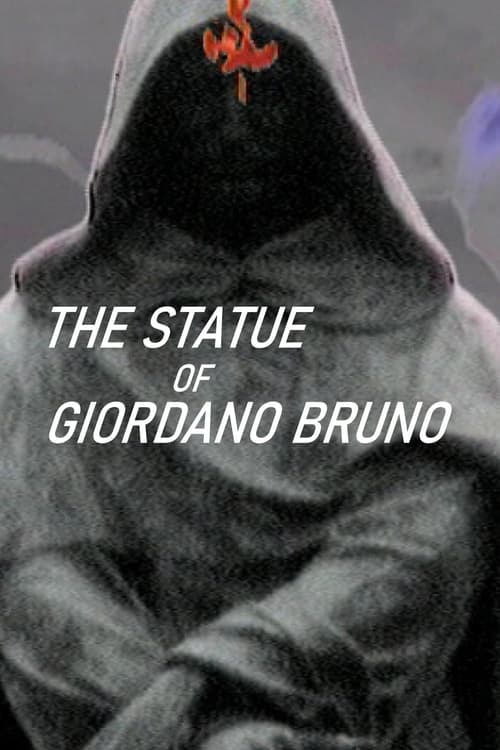
This film was made out of the capture of a live animation performance presented in Rome in January 2005 by Pierre Hébert and the musician Bob Ostertag. It is based on live action shooting done that same afternoon on the Campo dei Fiori where the philosopher Giordano Bruno was burned by the Inquisition in 1600. A commemorative statue was erected in the 19th century, that somberly dominate the market held everyday on the piazza. The film is about the resurgence of the past in this place where normal daily activities go on imperturbably. The capture of the performance was reworked, shortened and complemented with more studio performances.
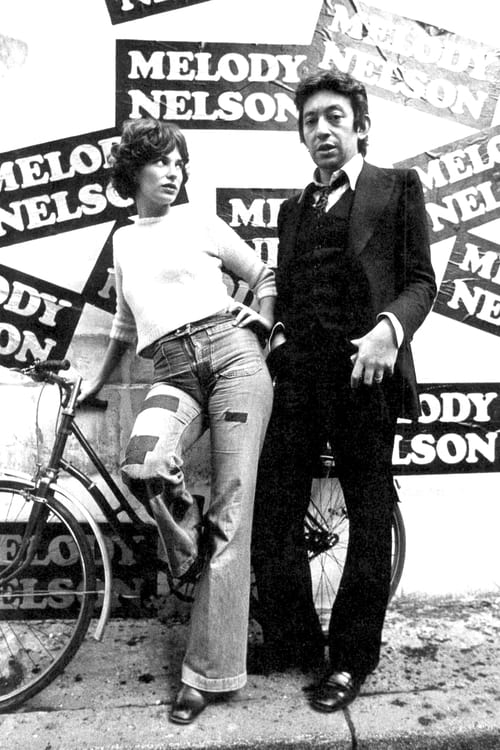
Although Gainsbourg and Birkin had appeared in a string of films since their magnetic collision in Pierre Grimblat’s Slogan, Melody was a bit of diversion from their collaborations since it’s a series of interwoven videos inspired by the Gainsbourgalbum. For '71 it’s a novel concept to bring visual life to an LP, but even more surprising are the short film’s amazing visuals that director Averty crafted using a wealth of video filters, overlays, camera movements and chroma key effects. Averty applies these in tandem with the increasing tone of Gainsbourg’s songs, which more or less chronicle an older man's affair with a young girl. Each song is comprised of steady, sometimes brooding poetic delivery, with refrains timed to the phrase repeats of each song, while Alan Parker’s buzzing guitar accompanies and wiggles around Gainsbourg’s resonant voice. The bass is fat and groovy, the drums easy but steady, and the periodic use of strings or rich vibrato makes this short a sultry little gem.
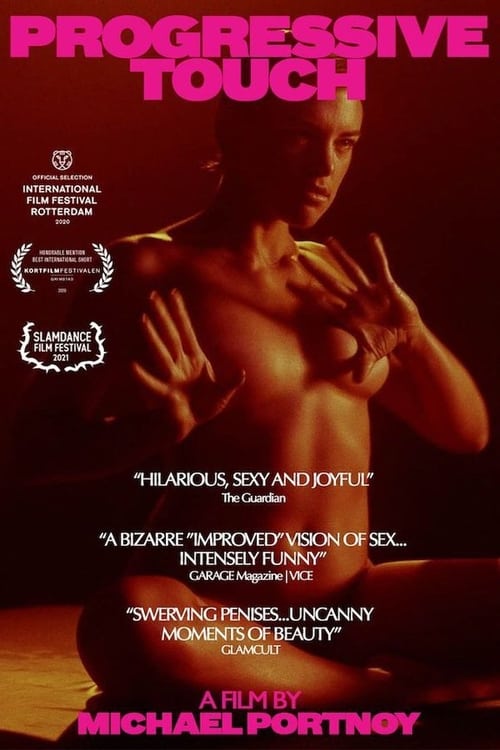
Sex as dance and comedy: in Progressive Touch Portnoy studies and expands the relationship between sex, choreography and composing music. He introduces complex compositions from progressive rock and math metal during sex, thereby combating the ostensible simplification of rhythm in human movements and gestures. A group of actors perform the new moves in three slapstick-like scenes. Worth trying at home.
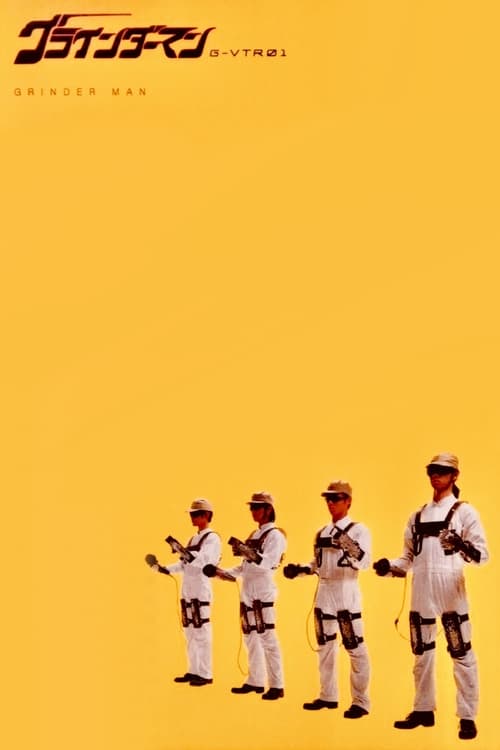
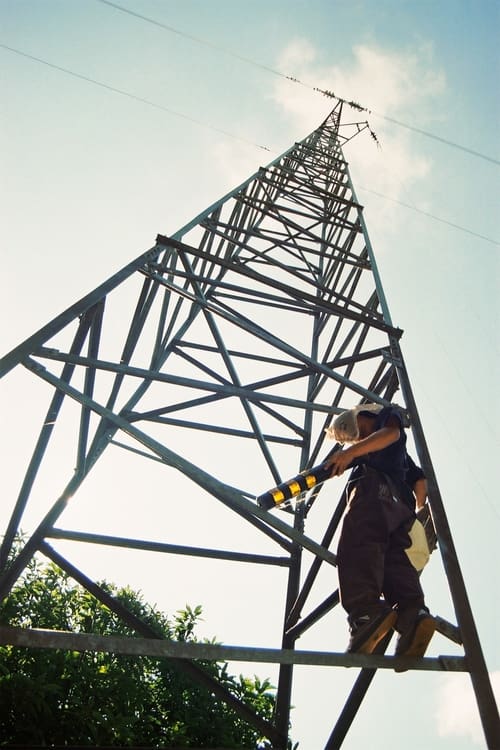
A 19-minute short film featuring the six performances of the Japanese performance art group Grinder-Man. Only released on VHS.
A punk scarecrow, endowed by life, annihilates its roots and revitalizes its territory.
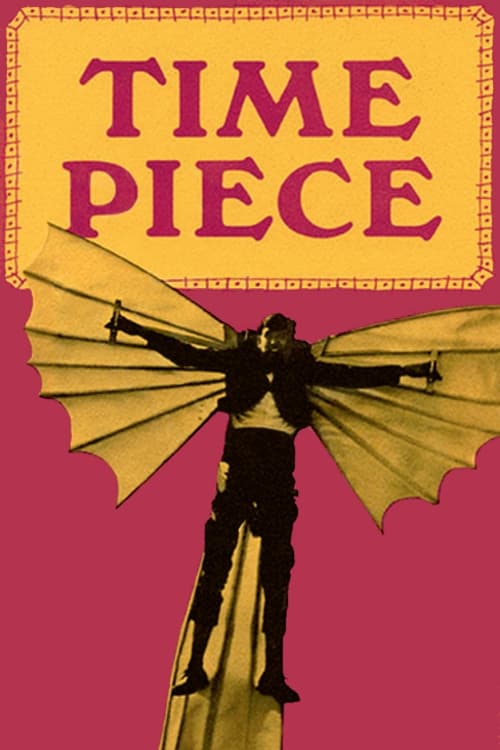
Dislocation in time, time signatures, time as a philosophical concept, and slavery to time are some of the themes touched upon in this 9-minute experimental film, which was written, directed, and produced by Jim Henson. Screened for the first time at the Museum of Modern Art in May of 1965, "Time Piece" enjoyed an eighteen-month run at one Manhattan movie theater and was nominated for an Academy Award for Outstanding Short Subject.