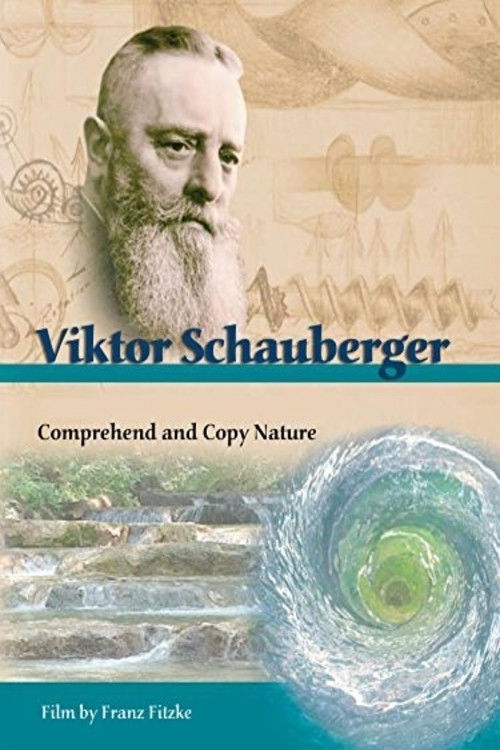
The first film about Viktor Schauberger's life's work. A comprehensive survey of historical facts, current research and various practical applications into both technology and the natural world.
No overview available.
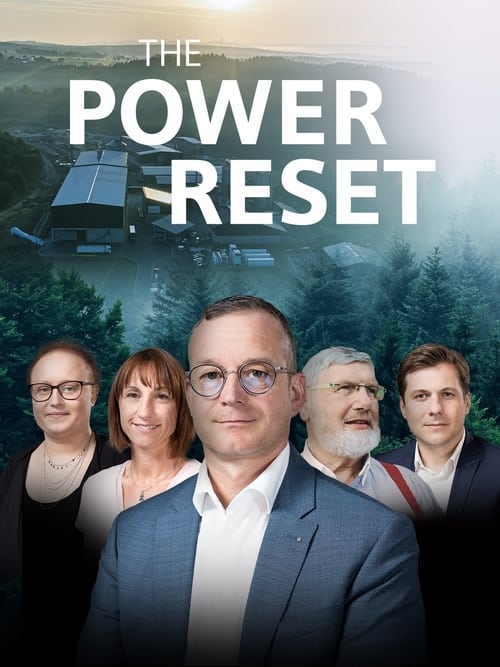
20 years ago the small town of Wunsiedel was at the edge: businesses had to close, jobs were lost, locals left for good. When a bunch of idealists decided to stop this race to the bottom. They developed a plan not only to put the region's energy supply on a completely new foundation, but also to create new prospects.
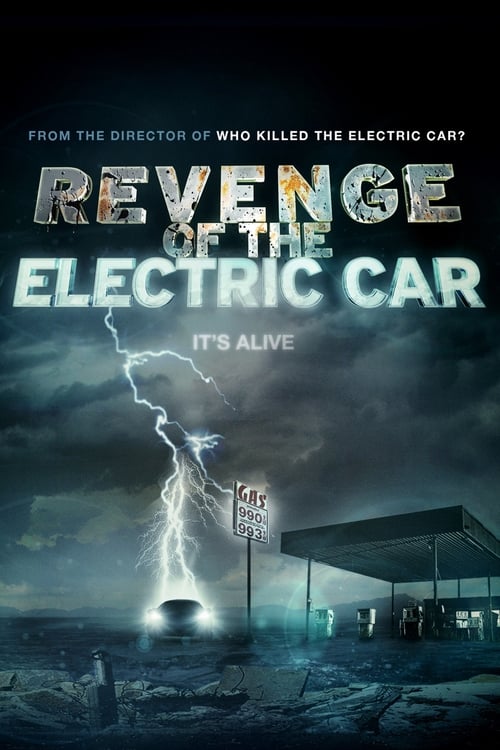
A sequel to 2006's Who Killed the Electric Car?, director Chris Paine once again looks at electric vehicles. Where in the last film electric cars were dismissed as uneconomical and unreliable, and were under multiple attacks from government, the auto industry, and from energy companies who didn't want them to succeed, this film chronicles, in the light of new changes in technology, the world economy, and the auto industry itself, the race - from both major car companies like Ford and Nissan, and from new rising upstarts like Tesla - to bring a practical consumer EV to market.
Offshore wind farms are a major player in the move away from fossil fuels, especially in the North Sea, and they are increasing in number. But their impact on the environment is not yet clear: We take a look at ongoing research in Europe that is measuring the impact of wind turbines and their harm, or benefit, to biodiversity in our seas.
A three year self-described labour of love, 2040 takes the form of a visual letter from the filmmaker to his four-year-old daughter Velvet, showing her what the year 2040 could look like “if we simply embraced the best solutions that exist today.”
In Isère, in the mountainous region of Trièves, is the Tournesol farm, an experiential farm totally autonomous in energy, a veritable laboratory for renewable energies. Jean-Philippe and his family live there from sheep farming and organic market gardening. But in September 2017, a violent fire destroyed the farm and its facilities. While the family has lost everything, a surge of solidarity is taking place so that the Tournesol farm is reborn from its ashes.
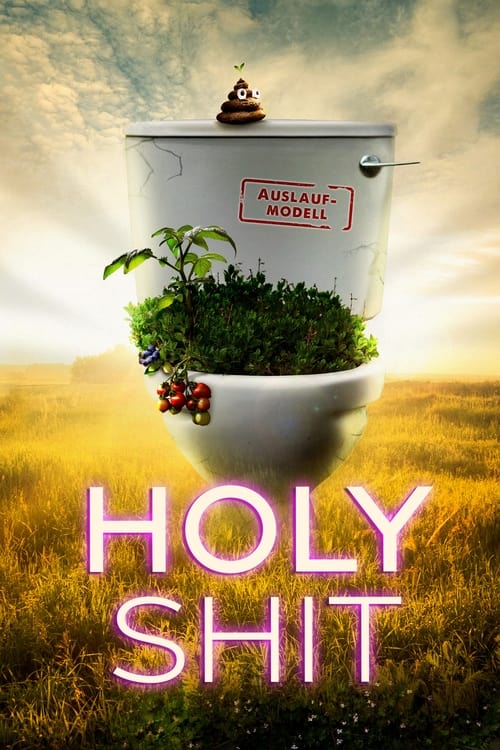
What happens to the food we digest after it leaves our body? Is it waste that is thrown away or a resource that can be reused? In search of answers, director Rubén Abruña embarks on an investigative and entertaining search through 16 cities on four continents. He follows the trail of feces from the long sewers of Paris to a huge sewage treatment plant in Chicago.
Brazilian mission commander Sam struggles with establishing a stable connection from Earth to his lover. German scientist Joy explores planet Kepler 452b at her research facility for Alchemy Plasma, a revolutionary energy source. Their long-distance relationship faces doom, when alien Dardesh invaders attack the human outpost, 1400 light years away.
When the construction of the Aswan High Dam threatened to destroy the Ancient Egyptian monuments of Nubia in the 1960s, archaeologists from around the world came together to save these precious pieces of history. One of those heroic researchers was Dr. Abraham Rossenvasser, a self-taught Egyptologist from a small, poverty-stricken Jewish colony in Argentina. While Rossenvasser’s expedition rescued thousands of historical treasures from imminent destruction, his story is not often told. In From Sudan to Argentina, Charlottesville-based filmmaker Ricardo Preve rescues the legacy of this forgotten figure, and ensures his deeply impactful work can be celebrated. Told largely through the eyes of Rossenvasser’s daughter, Dr. Elsa Rosenvasser Feher, this documentary shines a well-deserved spotlight on the remarkable efforts of a man who committed himself to preserving crucial parts of history for generations to come.
Documentary film that follows a group of Swedish engineers who build Sweden's first spacecraft.
This film project was made in 1996 to commemorate the 100th anniversary of the birth of the cinema.
No Trailers found.
Narrator