A discussion between John Cleese, Michael Palin, Eric Idle, Terry Gilliam and Terry Jones about their film The Meaning of Life.
No Trailers found.
Self
At 18 hours and 43 minutes long, 'The Complete Story of Film' collects two epic documentaries by Mark Cousins into a stunningly expansive global journey through film history from the birth of cinema to today. The Story of Film: An Odyssey is an inclusive and ground-breaking journey through the history of world cinema and a treat for movie lovers around the globe. Guided by filmmaker and historian Mark Cousins, this wonderfully insightful 15-hour love letter to the movies begins with the invention of motion pictures at the end of the 19th century, continuing through the entire 20th century of moviemaking and concluding with the globalized digital industry of the 21st. In The Story of Film: A New Generation, Cousins picks up where Odyssey left off, returning with a new epic and hopeful tale of modern cinematic innovation in the new millennium, exploring how movies and moviegoing have evolved and will continue to transform to our collective joy and wonder.
Life's questions are 'answered' in a series of outrageous vignettes, beginning with a staid London insurance company which transforms before our eyes into a pirate ship. Then there's the National Health doctors who try to claim a healthy liver from a still-living donor. The world's most voracious glutton brings the art of vomiting to new heights before his spectacular demise.
Documentary about Barrandov studios.
Narrated by historian, critic and filmmaker Elvis Mitchell, this documentary reflects the development of the iconic filmmaker's signature style, through the making of one of his benchmark films, Blackmail. The documentary highlights the birth of the "Hitchcock Touch" at a period when talking pictures first emerged and explores his trademark themes, like such as murder, suspense and cool blondes. While focusing on Blackmail, the documentary reveals how this film also foreshadows the director's later masterpieces, from Psycho to North by Northwest and from The Birds to Frenzy.
A bunch of friends are making a movie in an attempt to win the shortest film competition. But when people have to go to work, things get challenging. Can they finish the movie in time for the deadline?
The history of Frankenstein's journey from novel to stage to screen to icon.
Act of Violence Upon a Young Journalist is a film shot in 1988 and released on VHS in 1989; a mysterious cult work of Uruguayan cinema surrounded by strange theories about Manuel Lamas, its unknown creator. Until now.
A documentary about Tim Burton's iconic 1988 fantasy comedy Beetlejuice, covering all the aspects of production: from filming in East Corinth, Vermont, to the stop-motion and special effects work, as well as a series of exclusive interviews and rare behind the scenes archives.
Eccentric, outspoken, and unfiltered TV and low budget film director Josh Becker struggles to emerge from the shadow of his work on "The Evil Dead", "Xena", the careers of his more successful colleagues, depression and alcoholism to fulfill his lifelong ambition of creating high quality, successful films.
The first half is a salute to John Wesley Powell, the first man to explore the Colorado River. Walt Disney presents a behind-the-scenes look at the filming of Ten Who Dared on the same waters. Then the True-Life Adventure Featurette: Bear Country is shown.
French documentary on the Spaghetti Western genre, with numerous interviews.
A remarkable walk through the life and work of the French artist Marcel Duchamp (1887-1968), one of the most important creators of the 20th century, revolutionary of arts, aesthetics and pop culture.
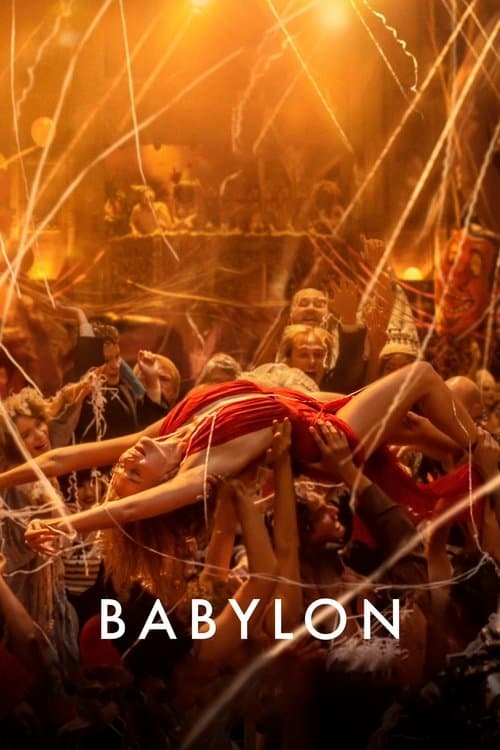
A tale of outsized ambition and outrageous excess, tracing the rise and fall of multiple characters in an era of unbridled decadence and depravity during Hollywood's transition from silent films to sound films in the late 1920s.
“Don’t end up alone like I did.” This plea expressed by her grandmother before passing, haunts Tatiana, a single, 40-year-old documentary filmmaker. Filled with questions about what it means to “not end up alone,” Tatiana explores her grandma Teresa’s life: an imposing woman who owned an iconic movie theater, divorced three times and challenged the Dominican social norms of her era. The filmmaker embarks on a journey through family archives, old films and hundreds of letters, constructing —or trying to deconstruct— a story about love, expectations and solitude.
Andrew returns to his hometown for his mother’s funeral, a journey that reconnects him with old friends. The trip coincides with his decision to stop taking his powerful antidepressants. A chance meeting with Sam—a girl also struggling with various maladies—opens up the possibility of rekindling emotional connections, confronting his psychologist father, and perhaps beginning a new life.
A documentary look at the 'making of' and cult success of the troubled Lou Adler directed film "Ladies And Gentlemen The Fabulous Stains" starring Diane Lane.
Born in Berlin in 1896, Lotte Eisner became famous for her passionate involvement in the world of both German and French cinema. In 1936, together with Henri Langlois, she founded the Cinémathèque Française with the goal of saving from destruction films, costumes, sets, posters, and other treasures of the 7th Art. A Jew exiled in Paris, she became a pillar of the capital's cultural scene, where she promoted German cinema.
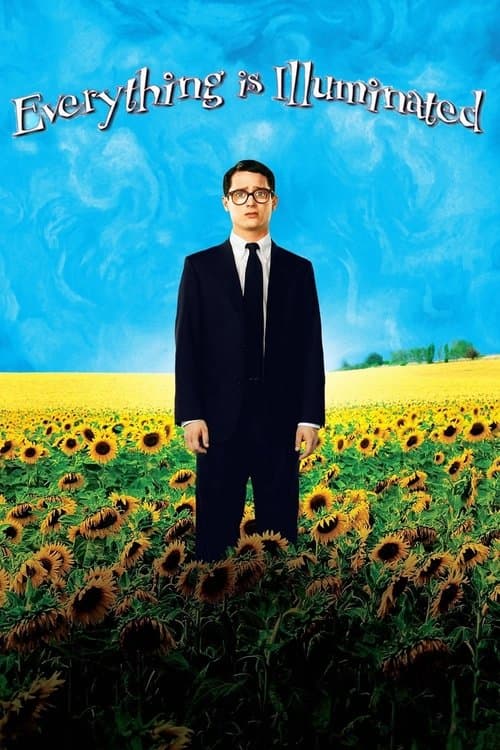
A young Jewish American man endeavors—with the help of eccentric, distant relatives—to find the woman who saved his grandfather during World War II—in a Ukrainian village which was ultimately razed by the Nazis.
This documentary captures the sounds and images of a nearly forgotten era in film history when African American filmmakers and studios created “race movies” exclusively for black audiences. The best of these films attempted to counter the demeaning stereotypes of black Americans prevalent in the popular culture of the day. About 500 films were produced, yet only about 100 still exist. Filmmaking pioneers like Oscar Micheaux, the Noble brothers, and Spencer Williams, Jr. left a lasting influence on black filmmakers, and inspired generations of audiences who finally saw their own lives reflected on the silver screen.
An aspiring filmmaker poses as a relative of Francis Ford Coppola to get her independent movie made.