On the verge of professional breakthrough, a young Bertolt Brecht reflects on relationships.
narration
For five years, Stephen McCoy documented street life in Boston. This is what he captured.
Following fateful scientific reports, protestors pose the argument for a better future against the vested interest of industry. Small to large, individual to collective, where do I fit into this?
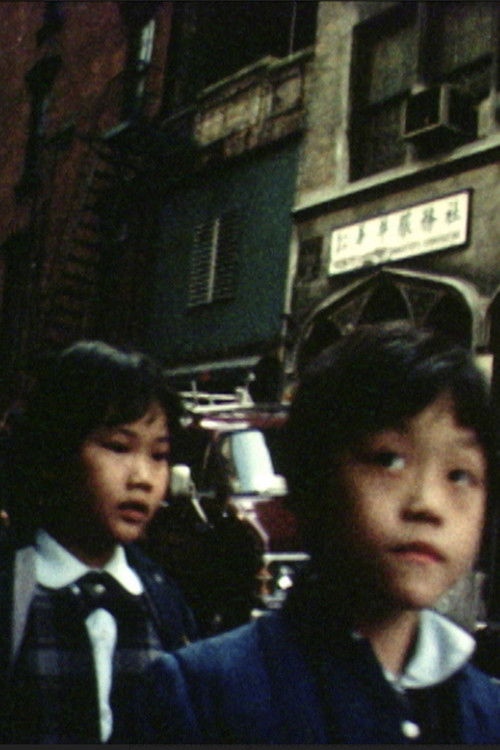
The series’ latest Harald Vogl feature (from 1984) completes the filmmaker’s gradual movement away from narrative toward a vérité-style essay film. Gone are the post-punk streets of the East Village, replaced with on-the-ground footage of antiwar protests and visitors to the Vietnam Memorial in Washington DC, and observational scenes of union parades, marching bands, street dancers, and Chinatown residents back in Manhattan.
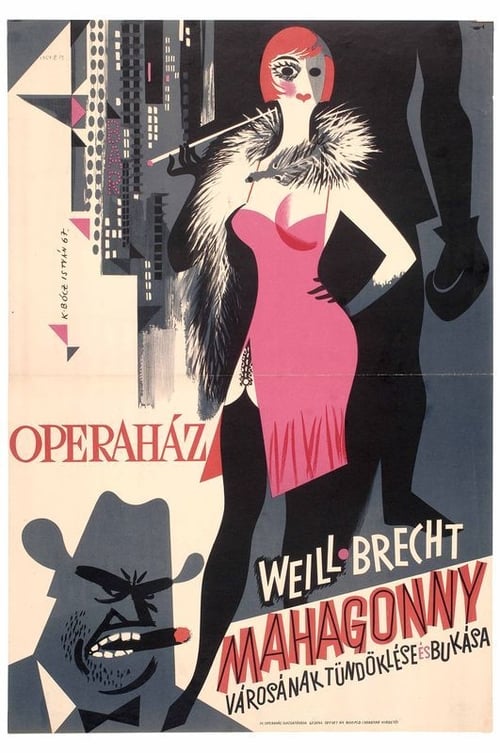
The city of Mahagonny, founded by three criminals, becomes a place for people looking for their luck or money. One among them is the lumberjack Jim Mahoney. However, he is disappointed by what the city is.
Harry Smith’s final film; an epic four-screen projection. Smith worked on this cinematic transformation of Kurt Weill and Bertolt Brecht’s opera Rise and Fall of the City of Mahagonny (1929) for over ten years and considered it his magnum opus. The film was shot from 1970 to 1972 and edited for the next eight years. The “program” of the film is meticulous, with a complex structure and order. The Weill opera is transformed into a numerological and symbolic system. Images in the film are divided into categories— portraits, animation, symbols and nature— to form the palindrome P.A.S.A.N.A.S.A.P. The film contains invaluable cameos of important avant-garde figures such as Allen Ginsberg, Patti Smith, and Jonas Mekas, intercut with installation pieces from Robert Mapplethorpe’s studio, New York City landmarks of the era, and Smith’s visionary animation.
Hitler's seizure of power in 1933 and his rule in the years that followed are transferred to the North American criminal world of the 1930s in a parable. Gangster boss Ui needs the protection of the ruling class to achieve his goals and offers his help to their representatives. They initially hesitate, but join forces after Ui violently gains their respect. His victory is perfect and the people fall silent before the revolvers of their "protectors". Ui takes the raised hands as a sign of approval... Bertolt Brecht wrote the play in 1941 in a Finnish asylum - the premiere only took place in Stuttgart after his death in November 1958. It has been staged at the Berliner Ensemble since 1959 - Ekkehard Schall has played Ui over 500 times since then. On January 13, 1974, the play was shown for the last time, recorded in color by GDR television.
Inspired by the work of Bertolt Brecht and filmed in Porto's former industrial slaughterhouse, A Santa Joana dos Matadouros is a meta-cinematic essay about the labor market in times of economic crisis in Europe. The film explores the possibilities of cinema in its relationship with theater and brings together a cast of professional actors, amateurs, renowned artists from various disciplines, and a group of unemployed residents of Vale de Campanhã.
"Aurore, my friend, Aurore, the main actress of Rendez-vous d'Anna and other films of mine, our meeting, the why and how of our joint work". – Chantal Akerman
Short film on Raoul Servais' Servaisgrafie process/invention.
The rise and fall of the biggest star of travesty show in Prague in the nineties. The film tells the story of a man with shocking sincerity and openness in confession of two different personalities, woman and man living in one body.
Relive the magic with hosts Art Linkletter, Bob Cummings and Ronald Reagan at the live opening day celebration. Broadcast on July 17, 1955 to a live audience of over 90 million people, tour every magical land in park, from the Disneyland Express to Sleeping Beauty Castle
Ts'oostsitsi is a Blackfoot word used to describe the past. Feeling responsible to continue storytelling in his family, Ike Solway recounts a powerful experience had by his grandfather. What follows is a story that echoes through generations.
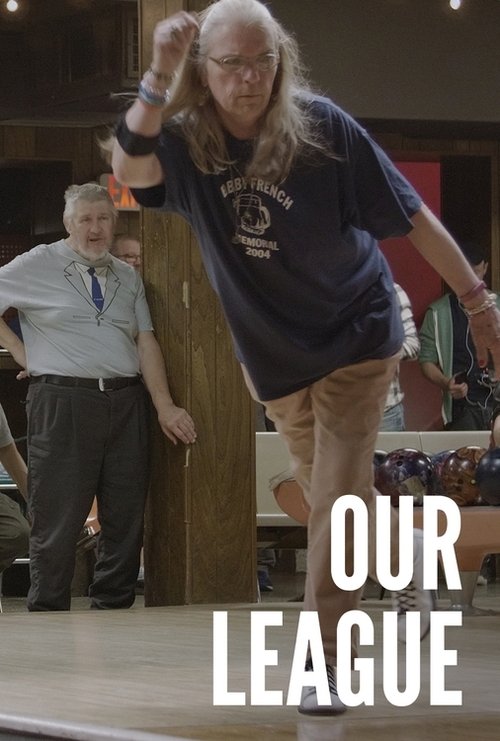
A community of bowlers outside of Cleveland cope with fundamental change when new owners take over at a landmark alley and a longtime league member comes out as a trans woman.
Emotional portrayal of a man's relationship with his mother.
No overview available.
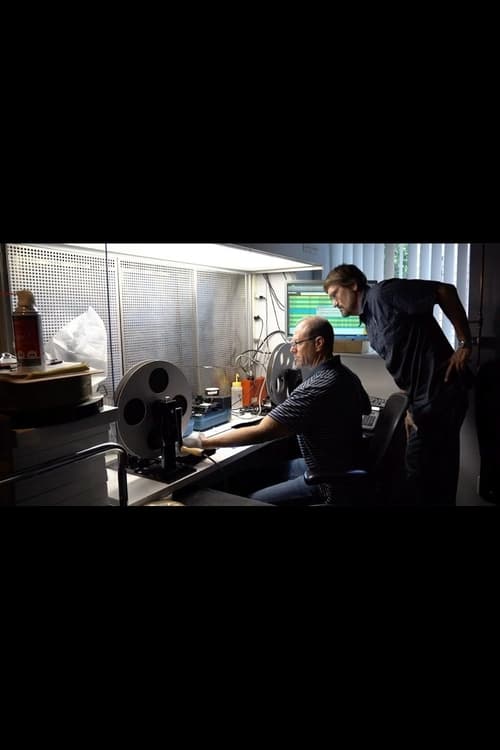
A comprehensive and fascinating behind-the-scenes look at the restoration process of restoring 3-strip Cinerama for the 1962 film "The Wonderful World of the Brothers Grimm".
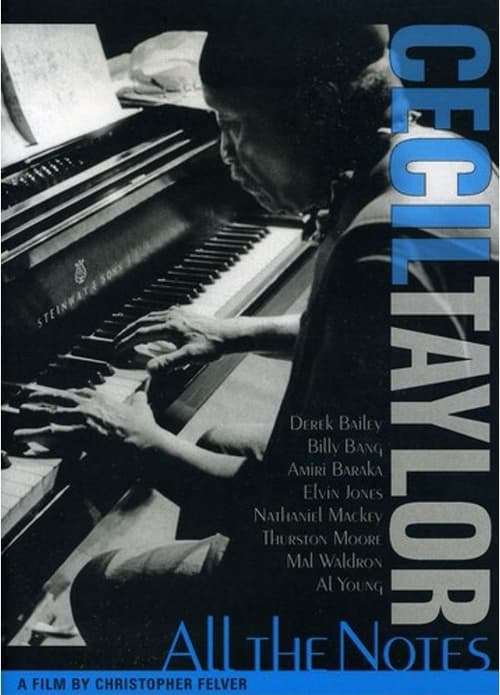
Cecil Taylor was the grand master of free jazz piano. "All the Notes" captures in breezy fashion the unconventional stance of this media-shy modern musical genius, regarded as one of the true giants of post-war music. Seated at his beloved and battered piano in his Brooklyn brownstone the maestro holds court with frequent stentorian pronouncements on life, art and music.
A refugee from the Sudanese civil war, Zacharia (one of the ‘Lost Boys' of Sudan) lives in Sydney with his wife and daughter. He desperately wants to do something for his former village, now in the newly created nation of South Sudan. His dream is to build a much-needed school, enlisting the backing of numerous Australians. Janet, a dedicated supporter, joins him on a 40-day fundraising walk from Tweed Heads to Sydney along with filmmaker Tom Zubrycki. But will this strategy raise the funds they need? Thwarted by escalating conflict back in South Sudan, and shocked by a broken relationship, Zac must decide what's important in his life.
No Trailers found.