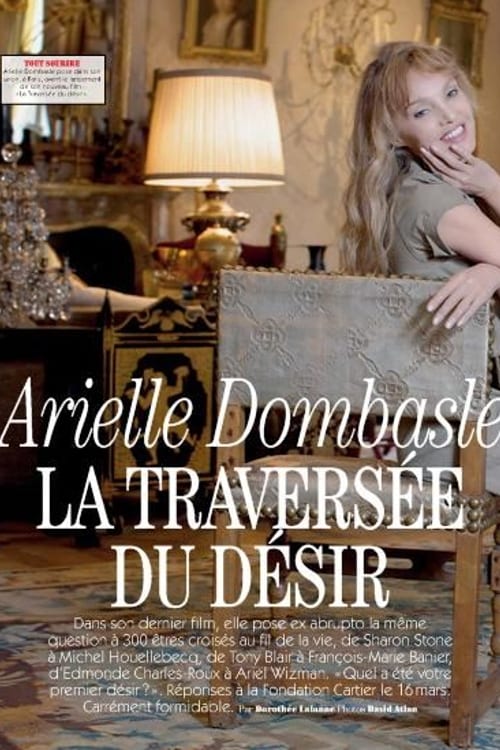
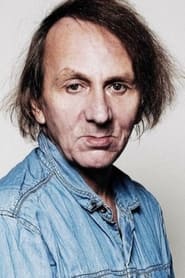
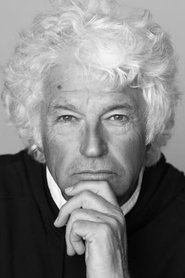
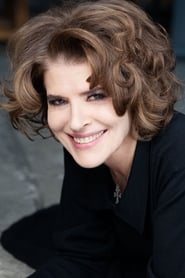
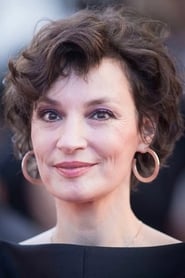
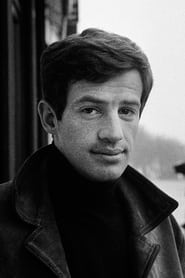
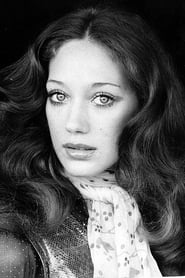
What was your first desire? What did you long for most? Arielle Dombasle put these questions to a wide circle of famous people.
Self
No Trailers found.
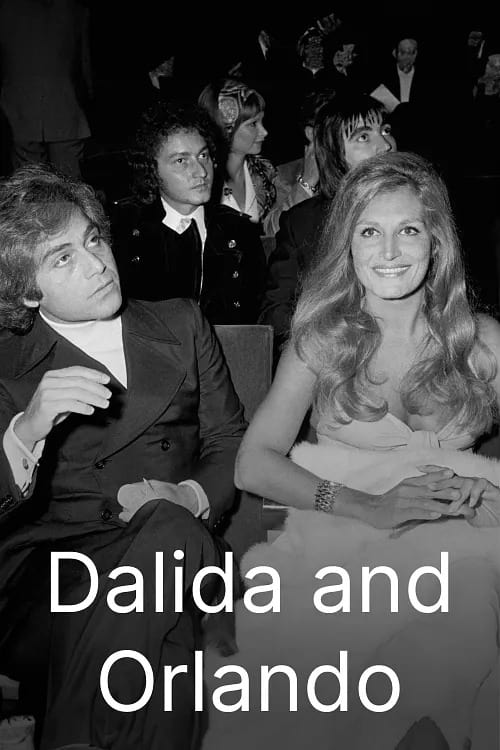
Dalida was an international star, selling over 140 million records in 10 languages. But behind her glittering career and dramatic and tragic personal life, was her ever supportive younger brother Orlando. The documentary sheds light on the professional and personal relationship between the music icon and her producer, between sister and brother.
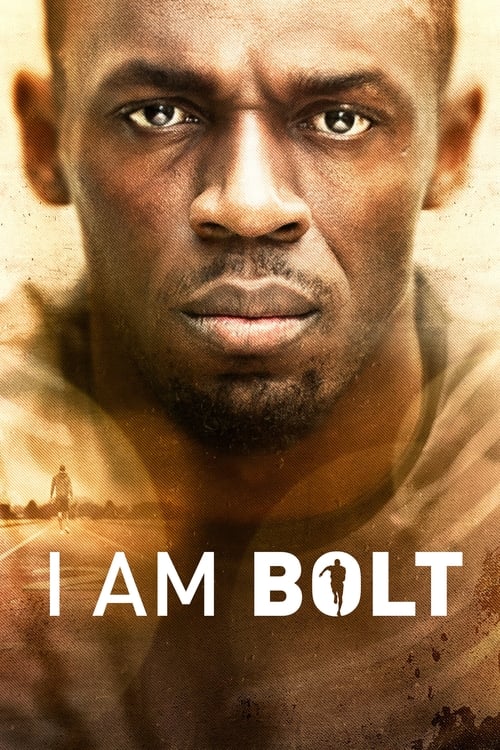
Fully authorized, access-all-areas feature doc on the hugely charismatic and globally adored Usain Bolt – officially the fastest man alive. With never-before-seen archive footage of his youth in Jamaica, through to original footage that will be captured at his fourth and final Olympic Games in Rio, where he will compete for the gold in both the 100 and 200 metres races, for a third straight Games before his retirement in 2017. I AM BOLT will reveal the man and define the legacy of this incredible athlete.
No overview available.
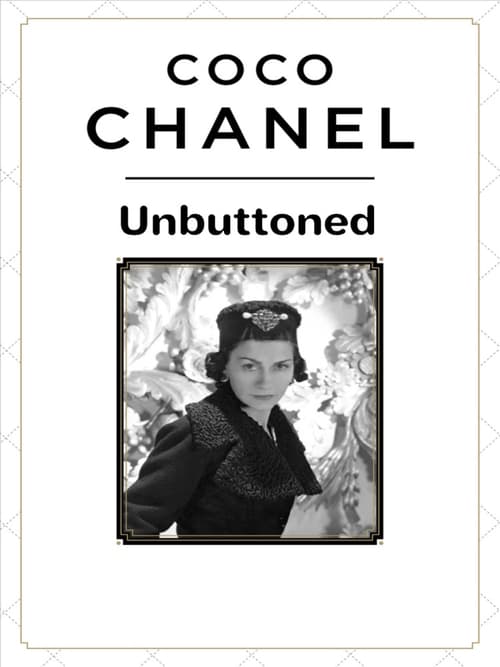
The story of original influencer Coco Chanel, whose designs still represent the zenith of female sexuality, style and power.
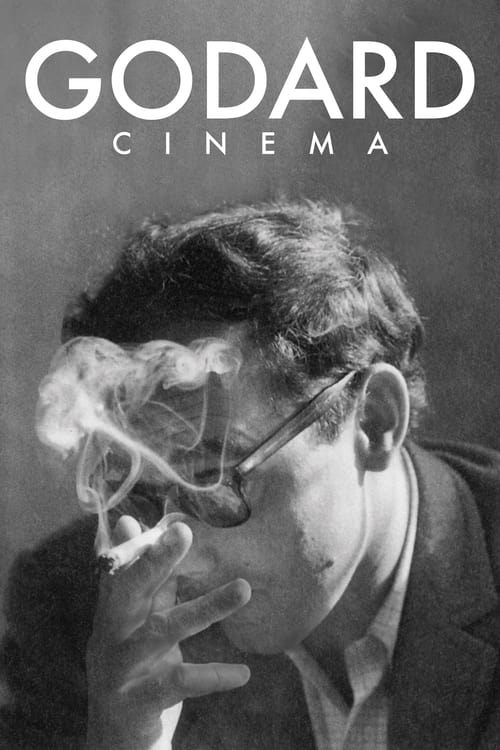
Jean-Luc Godard is synonymous with cinema. With the release of Breathless in 1960, he established himself overnight as a cinematic rebel and symbol for the era's progressive and anti-war youth. Sixty-two years and 140 films later, Godard is among the most renowned artists of all time, taught in every film school yet still shrouded in mystery. One of the founders of the French New Wave, political agitator, revolutionary misanthrope, film theorist and critic, the list of his descriptors goes on and on. Godard Cinema offers an opportunity for film lovers to look back at his career and the subjects and themes that obsessed him, while paying tribute to the ineffable essence of the most revered French director of all time.
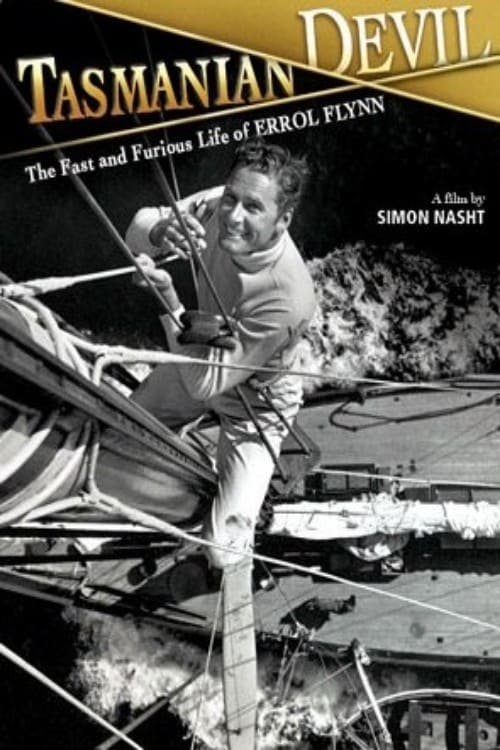
The story of Tasmanian-born actor Errol Flynn whose short & flamboyant life, full of scandals, adventures, loves and excess was largely played out in front of the camera - either making movies or filling the newsreels and gossip magazines. Tragically he was dead from the effects of drugs and alcohol by the time he was only 50 & the myths live on. But there is another side of Flynn that is less well known - his ambitions to be a serious writer and newspaper correspondent, his documentary films and his interest in the Spanish Civil War and Castro's Cuba
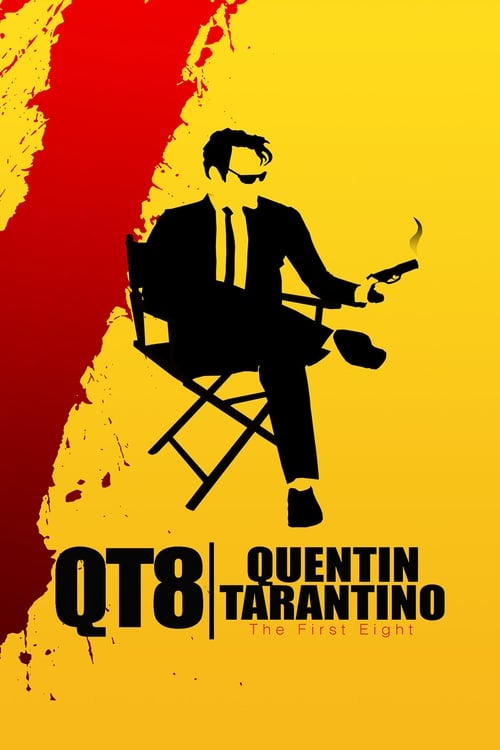
A detailed account of the life and artistic career of legendary filmmaker Quentin Tarantino, from his early days as a video club manager to the scandalous fall in disgrace of producer Harvey Weinstein. A story about how to shoot eight great movies and become an icon of modern pop culture.
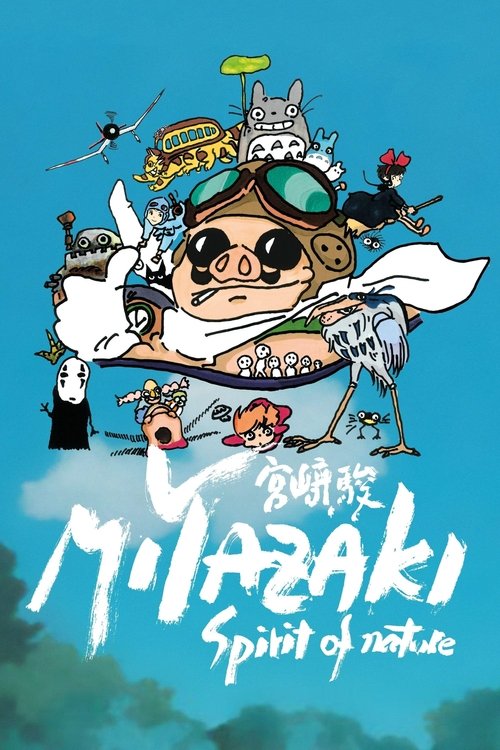
A documentary that focuses on Hayao Miyazaki’s deep connection to nature and the environmental themes expressed through his films.
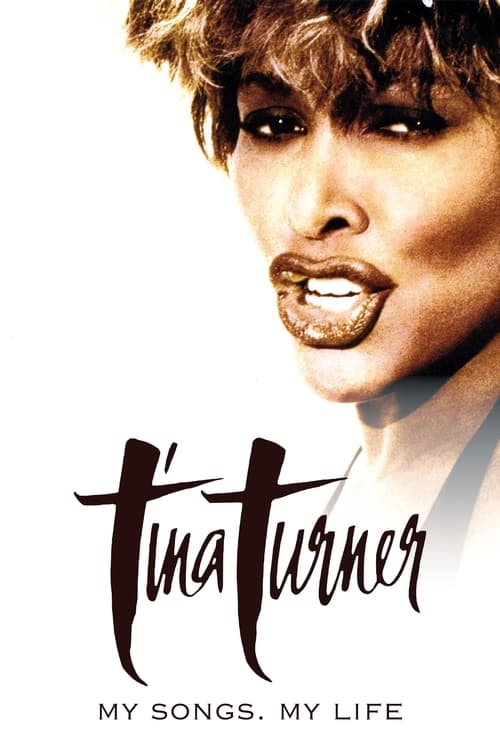
Hardly any other world star has left such a profound mark on people's hearts and on music history. This documentary traces the influence of an exceptional artist and follows the paths she paved for a new generation of Black artists.
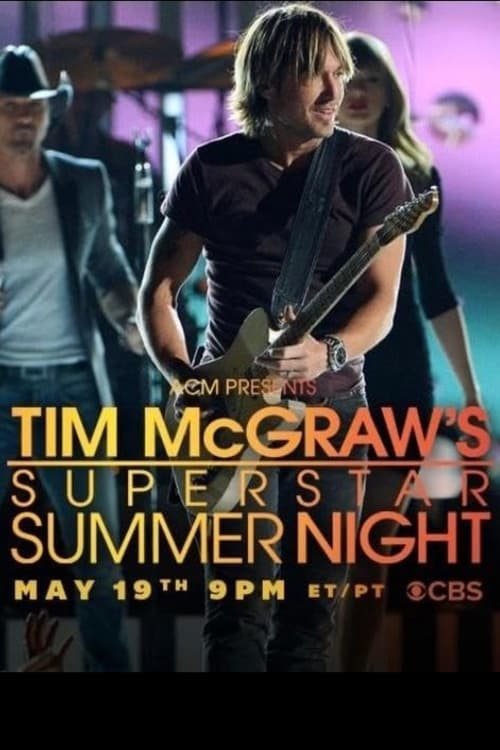
Fifteen time ACM Award winner, acclaimed actor and entertainer Tim McGraw is handpicking the hottest music of summer and calling on his friends to help kick off the 2013 touring season. The two-hour star-studded concert event will feature performances and collaborations from country, pop, rock and more, as well as a few surprise special guests from the worlds of film and television. All proceeds will benefit ACM Lifting Lives, the charitable arm of the Academy, and an organization that McGraw was closely affiliated with over his last tour.
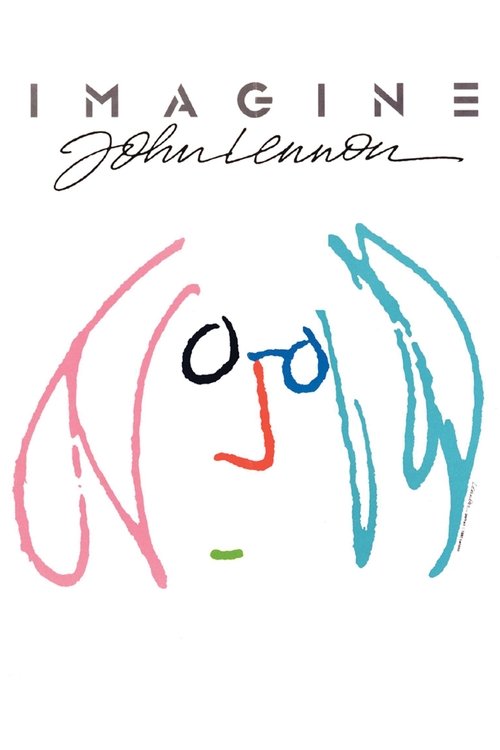
The biography of former Beatle, John Lennon—narrated by Lennon himself—with extensive material from Yoko Ono's personal collection, previously unseen footage from Lennon's private archives, and interviews with David Bowie, his first wife Cynthia, second wife Yoko Ono and sons Julian and Sean.
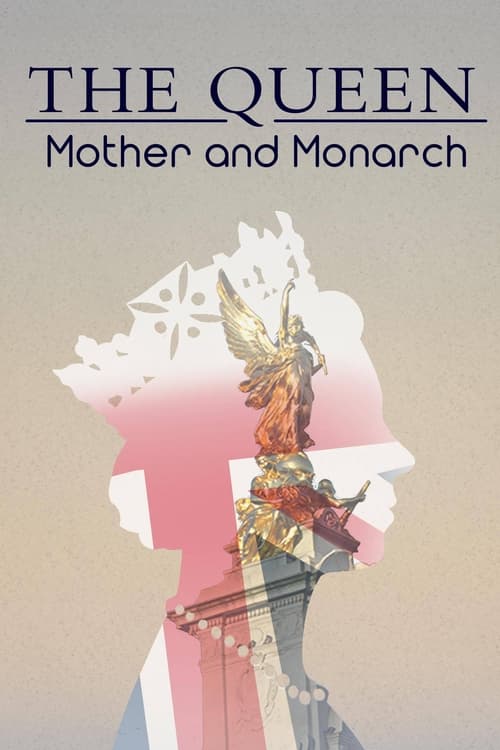
Following the announcement from Buckingham Palace of the death of Her Majesty The Queen, we examine how Queen Elizabeth II balanced her duties as head of both her family and her country
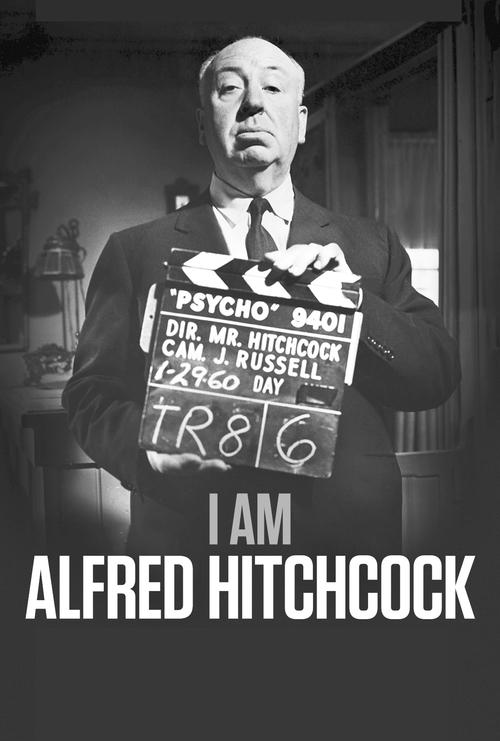
Interviews and archival footage weave together to tell the story of the Master of Suspense, one of the most influential and studied filmmakers in the history of cinema.
With exclusive behind-the-scenes access into Herzog’s everyday life, rare archive material and in-depth interviews with celebrated collaborators – including Christian Bale, Nicole Kidman, and Robert Pattinson, we are given an exciting glimpse into the work and personal life of the iconic artist.
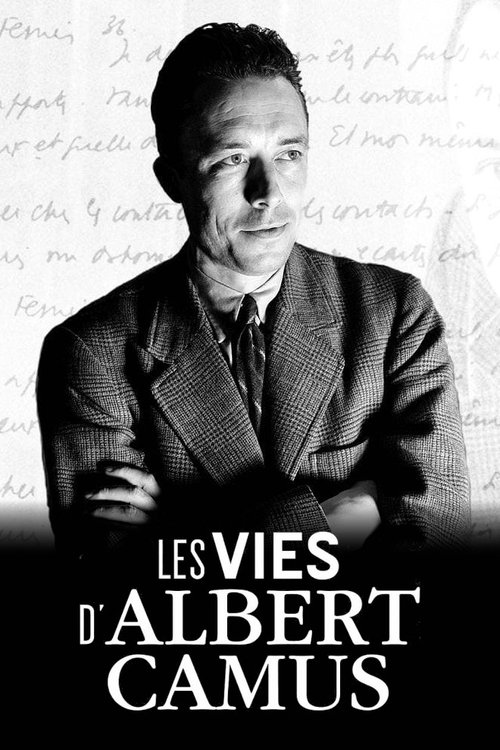
Albert Camus died at 46 years old on January 4, 1960, two years after his Nobel Prize in literature. Author of “L'Etranger”, one of the most widely read novels in the world, philosopher of the absurd and of revolt, resistant, journalist, playwright, Albert Camus had an extraordinary destiny. Child of the poor districts of Algiers, tuberculosis patient, orphan of father, son of an illiterate and deaf mother, he tore himself away from his condition thanks to his teacher. French from Algeria, he never ceased to fight for equality with the Arabs and the Kabyle, while fearing the Independence of the FLN. Founded on restored and colorized archives, and first-hand accounts, this documentary attempts to paint the portrait of Camus as he was.
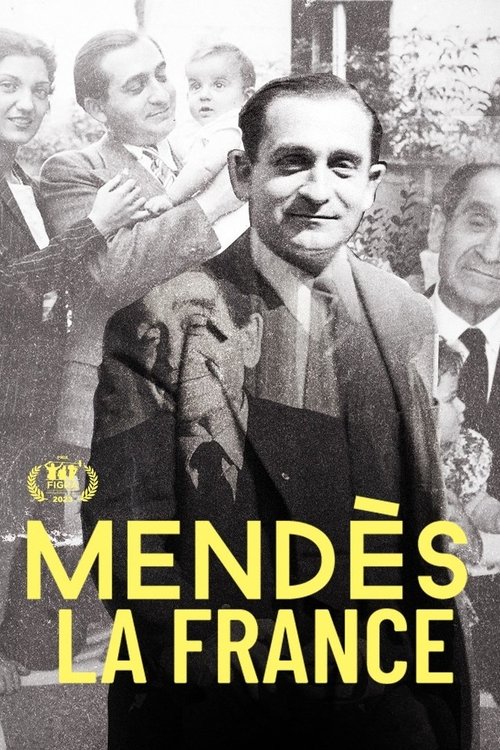
Forty years after the death of Pierre Mendès France, Yves Jeuland and Alix Maurin reveal another side to this figure: the story of his life, told through the pages of his private notebooks. PMF led a romantic and extraordinary life as a French politician and Jew, both loved and hated.
Edgar Allan Poe is one of the most famous American authors. And probably the most abysmal. In his texts, he deals with the dark side of humanity like no other. And was himself scarred by this throughout his life. The writer not only shaped the genres of horror literature and science fiction novels, but today seems more popular than ever.
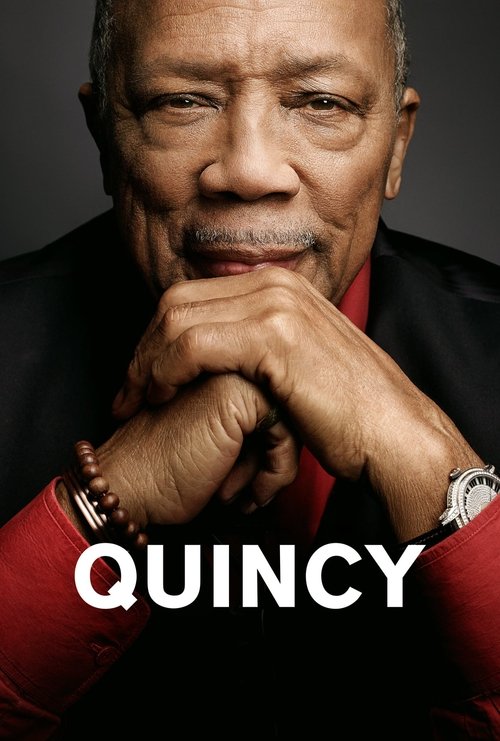
An intimate look into the life of icon Quincy Jones. A unique force in music and popular culture for 70 years, Jones has transcended racial and cultural boundaries; his story is inextricably woven into the fabric of America. Jones came to prominence in the 1950s as a jazz arranger and conductor before working on pop music and film scores. He moved easily between musical genres, producing major pop hits of the early 1960s and serving as an arranger and conductor for several collaborations in the same time period.
The film traces the career of some of the winners of this new generation nicknamed the "K-Classics Generation", including the 2 recent winners of the Queen Elisabeth Competition, the soprano Hwang Sumi and the violinist Lim Jiyoung. In Korea, where it all began, and in Germany where most of them have settled.