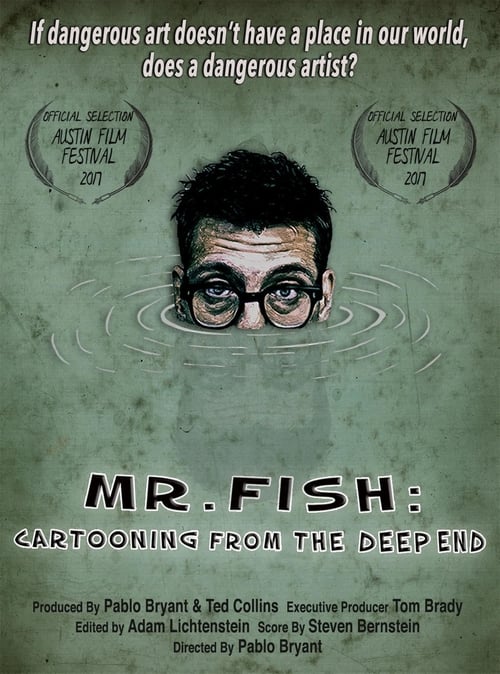
If Dangerous Art Doesn't Have A Place In The World, Does a Dangerous Artist?
In this documentary we discover the dangerously funny cartoonist Mr. Fish, struggling to make a living in an industry that is dying out.
No Trailers found.
No Cast found.
A short film following the release of journalist and activist Barrett Brown from prison, and his drive across Texas to a halfway house. 'Relatively Free' is an examination of Brown's return to a very different world, post the election.
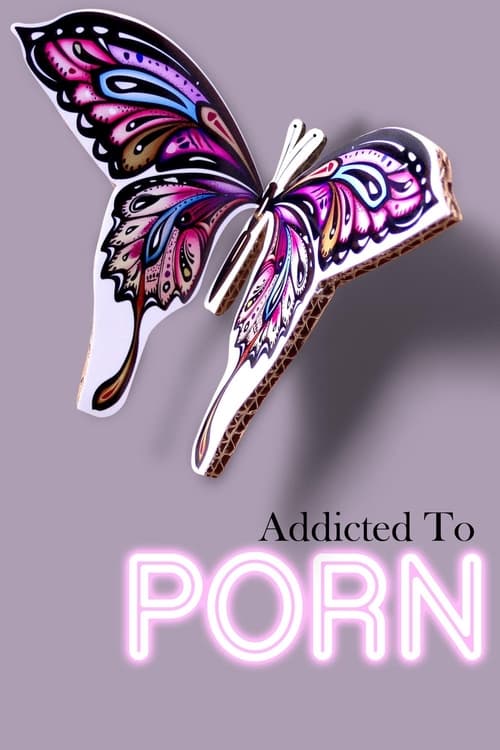
Like it or not, porn is here and it is harmful. In this controversial film, award-winning filmmaker Justin Hunt dissects the impact of pornography on societies around the globe, from how it affects the brain of the individual, to how modern technology leads to greater exposure to youth, to watching it literally tear a family apart. In what may well be one of the most devastating issues in modern culture, this film will break down the damage that porn is doing to us a human race and leave you thinking that it's clearly time that we start taking porn addiction a bit more seriously.
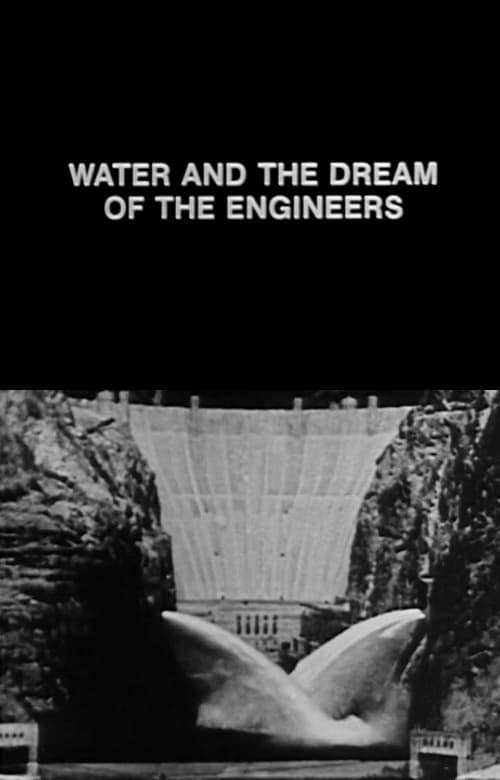
Documentary where rich social history frames a spirited debate on the development of water infrastructure throughout the USA.
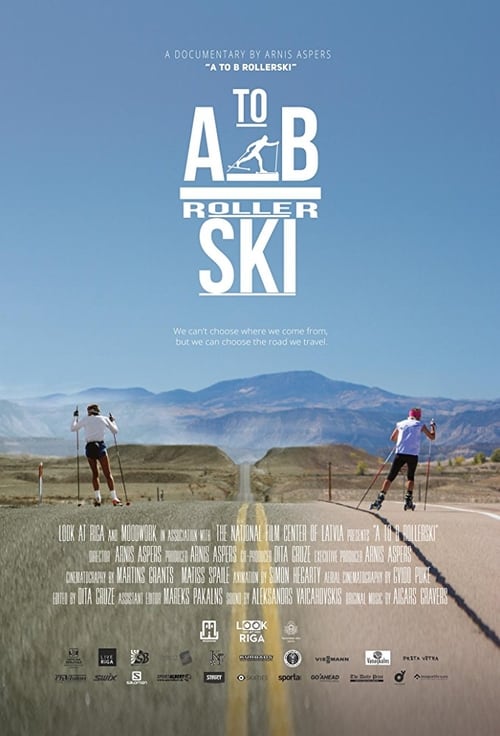
A documentary film revealing the incredible and unique journey of the Latvia-born adventurer and Olympic biathlete Raimonds Dombrovskis back in 1988 as he roller-skis 4,200 miles (6,759 km) from Inuvik (The Arctic, Canada) to Baja (Mexico) in 90 days. He uses his rollerski trip as a way to protest against the Soviet regime and to explain to everyone he meets that somewhere on the map there is a small nation that has its own language and craves freedom.
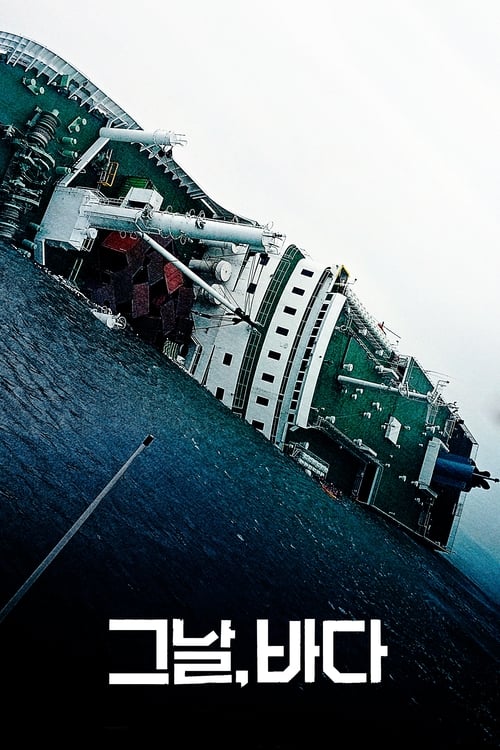
A documentary that scientifically analyses and tracks down the route of the Sewol Ferry that sank on the 16th of April in 2014 using its AIS to discover the cause of the unconfirmed sinking.
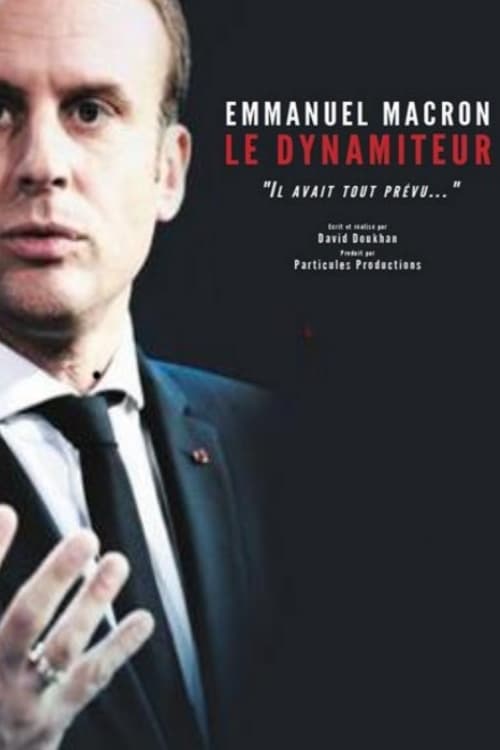
LCI broadcasted, Thursday, April 12, 2018 at 22:30, an investigation by David Doukhan on the accession of Emmanuel Macron to power. From the preparation of his arrival at the Elysée to the way he attached himself the services of a part of the right, after drying out the left.
The mute documentary-experimental film "Ten Minutes of Silence" is a film expression of the trends embodied in the painting "Black Square" by Malevich and J. Cage in music.
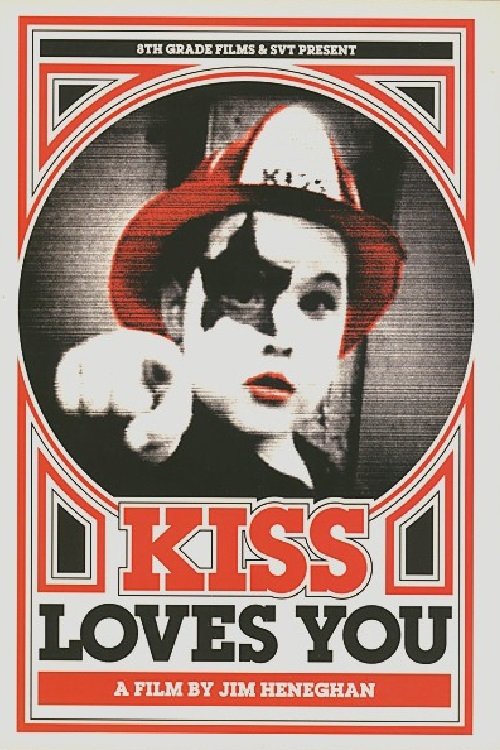
Ten years in the making, KISS Loves You is a film that began back in 1994 when the band KISS was at a career low and KISS fans around the world were starting tribute bands, uniting at unofficial KISS Conventions and growing increasingly more nostalgic for the 70's era classic KISS line-up. The zeitgeist exhibited at these conventions was not lost on the band and in 1996 they responded, rising up like a grease painted phoenix into a new era of success. On the surface, KISS fans got exactly what they longed for, but for some the return of their idols brought unexpected consequences. KISS Loves You follows a few KISS fans along the way.
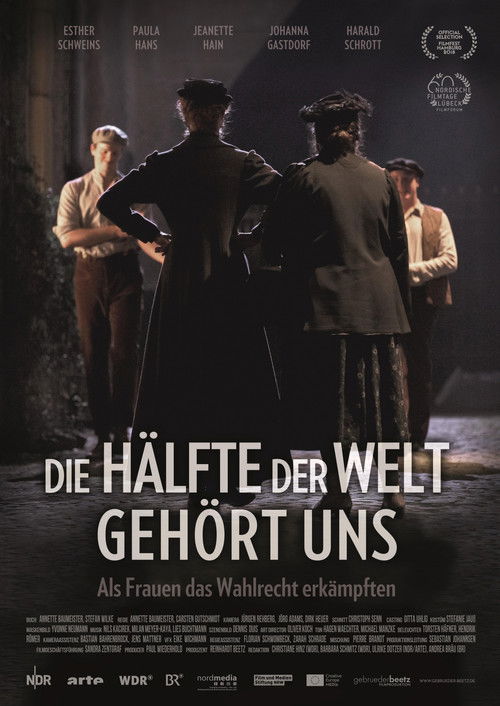
They were, at best mocked or ridiculed, at worst incarcerated, tortured, or even beheaded. But they would not be deterred. For decades ten thousands of women in Germany, Great Britain, in France, the U.S. and many other countries fought for their right to vote. Some used the institutions, others turned into media savvy politicians, and still others turned to terrorism, went on hunger strike, or died as martyrs. 100 years later we tell a multi-perspective and emotional story of the international fight, against all odds, for women’s suffrage as an important step towards equal rights.
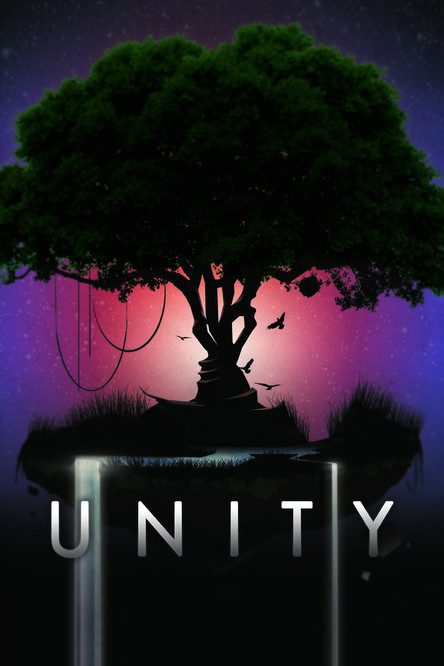
Despite the advent of science, literature, technology, philosophy, religion, and so on -- none of these has assuaged humankind from killing one another, the animals, and nature. UNITY is a film about why we can't seem to get along, even after thousands and thousands of years.
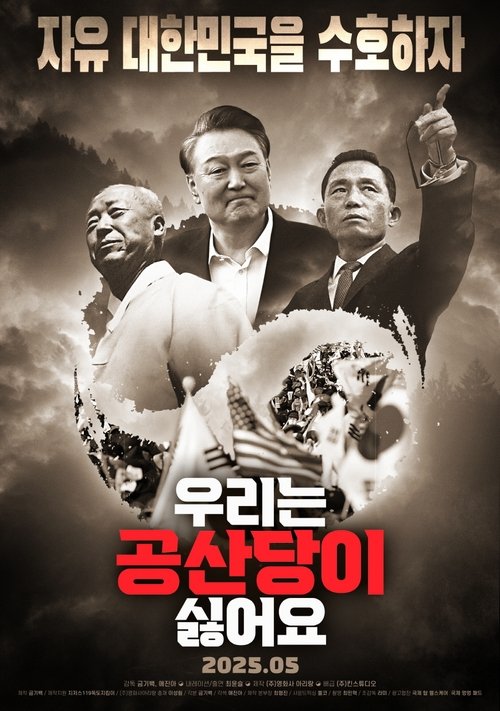
No overview available.
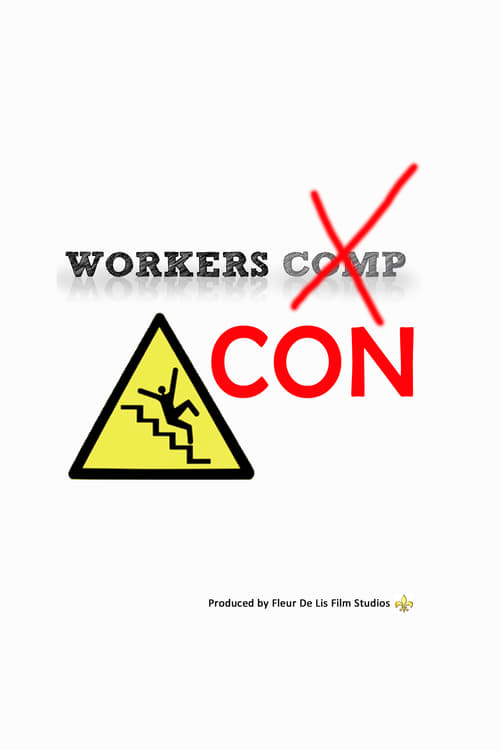
Workers Compensation, is the Worker's Con, a process flawed, buried in bureaucracy, adding insult to injury.
Hart's Forest Gardening introduces a way of working alongside nature- an approach that results in great productivity with minimal maintenance, and a method for transforming even a small cottage garden into a diverse and inviting habitat for songbirds, butterflies, and other wildlife. Based on the model of a natural woodland, a forest garden incorporates a wide variety of useful plants, including fruit and nut trees, perennial herbs, and vegetables. Robert Hart blends history, philosophy, anthropology, and seasonal gardening wisdom, which together comprise a remarkable testament to the pleasures of "hands-off" as well as hands-on gardening. Practical features include: Design guidelines for creating your own perennial food-producing garden Lists of recommended plants and varieties, An explanation of how plants in different levels or "stories" --from ground covers to full-sized trees--coexist and interact in a healthy and productive landscape.
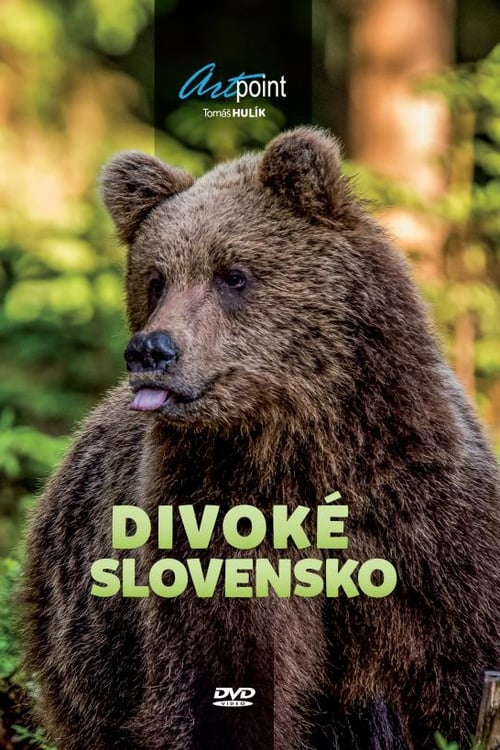
Slovakia lies in the heart of Europe. What natural treasures the small country holds, what spectacular nature and what peculiarities of flora and fauna, it is told in "Wild Slovakia".
Documentary made in two parts by Luciano Berriatúa. This first part focuses on childhood, personal life and the early works in films by German director F.W. Murnau.
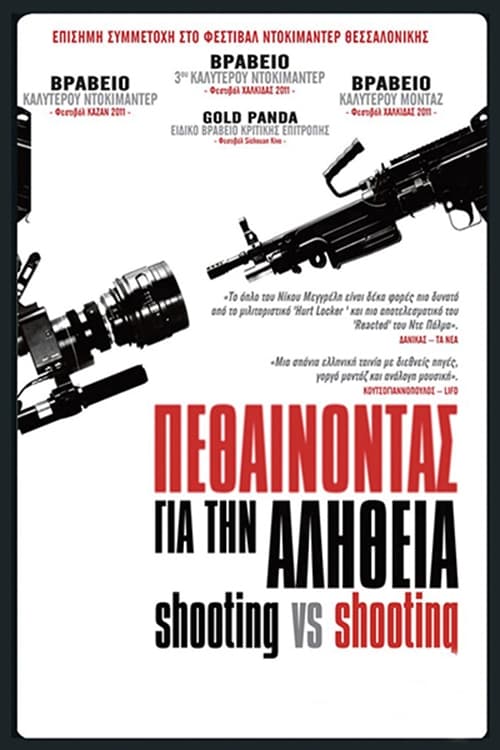
The film – documentary “Shooting vs Shooting” presents a group of astonishing stories about journalists who were afflicted in the Iraq war, by following a journalist’s journey in Baghdad in 2009 and the story of a mother who seeks for an answer to the question why her son got killed while his only weapon was his camera. “Shooting vs Shooting” narrates incredible moments and adventures, reveals unknown sides to the facts and shows the dramatic stories of media workers who lost their lives, trying to freely broadcast the truth to the public opinion. Through the documentary, we witness the absurdity of war, the responsibilities of governments and armies and the atrociousness of blinded fanatics.
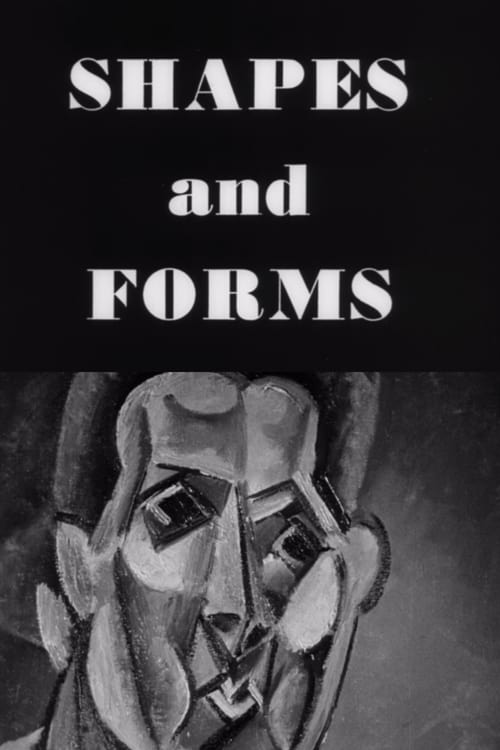
An expressive short film in which examples of early and modern art are juxtaposed to reveal correspondences.
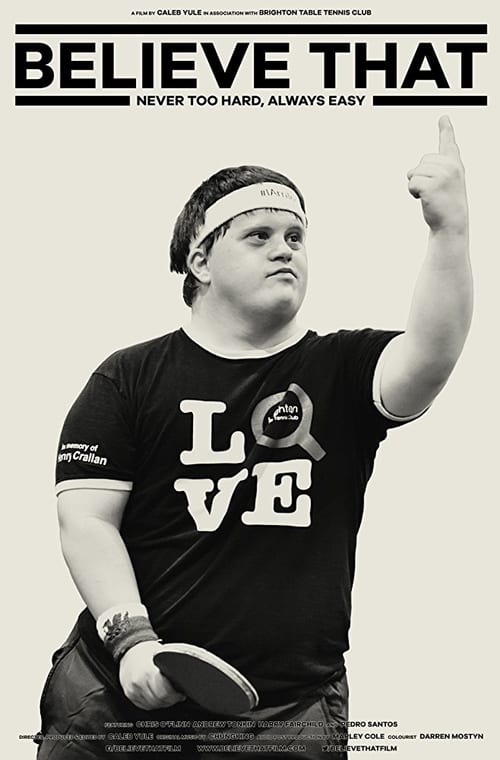
The sporting journey of Team Santos, three athletes from Brighton Table Tennis Club, as they prepare to represent Great Britain at the European Down's Syndrome Championships.
Docu-series featuring short documentaries from six directors.