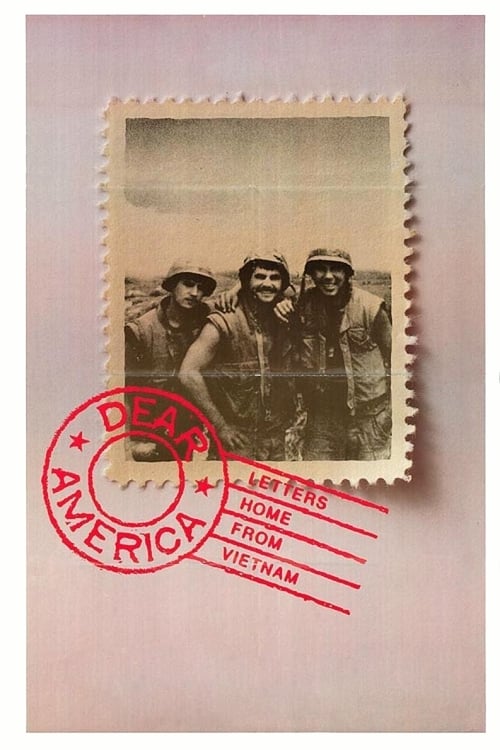
1981. The shabby treatment of returning combat soldiers from Vietnam is investigated.
No Trailers found.
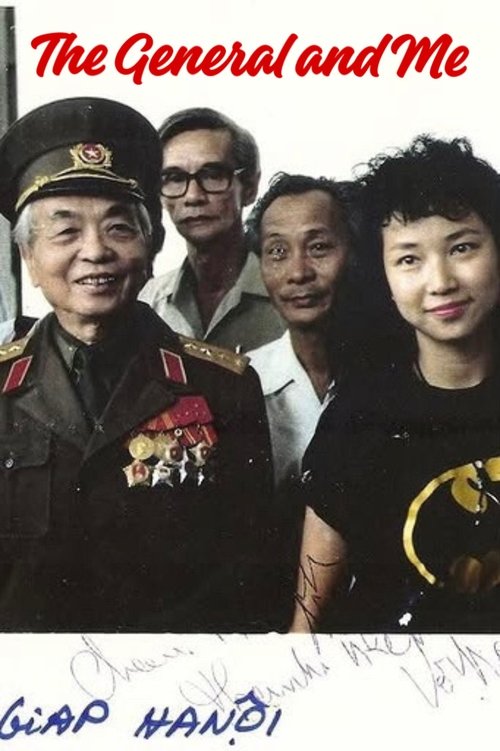
Over the period of 25 years the director met General Võ Nguyên Giáp, a legendary hero of Vietnam’s independence wars, a number of times. She was the first American who entered the home of the “Red Napoleon”. The fruit of this friendship is a film, personal and politically involved at the same time. Travelling across the country and talking to important figures as well as ordinary people, the director finds out more about her roots and offers the audience a unique perspective on Vietnam’s present and past.
A variety of locals react to a napalm plant and an ensuing protest in Redwood City CA during the Vietnam War.
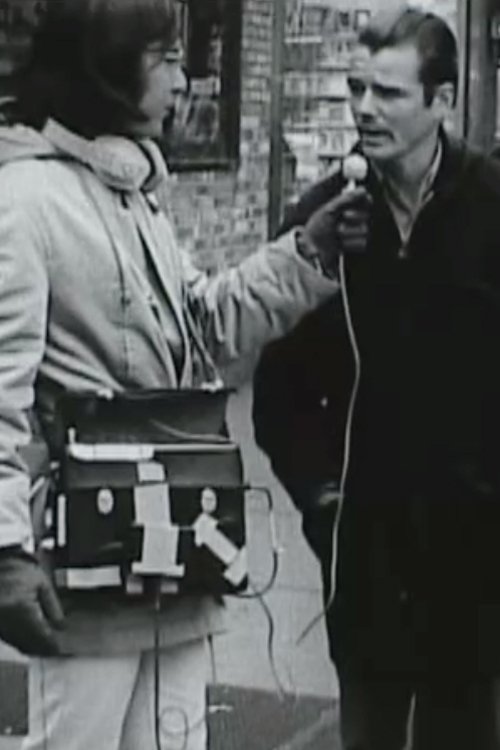
A portrait of the diverse opinions of Chicagoans as they reflect on the general state of affairs in America, the war in Vietnam, social and racial conflict, freedom and personal liberty, happiness, and social justice. Ratamata was made by future Tom Palazzolo collaborator Kreines when he was 16 years old, and was an award winner at the Young Chicago Filmmakers Festival.
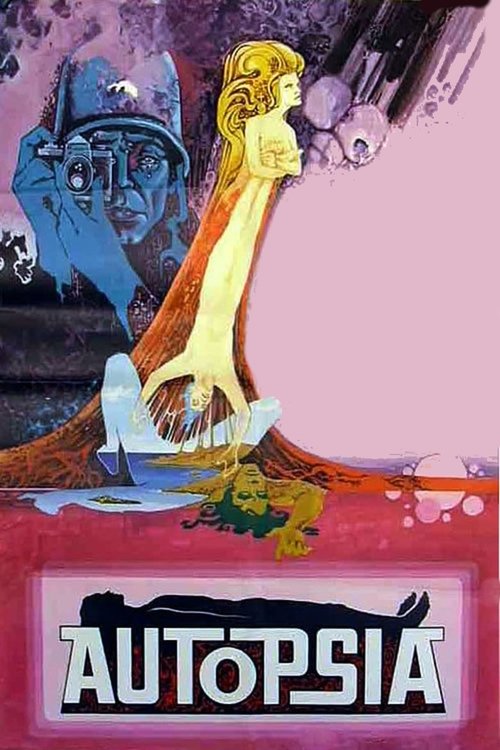
Mondo-style docudrama about a war correspondent who comes back home and has a spiritual crisis about his own mortality. Surreal fantasy sequences are mixed with graphic real autopsy footage.
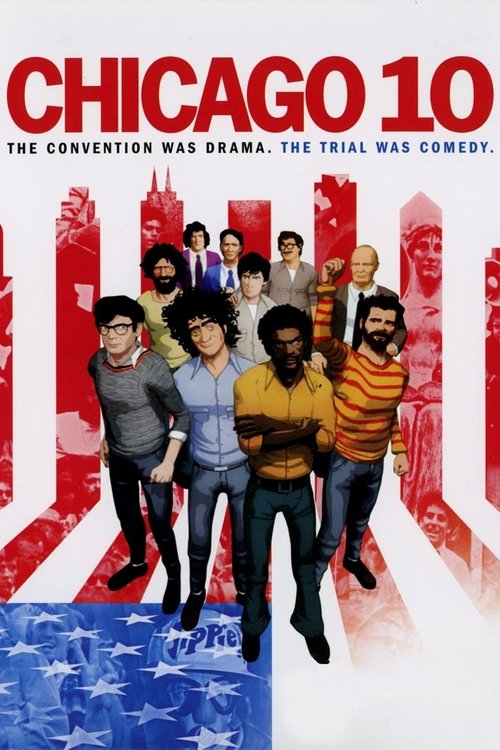
Archival footage, animation and music are used to look back at the eight anti-war protesters who were put on trial following the 1968 Democratic National Convention.
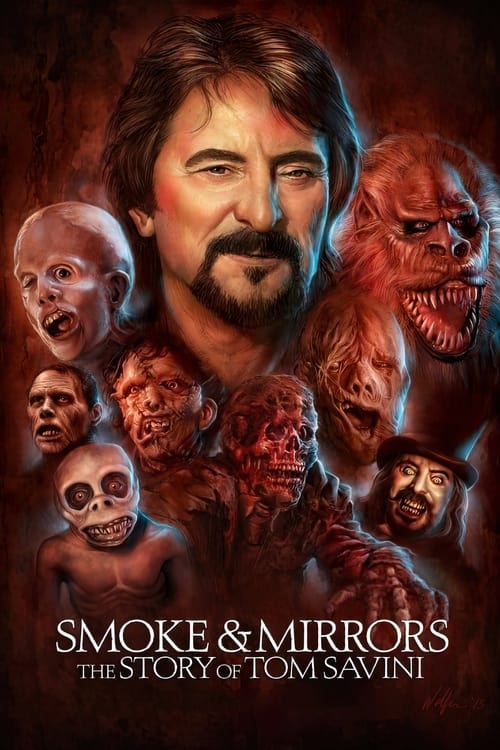
Tom Savini is one of the greatest special effects legends in the history of cinema, but little is known about his personal life until now. For the first time ever a feature length film has covered not only Tom's amazing career spanning over four decades, but his personal life as well.
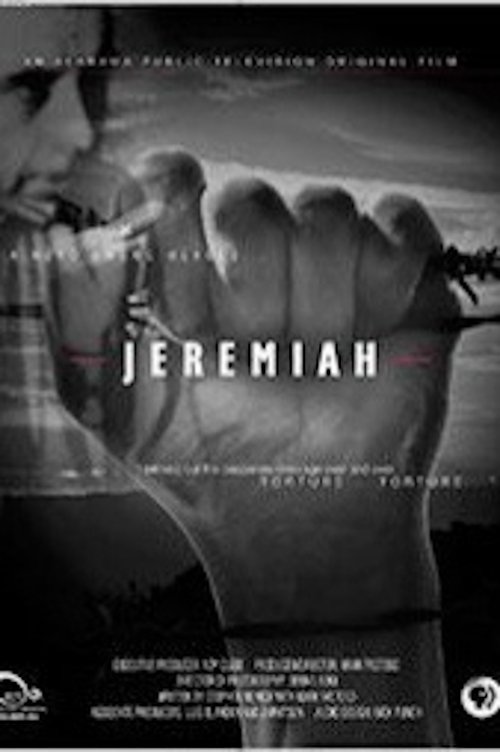
A U.S. Navy Commander Jeremiah Denton leading a plane sortie into North Vietnam was shot down and captured as a POW. For 8 years of his life, he was a prisoner at Hanoi Hilton where he and other POWs were tortured. In a press conference, being forced by the North Vietnamese to say he was being treated well he blinked out the letters TORTURE in Morse code.
A visit to the famed aircraft carrier USS Midway and interviews with men who served aboard it bring the exciting story of the vessel to life in this dramatic documentary. In service for 47 years, the Midway saw heavy action during the Vietnam War, and its hair-raising missions to rescue downed pilots were legendary. After Vietnam, the Midway, now berthed in San Diego, participated in numerous operations, including the Gulf War.
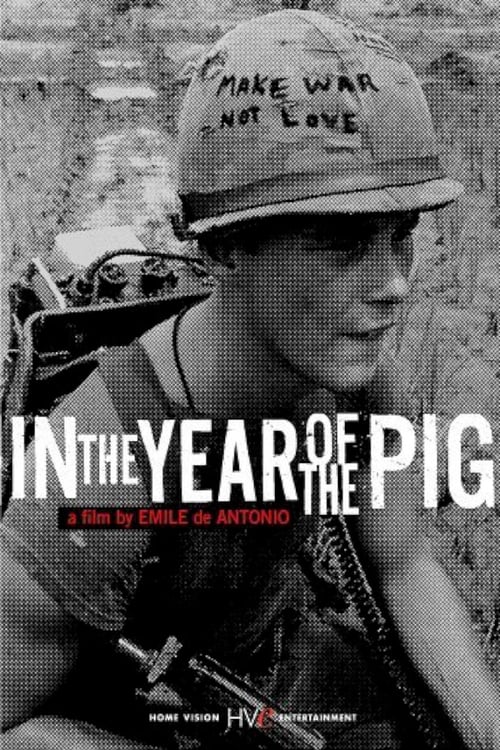
Both sober and sobering, producer-director Emile de Antonio’s In the Year of the Pig is a powerful and, no doubt for many, controversial documentary about the Vietnam War.
Real-life letters written by American soldiers, sailors, airmen, and Marines during the Vietnam War to their families and friends back home. Archive footage of the war and news coverage thereof augment the first-person "narrative" by men and women who were in the war, some of whom did not survive it.
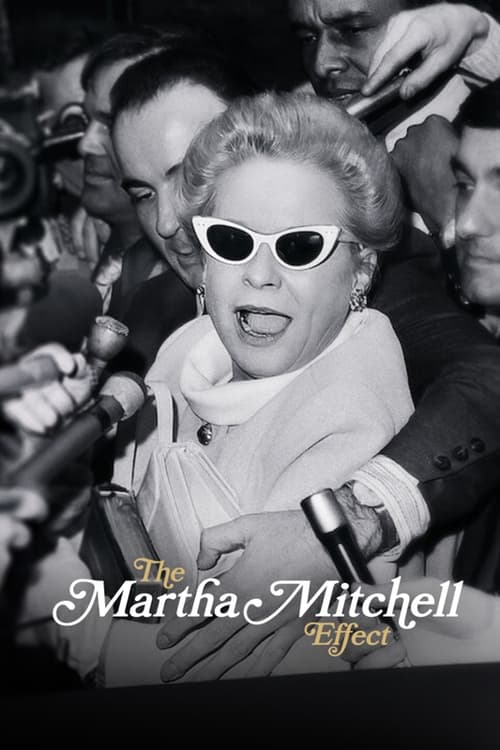
She was once as famous as Jackie O—and then she tried to take down a President. Martha Mitchell was the unlikeliest of whistleblowers: a Republican wife who was discredited by Nixon to keep her quiet. Until now.
American Experience looks at the 1968 Democratic National Convention in Chicago where Vice President Hubert Humphrey won his party's nomination for president amid massive civil unrest and violence perpetrated by Chicago Police and anti-Vietnam War protesters.
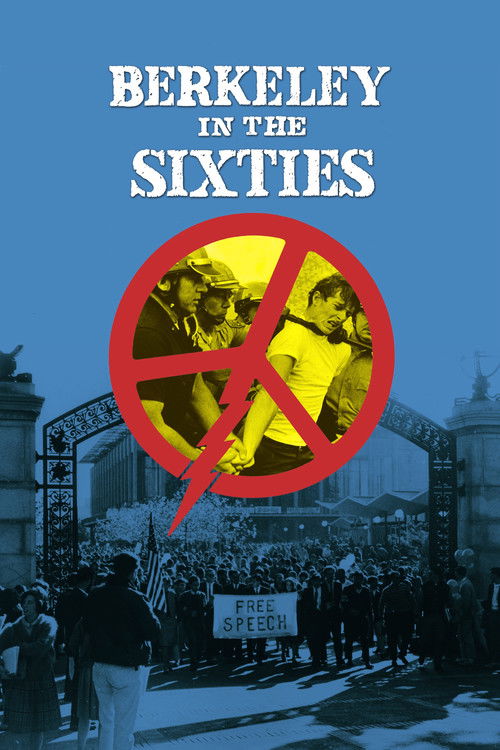
A documentary about militant student political activity at the University of California, Berkeley in the 1960s.
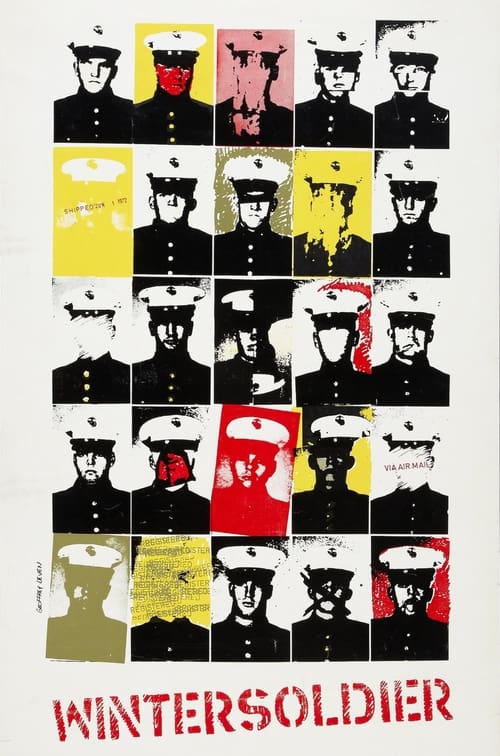
For three days in 1971, former US soldiers who were in Vietnam testify in Detroit about their war experiences. Nearly 30 speak, describing atrocities personally committed or witnessed, telling of inaccurate body counts, and recounting the process of destroying a village.
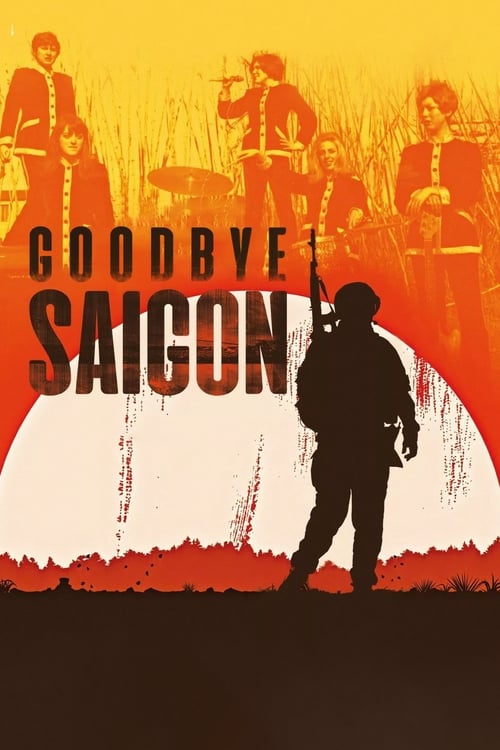
In 1968, five girls from Tuscany who dreamt of seeing the world were offered to tour the Far East as an all-girl band, finding themselves in the middle of the Vietnam War. Fifty years later, they tell the story of Le Stars' adventure amongst American soldiers, remote jungle bases and soul music.
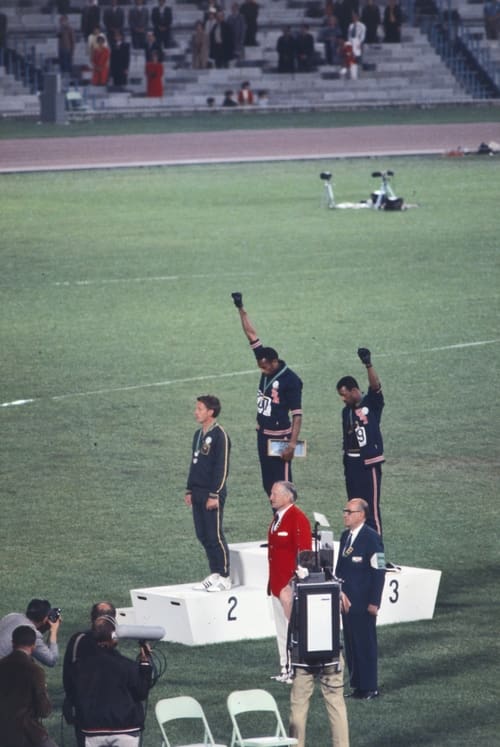
A film about one of the most iconic images of the 20th century, the moment when the radical spirit of the 1960s upstaged the greatest sporting event in the world. Two men made a courageous gesture that reverberated around the world, and changed their lives forever. This film is about Tommie Smith and John Carlos' protest at the 1968 Olympics.
Sir! No Sir! is a documentary film about the anti-war movement within the ranks of the United States Military during the Vietnam War. It consists in part of interviews with Vietnam veterans explaining the reasons they protested the war or even defected. The film tells the story of how, from the very start of the war, there was resentment within the ranks over the difference between the conflict in Vietnam and the "good wars" that their fathers had fought. Over time, it became apparent that so many were opposed to the war that they could speak of a movement.
The story of U.S. fighter pilots shot down over North Vietnam who became POWs for up to 8 and a half years.
Three decades after German-American pilot Dieter Dengler was shot down over Laos, he returns to the places where he was held prisoner during the early years of the Vietnam War. Accompanied by director Werner Herzog, Dengler describes in unusually candid detail his captivity, the friendships he made, and his daring escape. Not willing to stop there, Herzog even persuades his subject to re-enact certain tortures, with the help of some willing local villagers.
Born with cystic fibrosis, 28 year old Ethan Rice faces his demise with a dark sense of humour and more concern about what his passing will mean to those he leaves behind than for himself.