Letters, Riddles and Writs is a one act opera for television by Michael Nyman broadcast in 1991.
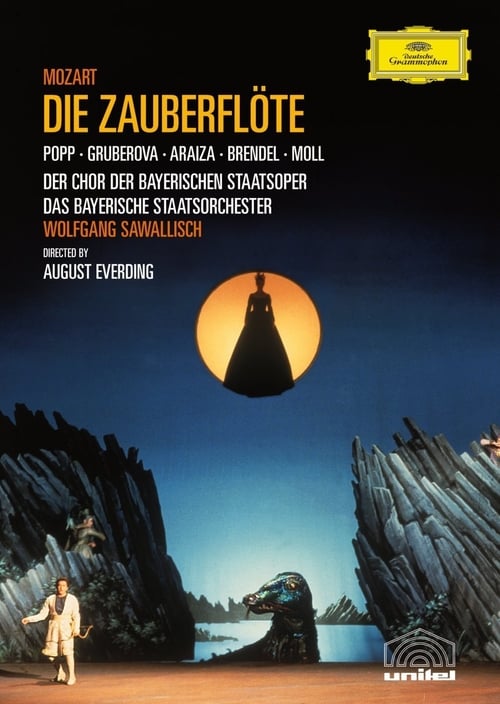
The Queen of the Night enlists a handsome prince named Tamino to rescue her beautiful kidnapped daughter, Princess Pamina. Aided by the lovelorn bird hunter Papageno and a magical flute that holds the power to change the hearts of men, young Tamino embarks on a quest for true love, leading to the evil Sarastro's temple where Pamina is held captive.
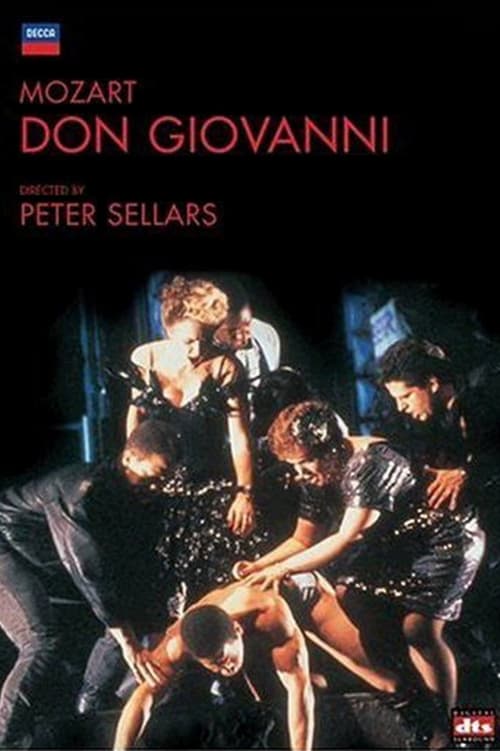
This production was originally staged for the Pepsico Summerfare Festival, The International Performing Arts Festival of the State University of New York at Purchase. Leaving the lyrics in their original Italian, acclaimed American director Peter Sellars transports Wolfgang Amadeus Mozart's "Don Giovanni" to a modern-day metropolis, nestling the opera's beloved characters among the brownstones of New York City's Harlem. Sellars's contemporary retelling of a classic musical tale is one of three performances in a Mozart series that also includes "Le Nozze di Figaro" and "'Così Fan Tutte."
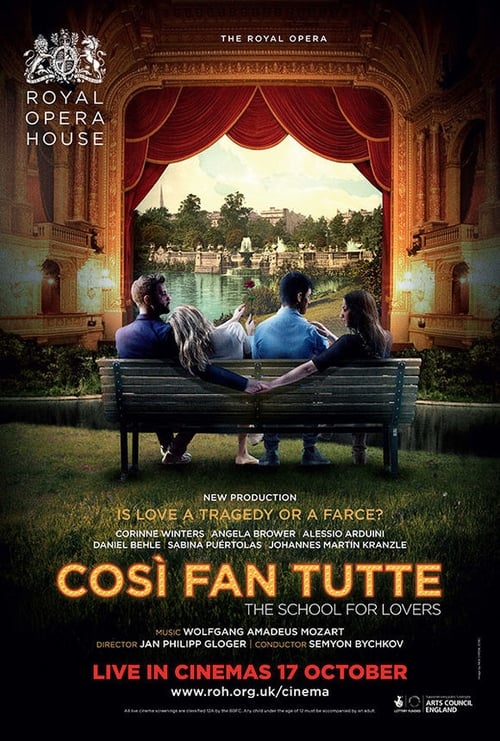
Semyon Bychkov conducts a cast of young, up-and-coming talent including American soprano Corinne Winters in a new production of Mozart’s opera on the nature of love.
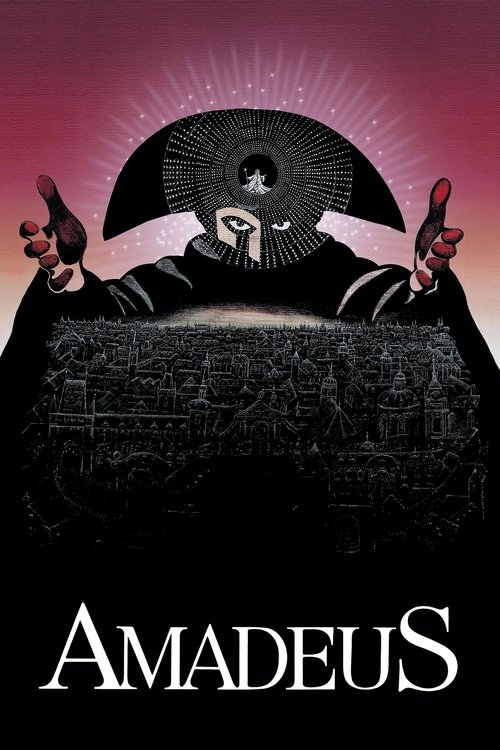
Disciplined Italian composer Antonio Salieri becomes consumed by jealousy and resentment towards the hedonistic and remarkably talented young Salzburger composer Wolfgang Amadeus Mozart.
Wolfgang Amadeus Mozart's Magic Flute is undoubtedly one of the most multi-layered, profound, complicated, and therefore also most difficult to stage works in the entire opera repertoire. In terms of genre, it can only be understood if it is seen as a mixture of four things: a philosophically profound drama of ideas with countless encryptions, a naïve fairy tale, a bawdy comedy, and a crude Punch and Judy show. It is based on the intersection of the traditions of Baroque magic opera, Italian buffa, and Viennese Singspiel, where all manner of wonders are conceivable and permissible. Peter Ustinov's production appeals to all those who love a primarily fairy-tale-like interpretation; the atmosphere is traditional and conventional. An outstanding ensemble of singers has been assembled.
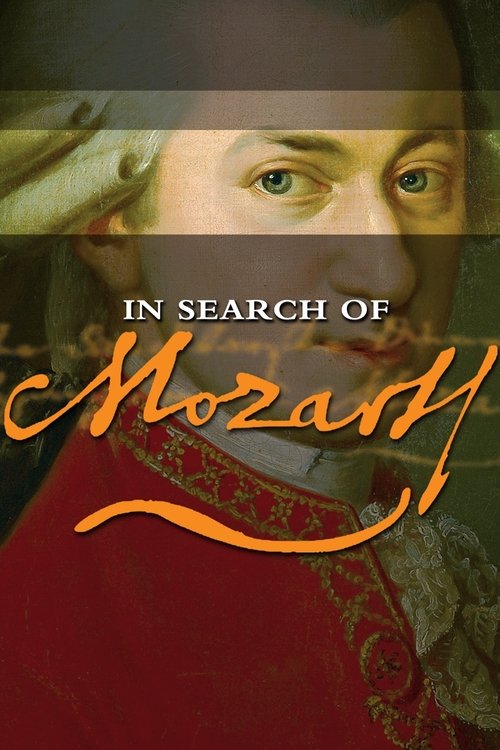
Made to celebrate the 250th anniversary of Mozart's birth, IN SEARCH OF MOZART is the first feature-length documentary on Mozart's life. Produced with the world's leading orchestras and musicians, told through a 25,000 mile journey along every route Mozart followed, this detective story takes us to the heart of genius. Throughout, it is the music that takes center stage, with the jigsaw of Mozart's life fitting around it.
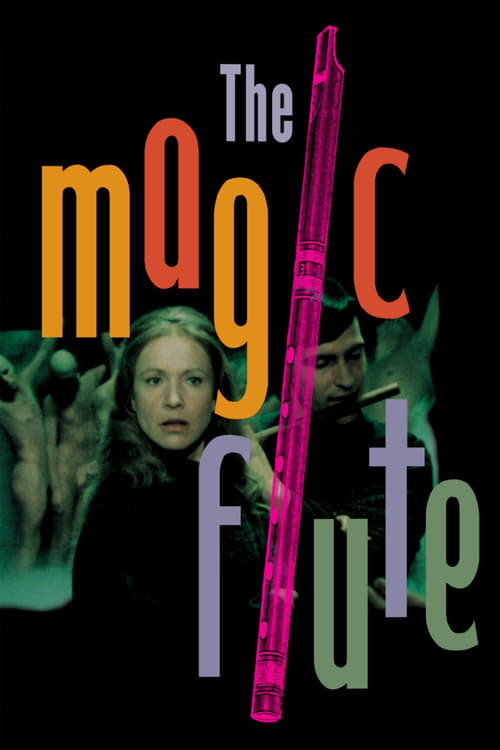
The Queen of the Night enlists a handsome prince named Tamino to rescue her beautiful kidnapped daughter, Princess Pamina, in this screen adaptation of the beloved Mozart opera. Aided by the lovelorn bird hunter Papageno and a magical flute that holds the power to change the hearts of men, young Tamino embarks on a quest for true love, leading to the evil Sarastro's temple where Pamina is held captive.
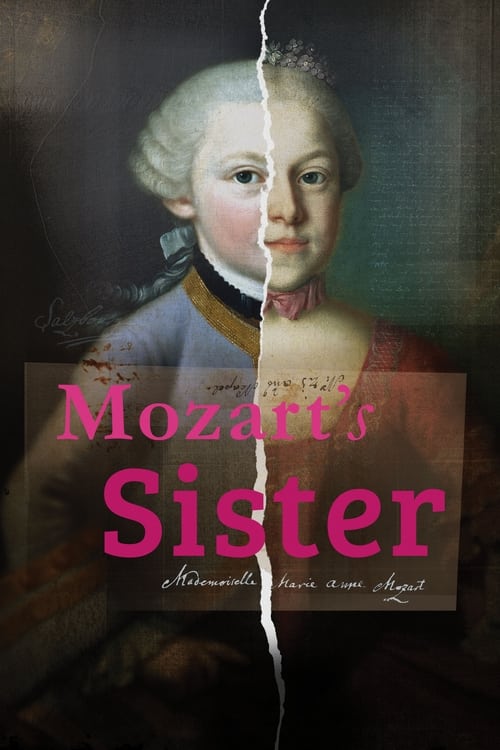
For the first 18 years of her life, Mozart’s sister shared equal billing with her brother. Musical partners and collaborators, Wolfgang Mozart and Maria-Anna Mozart played together before Kings and Queens, and were the talk of Europe. What happened to her? Forced into retirement by age 16 because she was a woman, a stunning new investigation explores why she was retired against her will and the explosive theory: did Maria-Anna Mozart continue to compose in secret?
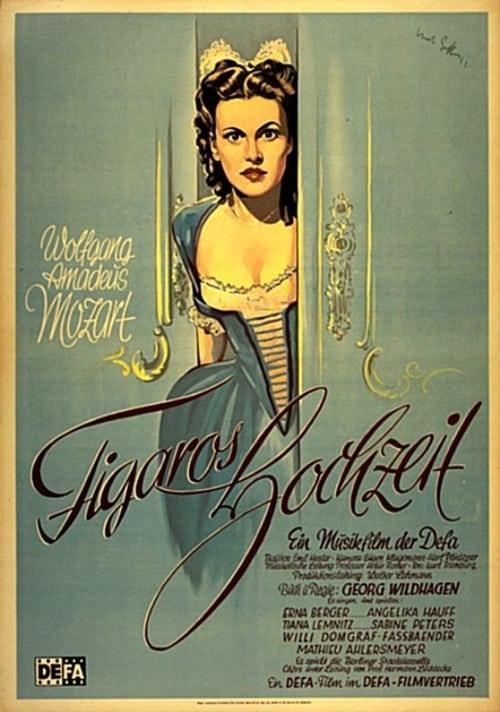
Shortly after WWII, the DEFA Studios produced a series of operas and operettas which belonged to the classical German musical heritage. This enchanting film, the very first opera production of DEFA, stands out because of its lavish decor and costumes, its outstanding actors and their masterful voices of that time.
No overview available.
Live from Glyndebourne 1994. The first production to be filmed Live in Glyndebourne´s new opera house May 1994. The Marriage of Figaro is a continuation of the plot of The Barber of Seville several years later, and recounts a single “day of madness” in the palace of the Count Almaviva near Seville, Spain. Rosina is now the Countess; Dr. Bartolo is seeking revenge against Figaro for thwarting his plans to marry Rosina himself; and Count Almaviva has degenerated from the romantic youth of Barber into a scheming, bullying, skirt-chasing baritone. This follows the Count trying to obtain favours from Susanna, Figaro’s bride to be, under the nose of the Countess.
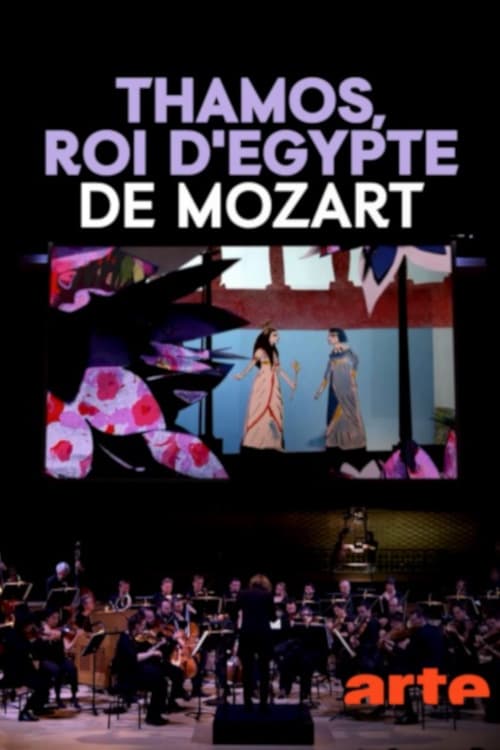
Founded in 2012 by Laurence Equilbey, the Insula Orchestra performs on period instruments and experiments with new concert formats. In summer 2018, the French conductor and her ensemble will present a little-known work by Mozart at the Parisian cultural center La Seine Musicale: the incidental music to "Thamos, King in Egypt". In 1773, the author Tobias Philipp Freiherr von Gebler asked his fellow Freemason Wolfgang Amadeus Mozart to compose incidental music for his heroic drama "Thamos, King of Egypt". The boy wonder composed two choruses and five interludes for the play, which took up the Egyptian theme popular in the 18th century.
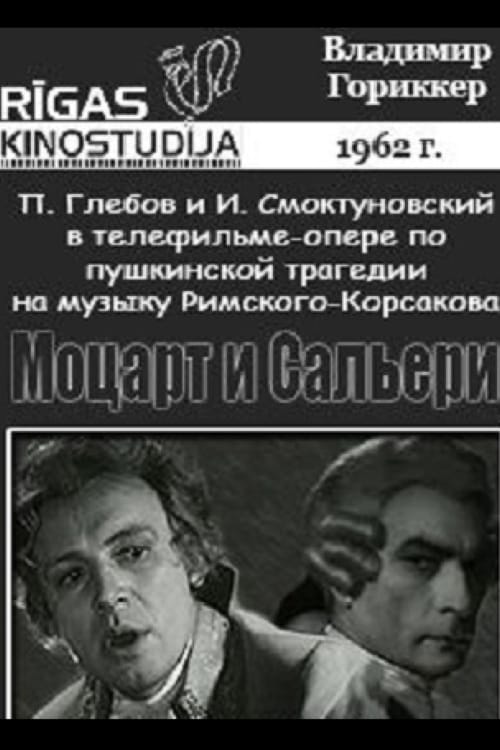
Film version of the Rimsky Korsakov opera from the Pushkin story. Motsart i Salyeri (Mozart and Salieri), based on a legend that Salieri poisoned Mozart, meditates on the nature of creativity while introducing, in brilliantly compressed speeches, what was to be one of the important Russian themes—metaphysical rebellion against God.
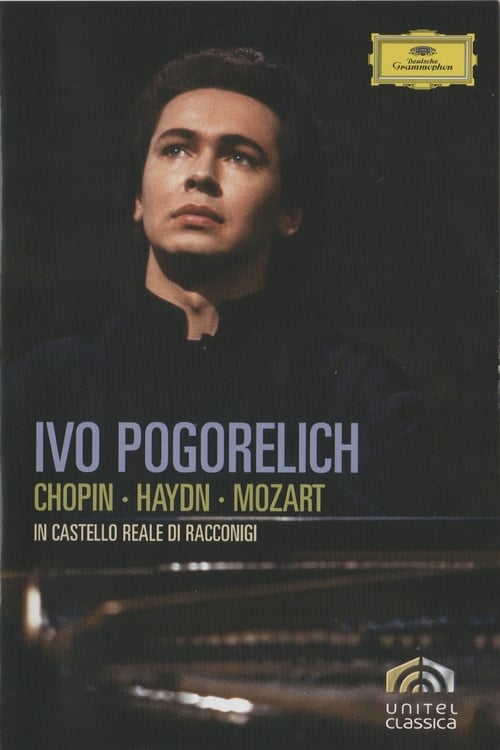
At the peak of his career, Ivo Pogorelich was filmed at Racconigi Castle in Italy playing four major works by Chopin as well as sonatas by Haydn an dMozart. Director Horant H. Hohlfeld captures the pianist's virtuosity in revealing close-ups. The program includes: CHOPIN Polonaise in c op40/2; Nocturne in E♭ op55/2; Prelude in c♯ op45; Sonata in b op58 // HAYDN Sonata in A♭ H16.46 // MOZART Sonata in A K331 "alla turca".
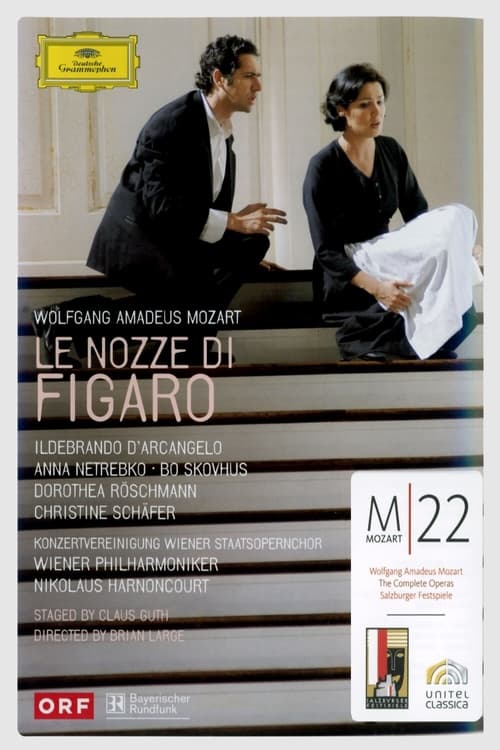
This release contains the celebrated 2006 production of Mozart's Nozze di Figaro that was directed for the stage by Claus Guth at that year's Salzburg Festival. Ildebrando D'Arcangelo takes the title role, and gets support from Anna Netrebko as Sussanna, Bo Skovhus as Il Conte Di Almaviva, and Dorothea Roschmann as La Contessa. Nikolaus Harnoncourt conducts the orchestra.
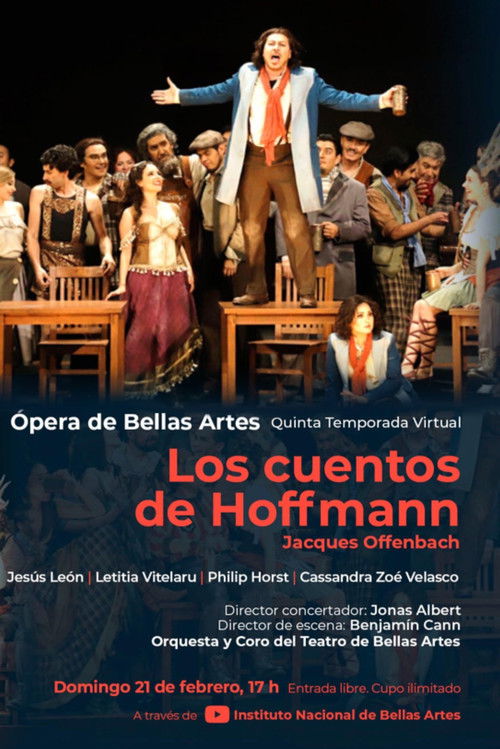
Opera in three acts, a prologue and an epilogue, by Jacques Offenbach (1819-1880), with a libretto in French by Jules Barbier (1825-1901), based on a work that Barbier himself and Michel Carré (1821-1872) had written based on stories by E.T.A. Hoffmann (1776-1822). Approximate duration: 2 h 45 min Recommended for those over 15 years old. The young poet Hoffmann, accompanied by Nicklausse, his alter ego and confidant, is in a tavern next to the theatre where Mozart's Don Giovanni is being performed. During the opera's intermission, some diners arrive at the bar who, upon seeing the poet, encourage him to sing and tell them the story of his famous love affairs. Hoffmann finally gives in and shares with them the stories of Olympia, Antonia and Giulietta. They, absorbed in the poet's stories, remain in the tavern, forgetting about the opera performance.
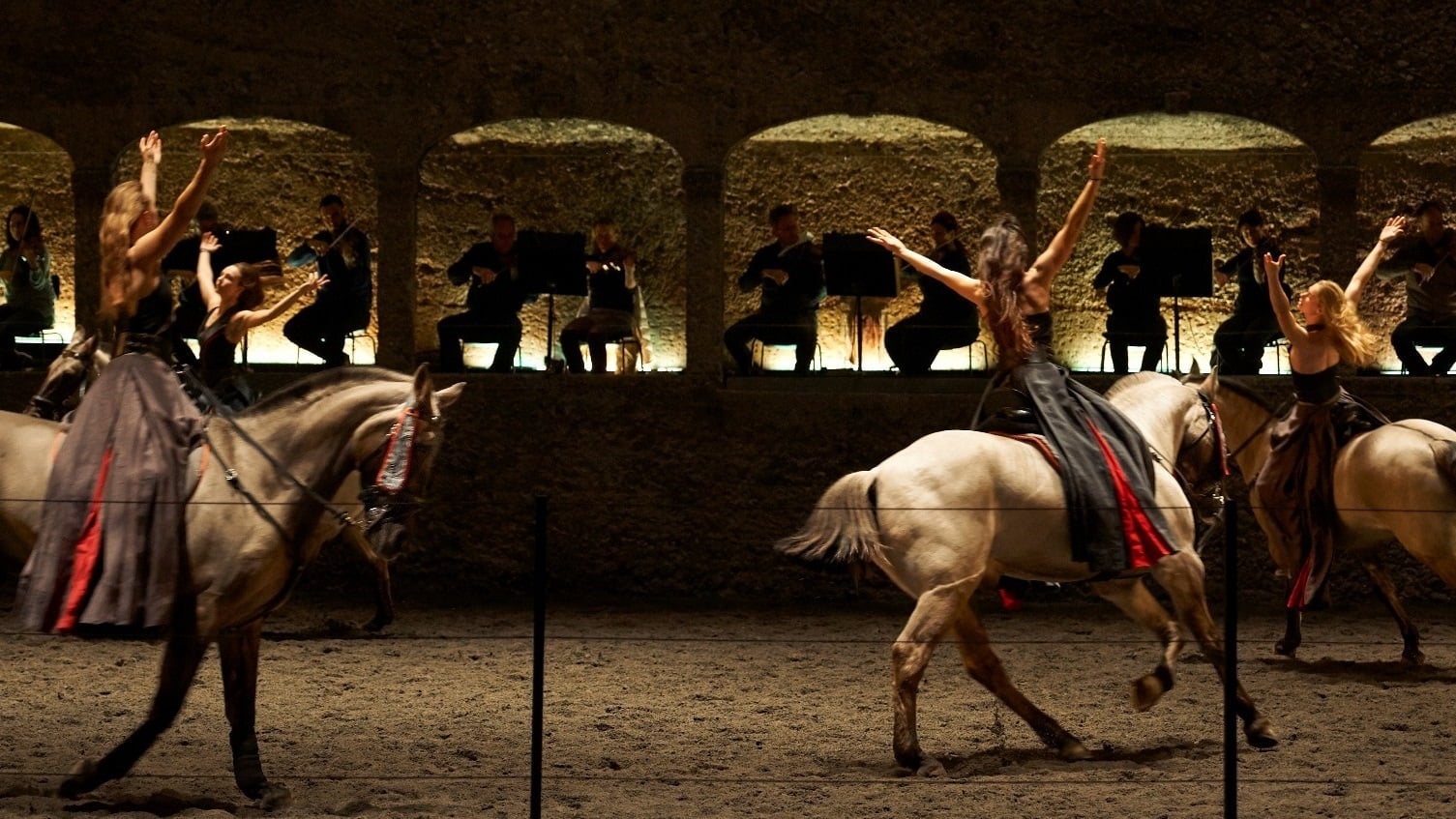
Die Zauberflöte is one of Mozart’s most famous works and one of the most beloved of the entire operatic repertoire. Generations of spectators have been fascinated by the melodies and adventures of Papageno, the Queen of the Night, Tamino, and Pamina, the ordeals faced by the young lovers, and the work’s inexhaustible allegorical depth. The director Romeo Castellucci has deliberately stepped back from the narrative dimension of the opera in order to explore its raw emotion and its philosophical heart. For his part, the conductor Antonello Manacorda brings Mozart’s immortal music to life with the help of an outstanding cast that includes Sabine Devieilhe, one of today’s finest interpreters of the Queen of the Night.
Direction musicale
Choeur
Soprano
Alto
Ténor
Basse
Chef de choeur
Mise en selle et chorégraphie
No Trailers found.