A look into the 25 years of career of famous musician Chico Buarque and his influence in Brazilian culture.
No Trailers found.
Narrator
Self
No overview available.
A detailed chronicle of the famous 1969 tour of the United States by the British rock band The Rolling Stones, which culminated with the disastrous and tragic concert held on December 6 at the Altamont Speedway Free Festival, an event of historical significance, as it marked the end of an era: the generation of peace and love suddenly became the generation of disillusionment.
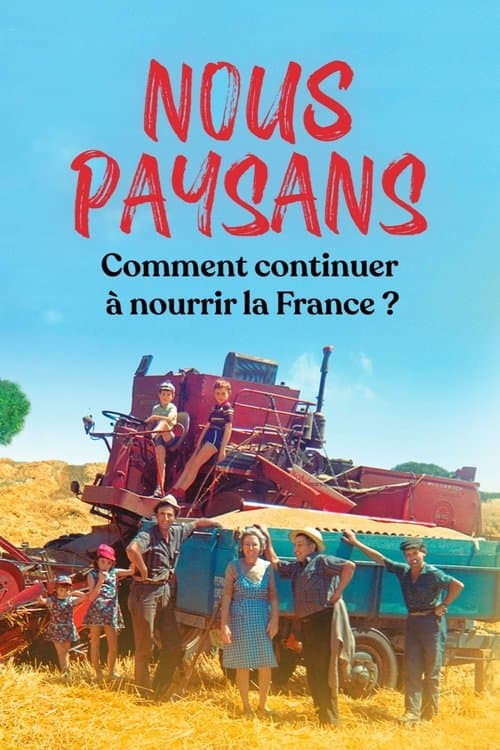
In barely a century, French peasants have seen their world profoundly turned upside down. While they once made up the vast majority of the country, today they are only a tiny minority and are faced with an immense challenge: to continue to feed France. From the figure of the simple tenant farmer described by Emile Guillaumin at the beginning of the 20th century to the heavy toll paid by peasants during the Great War, from the beginnings of mechanization in the inter-war period to the ambivalent figure of the peasant under the Occupation, From the unbridled race to industrialization in post-war France to the realization that it is now necessary to rethink the agricultural model and invent the agriculture of tomorrow, the film looks back at the long march of French peasants.
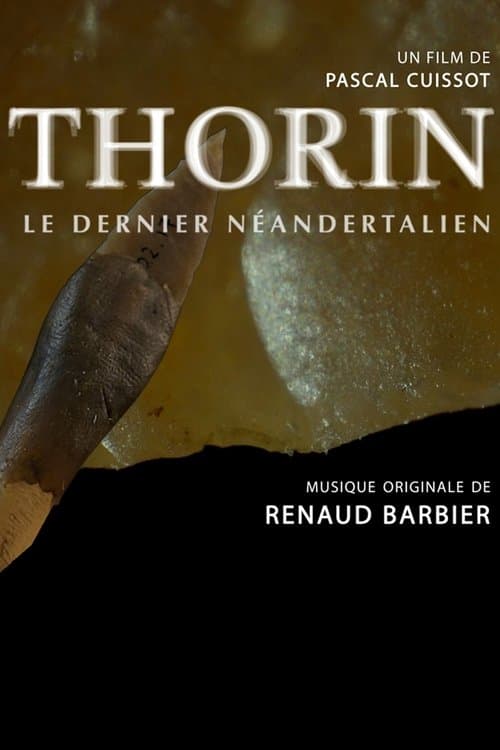
The Mandrin Cave in the Rhône Valley is a fascinating excavation site. Archaeologist Ludovic Slimak discovered fossils and flints here, proving that Neanderthals inhabited the cave for over 80,000 years. The first Neanderthal in France for half a century was also unearthed in the cave: He was given the name Thorin.
A biographical film featuring the music and times of Bill Evans with interviews from Tony Bennett, Jack Dejohnette, Billy Taylor, Paul Motian, Jon Hendricks, Orin Keepnews, Bobby Brookmeyer, Pat Evans and more, including family and friends who knew Bill Evans well.
The 90-minute documentary describes the rise of DJ and producer Robin Schulz from talented newcomer to internationally acclaimed superstar and takes a look behind the scenes of our world star's life.
Brazilian singer Maria Bethania has a 40-year singing career. A documentary shows her concerts and famous family.
For almost three years, nature filmmaker and ecologist David Cebulla has been observing wild Common hamsters. He not only tries to learn more about the species, but also documents why hamsters are globally threatened with extinction. David travels from the western border of the distribution area in France via Germany, Poland, Austria and Hungary to the eastern border of the distribution area in the Kazakh steppe. In the process, he manages to capture some unique and fantastic images. But during the project, it becomes increasingly difficult to find animals living in the wild.
The eagerly anticipated wait is over, after 5 years since the release of her last album, Adele is back! Fans have applauded her return, by breaking the record for most viewed video in a single day, reaching an astounding 28.7M views in the first 24 hours. The British singer has knocked Taylor Swift off the record, previously holding most viewed video in a single day for her Bad Blood video which reached 20 million views. “Hello” has now been viewed nearly 89 million times on Vevo alone since the day of its release, and has already topped the iTunes charts in 85 countries. The success of this debut single has blown everyone away and the rest of her album will most likely follow suit. Through her own words, video and live performance this documentary takes an incredible look at the life and times of this truly amazing young artist.
Cacaso, a Brazilian poet, lived in Rio de Janeiro. Born Antonio Carlos de Brito (1944-1987) he was one of the leaders of the marginal poetry movement. Cacaso filled notebooks not only with poems but reflections, drawings and collages. He also became a lyricist and partner of celebrated songwriters such as Tom Jobim, Edu Lobo, Toninho Horta, João Donato and Sivuca.
A short documentary about the Grateful Dead's legendary May 8, 1977 show at Barton Hall at Cornell University.
In 1959, Berry Gordy Jr. gathered the best musicians from Detroit's thriving jazz and blues scene to begin cutting songs for his new record company. Over a fourteen year period they were the heartbeat on every hit from Motown's Detroit era. By the end of their phenomenal run, this unheralded group of musicians had played on more number ones hits than the Beach Boys, the Rolling Stones, Elvis and the Beatles combined - which makes them the greatest hit machine in the history of popular music. They called themselves the Funk Brothers. Forty-one years after they played their first note on a Motown record and three decades since they were all together, the Funk Brothers reunited back in Detroit to play their music and tell their unforgettable story, with the help of archival footage, still photos, narration, interviews, re-creation scenes, 20 Motown master tracks, and twelve new live performances of Motown classics with the Brothers backing up contemporary performers.
Documentary about “Os Mulheres Negras” , the world´s third smallest big band, discussing music, aesthetics and creation in Brazil from the 80´s till nowadays.
Between East and West, between bloody wars and blooming gardens, between nostalgic music of duduk and modern jazz, one of the most ancient cities is situated. The name of this is city is Yerevan. Surviving after all the difficulties of the 20th century, it lives to its own rhythm, style and music. Six musicians, including four-times Grammy Laureate Arto Tuncboyaciyan and world-wide famous “duduk-voice” Jivan Gasparyan, are the “genius loci” of Yerevan; they talk and sing about their city, discovering its hidden pain and beauty.
This is a film with music. Or about the music and texts that accompany, in a poetic way, a decisive battle between Unitarian and Federalists. The vicissitudes of the birth of a nation based on the play written by Mariano Llinás and Gabriel Chwojnik, whose images achieve some hypnotic strength.
Between 1979 and 1987, a far-left group wreaked havoc across France. Robberies, bombings, assassinations. They struck hard and disappeared in a cloud of explosives, leaflets scattered in the wind, and relentless ideological demands. Their name? Action Directe. More than 80 attacks, 26 wounded, and 12 dead in less than ten years. Stunned French citizens discovered posters plastered everywhere showing portraits of these young women and men who looked like everyone else and whom nothing seemed to be able to stop. A long and intense manhunt began, culminating in the arrest of the group's leadership.