No Trailers found.
No Cast found.
Short film for Vice Media about the illusion of stability, freedom, and prosperity in the West, comparing it to life in the Soviet Union during the 1970s. Ends with a trailer for HyperNormalisation.
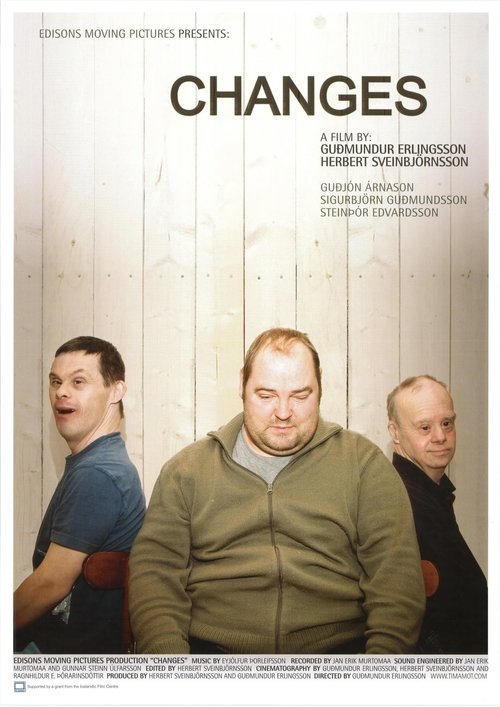
Tímamót, or Changes in English. An upbeat, heartwarming story about Gudjon, Sigurbjorn and Steinthor who lived together for decades along with several other inhabitants in the Tjaldanes Institution, in a peaceful valley close to Reykjavik. When a decision is made to close down the institution, their life takes an unexpected turn and they discover a new side to life and to themselves.
Narratives are tales that unintentionally define our personality. In the case of women, being beautiful is the only way. The film shows how we learn to be obsessed by the visual itself, and how the highest compliment to a woman is always beauty.
Nine fictitious documentaries and films reflect the mood of late 1970s Germany, particularly the two-month period in 1977 when a businessman was kidnapped by the RAF (Red Army Faction). The kidnap had been made to orchestrate the release of the original leaders of the RAF, aka the Baader-Meinhof.
Why do people vent such toxic opinions online? Filmmaker Kyrre Lien spent three years travelling the world to find out who these anonymous ‘internet warriors’ are and why they do it.
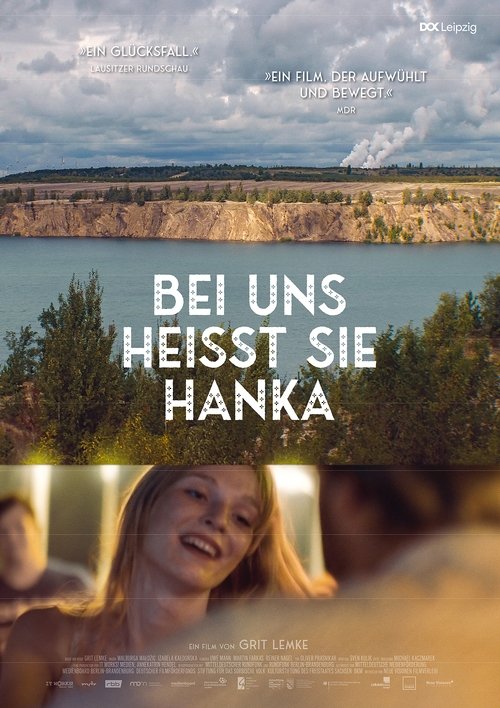
A green lawn like an unused carpet, encircled by a neat forest edge, in the background the steaming cooling towers of a coal power station – impressionistic camera images from Lusatia. They summarise in one pan how a used-up utilitarian landscape is trying to recultivate itself. Can ancient identity and language be re-discovered amid this strange artificiality? The director travelled through this region in search of her origins. She was born here, in Lusatia. This is her home and that of the smallest of all Slavic peoples: the Sorbs.
This film is part of a project that has listened to over 40,000 people on masculinity issues and has resulted in a documentary and a tool book based on this publicly available study through an agreement with the Social Information Consortium (CIS) of the University of São Paulo.
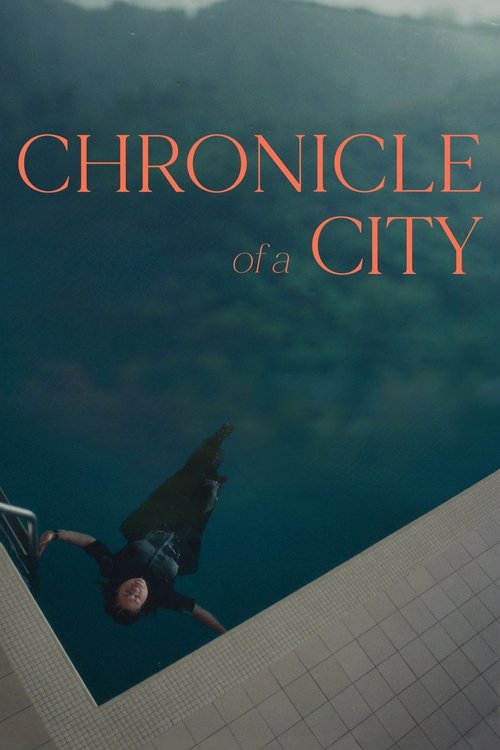
A patchwork of millions of lives, urban spaces are not only streets and concrete. They are where our dreams and deepest worries unfold. Chronicle of a City drifts and strolls through time and chance encounters, moving between fantasy and reality, echoing the intimate and ghostly voices of our metropolises, reminding us that we inhabit The City as much as it inhabits us. This roaming essay is a visual and sonic meditation that invites us to see urban life as a web of sensations that move through us and draw us closer to one another, even in the midst of solitude.
A young man, convicted murderer, has a chance of redemption when he enters the best Italian university of economics, going back and forth from prison to university every day.
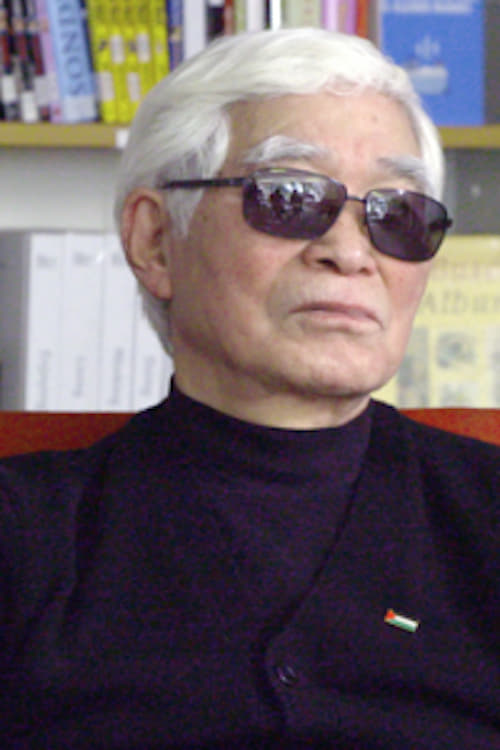
Masao Adachi, the author and director of experimental works and pinku-eiga in the 1960s, was a member of the Japanese New Left that shifted from being a filmmaker to a guerrilla fighter. In 1974, he joined the Japanese Red Army in Lebanon, which worked closely with the Popular Front for the Liberation of Palestine. Filmmaker Lutz Dammbeck met Adachi in Tokyo in 2018 and talked with him about a wide range of topics, including art, revolution, the influence of western avant-garde art and American underground; the Japanese Red Army; collaboration with secret services; the role of the Left after 1968; and the reasons for failures of leftist ideas and strategies.
In his new film, Erwin Wagenhofer is looking for the good and beautiful in this world.
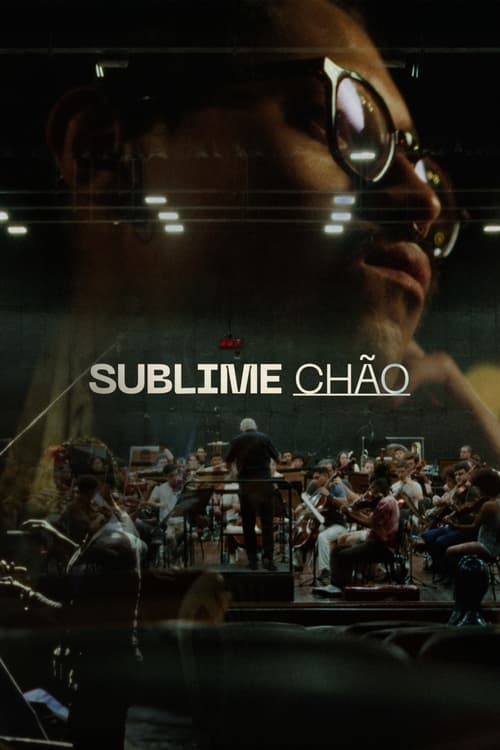
Vinicius is a young cellist who lives in the far east of the metropolitan region of São Paulo and is a member of the State Youth Orchestra. He talks about the contrasts he experiences every day as a musician in Latin America's largest city, the prestige of playing at the Sala São Paulo, one of the best in the world, and the human degradation that surrounds it, individual and collective artistic expression in an orchestra, the sublime of the concert and the harsh reality of life on the ground, about the continuous search for erudition, the role of his teachers in his career and the friendships and lessons he has learned along the way
No overview available.
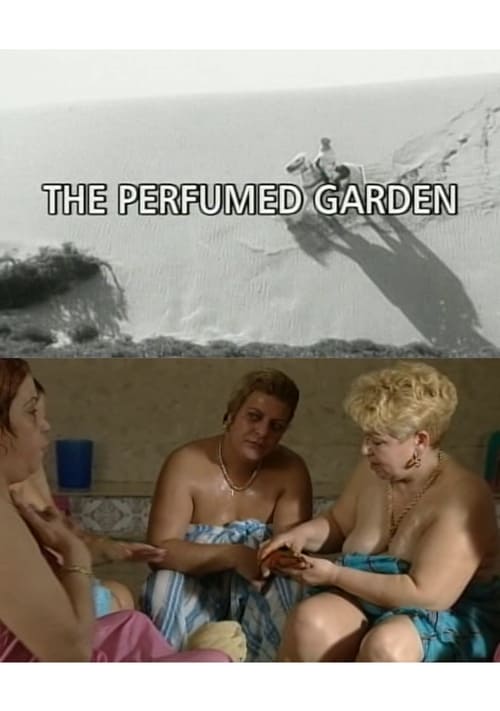
THE PERFUMED GARDEN is an exploration of the myths and realities of sensuality and sexuality in Arab society, a world of taboos and of erotic literature. Through interviews with men and women of all ages, classes, and sexual orientation, the film lifts a corner of the veil that usually shrouds discussion of this subject in the Arab world. Made by an Algerian-French woman director, the film begins by looking at the record of a more permissive history, and ends with the experiences of contemporary lovers from mixed backgrounds. It examines the personal issues raised by the desire for pleasure, amidst societal pressures for chastity and virginity. The film discusses pre-marital sex, courtship and marriage, familial pressures, private vs. public spaces, social taboos (and the desire to break them), and issues of language.
The ideal of youth is at the centre of this eloquent film, mixing documentary and fiction, art and experimentation. Demonstrating both formal and narrative freedom, Bélanger weaves a deliberately loose weave in which the initiatory journey of two young people, wandering through Montreal in search of a job, unfolds. But not just any job. The two idealists want a job that will satisfy their desire for freedom, peace and respect. Of course, even though the breath of renewal from Expo 67 still floats here and there, the world they encounter does not correspond - by far - to their aspirations. Strangers in this country that tells them nothing, they come across brutally, materialism, violence, and egocentrism.
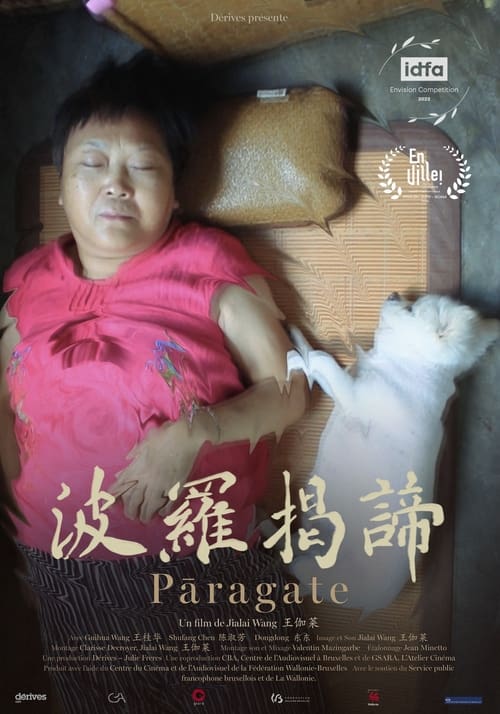
From Belgium, Jialai Wang maintains contact via smartphone and camera with her mother and grandmother in China. When her grandmother’s health deteriorates, Jialai returns to Shanghai, but when she arrives, her grandmother has already died, and she is left alone with her mother. A devout Buddhist, her mother seems to pay more attention to her daily prayers, Maoist past and dog Dongdong than she does to her daughter. She herself had been abandoned as a child by her own mother, when she divorced Jialai’s grandfather and moved to the city.
"Africa Light" - as white local citizens call Namibia. The name suggests romance, the beauty of nature and promises a life without any problems in a country where the difference between rich and poor could hardly be greater. Namibia does not give that impression of it. If you look at its surface it seems like Africa in its most innocent and civilized form. It is a country that is so inviting to dream by its spectacular landscape, stunning scenery and fascinating wildlife. It has a very strong tourism structure and the government gets a lot of money with its magical attraction. But despite its grandiose splendor it is an endless gray zone as well. It oscillates between tradition and modernity, between the cattle in the country and the slums in the city. It shuttles from colonial times, land property reform to minimum wage for everyone. It fluctuates between socialism and cold calculated market economy.