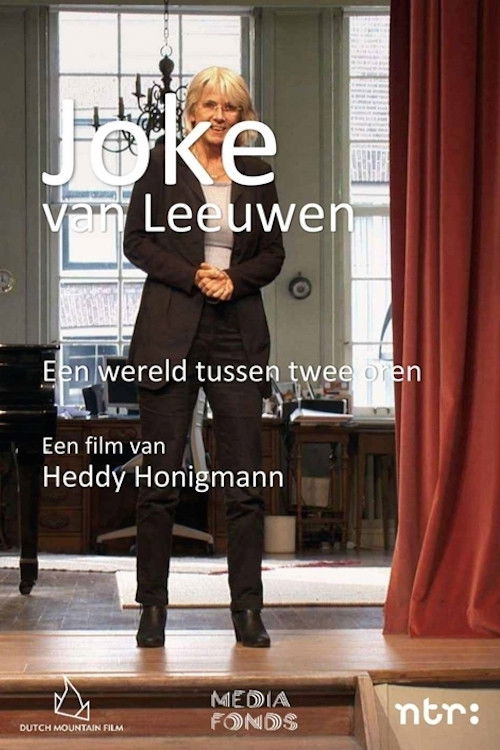
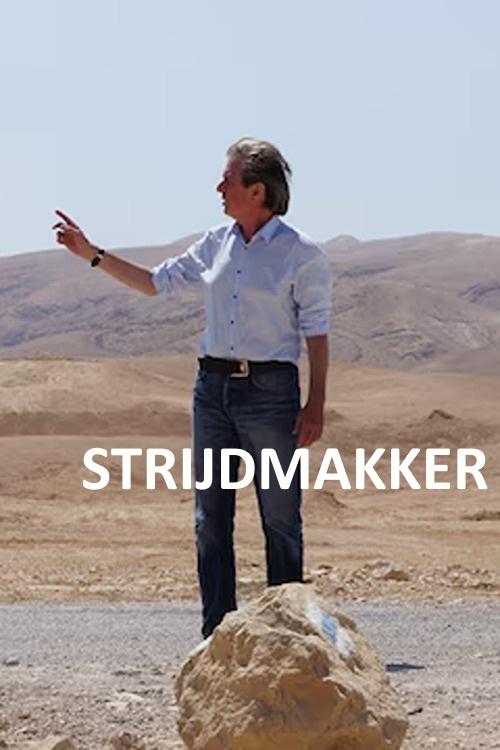
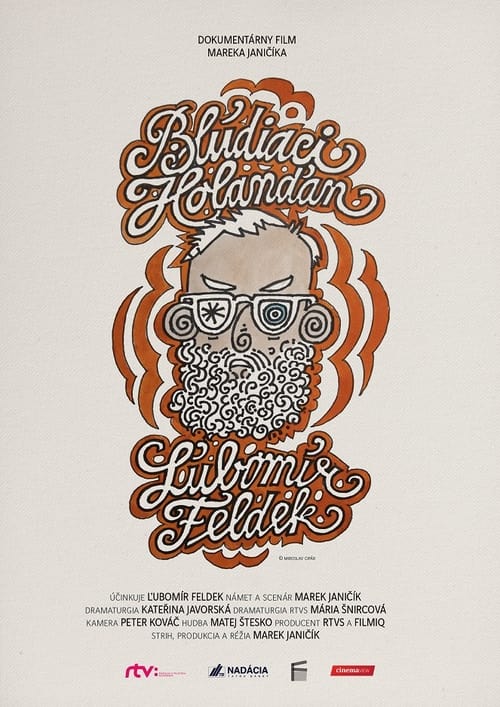
Documentary about the Dutch author, illustrator and performer Joke van Leeuwen, who has won various awards for her literature for children which sometimes uses a quest as a theme.
No Trailers found.
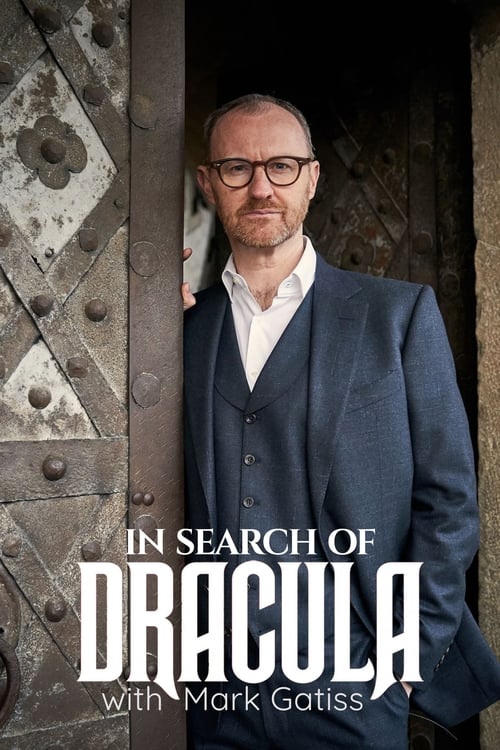
Mark Gatiss explores and celebrates Dracula, an icon of popular culture, asking just why we keep coming back to the count.
No overview available.
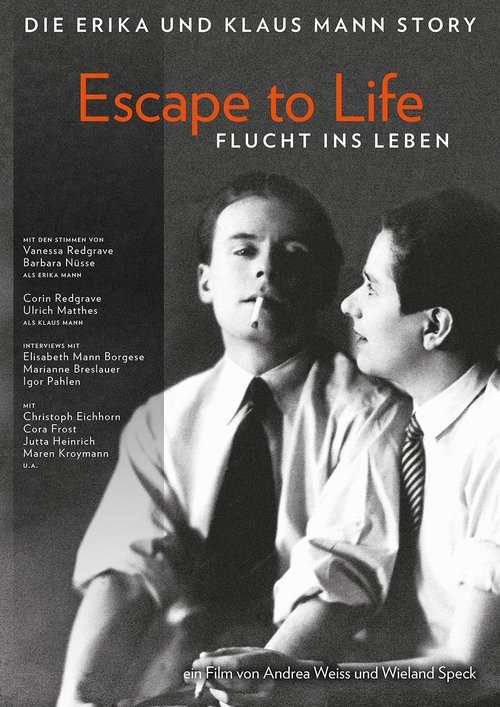
This documentary contains dramatized episodes about the lives of Erika and Klaus Mann, the brilliant children of German writer Thomas Mann.
VPRO icon Wim Brands died on April 4, 2016. He was known to the general public as a presenter of the VPRO Boeken program and also closer, with six collections of poetry to his name. This documentary about his life and work, built entirely from archive material, pays tribute to this television personality. A portrait in which attention is also paid to his complicated relationship with death. With a.o. Karl Ove Knausgård, David Sedaris, Ellen Deckwitz and Pieter Boskma. Brands' work merges with his rich inner life and that he chose death at the age of 56 casts a shadow over everything.
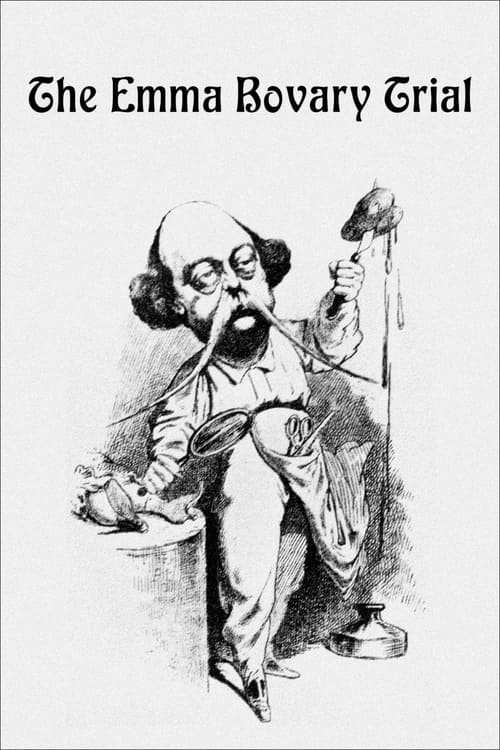
On January 31, 1857, the French writer Gustave Flaubert (1821-80) took his place in the dock for contempt of public morality and religion. The accused, the real one, is, through him, Emma Bovary, heroine with a thousand faces and a thousand desires, guilty without doubt of an unforgivable desire to live.
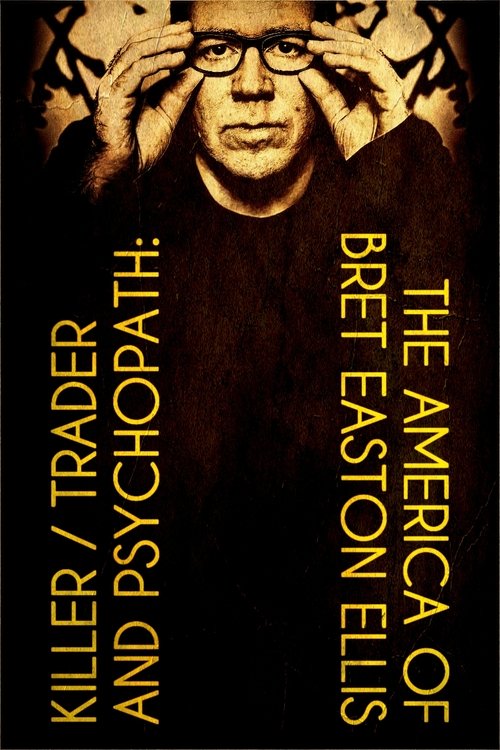
In 1991, American Psycho, the third novel by controversial writer Bret Easton Ellis, provoked heated discussions among critics and readers alike; an extraordinarily disturbing book that transported its readers into the mind of Patrick Bateman, a cynical mergers and acquisitions executive obsessed with brands, inconsequential details, pop culture and brutal murder.
Cartoneras is a documentary that grapples with Latin America’s urban realities, and the cardboard publishing movement that has emerged from these in the 21st century. Reflecting on the different contexts that propelled this form of community publishing, like Argentina’s 2001 economic crisis, the independent art scene, and the movements which formed around waste-pickers, the film’s narrative is developed through conversations with important actors from the cartonera world.
An installation film that consists of a six-hour-long monologue performed by Edith Clever, who reads texts by Syberberg and many different authors, such as Johann Wolfgang von Goethe, Heinrich von Kleist, Plato, Friedrich Hölderlin, Novalis, Friedrich Nietzsche, Eduard Mörike, Richard Wagner, William Shakespeare, Samuel Beckett, and Chief Seattle.
Well known for its exploration of seduction and revenge, the “Dangerous Liaisons” by Choderlos de Laclos caused a scandal from its first publication in 1782. Despite – or because of the scandal – the book was a top-seller. Since then, it stood the test of time. Combining eras, continents and people, the novel is adapted around the world. Marvelous tool for reflection on the female condition, social satire announcing the Revolution, remarkable work on the conflicting nature of love but also of the gender war, consecration of the power of the words, a libertine manual… “Dangerous Liaisons” is all of these at once.
Hours and historical meetings, Pierre Assouline has composed an anthology of the best extracts presented in the form of a primer, which he had commented on by a surprised Bernard Pivot.
A study of Tennessee Williams's life and work as a whole, ranging from his youth in Mississippi and in St. Louis to success and acclaim, followed by the final difficult years. Includes some of the most celebrated scenes from film adaptations of Williams' work, among them extracts of A Streetcar Named Desire (1951),Cat on a Hot Tin Roof (1958), Night of the Iguana, The (1964), and Suddenly, Last Summer (1993) (TV). Contains footage of Williams being interviewed, including conversations with David Frost, 'Edward R. Murrow (I)', and Melvyn Bragg, as well as reminiscences from people who knew and worked with him, among them Edward Albee, Gore Vidal, and his lifelong friend, Lady Maria St. Just. Features readings from Elia Kazan's Notebook by Kim Hunter.
An in-depth look at the Canadian rock band Rush, chronicling the band's musical evolution from their progressive rock sound of the '70s to their current heavy rock style.
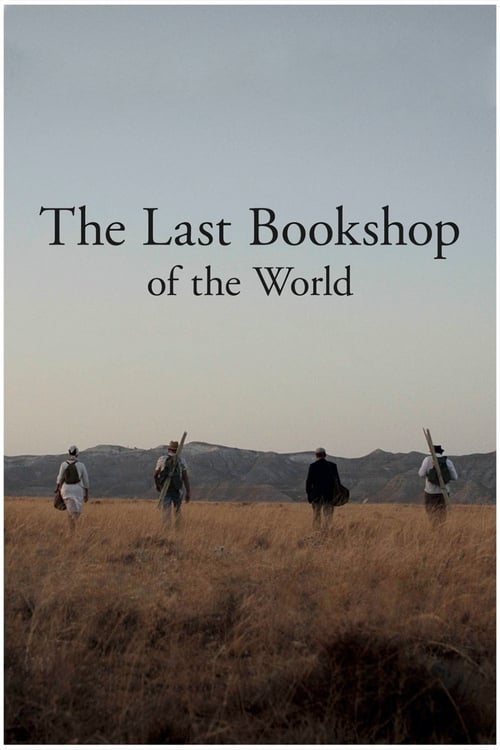
The documentary is a true story of four real intellectual Europeans from different cultures who are worried about the decline of literature’s life and the destiny of the street level bookshops in every country. That is why they have a mission to save symbolically “the world's last quality books”.
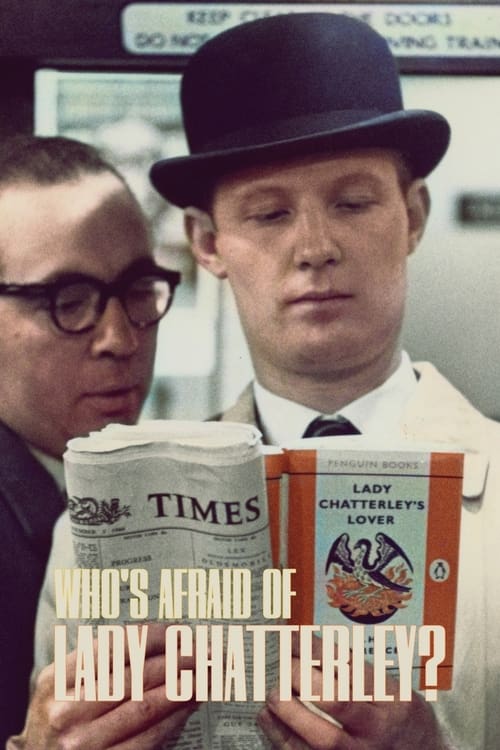
England, 1960. The Crown sues the publisher Penguin Books in order to ban the publication of Lady Chatterley's Lover, a novel by the British writer D. H. Lawrence (1885-1930), published privately in Italy in 1928, which celebrates nature and deals with sex without taboos.
A woman who has become part of literary heritage, the only French writer to be awarded the Nobel Prize in 2022, she has made her life the basis for her work since the publication of her first novel in 1974... What can be said that her books haven't already said? On the occasion of her grand return to her hometown in Normandy, as she explores the places of her early childhood, this icon of several generations looks back on her youth and what made her the committed woman and writer she has become. Through a geographical and narrative journey covering her first 25 years, which resonated throughout the following 60 years, the film—the only one she has agreed to participate in since winning the Nobel Prize—offers a "different" portrait of Annie Ernaux, interweaving her personal memories, her writings, and the history of the 20th century.
John Calder, Samuel Beckett’s British publisher, moved to Montreuil, a town to the east of Paris, where Calder met with Billie Whitelaw, the muse, so to speak, of Beckett’s stage work, who is now relegated to a nursing home for actors.