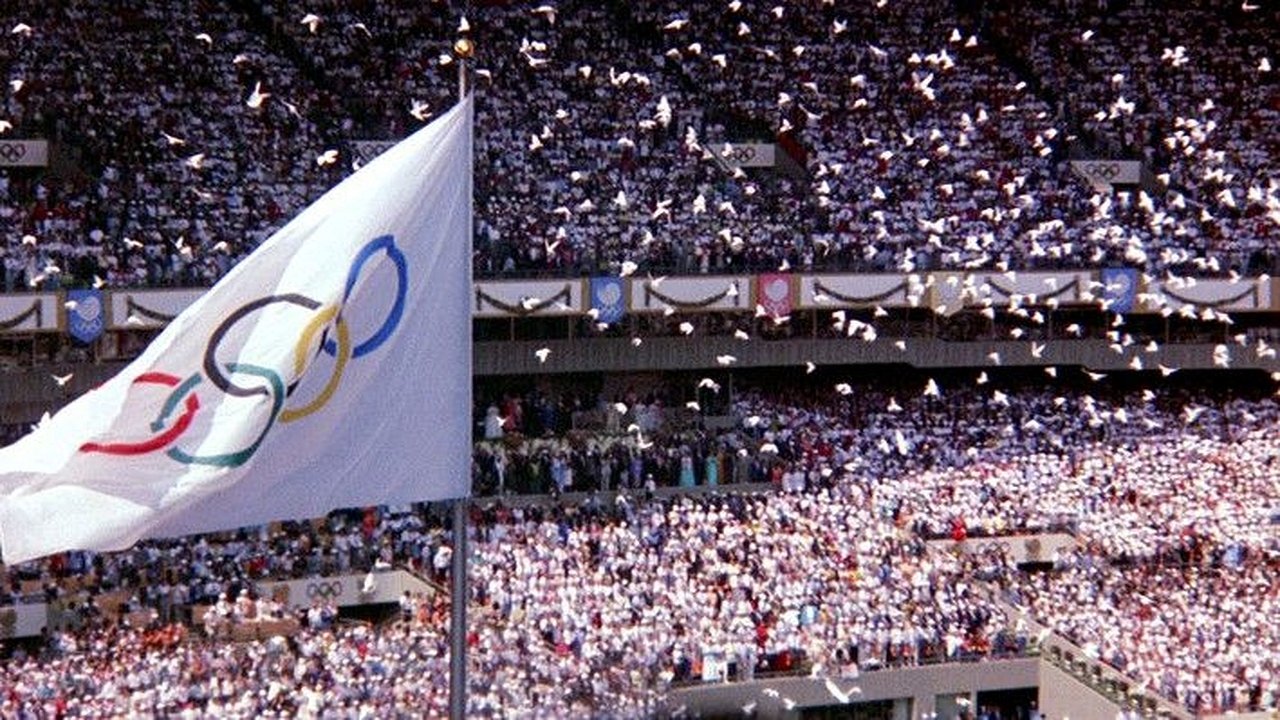
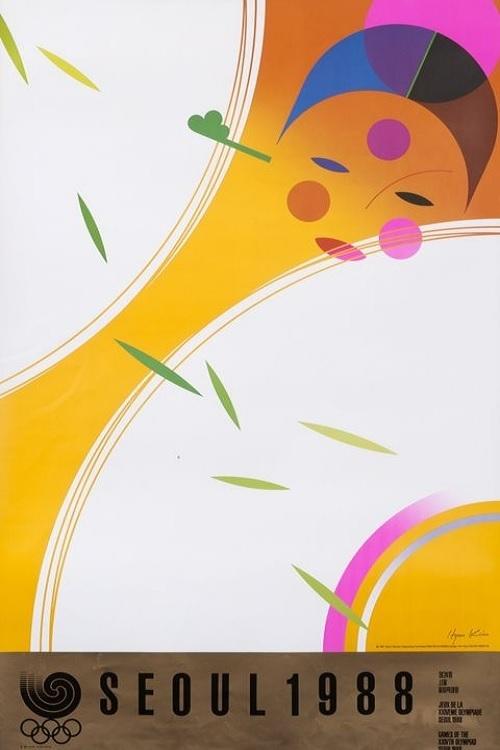
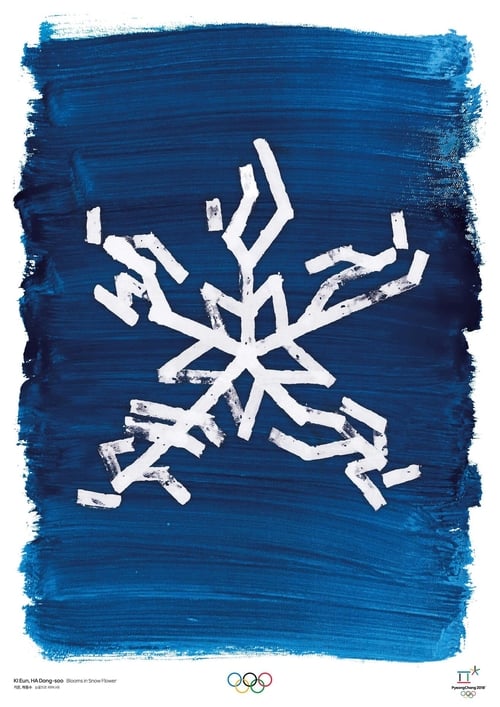
A documentary covering the 1988 Olympic Games in Seoul.
No Trailers found.
Narrator
Toy Soldier Productions spent the 2010/2011 winter exploring the Northwestern United States with some of the best up-and-coming talent in the ski & snowboard world. Each found themselves growing into their style, their terrain, and a mindset laid down with the snowfall. Though differing in their aims, they’ve found themselves on a similar path, brought together by the winter and her storms. “Set Your Sights” chronicles this journey. While mostly shot in Montana, the crew also filmed in Utah, California, Washington, South Dakota, Alaska, Wyoming and Whistler, B.C. Set Your Sights features Shay Lee, Karl Fostvedt, Sandy Boville, Finn Anderson, Dash Kamp, Luke Tanaka, Mack Jones, Pat Cowan, Brock Paddock, Josh Anderson, Cody Perin, Austin Torvinen, Noah Wallace, Pete Arneson, Jake Doan, Sam Hurst, David Steele, John Kutcher and more.
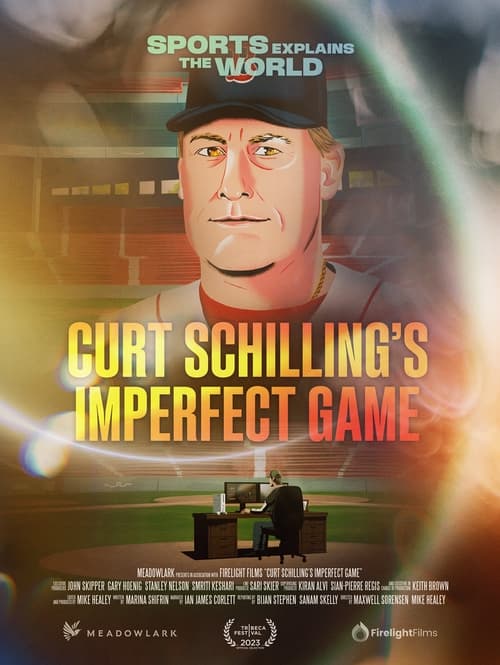
Curt Schilling dreamed of building the greatest multiplayer game to rival World of Warcraft. When he retired, he took $75m from the state of Rhode Island to try and realize his dream. Through animation and interviews, the film tells us what happens when the aura of a legend overwhelms good sense.
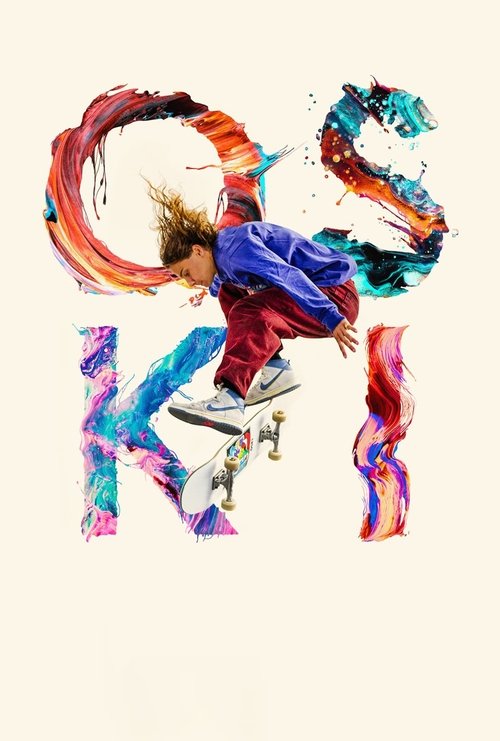
'Oski' is an intimate portrait of a young prodigy and the culture that surrounds him. A film documenting a year in the life of skateboarding sensation Oskar ‘Oski’ Rozenberg as he transforms from cool street skater to celebrity sportsman competing in the Olympics. The demands of being a sportman with a shot at the gold medal in Tokyo weighs hard on Oski. It’s obvious that he is not your everyday athlete. Can his sport, and his culture survive the transition from underground to mainstream? And will he loose himself and everything dear to him in the process? 'Oski' explores the history of a subculture at a pivotal point in its history and how a humble and different thinking athlete, loved and adored by thousands of skateboarders all around the world, struggles to find his own path in life as an adult and sportsman.
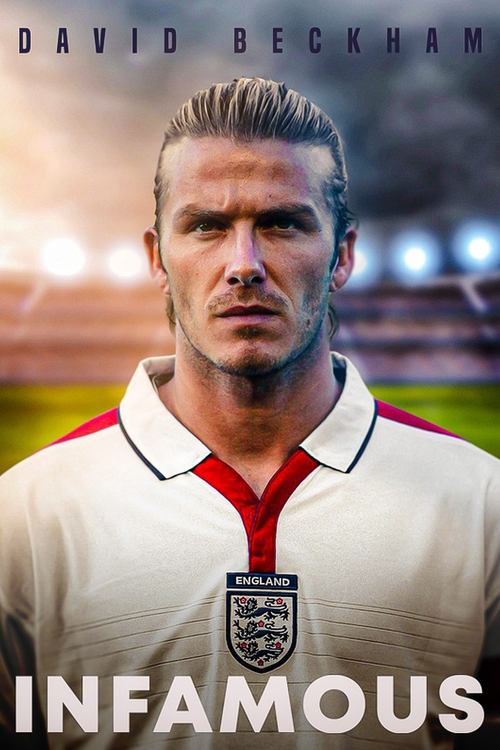
David Beckham, a household name, footballing icon and at one point the most hated man in England. A comprehensive look at David Beckham's footballing career focusing on his England redemption, World Cup dreams, trial by media and becoming brand Becks. From humble beginnings in Leytonstone to achieving England's most capped outfield player, winning the illustrious treble and becoming the highest-paid player of all time, Beckham truly is a modern-day phenom. Taking on brand deals and appearances Beckham became the most commercially valuable player in the world playing for Goliaths, Manchester United, Real Madrid and AC Milan. There is no doubting the commercial success of brand Becks and when a player wins as much silverware as Beckham, there's no doubting their playing career either.
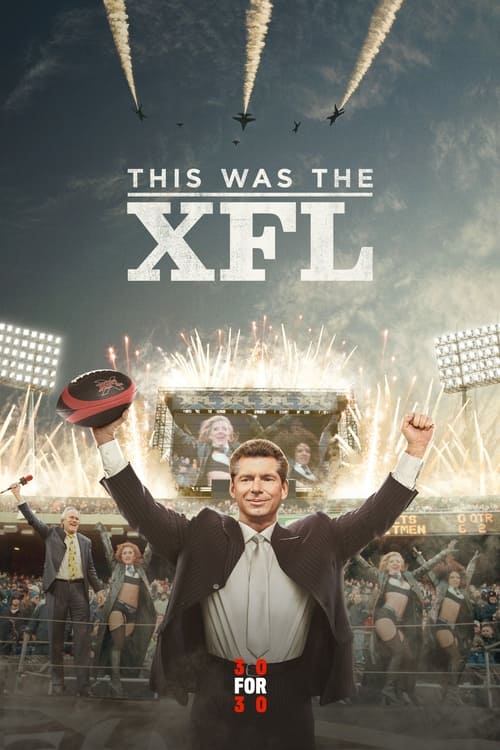
A bold challenge, a fearless experiment and ultimately, a spectacular failure. In 2001, sports entertainment titans Ebersol and McMahon launched the XFL. It was hardly the first time a league had tried to compete with the NFL, but the brash audacity of the bid, combined with the personalities and charisma of Ebersol and McMahon and the marketing behemoths of their respective companies -- NBC and WWE -- captured headlines and a sense of undeniable anticipation about what was to come.
This Pete Smith Specialty short showcases former heavyweight boxing champion Max Baer with various sparring partners in the ring. Slow motion is used to illustrate how Baer uses his skills.
ON THE EDGE contains film footage shot in various locations around the world to provide the viewer with the excitement and thrills of true adventure from the participant's point-of-view.
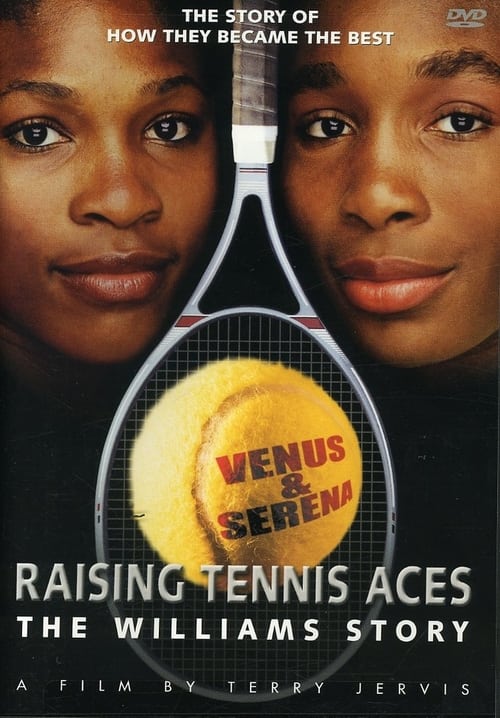
The lives and careers of the tennis superstars Venus and Serena Williams are documented, with special attention paid to the training techniques of their father Richard Williams.
No overview available.
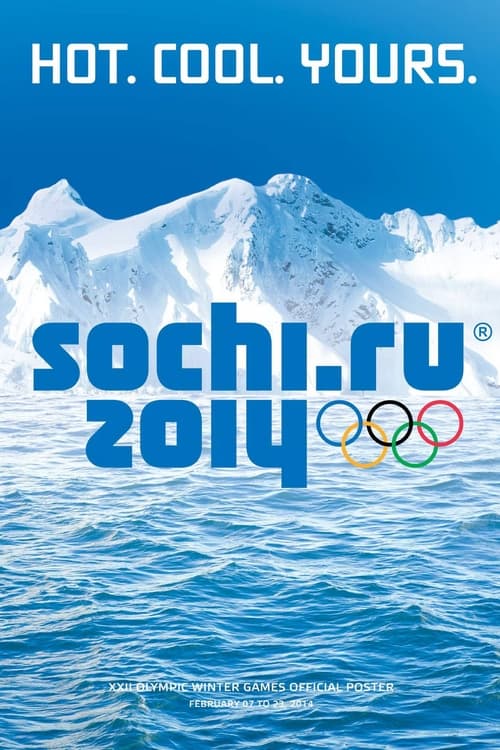
The opening ceremony of the 2014 Winter Olympics took place at the Fisht Olympic Stadium in Sochi, Russia, on 7 February 2014. It began at 20:14 MSK (UTC+4) and finished at 23:02 MSK (UTC+4) This was the first Winter Olympics and first Olympic Games opening ceremony under the IOC presidency of Thomas Bach. The Games were officially opened by President Vladimir Putin. An audience of 40,000 were in attendance at the stadium with an estimated 2,000 performers. The ceremony touched upon various aspects of Russian history, and included tributes to famous Russians, such as Peter Tchaikovsky (1840–1893), Ukrainian-born Russian humourist, dramatist, and novelist Nikolai Gogol (1809–1852), filmmaker Sergei Eisenstein (1898–1948), ballet dancer Vaslav Nijinsky (1889–1950), and patron of arts, and founder of Ballet Russes, Sergei Diaghilev (1872–1929).
Probably the first ever cricket film: Indian cricketing royalty prepares for the first test between England and Australia at Sydney.
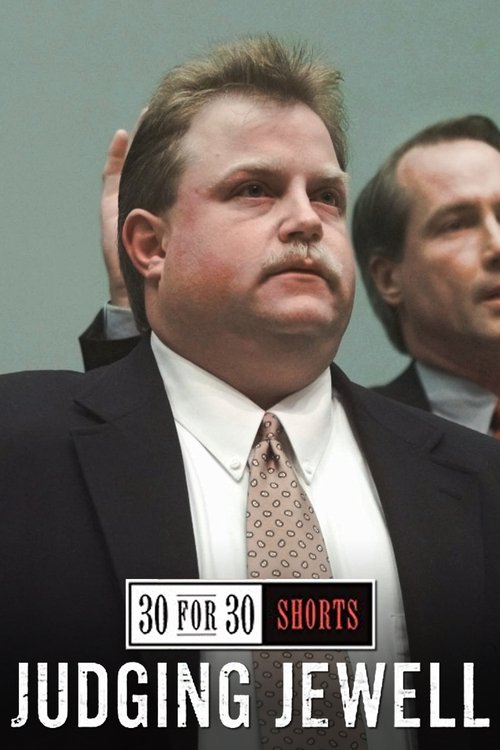
On Saturday, July 27, 1996, a terrorist’s bomb exploded in Centennial Olympic Park at the Atlanta Summer Games, killing two and injuring 111. The toll would have been far higher if not for security guard Richard Jewell, who discovered the bag holding the bomb and helped clear the area. Yet within hours, praise of his heroism turned to vicious accusations. Jewell would be hounded for months by investigations and the media. Eventually, the FBI would capture and convict Eric Robert Rudolph for the crime. Judging Jewell revisits the scene in Atlanta where Richard Jewell, a man simply doing his job, lost the one thing he valued most — his honor.
Little known on this side of the pond, “course landaise” consists of confronting a bull and dodging his powerful charge by way of acrobatic somersault. French athlete Emmanuel Lataste is the first to try to garner attention in North America for this extreme sport.
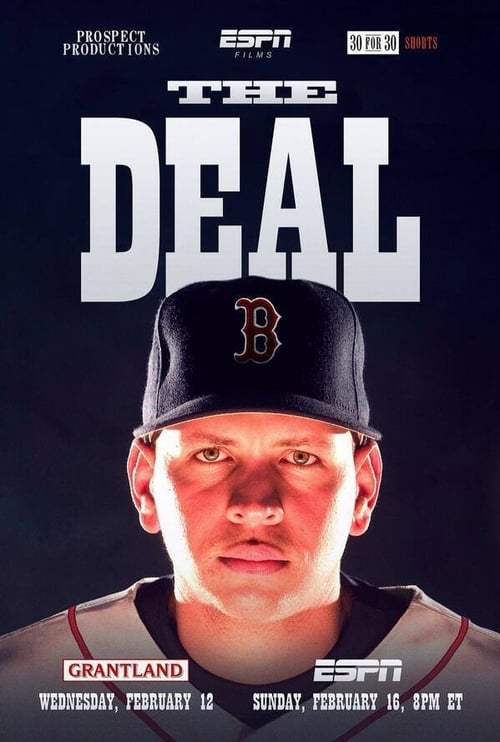
Just weeks after losing to the New York Yankees in the 2003 ALCS, the Boston Red Sox made it their mission to get the bat they needed to put them over the top. That bat belonged to reigning AL MVP Alex Rodriguez of the Texas Rangers. Deals were offered. Plans were made. Everything was done. Rodriguez was headed to Fenway Park. Until he wasn’t. This is the story of the 36 hours when the best player in the league went from savior of the Red Sox to latest weapon of the Yankees.
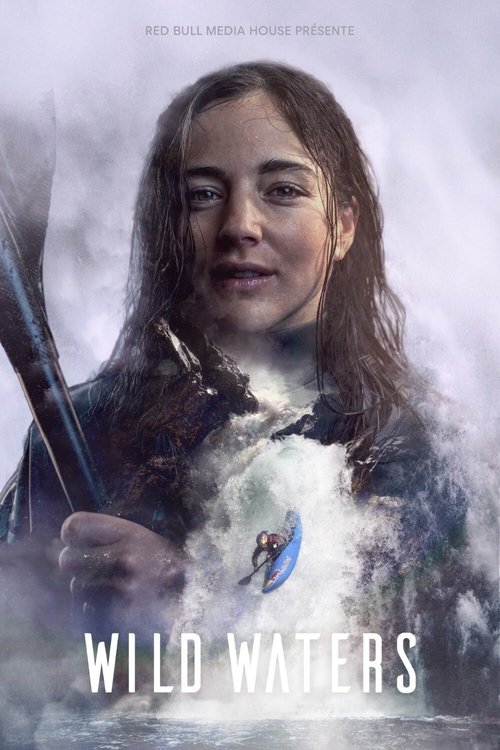
From Olympic pools to wild rivers to world championship podiums, discover the incredible life of Nouria Newman, the most gifted kayaker of her generation.
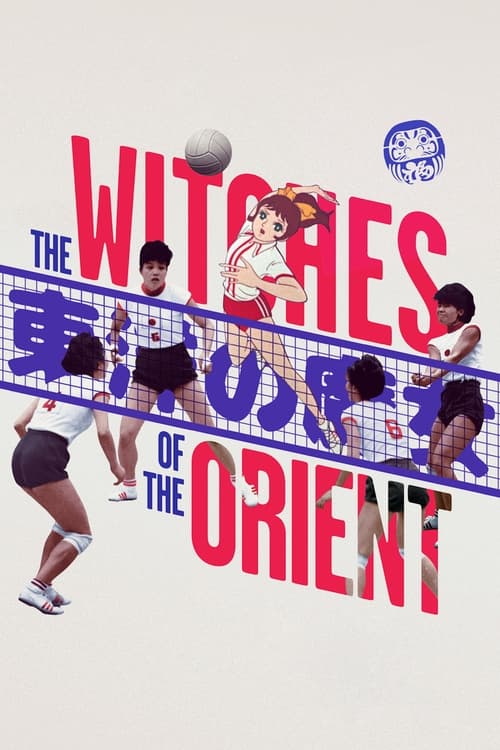
The Japanese volleyball players called the “Oriental Witches” are now in their 70s. From the formation of the team at the factory until their victory at the Tokyo Olympics in 1964, memories and legends rise to the surface and blend inextricably.
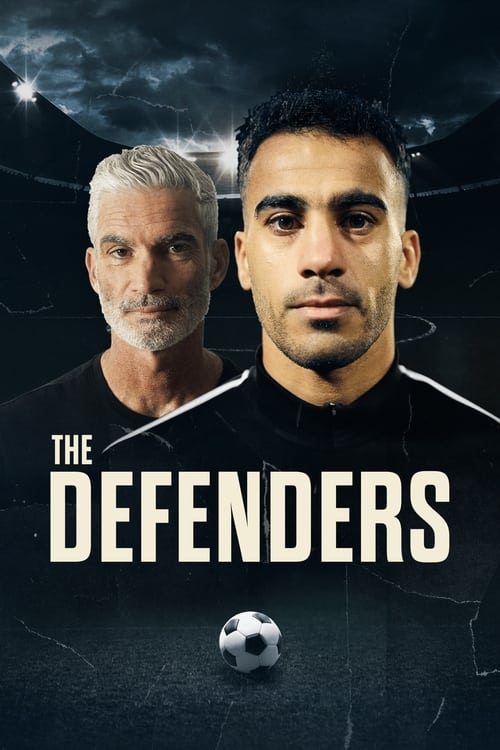
When talented Australian refugee footballer Hakeem al-Araibi steps off the plane in Thailand for his honeymoon, he finds himself facing an Interpol arrest order for alleged terrorism offences. What unfolds is the gripping true story of a heroic whistle-blower who, on speaking out about his own torture, sets off a revenge plot involving three countries, two royal families and the world's most powerful sporting body, FIFA. As Hakeem awaits extradition back to Bahrain, a group of campaigners led by a retired Australian football captain Craig Foster fight for his release.
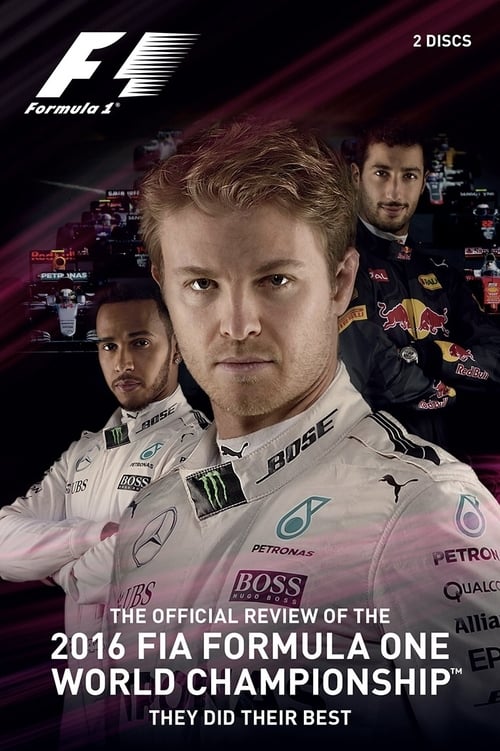
Thirty four years after his father, Nico Rosberg, followed in Keke's footsteps to become Formula 1 World Champion, creating only the second father-son pairing to win the title alongside Graham and Damon Hill. It was a fight that swung back and forth between the two main protagonists. Nico kicked off the season with four consecutive wins while Lewis was slow off the mark thanks to bad starts and poor reliability. Team relations were pushed to the limit as the drivers' rivalry stepped up a gear. With clashes both on and off track, their ruthless pursuit of the title left their relationship in tatters. The drama went down to the final round in Abu Dhabi. Lewis had nothing to lose while Nico had to keep his cool.
Documentary on gymnasiums in Philadelphia, Pa. specializing in training kids to box. By learning boxing and competing in tournaments, kids are helped in staying out of trouble