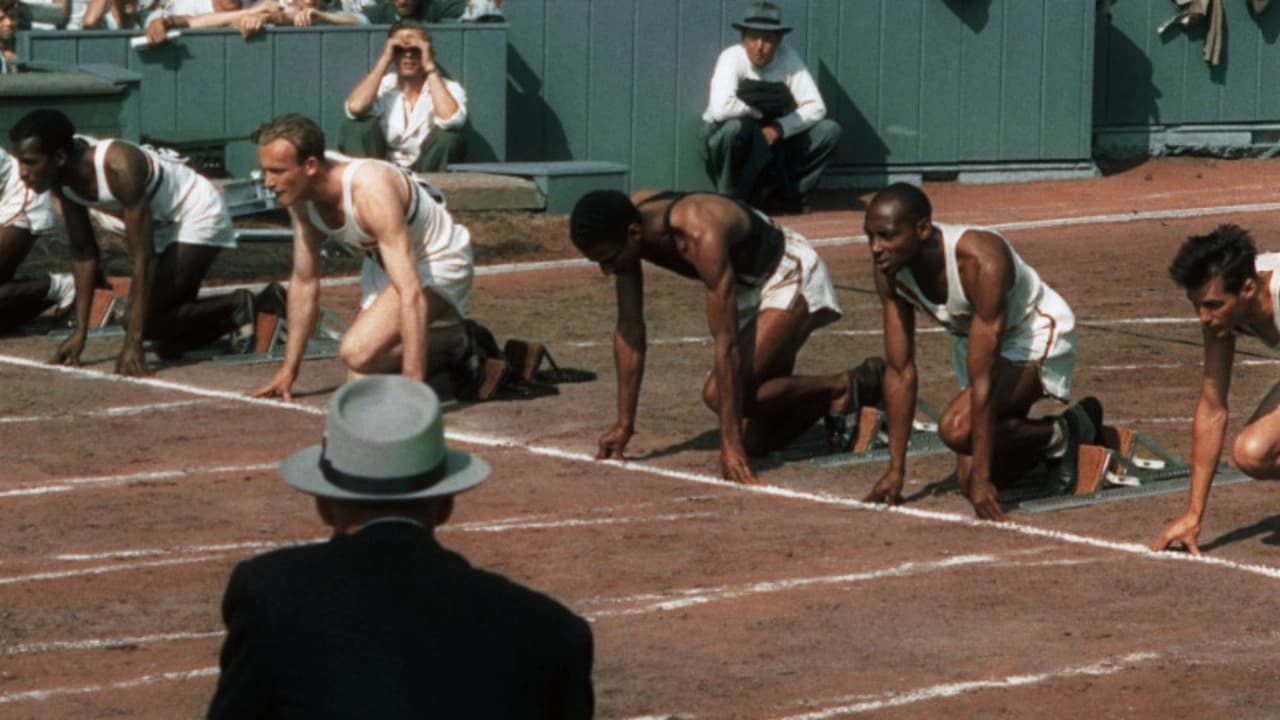
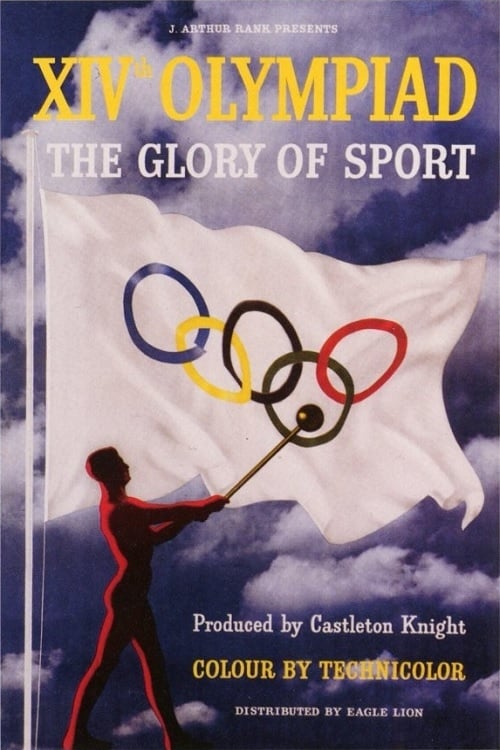
A documentary covering the 1948 Olympic Games in St. Moritz, Switzerland, and London, England.
No Trailers found.
Narrator
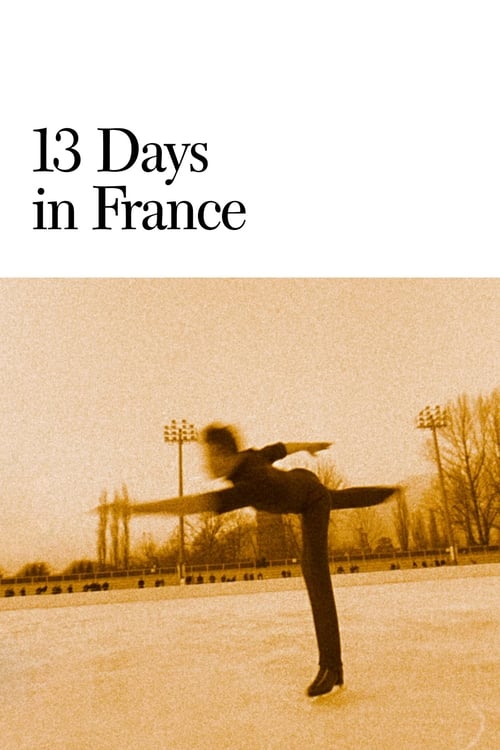
This colorful documentary chronicles the events of the 1968 Winter Olympics in France. The events made international celebrities of skater Peggy Fleming and skier Jean-Claude Killy for their gold-medal performances. The camera accurately catches the speed of bobsleds and downhill racers and ski jumpers as they race for the gold. President Charles DeGaulle is shown observing the action over 13 days, which saw France earn the best performance to date in the winter games.
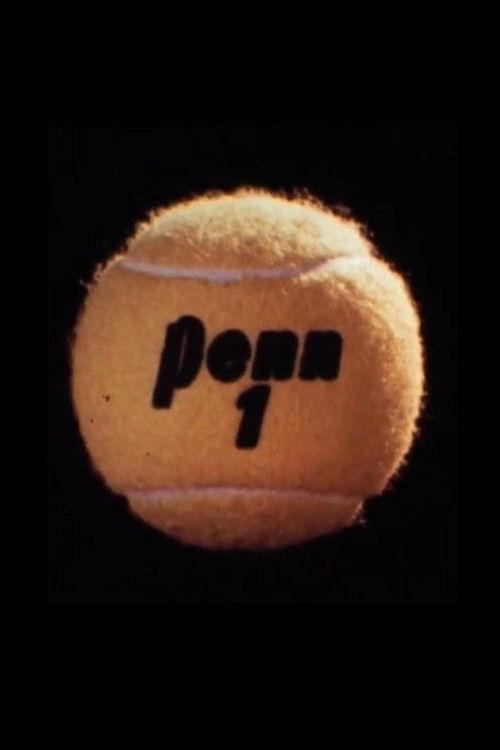
An insider's look on the making of Penn's tennis balls, from their creation in a factory to the final stages of quality control.
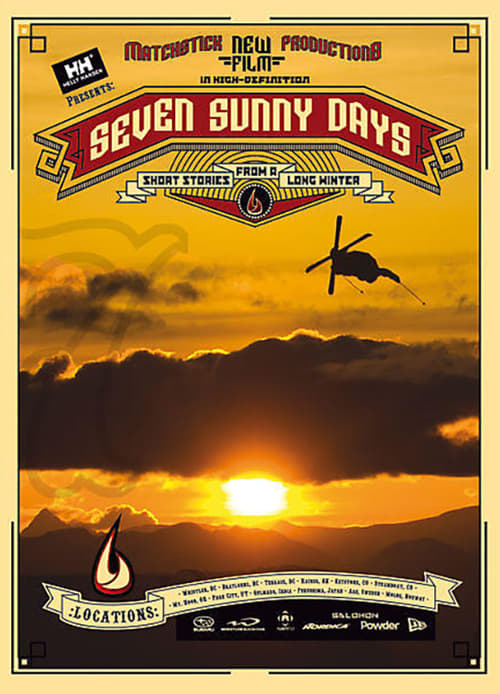
Matchstick's 2007 release, "SEVEN SUNNY DAYS", features incredible action from all over the world. Steep faces, mega-booters, giant cliffs, chase scenes, and comebacks are just some of what you can expect to see in this new film.
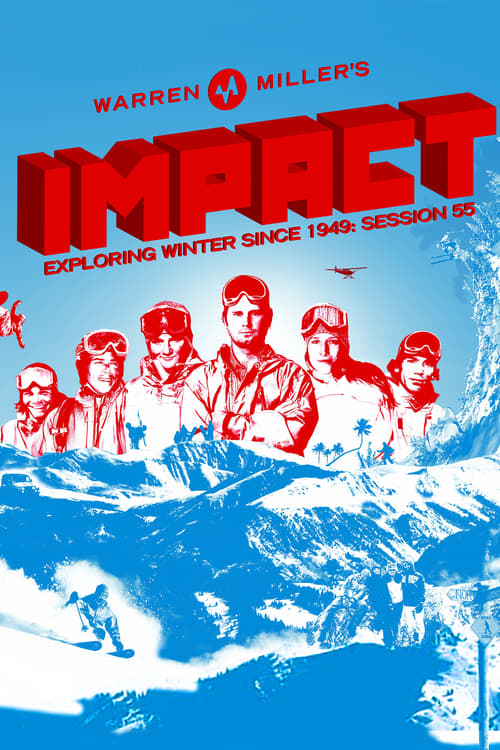
From the deserts of Mexico to the mountains of Bulgaria, Warren Miller takes you on an epic ski and snowboarding adventure. Tag along with skiers and riders like Glen Plake, Kelly Clark, Hannah Teter, Chris Anthony, Travis Mayer, Max Mancini, and many others as they travel the globe and use their skills to impact and drive the sport of skiing and riding.
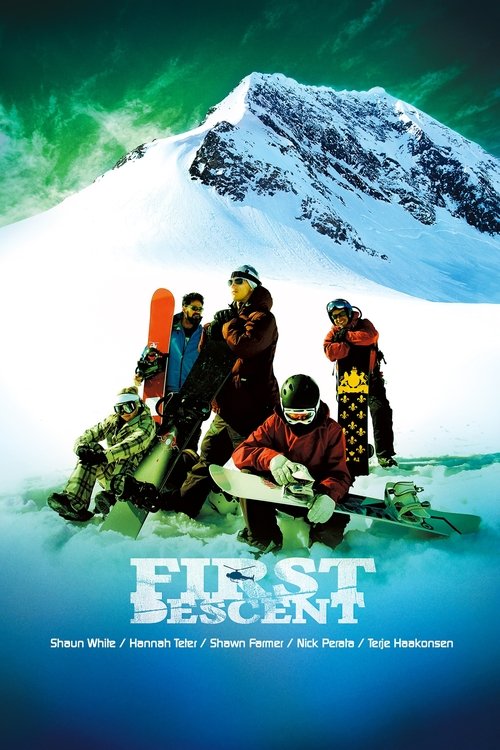
First Descent is a 2005 documentary film about snowboarding and its beginning in the 1980s. The snowboarders featured in this movie (Shawn Farmer, Nick Perata, Terje Haakonsen, Hannah Teter and Shaun White with guest appearances from Travis Rice) represent three generations of snowboarders and the progress this young sport has made over the past two decades. Most of the movie was shot in Alaska.
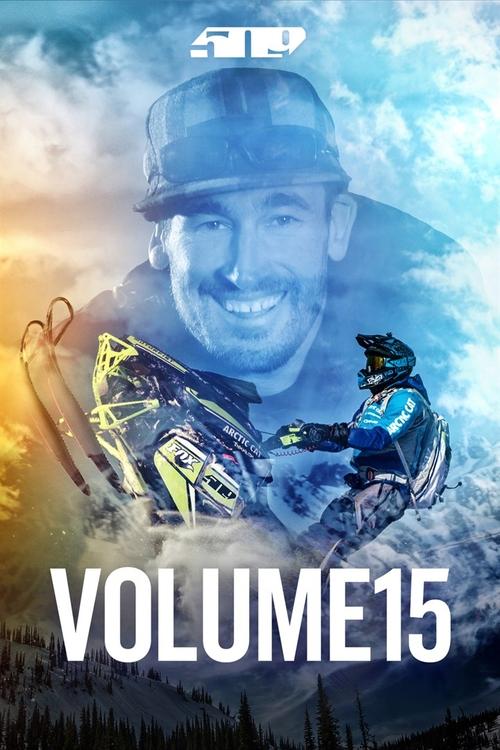
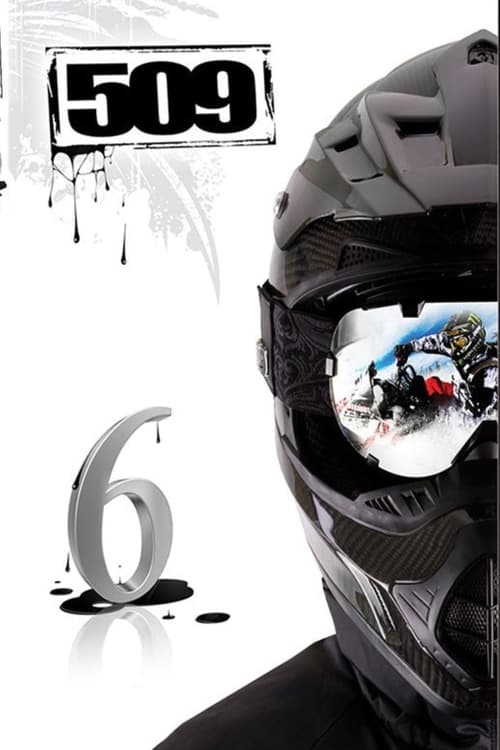
509 is back for another year of snowmobile action! How does adrenaline push our riders to send it year after year? What keeps them searching for the next big jump or breathtaking view? We travel across the West, Midwest and Sweden to capture the best in the world in their natural element.
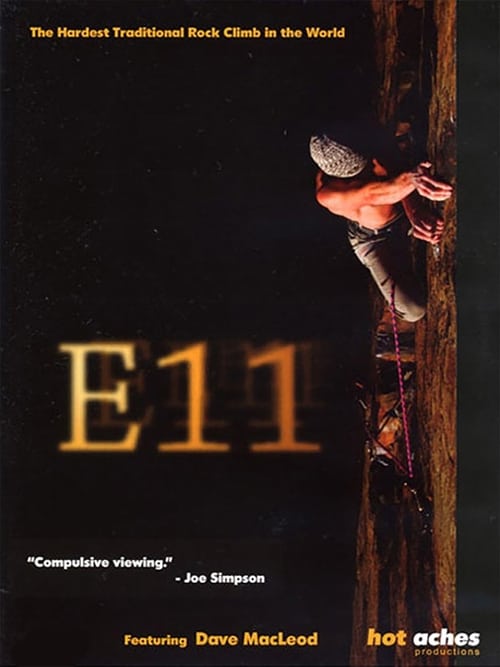
The story of the first ascent of Rhapsody at Dumbarton Rock, the world's first E11 and hardest traditional rock climb. Huge falls, injuries, tears and eventually success!
Jim Plunkett never backed down from adversity. Despite being a major high school recruit, Plunkett’s freshman year at Stanford was a letdown, and his coach tried to replace him at quarterback. He refused to be taken out and eventually became a standout at Stanford, winning the Rose Bowl and Heisman his senior year. The start to his pro career was not very different from his turn in college, starting off slow, being traded to several teams, and eventually landing a backup position with the Raiders. It was only when the starting quarterback got injured that Plunkett was thrust into the role, and ended up leading the Raiders to two Super Bowl victories.
On June 11, 2013, Sebastien de la Cruz stepped onto center court, dressed in his traditional mariachi charro suit, to sing the national anthem before Game 3 of the NBA Finals between the San Antonio Spurs and the Miami Heat. Sebastien’s performance ignited racial tweets and hate-filled comments, but when he returned for Game 4 to sing once again, the cheers in the stands turned from “Go Spurs Go” to “Go Sebastien Go!”
Jennifer Bricker excels in many sports, but her first love was gymnastics. Inspired by Romanian gymnast Dominique Moceanu, part of the 1996 Olympic gold-medalist team, Jennifer became a state champion and Junior Olympian in tumbling despite being born without legs. And when Jennifer turned 16, her adoptive parents revealed that Dominique Moceanu was more than just her hero.
Figure skater Surya Bonaly is most remembered for her amazing one-bladed back flip at the 1998 Winter Olympics, being the only skater to ever complete one in competition at the Olympics. Despite landing the flip on one skate, the judges ruled the move illegal. Bonaly did not medal, but the champion did go out on her own terms, a true “Rebel on Ice.”
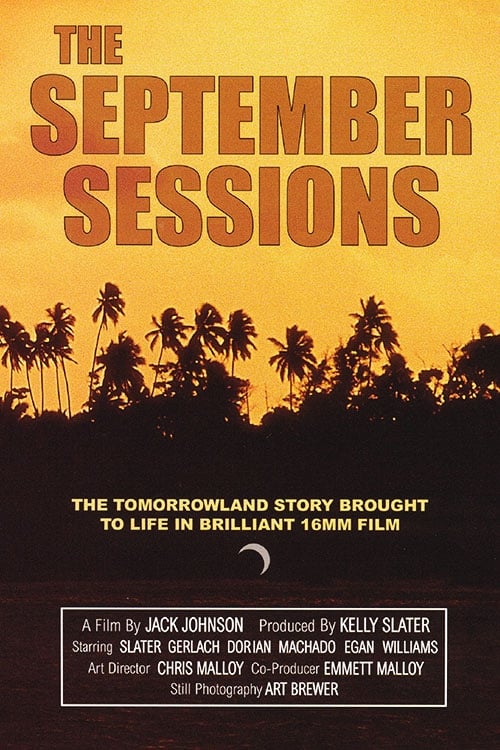
Kelly Slater, Rob Machado, and others take a trip to the coast of Sumatra, where they find themselves surfing beautiful waves, and lose the urgency they have come to live with being professionals. September Sessions documents this trip with interviews and 16mm footage of life on a once in a lifetime surftrip.
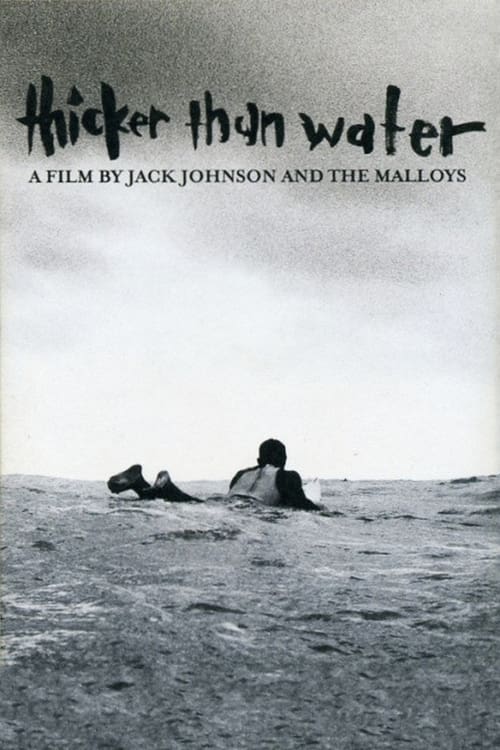
Chris Malloy, Emmett Malloy, and Jack Johnson got together to document the life and times of a pro surfer. Shot all on 16mm Film "Thicker Than Water" follows Rob Machado, Kelly Slater, Brad Gerlach, Shane Dorian, and others on a 18 month journey through the North Atlantic, South Pacific, and the Bay of Bengal.
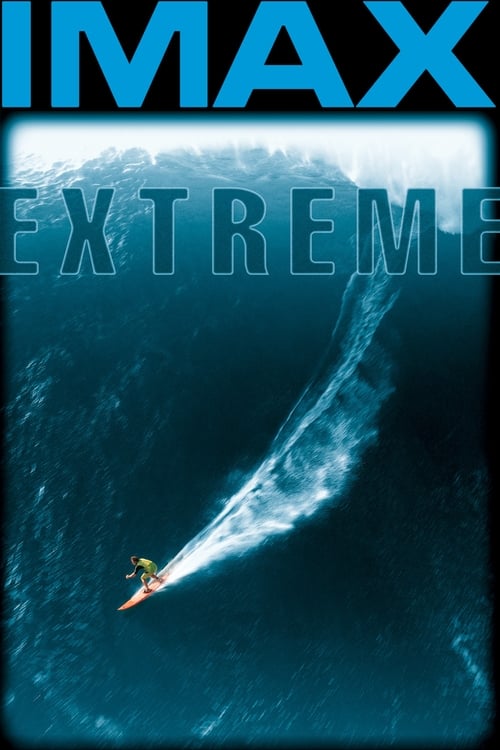
EXTREME is a visually stunning 45-minute journey into the soul of adventure featuring a cast of world champion athletes. Combining incredible extreme sport action with narration from the athletes and an eclectic, contemporary soundtrack, EXTREME explores the paradox of human nature: facing fear from the edge of life.
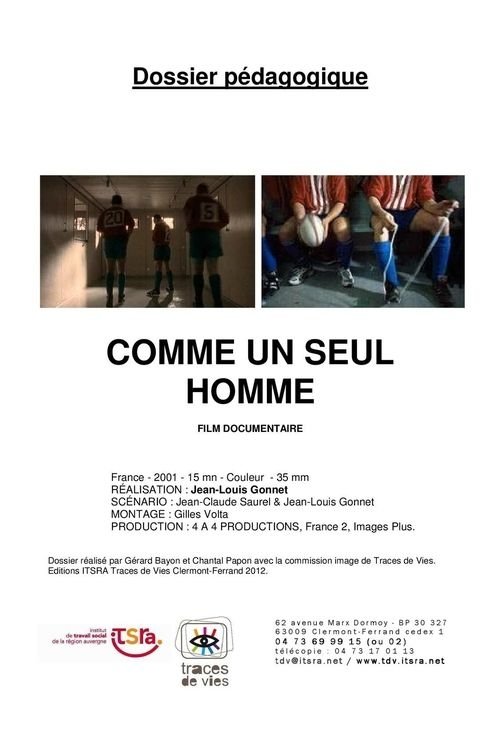
In a closed locker room, rugby players perform the last pre-match rituals. Warming up their souls and bodies, all tense in anticipation of the fight.
509 Films presents their sixth installment of their award winning backcountry snowmobile film series. Co-produced by Tom Delanoy and Phil Yribar, vol. 6 is a film two years in the making. Tagged "We Are Snowmobilers", the film takes you on an epic ride, showcasing the world's best snowmobile athletes and how THEY are snowmobilers. Featuring top riders such as Chris Burandt, Dan Adams, Brett Turcotte, Keith Curtis, Ross Martin, and many more. Volume 6 is a well rounded snowmobile film covering all aspects of riding from deep powder, big air, insane hillclimbs, to snocross race action. Sit back, strap in, and enjoy an exhilarating ride.
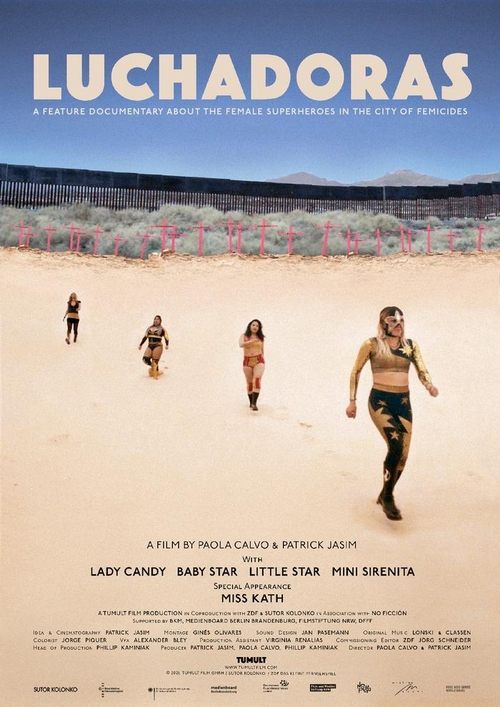
The courageous female wrestlers of Ciudad Juárez, a city known for its high murder rate against women - who fight in the ring and in their daily lives to redefine the image of what it means to be a woman in Mexico.
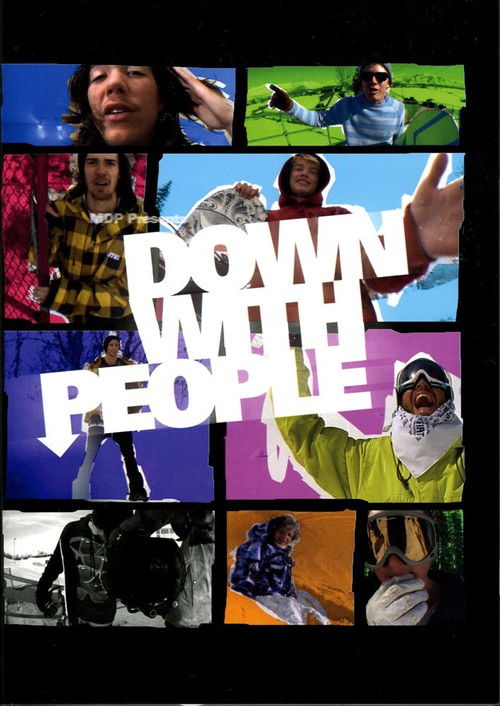
Mack Dawg Productions People Crew is back at it again with our new 2008 release, Down With People. Last years movie We're People Too had major successes, including Austin Smith winning TransWorld SNOWboarding Magazine's "Rookie of the Year" and "Video Part of the Year" from his standout debut.
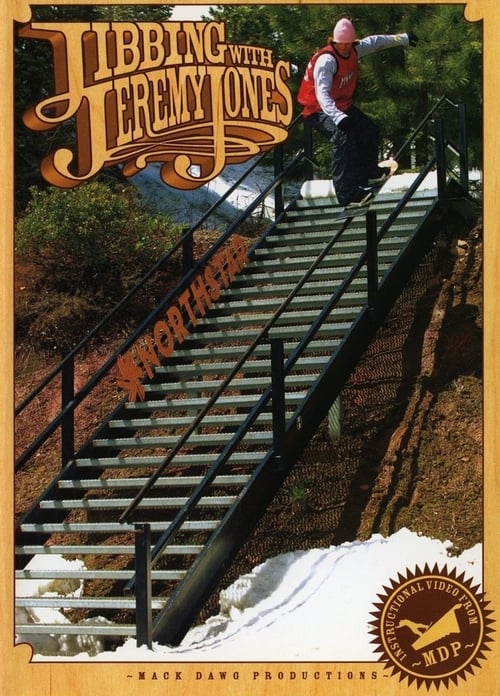
“Jibbing with Jeremy Jones” is an instructional video that covers the basics of learning how to ride handrails and park features. Bringing years of experience to the project Jeremy teaches you the following tricks: Backside Boardslides, Frontside Boardslides, Backside 50-50′, Frontside 50-50′s, Backside Lipslides, Frontside Lipslides, Nose Presses, Switch Nose Presses, 5-0′s and Switch 5-0′s. He also teaches several variations of these tricks to round the video out. This video is shot in Super 16mm film and all tricks are explained in detail by one of the masters of the sport.
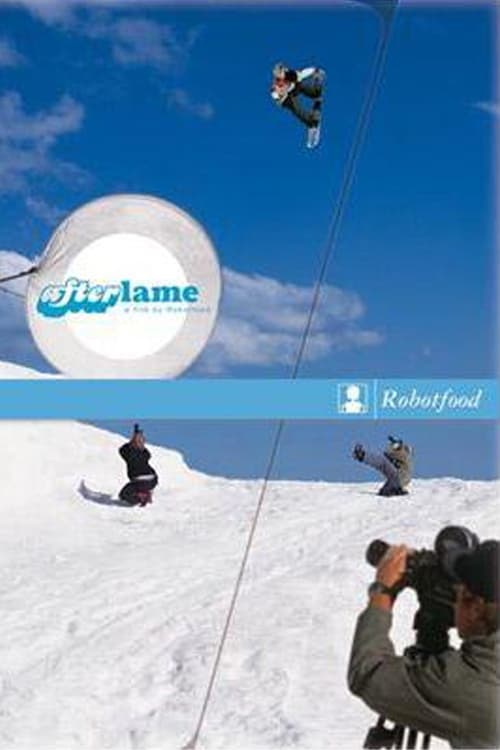
The last of Robot Food's trio of snowboarding movies, following their previous releases "Lame" and "Afterbang". Afterlame attempts to break away from the traditional snowboard highlight flick and showcase the fun and creative side of the sport, while detailing how it brings a group of friends together.