A documentary covering the 1948 Olympic Games in St. Moritz.
No Trailers found.
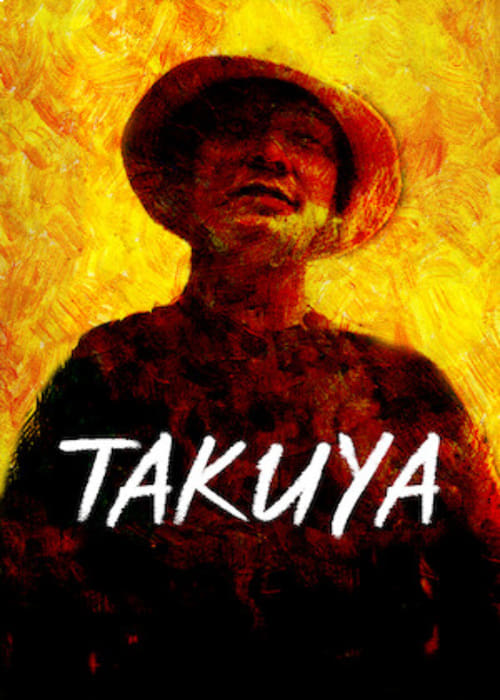
This short documentary is a loving tribute to beloved Japanese skateboarder Takuya Kirchmayr Nei.
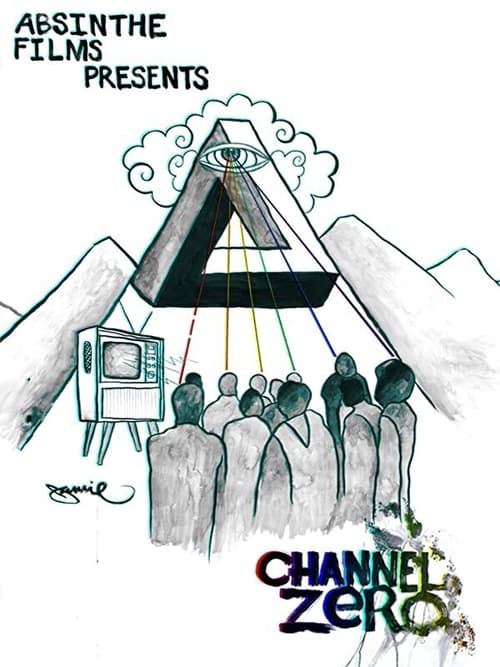
It’s the channel that’s not on your television, you need to go out into nature to tune into this frequency.
A documentary about the life of Brazilian footballer Ademir de Guia (o Divino) who played his whole professional career for Palmeiras.
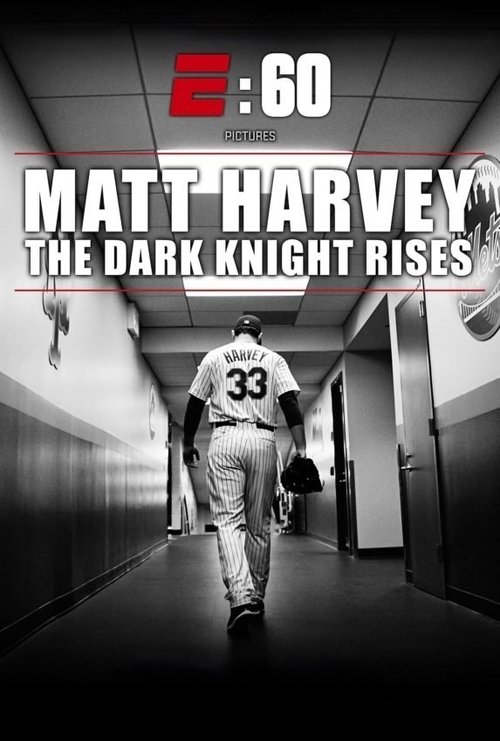
Follows Matt Harvey throughout his rehab process from Tommy John surgery, providing exclusive behind-the-scenes footage and interviews.
In this epic story of humble heroes and Kiwi ingenuity, relive the glory and the magic of the America's Cup 1995, when Sir Peter Blake carved out New Zealand's identity as innovators and world class sailors.
Chandler Wild, A New York based filmmaker, travels 6,700 miles to the end of the road in Alaska to honor his deceased father by naming a mountain after him.
Global soccer hero Thierry Henry stars in this up-close sports documentary that covers his 2010 move from Barcelona to the New York Red Bulls.
No overview available.
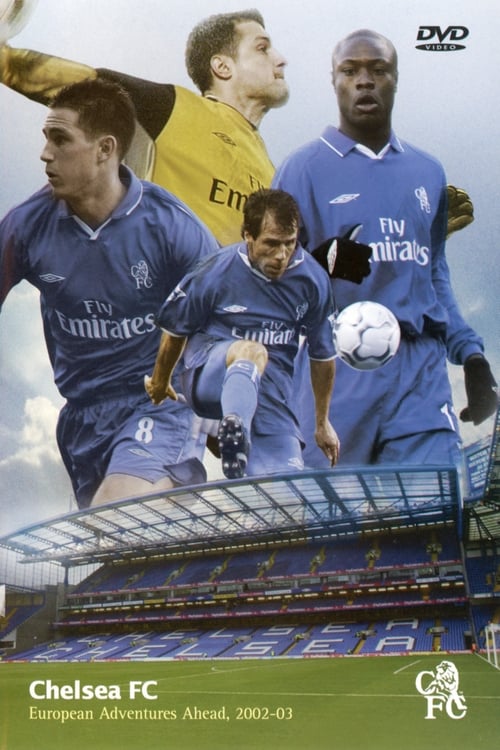
Chelsea enjoyed our best run of form for some time in 2002-03, finishing fourth in the Premiership with a memorable last day of the season victory against fellow Champions League hopefuls Liverpool. However, this was not just a late flurry from Claudio Ranieri's quality west London side. Two memorable goal-rich cup runs took the Blues to the quarter-finals of both the Worthington and FA Cups, dismissed only by Manchester United, and Arsenal after a replay. The season saw some of the best performances of his life from Chelsea's veteran striker Gianfranco Zola, who defied all records and expectations with cheeky free-kicks and several spectacular acrobatic goals. Goalkeeper Carlo Cudicini won plaudits for the consistently brilliant performances that proved he is surely Chelsea's finest keeper since Peter Bonetti. Frank Lampard, too, demonstrated week in week out the excellent England midfield form of which Chelsea fans have always believed him capable.
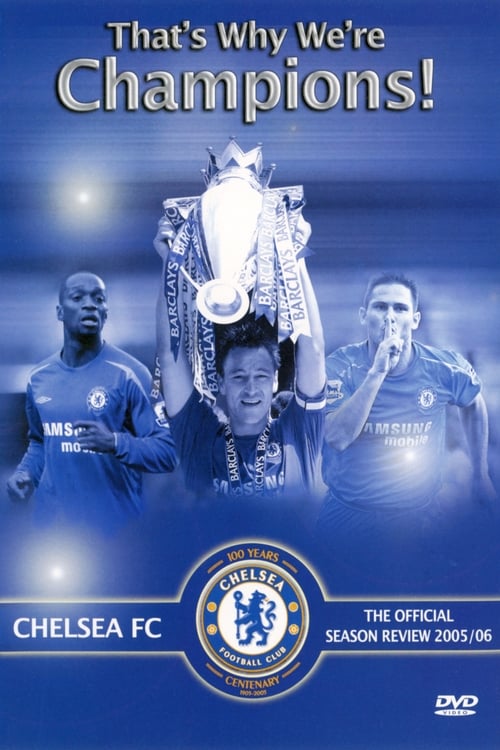
In a glorious finish to the race for the Premiership crown, Chelsea thumped arch-rivals, and nearest challengers, Manchester United 3-0 to win back-to-back titles for the first time in their history. The party could finally begin! In their Centenary season Jose Mourinho's men were in a league of their own and left their rivals trailing in their wake. The mighty Blues scored more, and conceded fewer, goals than any other team in the country and Stamford Bridge became a fortress with only two points dropped at home all season. Led by the colossal John Terry, Chelsea proved they were not one-season wonders and are a force to be reckoned with in world football. From the opening victory against Wigan Athletic, to the trip to Newcastle United, every game and every goal from the season will be featured in this feast of action packed football. This programme will remind all fans why Chelsea are the champions!
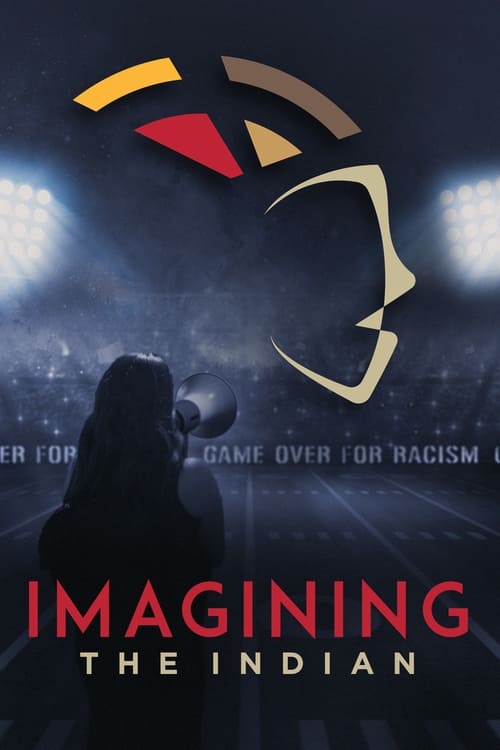
Examining the movement that is ending the use of Native American names, logos, and mascots in the world of sports and beyond.
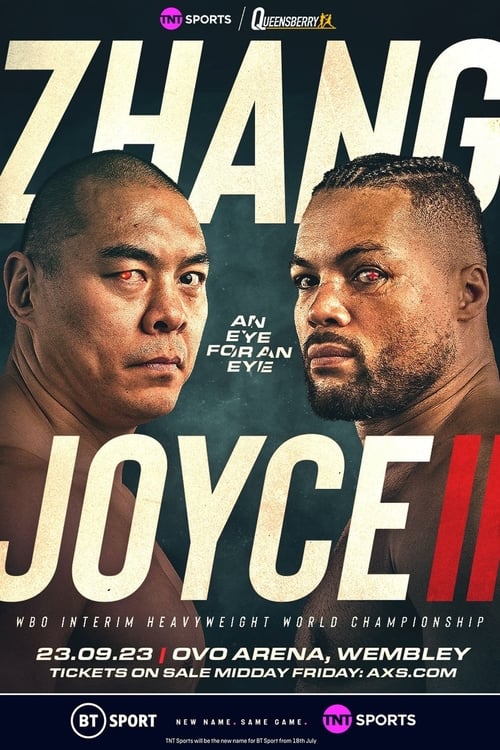
Joe Joyce faces Zhilei Zhang in a rematch as he bids to get back on track for a world heavyweight championship fight.
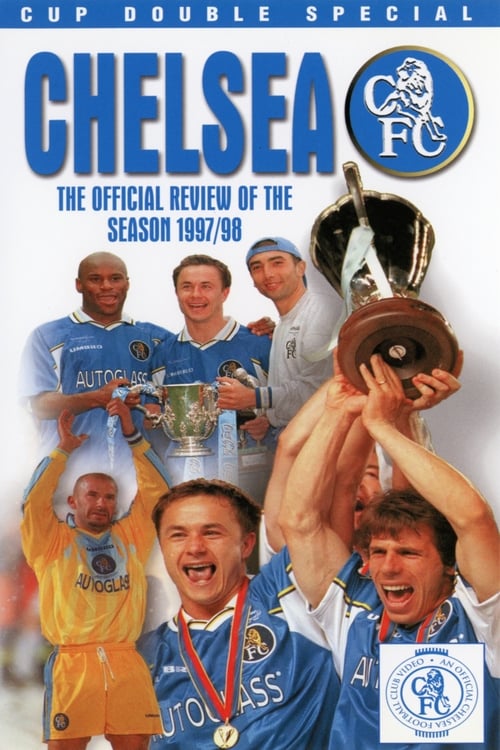
In only 3 short months since his appointment as player/manager, the legendary Gianluca Vialli has led Chelsea to an historic cup double. This video looks back on an incredible season for all at Stamford Bridge. In March, goals from Frank Sinclair and Roberto Di Matteo won the Coca-Cola Cup and then, on Wednesday 13th May, a sensational strike from Gianfranco Zola brought European glory back to London as Chelsea became the first British side to win the European Cup Winners Cup twice. Domestically, a strong Premiership campaign saw Chelsea finish 4th, an improvement on previous years. All the action from EVERY game is here with goals galore from your favourite Chelsea players, including Mark Hughes, Tore Andre Flo, Dan Petrescu and Steve Clarke.
What an incredible season for The Blues, they've dazzled with their flair and determination, defeated some of the biggest and best clubs in Europe and topped all of this by winning the much coveted FA Cup! Featuring EVERY goal from the Premiership, Champions League and FA Cup including the 3-1 defeat of Barcelona and the 5-0 defeat of Manchester United. Introduced by Ray Wilkins, 'From Stamford Bridge to Wembley Via Nou Camp and San Siro' includes interviews with many of the Chelsea favourites, including: Zola, Poyet, Petrescu, Weah, Morris, Wise and manager Gianluca Vialli. Join the Blues with an EXCLUSIVE behind the scenes FA Cup feature, from the post match dressing room celebrations, to riding on the team bus after the match and for the Sunday parade, you can go where the television cameras couldn't!
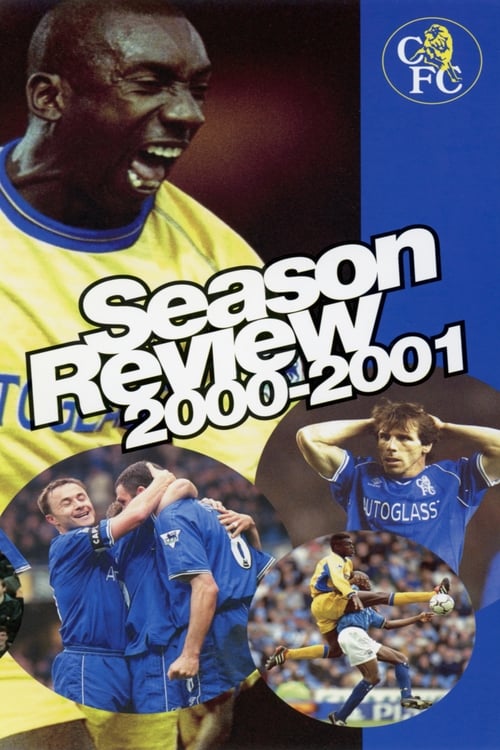
This was the season Chelsea were preparing a Championship challenge. Instead it was a season of unforeseen drama. Follow it here with every goal, every anguish and, ultimately, every achievement. Action and interviews abound. See Chelsea win the Charity Shield and part with manager Gianluca Vialli after five Premiership games. See Chelsea score huge home wins over Liverpool, Coventry, Tottenham, Derby and Bradford while at the same time losing seven consecutive away games. See the emergence of tomorrow's Chelsea with new manager Claudio Ranieri brining through John Terry, Sam Dalla Bona and Carlo Cudicini. See Chelsea's first premiership Golden Boot winner, Jimmy Floyd Hasselbaink. All his 23 League goals are here. And see old favourites like Dennis Wise and Gianfranco Zola joined by new favourites like Eidur Gudjohnsen. Feel the anguish. Defeats in the three Cups before the semi-final stage. Enjoy the regeneration. A new team still qualifying for the UEFA Cup.
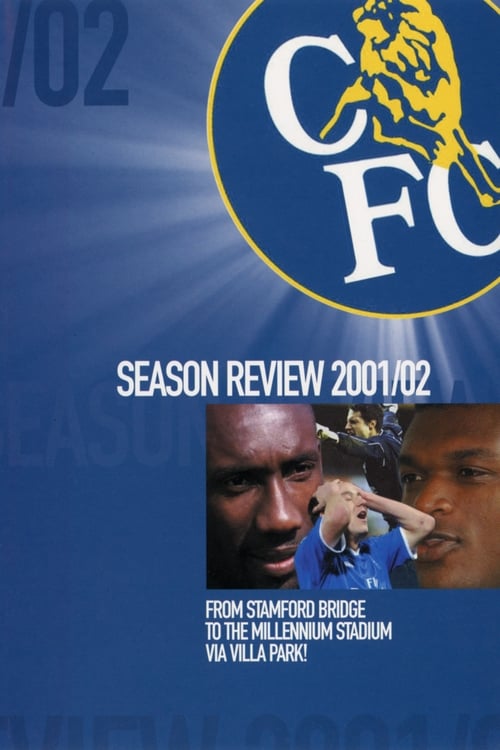
All the goals - everything scored and conceded, all 149 goals. The essential action - the goal line clearances, the saves. Post match reactions - exclusive interviews with the players and manager. The cup run - behind the scenes at Villa Park and The Millennium Stadium. The controversies - full response to our early European exit and erratic premiership form. The analysis - Graeme Le Saux pinpoints the crucial moments with help from Claudio Ranieri.
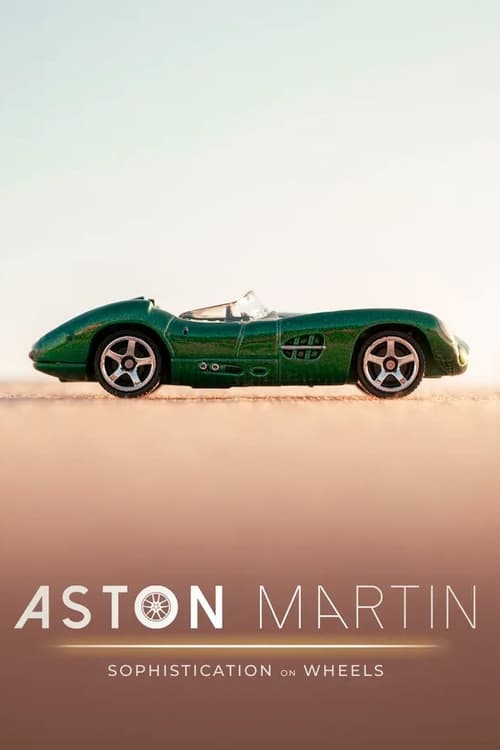
Aston Martin is a name that has personified high quality, hand-built cars since early in the 20th century. Cars which have proudly carried the British Racing Green to a World Sports Car Championship and victories in major races around the world. Take a look back at one of Aston Martins most iconic models.
Featuring new, previously unseen footage documenting the bizarre and unsettling things that happened to filmmakers David Farrier and Dylan Reeve as Tickled premiered at film festivals and theaters in 2016. Lawsuits, private investigators, disrupted screenings and surprise appearances are just part of what they encounter along the way. Amidst new threats, the duo begins to answer questions that remained once the credits rolled on Tickled, including whether the disturbing behavior they uncovered will ever come to an end.
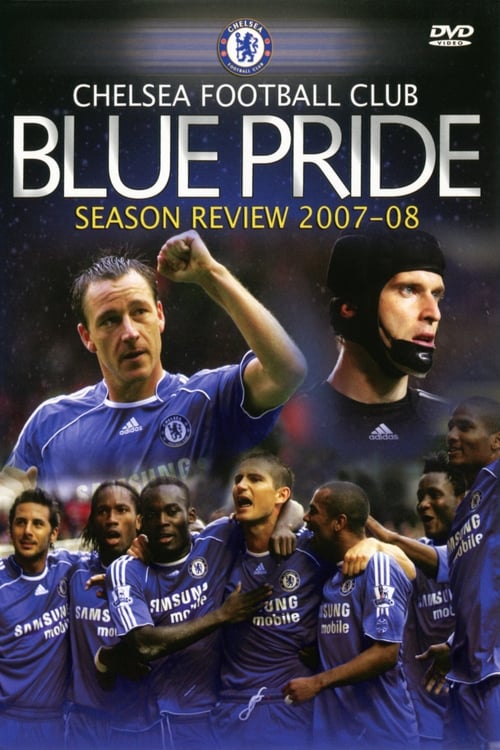
The 2007/08 season proved to be a rollercoaster ride full of conflicting emotions for all the players and fans at Chelsea FC. The Blues took the Premier League title to the wire, reached their first-ever UEFA Champions League Final and played at Wembley in the Carling Cup Final but finished without silverware. The season started and finished in a penalty shootout defeat to Manchester United but in between there were many marvellous performances to enjoy including the dramatic win over the same team at Stamford Bridge, the 6-0 thrashing of Manchester City and the sensational win over Liverpool to take the team to Moscow. Off-the-field events were equally dramatic with Jose Mourinho replaced as manager by Avram Grant, who steadied the ship after an unconvincing start to the campaign and helped the club push for honours on all fronts.
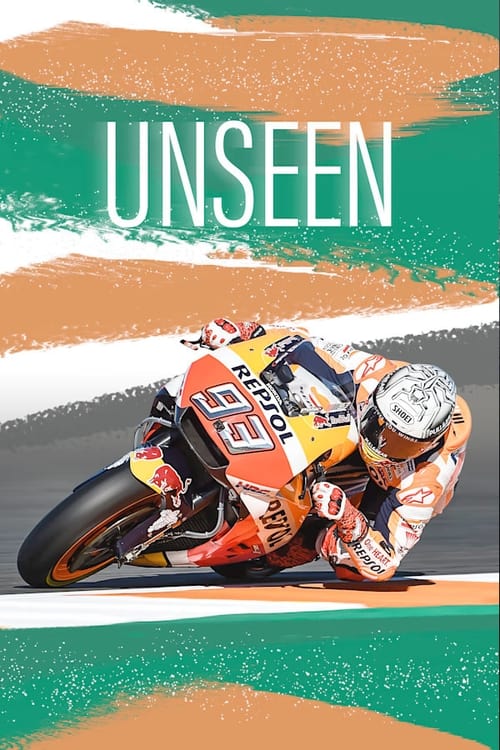
The 2017 MotoGP™ World Championship was full of unique, unforgettable moments both on track and off. Duels, battles, rain and shine, the title fight went right down to the wire. This incredible chapter of motorcycle racing history was captured from the first race in Qatar to the last in Valencia: on track, behind the scenes and under the helmet; the chaos on the grid, incredible overtakes and parc ferme debriefs. 70 minutes of raw images and conversations from behind the scenes of the season that reveal the reality of the 2017 title fight. And, more than that, the reactions of World Champion Marc Marquez when he watches this footage; seeing himself as he is seen on the way to his sixth World Championship.
No Cast found.