No Trailers found.
Huelva, Spain, an isolated region lost in time. The grass, the sand and the sky are the same that those foreigners saw in the spring of 1895, when they crossed the sea from a distant country to mark the unspoiled terrain and extract its wealth, when the tower was new, when people could climb to the top of the highest dune and imagine that the city of Tartessos was still there, in the distance, almost invisible in the morning brume.
The film is a study of nature and significance of the hands in cinema. Besides review of movements and actions, which creates an independent story, it reveals interactions and interdependence of cinematic traditions of various authors, countries and periods
This documentary aims to register this unknown side of James Joyce: His Greek Notebooks. Trieste. Bloomsday, 2013. Dance in slow motion, accompanied by text. By deconstructing the body, we turn it into a memory: of the body, of life, of texts. The biographical references to Joyce and Mando Aravantinou, combined with the diagonal slicing of the image, cancel the realism of the landscape, including that of the Narrator’s space/study. As a culmination, Joyce’s letter “A request for a loan in Greek” functions as a timely denunciation. Various routes through cities, such as Trieste, London, New York, and Athens; languages such as Greek and English. In addition to the primal myth of Ulysses, there is another issue: Greek is “the language of the subject of Ulysses”
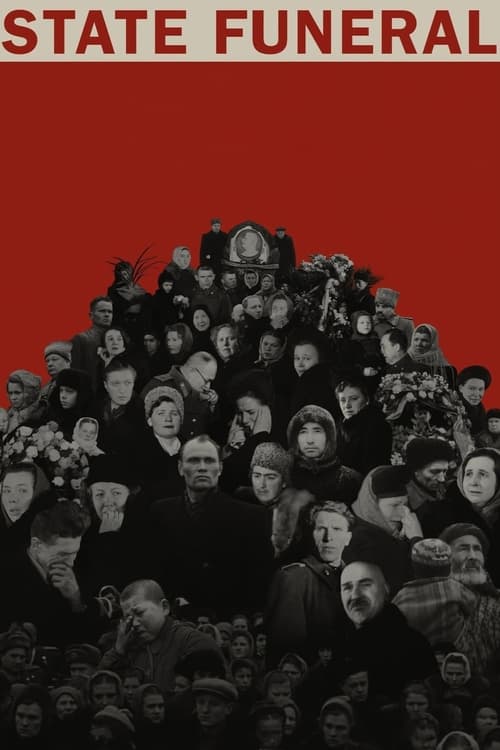
The enigma of the personality cult is revealed in the grand spectacle of Stalin’s funeral. The film is based on unique archive footage, shot in the USSR on March 5 - 9, 1953, when the country mourned and buried Joseph Stalin.
The collective life of the generation born as Jurij Gagarin became the first man in space. Vitaly Mansky has woven together a fictional biography – taken from over 5.000 hours of film material, and 20.000 still pictures made for home use. A moving document of the fictional, but nonetheless true life of the generation who grew up in this time of huge change and upheaval.
Found footage anti-war film comprising film documents of the Austro-Hungarian and Italian army on the Alpine front, and from first generation picture material by war-film pioneer Luca Comerio.
I go to Movieland at least once a week, every week, for the last five years to sink some quarters into the games and the Movieland movie is an accumulation of the friends, lights, textures, and narratives that I have experienced in that time. I love Movieland!
The Displaced View traces a personal search for identity and pride, within the unique and suppressed history of the Japanese in Canada. Through an examination of the emotional and cultural links between the women of one family, the processes of the construction of memory and the re-construction of history, are revealed. Utilizing an innovative combination of experimental, dramatic and documentary forms, the film emerges as a deeply moving and compassionate love letter. Just as the official history of the Japanese Canadians has been thrown into question, so does the film’s fictionalized narrative, question documentary as truth.
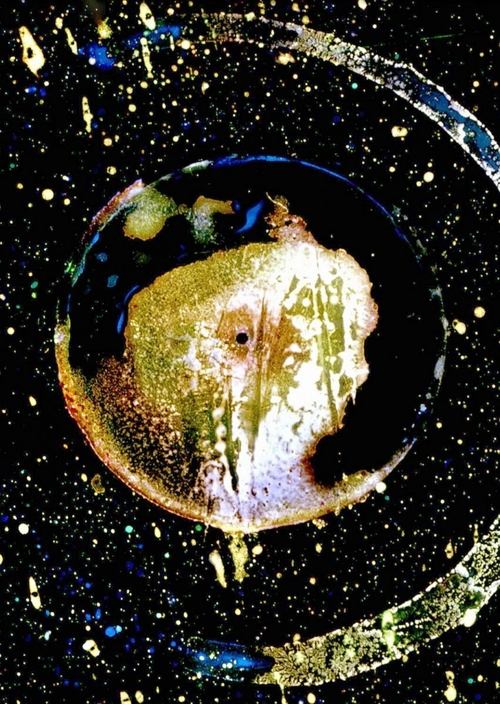
Sistiaga painted directly on 70mm film a circular (planetary?) form, around which dance shifting colours in a psychedelic acceleration matched by the soundtrack’s deep-space roar and howl. - Cinema Scope
As beautiful and sleek as it is deadly, 52 Blocks merits special conservation efforts as the United States' only existing native martial culture, as it is indeed, the jazz of the martial arts world. Across the African diaspora, there are manifestations of African-derived warrior-dances, capoeira in brazil, mani in Cuba, ladja in Martinique, pinge in Haiti- yet the US offshoot has remained esoteric, because it was suppressed throughout slavery, Reconstruction and Jim Crow and then obscured in the criminal justice system. The history, interviews and training of the martial arts style that created Breakdance and boxing greats like Mike Tyson.
A vehicle of consciousness navigates the vertiginous labyrinths of San Francisco. ROMAN CHARIOT was filmed over several months with a spy camera mounted on filmmaker David Sherman's son's baby carriage.
An experimental sports film made partly during the Scandinavian Open Championships in Halmstad in 1970, partly during the Chinese players' exhibition tour in Denmark immediately after the SOC. First of all, it is a film about their style, about the artistic culmination that is ping-pong at its best, it records China's comeback into the international sports world.
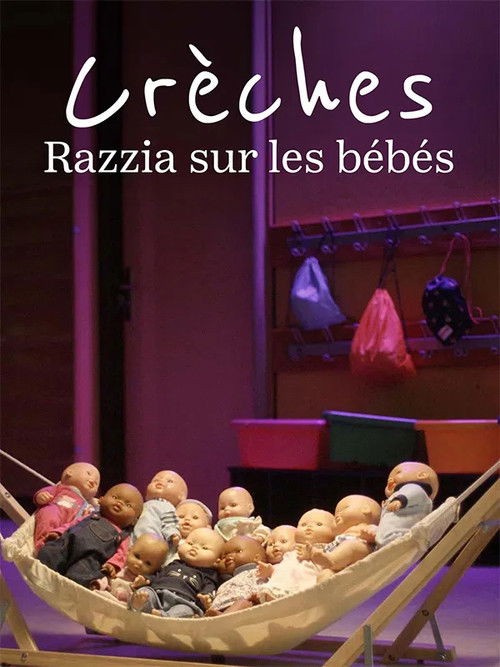
Since nurseries were opened up to the private sector in the early 2000s, early childhood has become a lucrative business for its voracious players. As scandals involving abuse and embezzlement of public funds multiply, we investigate the excesses of deregulation, which has turned babies into cash machines.
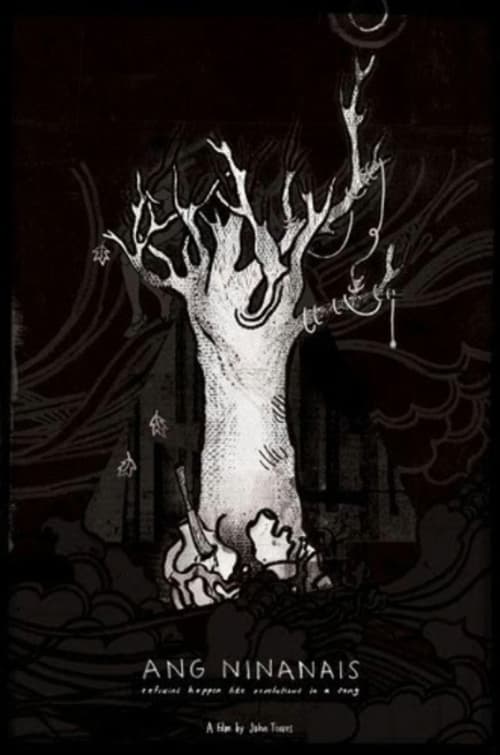
Sarah is a debt collector who lives among the inhabitants of the village of Guimbal on the island of Panay. She wants to find the young man who appeared to her in a dream and goes to the island of Negros. Here, as she interacts with the inhabitants, Sarah continues her search, gathering memories of life and war, dreams, myths, legends, songs and stories that she takes part in and at times revolve around her. She is the daughter of an ancient mermaid, a revolutionary, a primordial element, a virgin who was kidnapped and hidden away from the sunlight. “The film is a retelling of fragments of the American occupation. Dialogue, shot in the Hiligaynon language, is not translated but used as a tonal guide and a tool for narration. Using unscripted scenes shot where the main character was asked to merely interact with the villagers, I discard dialogue and draw meaning from peoples’ faces, voices, and actions, weaving an entirely different story through the use of subtitles and inter-titles.”
Music documentary about Billo Frómeta by director Rafael Marziano Tinoco from Venezuela.
Rapidly changing images of natural objects, scenery, animals, plants, and people flicker, flash, tumble, and cascade across the screen.
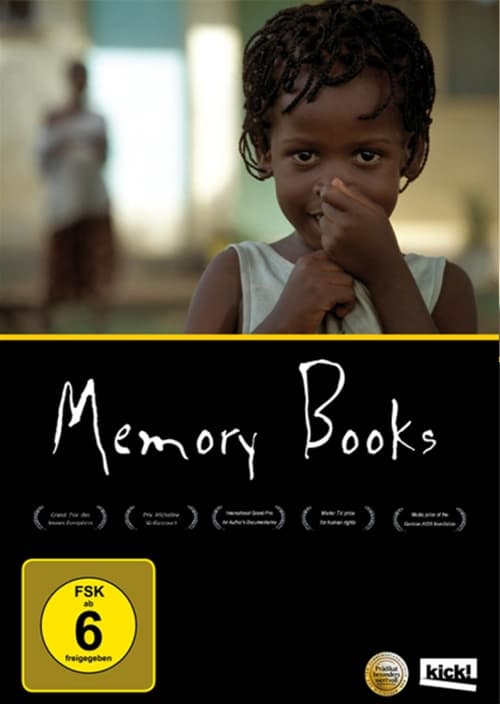
In Uganda, AIDS-infected mothers have begun writing what they call Memory Books for their children. Aware of the illness, it is a way for the family to come to terms with the inevitable death that it faces. Hopelessness and desperation are confronted through the collaborative effort of remembering and recording, a process that inspires unexpected strength and even solace in the face of death.
The film interweaves the personal accounts of polio survivors with the story of an ardent crusader who tirelessly fought on their behalf while scientists raced to eradicate this dreaded disease. Based in part on the Pulitzer Prize-winning book Polio: An American Story by David Oshinsky, Features interviews with historians, scientists, polio survivors, and the only surviving scientist from the core research team that developed the Salk vaccine, Julius Youngner.
Culled from four rolls of Super-8 film shot while the maker was a development worker in a small South American village, Daumë is at its center a film about ritual, power, and play. Daumë is both ethnography and critique; it is an interrogation into how to represent a place that can't be represented.
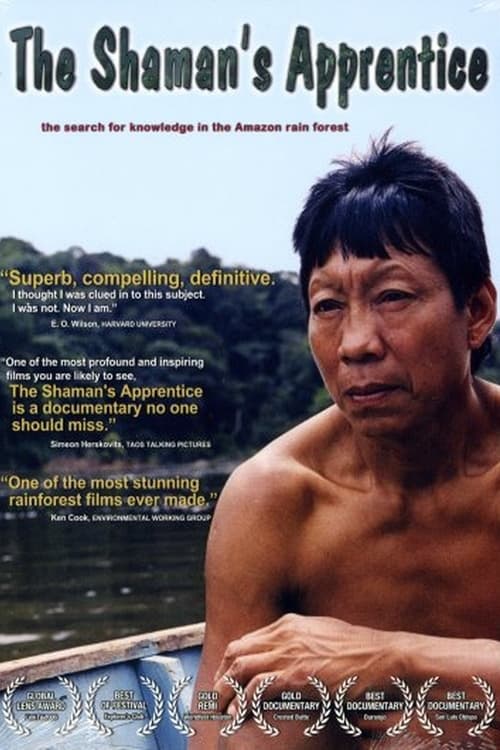
Scientist Mark Plotkin races against time to save the ancient healing knowledge of Indian tribes from extinction.
No Cast found.