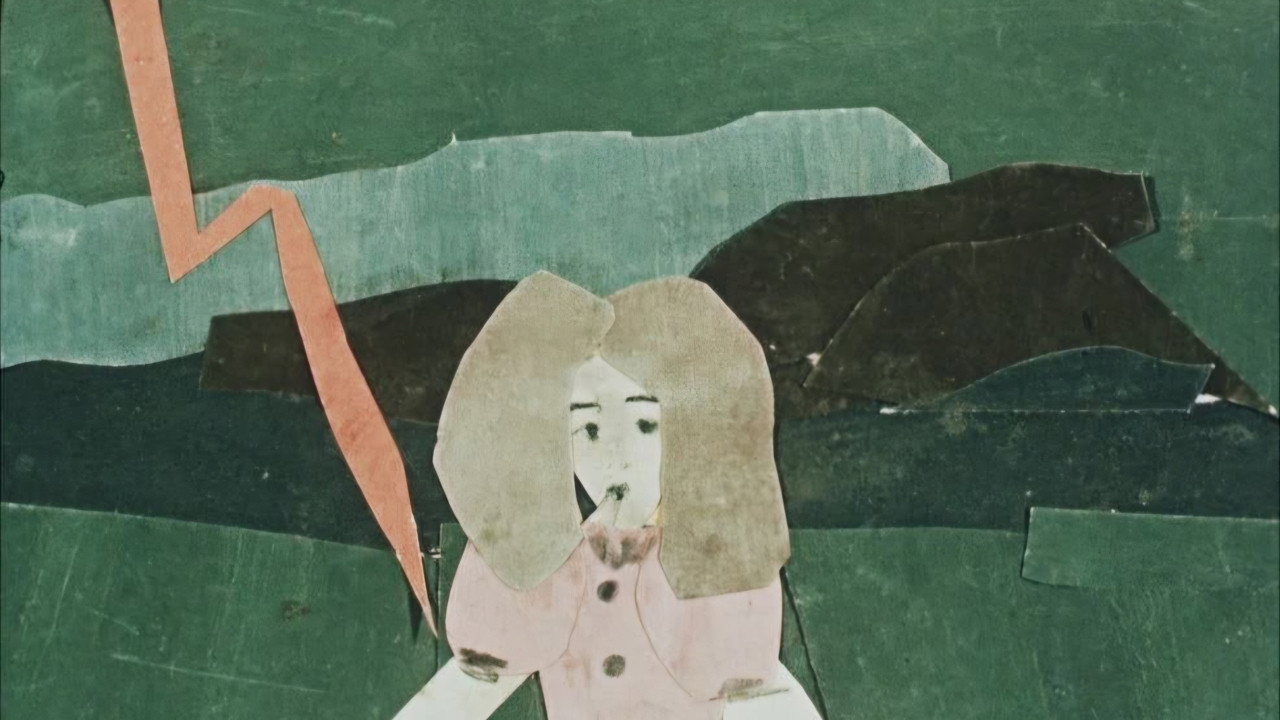
A documentary about the life of Jewish children forced to live in the Theresienstadt concentration camp.
Commentary (voice)
No Trailers found.
Amid the Holocaust’s unimaginable cruelty, a young boy finds hope in music. Eighty years later, Frank Grunwald shares his true story of survival and resilience, intertwined with American jazz, offering a powerful testament to the strength of the human spirit.
Surviving against all odds. In 1940, Benjamin Orenstein, just a teenager, was sent to his first concentration camp in Poland. It was the beginning of a journey that would mark him for life. After years of silence, he now bears witness to one of the darkest chapters in history.
The story of black and mixed race people in Nazi Germany who were sterilised, experimented upon, tortured and exterminated in the Nazi concentration camps. It also explores the history of German racism and examines the treatment of Black prisoners-of-war. The film uses interviews with survivors and their families as well as archival material to document the Black German Holocaust experience.
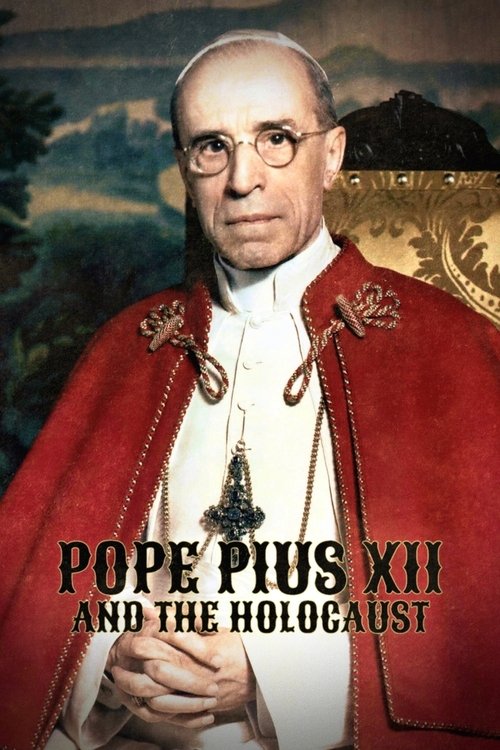
A portrait of Pope Pius XII (1876-1958), head of the Catholic Church from 1939 until his death, who, during World War II, and while European Jews were being exterminated by the Nazis, was accused of keeping a disconcerting and shameful silence.
No overview available.
In 1944, two prisoners miraculously escaped from Auschwitz. They told the world of the horror of the Holocaust and raised one of the greatest moral questions of the 20th century.
A documentary chronicling the adolescent years of Elie Wiesel and the history of his sufferings. Eliezer was fifteen when Fascism brutally altered his life forever. Fifty years later, he returns to Sighetu Marmatiei, the town where he was born, to walk the painful road of remembrance - but is it possible to speak of the unspeakable? Or does Auschwitz lie beyond the capacity of any human language - the place where words and stories run out?
With the help of a Baptist minister and people abroad, the son of Holocaust survivors unshackles his inherited trauma and reconstructs his future.
A film about non-Jews who saved Jews during the Holocaust.
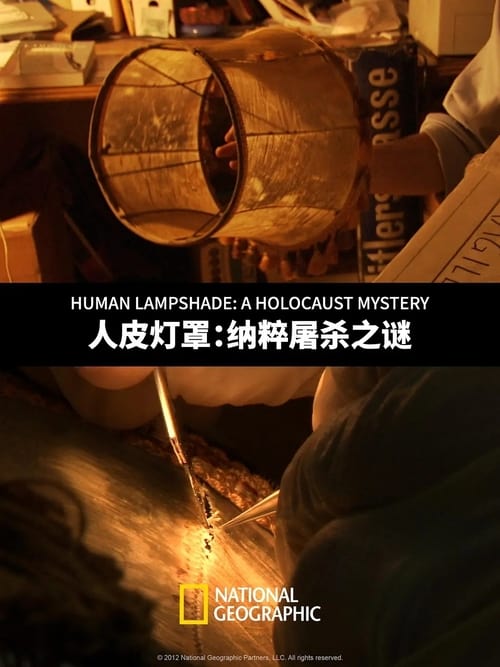
This story follows one man's quest to uncover the origins and reveal the mysteries of a possible Holocaust artifact some historians now say never existed: lampshades made of human skin. When the flood waters of Hurricane Katrina receded, they left behind a wrecked New Orleans and a strange looking lamp that an illicit dealer claimed was 'made from the skin of Jews.'
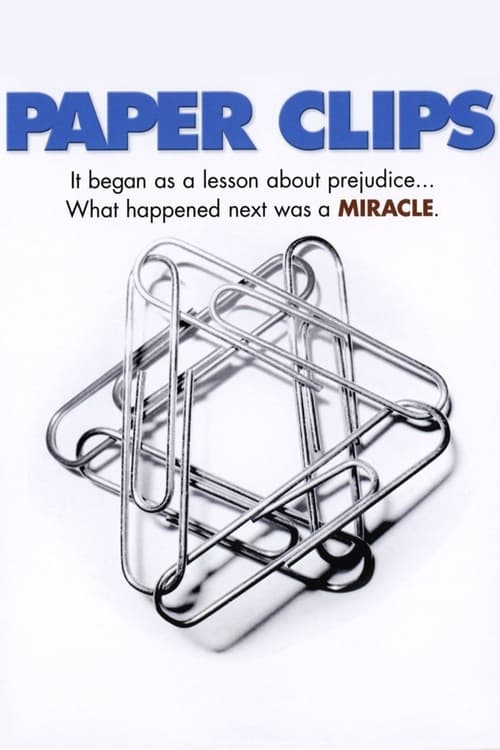
Whitwell, TN is a small, rural community of less than two thousand people nestled in the mountains of Tennessee. Its citizens are almost exclusively white and Christian. In 1998, the children of Whitwell Middle School took on an inspiring project, launched out of their principal's desire to help her students open their eyes to diversity in the world and the horrors and enormity of the holocaust.
Actress Sara Sommerfeld's grandmother survived the holocaust and now Sara visits the places her grandmother were during World War 2.
Let's keep it is a cinema documentary (99') about the still problematic attitude of the Republic of Austria towards the restitution of "aryanized" real estate which - for whatever reason - became the property of Austria after 1945. The film is also the director's bow to the victims of the darkest chapter of Austria's recent history. A chapter that seems to have been extended to a certain extent when it comes to restitution of looted property to the descendants of Holocaust victims.
A film about friendship in difficult times, Auschwitz.
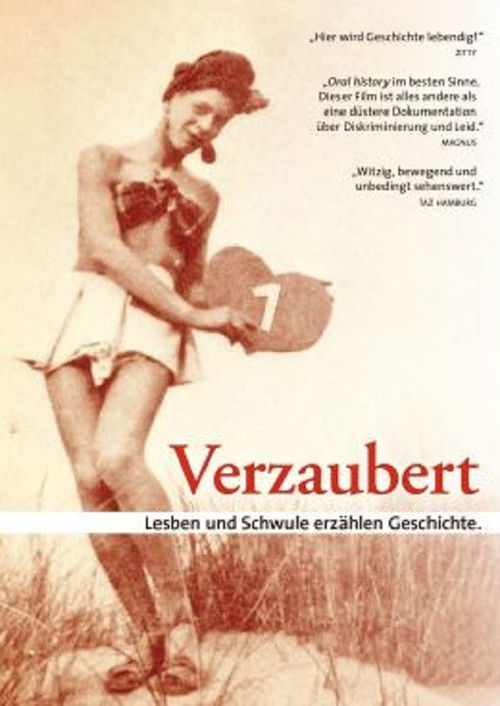
Stories of 12 gay and lesbian survivors of Nazism and the Holocaust.
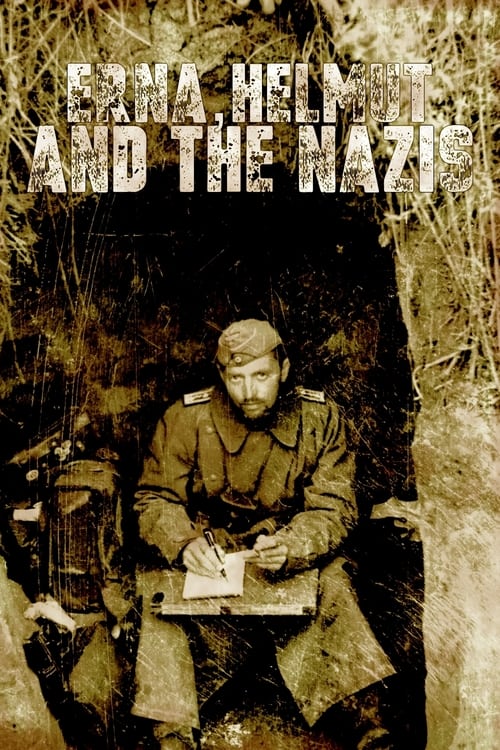
Germany, 1929. Helmut Machemer and Erna Schwalbe fall madly in love and marry in 1932. Everything indicates that a bright future awaits them; but then, in 1933, Adolf Hitler and the Nazi Party rise to power and their lives are suddenly put in danger because of Erna's Jewish ancestry.
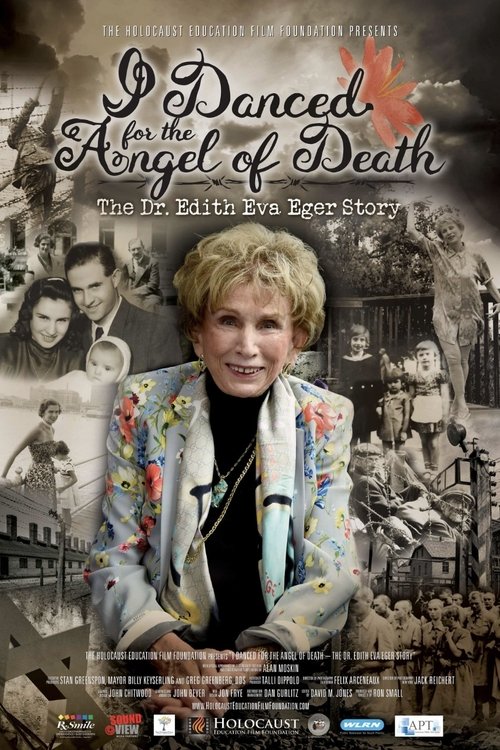
Dr. Edith Eva Eger recounts her story of survival as a prisoner at Auschwitz concentration camp, her struggle with survivor's guilt and how her work as a psychologist has helped her grow and heal.
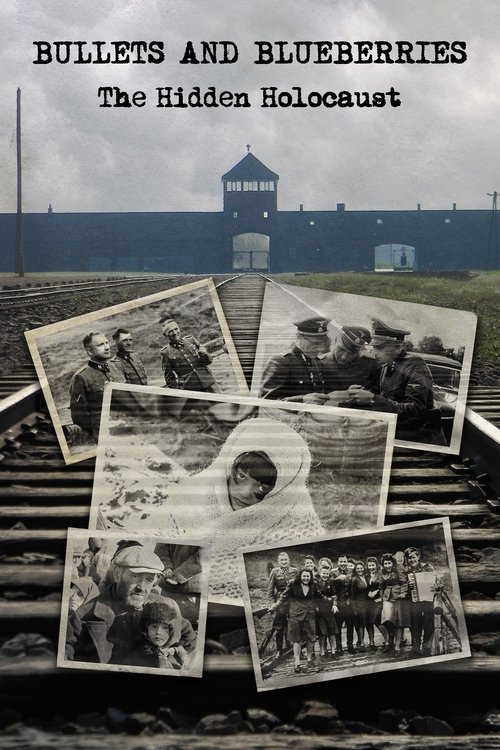
The Holocaust began with the indiscriminate mass shootings by the Einsatzgruppen in the bloodlands of Eastern Europe and was perfected in the gas chambers at Auschwitz. “Bullets And Blueberries” explores the motives, methods and madness of the perpetrators, using never-before-seen images captured by the killers themselves — images that fully capture the banality of evil.
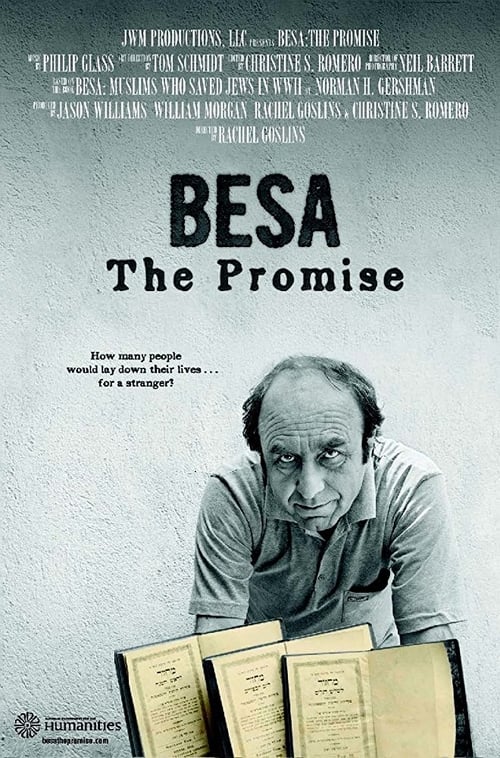
A documentary exploring how Albanians, including many Muslims, helped and sheltered Jewish refugees during WWII at their own risk, and trying to help the son of an Albanian baker that housed a Jewish family for a year return some Hebrew books that the family had to leave behind.
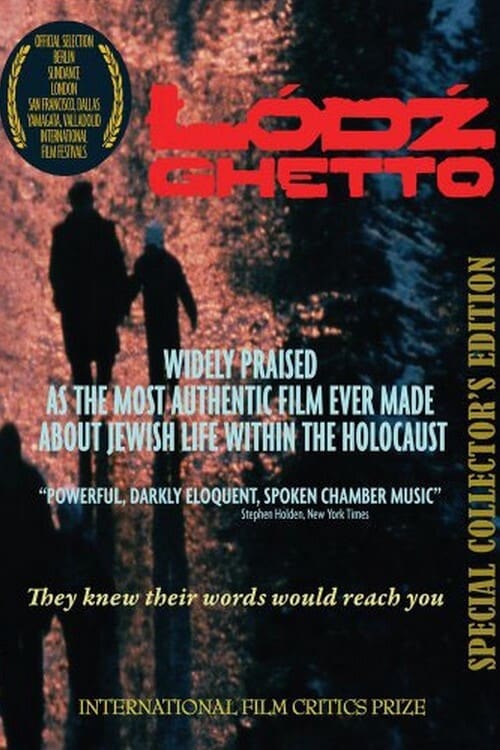
The Polish city of Łódź was under Nazi occupation for nearly the entirety of WWII. The segregation of the Jewish population into the ghetto, and the subsequent horrors are vividly chronicled via newsreels and photographs. The narration is taken almost entirely from journals and diaries of those who lived–and died–through the course of the occupation, with the number of different narrators diminishing as the film progresses, symbolic of the death of each narrator.