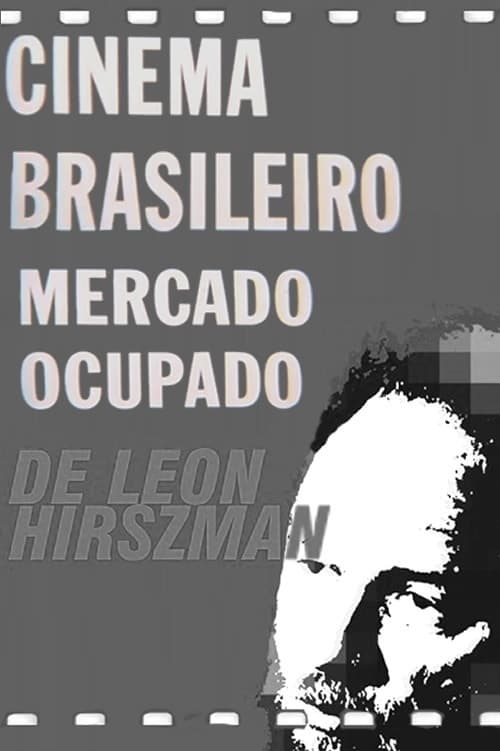
Documentary by Leon Hirszman about the economic conditions of film production in Brazil, produced in 1975 with sponsorship from Embrafilme and kept unreleased since then.
Narrator (voice)
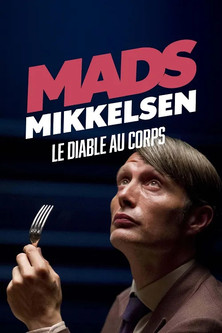
Impassivity and silence are Mads Mikkelsen's trademarks, and roles without reply his specialty. His sculptural allure is such that his mere presence takes on a dramatic dimension. For him, everything starts with the body. It's his main working tool, which he shapes and engages for each film. For the majority of world audiences, the Danish actor remains associated with his "villain" characters in Hollywood blockbusters - Casino Royale, Doctor Strange, Hannibal, Fantastic Beasts... Yet he finds with uncommon ease a balance between major American film franchises and more modest, confidential independent films. If the actor manages to move from one universe to another without being stereotyped, it's because he has a very physical - thanks to his former career as a gymnast - and pragmatic approach to his art.
A concert film documenting a performance from the Houston artist Orpheus Von Doom.
No overview available.
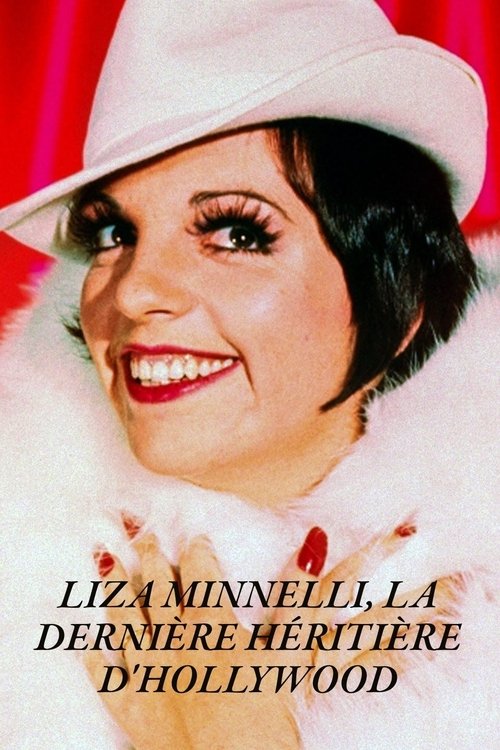
Singer, dancer, and actress, Liza, daughter of Vincente Minnelli and Judy Garland, with whom she had a close relationship, made a name for herself on Broadway and in Hollywood with her unique voice and flamboyant style. A sensitive portrait of the unforgettable Sally Bowles from Cabaret.
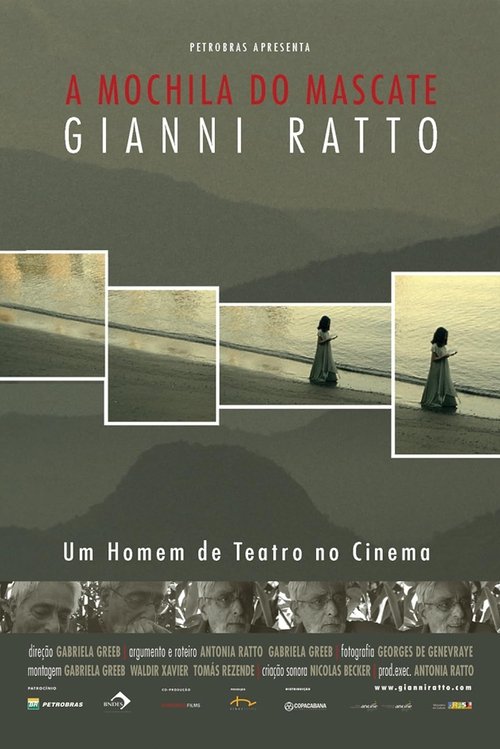
From Italian set designer to Brazilian stage director, Gianni Ratto, born in Italy in 1916 and based in Brazil since 1954, retraces the geographical path of his life, accompanied by his daughter, passing through Genoa, Milan, Florence, São Paulo, and Rio de Janeiro, visiting places and people who marked his journey. At each encounter, Gianni speaks of his work and reveals the ideas of someone who not only executes but also thinks about theater from a humanist perspective.
In 2017 Tyneside Cinema turned 80.
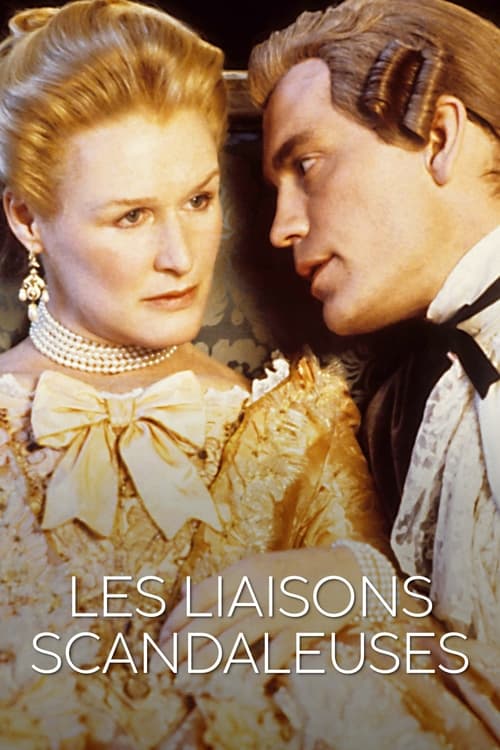
Well known for its exploration of seduction and revenge, the “Dangerous Liaisons” by Choderlos de Laclos caused a scandal from its first publication in 1782. Despite – or because of the scandal – the book was a top-seller. Since then, it stood the test of time. Combining eras, continents and people, the novel is adapted around the world. Marvelous tool for reflection on the female condition, social satire announcing the Revolution, remarkable work on the conflicting nature of love but also of the gender war, consecration of the power of the words, a libertine manual… “Dangerous Liaisons” is all of these at once.
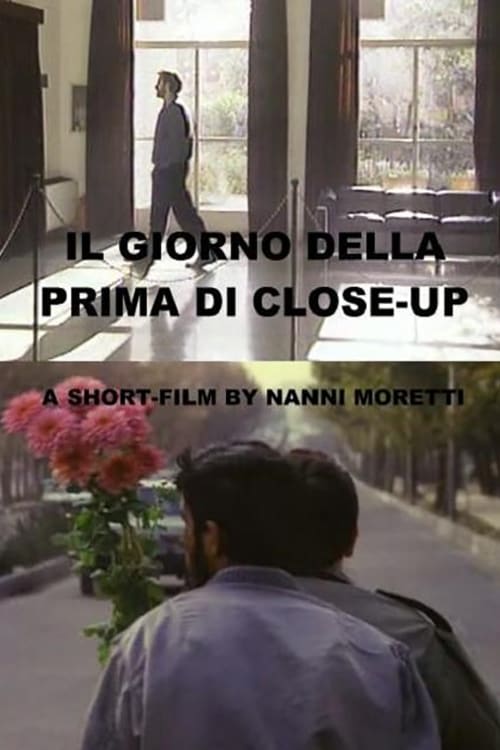
At his cinema in Rome, the Nuovo Sacher, Nanni Moretti anxiously oversees preparations for the premiere of the film Close-up, by Iranian director Abbas Kiarostami. Meanwhile Disney's The Lion King is taking Italy by storm.
In his second international bestseller, "Arc de Triomphe," author Erich Maria Remarque explores his own experience of exile and his decisive encounter with Marlene Dietrich. From Paris and Antibes to Los Angeles and New York, the documentary traces the moving genesis of this highly autobiographical novel, now considered a major work of European exile literature, and the literary legacy of the long-standing passion between two global stars.
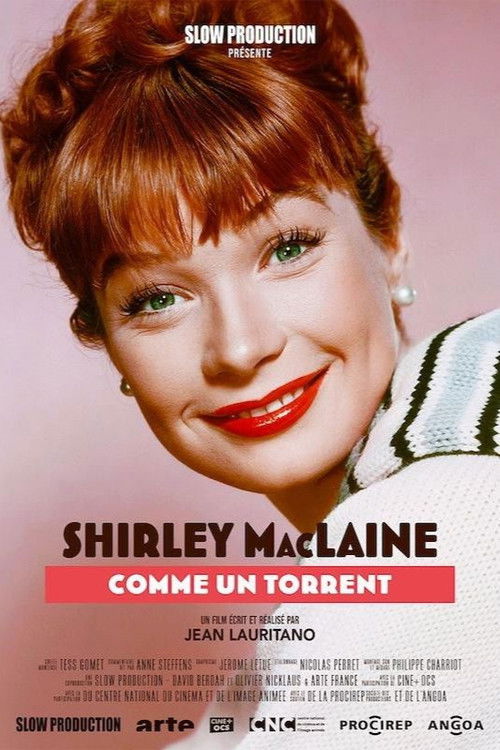
With her short red hair, expressive face, vitality, and playful acting style, Shirley MacLaine stands out in the Hollywood pantheon. Driven by a volcanic personality and iron discipline inherited from classical dance, she has constantly reinvented herself, from the girl next door to the eccentric old lady she plays on screen today, proving at 91 that there is a place for actresses of all ages. A refreshing portrait featuring film clips and archival footage, particularly those in which this talk show regular exercises her sharp wit.
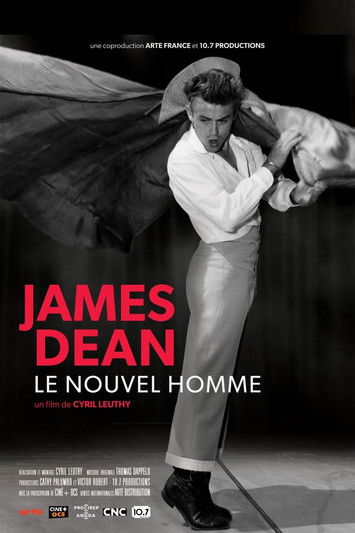
The antithesis of the virile heroes of his era, James Dean shook up the representation of adolescence and masculinity in three films shot in 1955, the same year he died in a car accident at the age of 24—exactly seventy years ago: Rebel Without a Cause, East of Eden, and Giant. This meteoric rise made him an instant icon, frozen in eternal, rebellious youth, which still resonates strongly today.
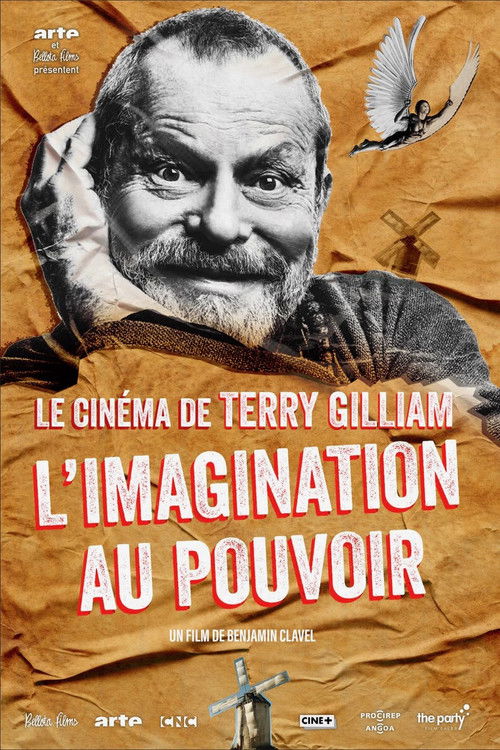
Bandits, Bandits, Brazil, Munchausen, Twelve Monkeys, not to mention the crazy Monty Python saga... With their visual extravagance and ever-fresh originality, amplifying his vision of a humanity that is as disturbing as it is comical, his films have made history. In the same baroque, zany, but also tragic vein, Terry Gilliam's work and life merge into an adventure that borders on the epic.
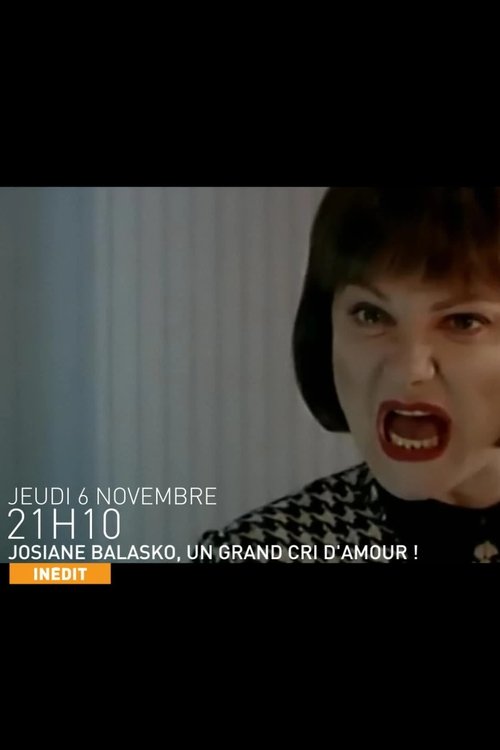
This documentary looks back on a career of a woman who, very early on, refused to accept the roles assigned to her. In the 1980s, while others were trying to please, she wrote "Les hommes préfèrent les grosses" (Men Prefer Fat Women), a manifesto ahead of its time, funny, feminist, and blunt. Later, with "Gazon maudit" (Damned Grass), she tackled homosexuality with a freedom that is still shocking today.
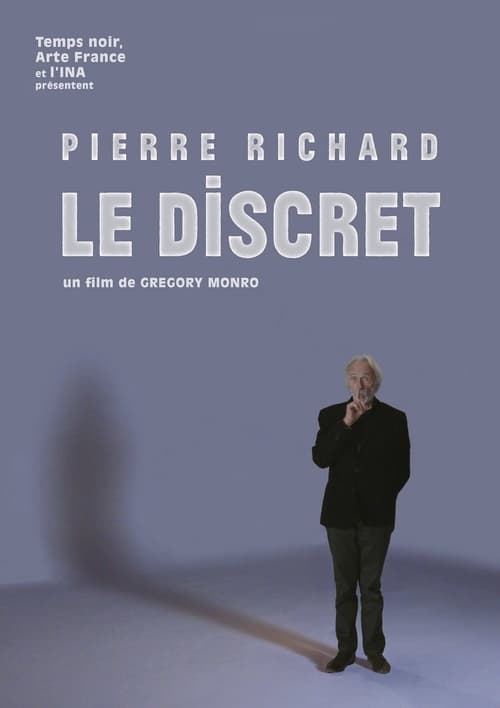
A documentary directed by Gregory Monro.
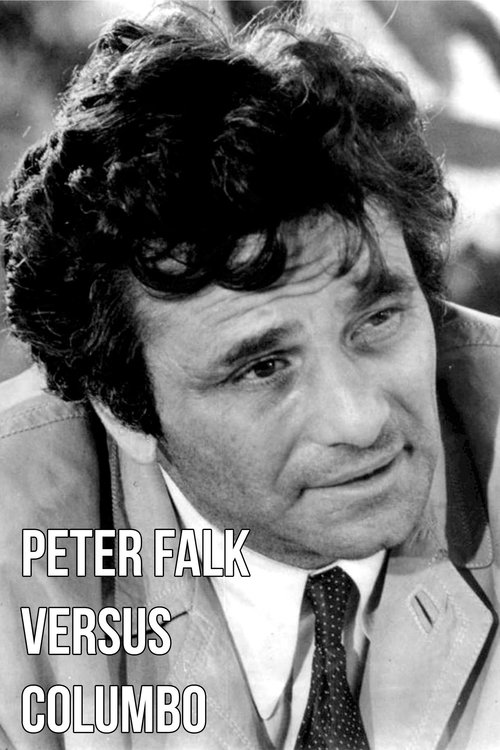
For millions of viewers, Peter Falk is Columbo. Despite playing the quintessential blue-collar TV detective of the '70s and '80s, his early career is rarely explored. Using archive footage, interviews and extracts from his films and the TV show, the documentary pays tribute to the immortal character of Columbo, while shedding light on the actor’s life, one full of twists and turns, ups and downs.
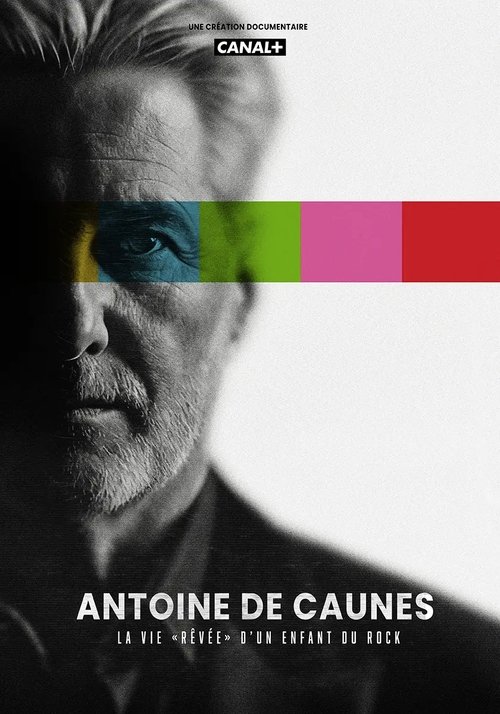
Documentary on Antoine de Caunes, a French television presenter, comedian, actor, journalist, writer and film director.
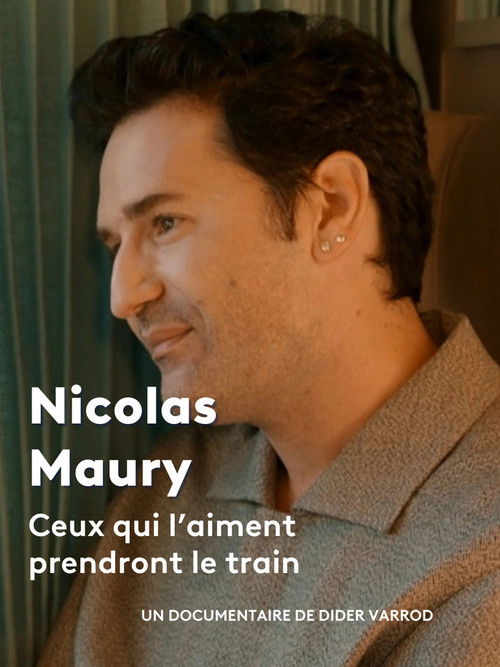
Between the nostalgia of resurfacing roots and the desire to venture into song to experience a rebirth, Nicolas Maury reveals himself unguarded before Didier Varrod, with a deeply moving sincerity. Nicolas Maury released his first album, La porcelaine de Limoges, in January 2023—a new experience for this unique, demanding, and multifaceted actor. It is an opportunity to paint an intimate portrait of him through an extended interview on a train between Paris and Limoges. In this specific setting, which was also that of his first (silent) film role with Patrice Chéreau in Those Who Love Me Can Take the Train, Nicolas discovers archives and hears from close acquaintances who speak about him. A documentary film, like a kind of initiation rite, it moves back and forth between memories of France and childhood, and his condition as a man and artist today, taking on a new identity through music.
A exploration of a local independent theater in Calgary, Alberta. Globe Cinemas
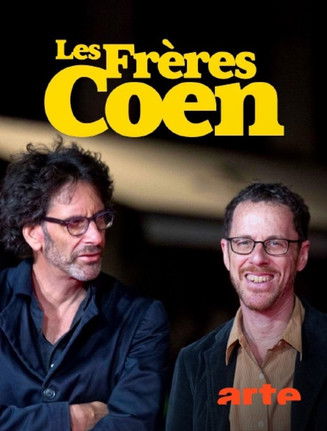
Tracing the careers of these two cinema enthusiasts, this documentary reveals the secrets behind the work of Ethan and Joel Coen, screenwriters and directors who are interchangeable within the same two-headed entity. It features fascinating, previously unseen interviews with some of the most iconic actors from their filmography.
No Trailers found.