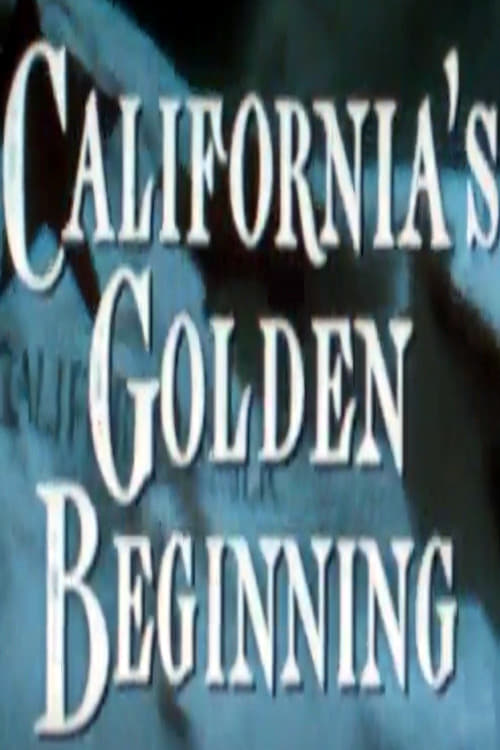
A description and enactment of the discovery of gold by James Marshall, and the role played by John Sutter. Preserved by the Academy Film Archive.
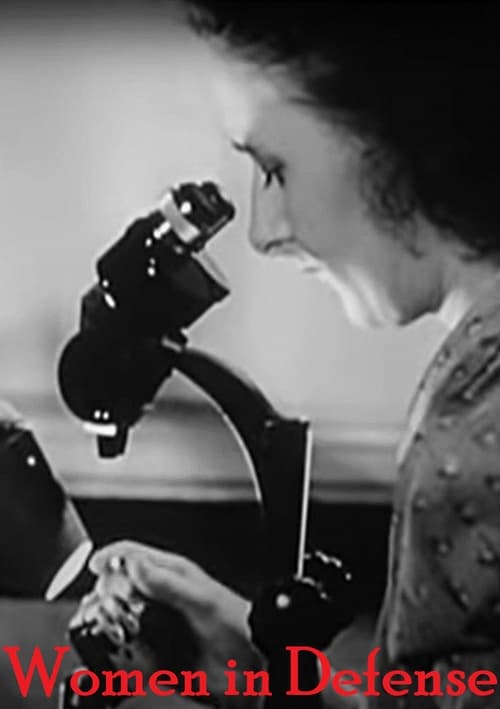
Short documentary extolling the virtues and necessity for women to participate in America's preparation for war, showing women working in scientific, industrial, and voluntary-services activities. Preserved by the Academy Film Archive in 2008.
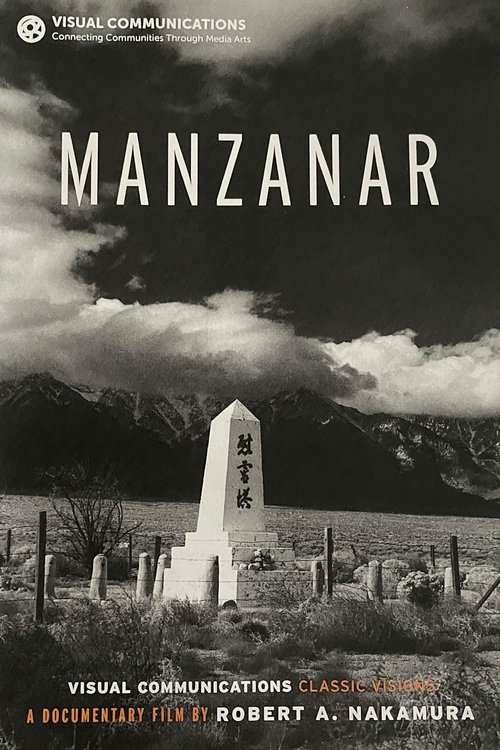
Short film about the Manzanar Japanese American internment camp. Preserved by the Academy Film Archive in 2011.
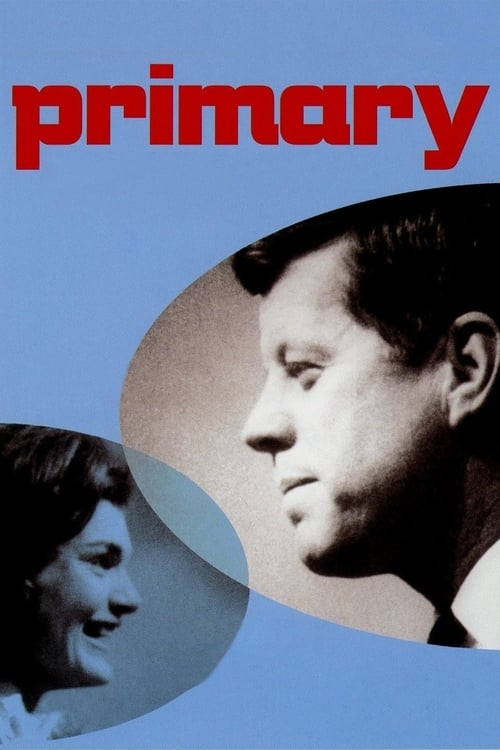
Primary is a documentary film about the primary elections between John F. Kennedy and Hubert Humphrey in 1960. Primary is the first documentary to use light equipment in order to follow their subjects in a more intimate filmmaking style. This unconventional way of filming created a new look for documentary films where the camera’s lens was right in the middle of what ever drama was occurring. Preserved by the Academy Film Archive in partnership with The Film Foundation in 1998.
Unconventional portrayal of mining in the Swedish Lapland ore fields, a powerful image and sound symphony that can be experienced both as a documentary and symbolic work.
No overview available.
Narrated by Queen Latifah, this documentary follows Elsie, a black Labrador mix, and her struggled to raise her puppies on the streets of Los Angeles.
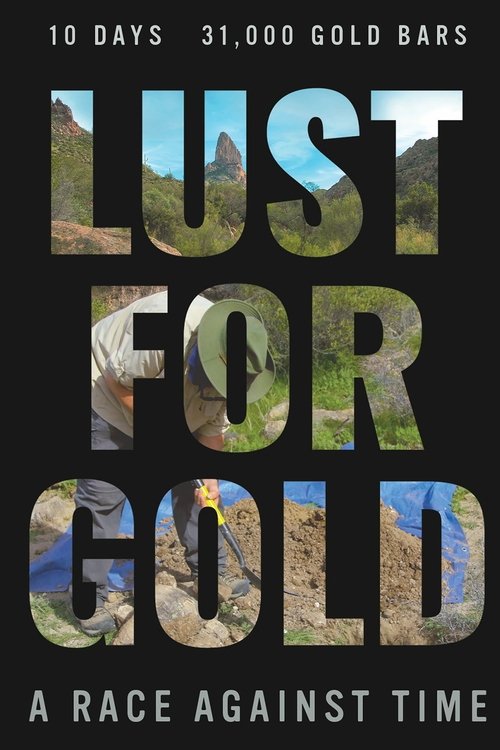
A team of modern adventurers is on a quest for gold in the mountains of eastern Arizona.
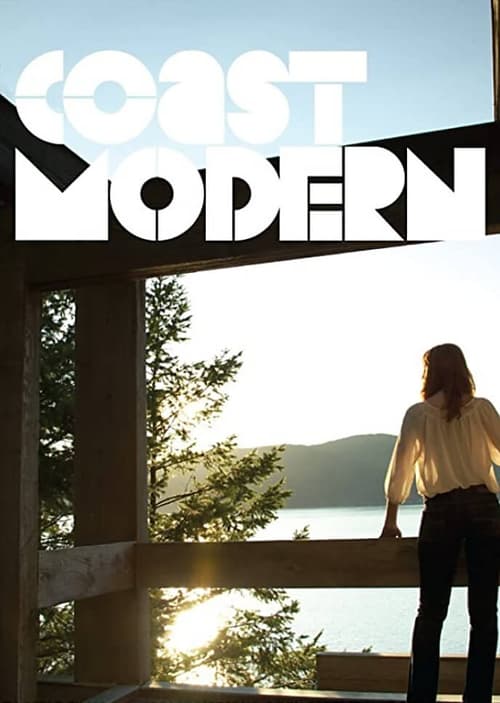
A core group of architects embraced the West Coast from Vancouver to LA with its particular geography and values and left behind a legacy of inspired dwellings. Today, architects celebrate the influence established by their predecessors.
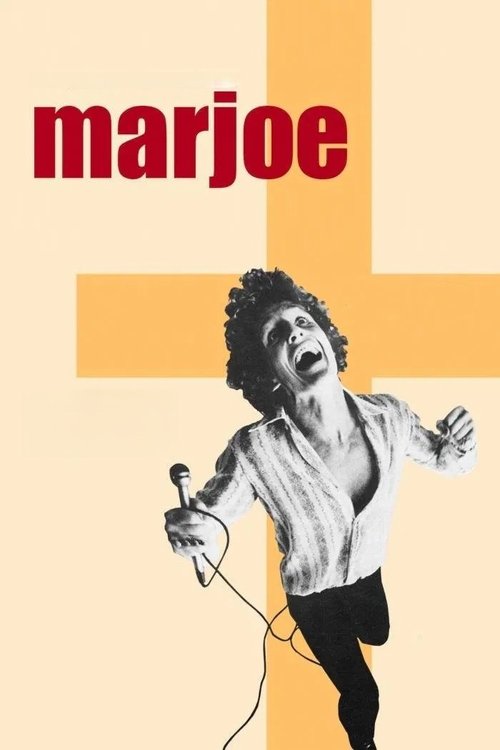
Part documentary, part expose, this film follows one-time child evangelist Marjoe Gortner on the "church tent" Revivalist circuit, commenting on the showmanship of Evangelism and "the religion business", prior to the start of "televangelism". Preserved by the Academy Film Archive in 2005.
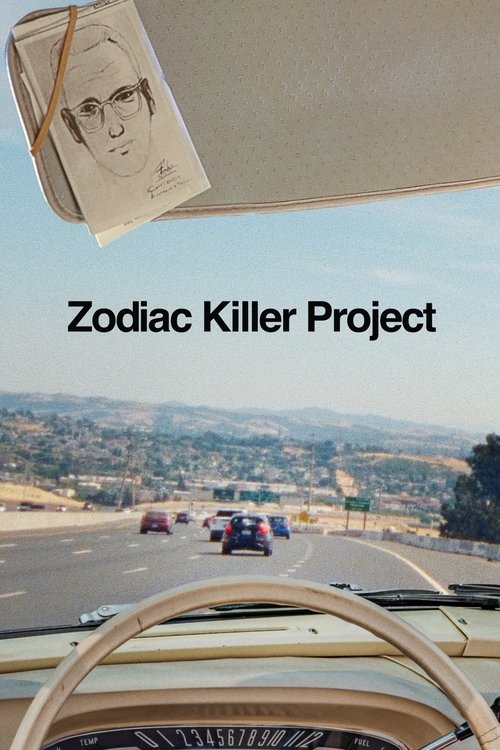
Against the backdrop of deserted spaces, a filmmaker explores his abandoned Zodiac Killer documentary, delving into the true crime genre's inner workings at a saturation point.
Vans Skateboarding is proud to present Lizzie, a short 35mm film directed by renowned filmmaker Greg Hunt. Unveiling a personal, intimate account of Lizzie Armanto beyond her skateboarding accolades and identity as one of the world’s most talented skateboarders, the film is the first to explore Lizzie’s life through the lens of those closest to her, including her mother, husband as well as skate legend Tony Hawk.
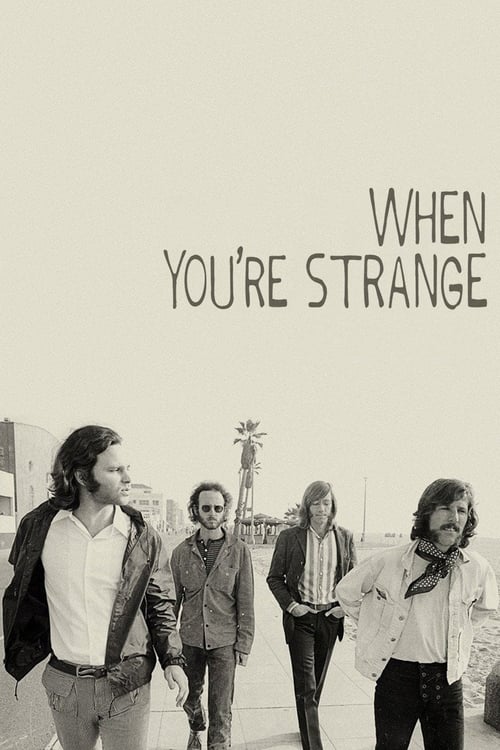
The creative chemistry of four brilliant artists —drummer John Densmore, guitarist Robby Kreiger, keyboardist Ray Manzarek and singer Jim Morrison— made The Doors one of America's most iconic and influential rock bands. Using footage shot between their formation in 1965 and Morrison's death in 1971, it follows the band from the corridors of UCLA's film school, where Manzarek and Morrison met, to the stages of sold-out arenas.
This short focuses on the job of the costume designer in the production of motion pictures. The costume designer must design clothing that is correct for the film historically and geographically, and must be appropriate for the mood of the individual scene. We see famed costume designer Edith Head at work on a production. The Costume Designer was part of The Industry Film Project, a twelve-part series produced by the film studios and the Academy. Each series episode was produced to inform the public on a specific facet of the motion picture industry. Preserved by the Academy Film Archive in 2012.
This 10-minute short documentary exploring the shifting state of the American poultry industry was preserved in 2015 from an original nitrate print. More information is available on the film's page in the National Film Preservation Foundation's website, where this version can be found featuring original music by Michael D. Mortilla.
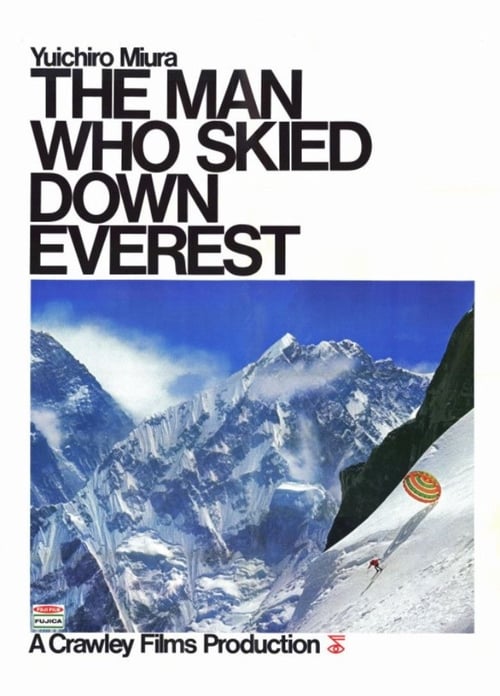
This Oscar-winning documentary tells the story behind Japanese daredevil Yuichiro Miura's 1970 effort to ski down the world's tallest mountain.
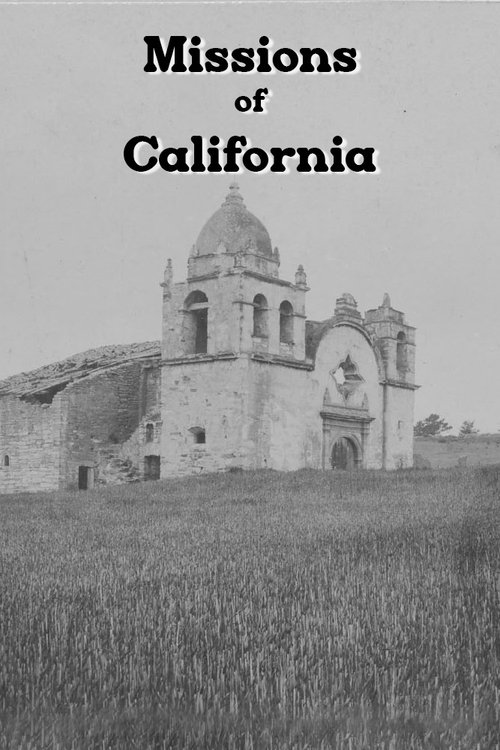
A series of static shots of the buildings of the California Mission system, as they existed in 1907. Because many of the Mission buildings were in poor states of repair in 1907, director Norman Dawn uses glass shots, a technique where paintings are applied to a sheet of glass placed between the camera and the objects being photographed, in order to restore roofs and walls that had been destroyed.
This film documents the coal miners' strike against the Brookside Mine of the Eastover Mining Company in Harlan County, Kentucky in June, 1973. Eastover's refusal to sign a contract (when the miners joined with the United Mine Workers of America) led to the strike, which lasted more than a year and included violent battles between gun-toting company thugs/scabs and the picketing miners and their supportive women-folk. Director Barbara Kopple puts the strike into perspective by giving us some background on the historical plight of the miners and some history of the UMWA. Preserved by the Academy Film Archive in partnership with New York Women in Film & Television in 2004.
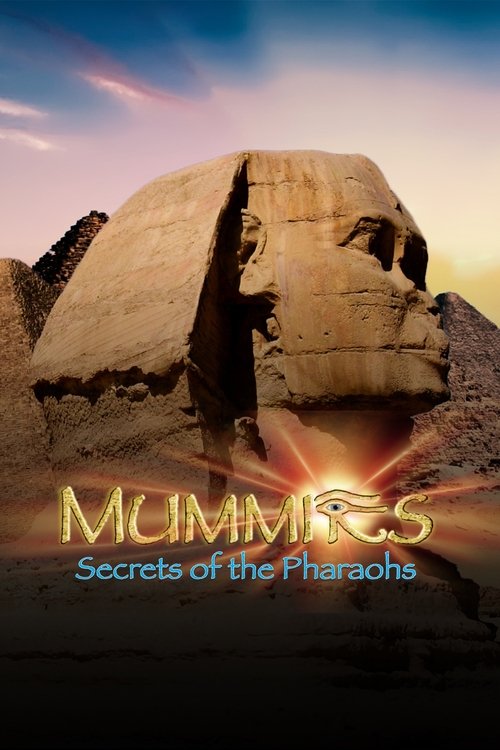
The grail is not the gold, nor the books of ancient wisdom, but the 3,000 year old DNA of the mummies, which may lead to a cure for malaria.
A wordless portrait of sculptor Jessica Jackson Hutchins shows us the artist in the process of transforming clay into uncanny forms.
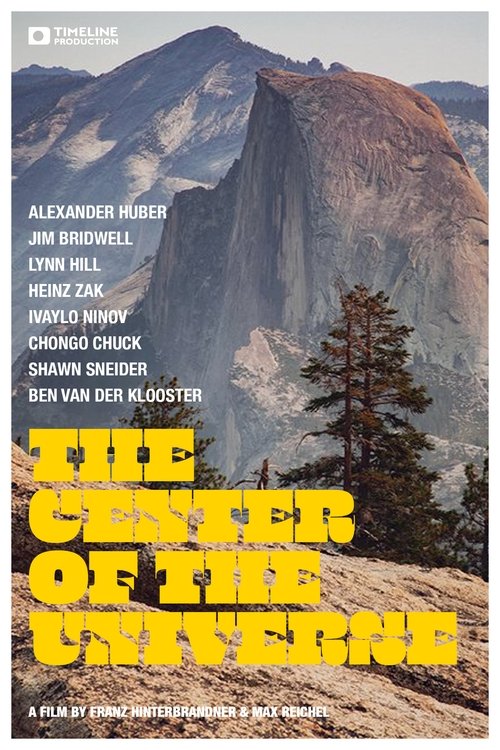
The Center Of The Universe chronicles four days in the life of German climber Alexander Huber in Yosemite Valley, California. Living the typical Yosemite vagabond lifestyle, Alex reflects on his goal of successfully free-climbing "El Corazon" (35 pitches, 8a) on the famous El Capitan face, which is a combination of the historic routes "Salathé," "Albatross," "Son of Heart," and "Heart Route," connected by newly laid out sections. 35 challenging pitches, combining technicality, stamina, and commitment, with difficulty levels up to 8a. The film showcases the unique style of climbing in Yosemite, as well as a piece of history of the famous valley, narrated by Heinz Zak, Jim Bridwell, Lynn Hill, Alexander Huber, and Chongo Chuck themselves.
No Trailers found.