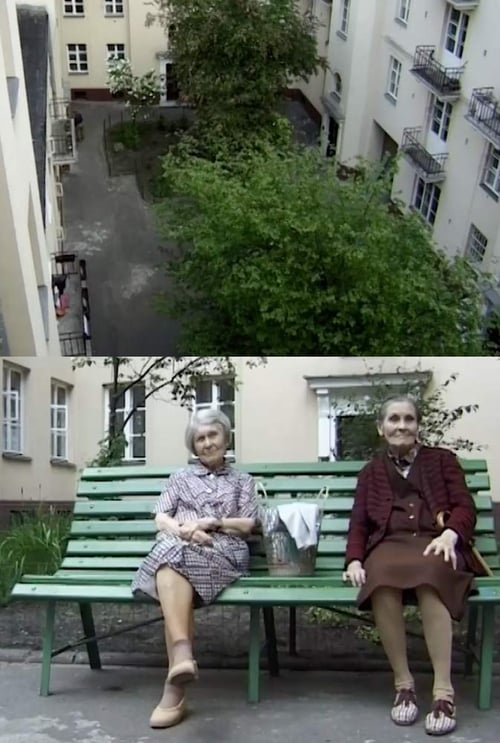
Two old sisters, living in the same Warsaw apartment, sit on a bench and talk. The 87-year-old elder one seems to care for the other reluctantly and treat her badly. The younger, who is said to be clumsier, has walking problems.
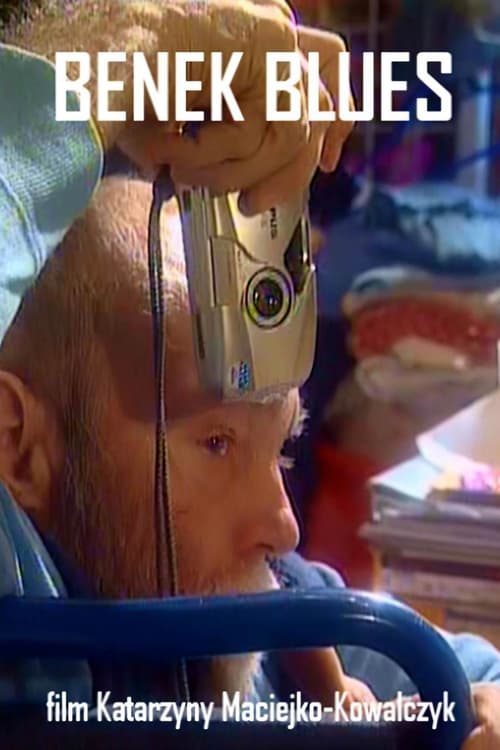
The action is placed in a cramped flat in Warsaw’s district of Ochota. A father and a son, both bedridden, live in a fascinating symbiosis. The son, a well‑known photographer Bernard ben Dobrowolski, is lying in bed because a chronic condition has deformed his body and immobilized him. The father, Dominik, has recently suffered from a stroke. Now they are taking care of each other and crowds of visitors move through their room.
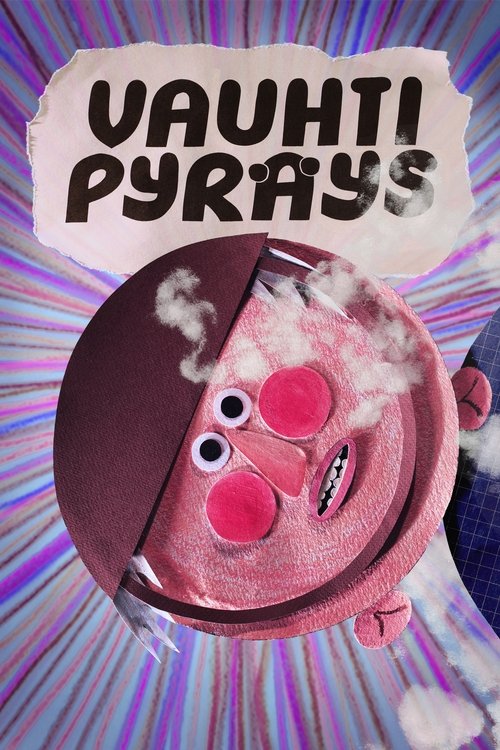
70-year-old Timo makes the most of his short ride to work. Speeding up on a bicycle ends up in a ditch, but the adrenaline rush leaves a feeling of pleasure.
Duarte, a visually impaired fifty-year-old, sets out to look for Leandro, his Cape Verdean friend. Despite the heat of a Lisbon summer, Duarte wanders through the streets of his neighborhood, but no one seems to have seen or to have even known Leandro. Duarte's investigation will lead him deep into the night, and will ultimately reveal his secret.
A multimedia short created for the U.S. millennium celebrations, The Unfinished Journey reflects on America’s history and spirit through six chapters—immigration, war, culture, civil rights, and innovation. Commissioned by President Bill Clinton and premiered at the Lincoln Memorial on New Year’s Eve 1999, the film features an original orchestral score by John Williams titled American Journey.
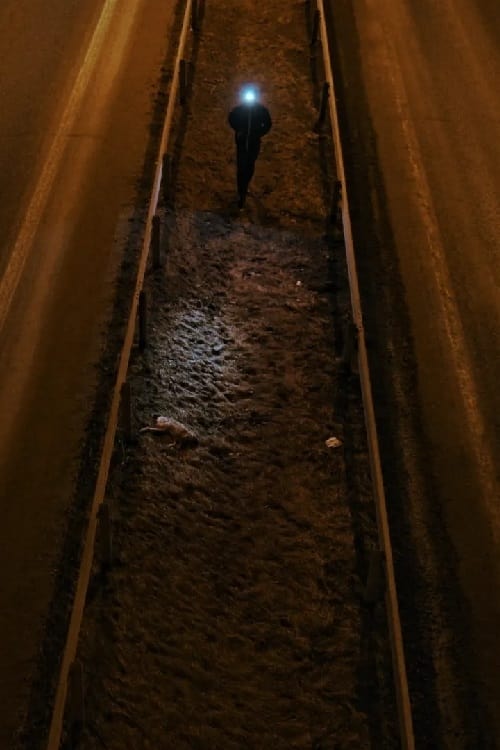
After the sunset, a man wonders between the edges of the highways gathering edible roadkill animals.
Documentary film interviews leading African Americans on race, identity, and achievement.
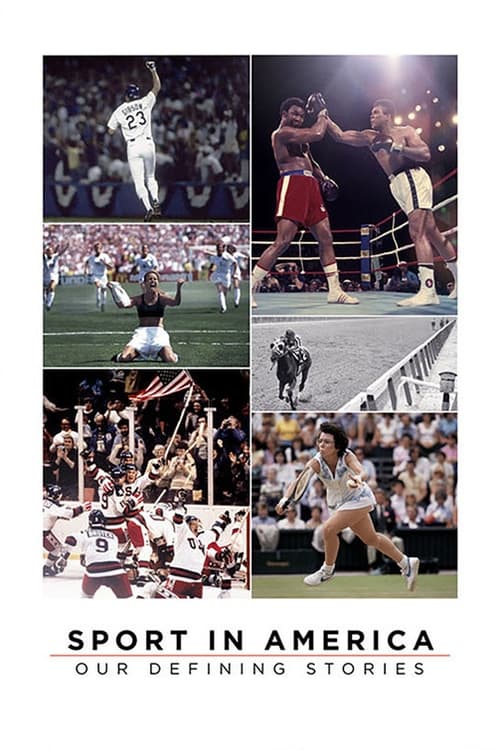
Athletes and fans explore the impact of sports on the lives of Americans.
The nuns of the Anglican Benedictine Community at St. Mary's Abbey, West Malling, reflect on their calling and the joys and challenges of their way of life. In this short documentary, directed by Jamie Hughes, the nuns' voices are complemented by images from the life of the Abbey.
New York based artist, Cindy Sherman, is famous for her photographs of women in which she is not only the photographer, but also the subject. She has contributed her own footage to the programme by recording her studio and herself at work with her Hi-8 video camera. It reveals a range of unexpected sources from visceral horror to medical catalogues and exploitation movies, and explores her real interests and enthusiasms. She shows an intuitive and often humorous approach to her work, and reflects on the themes of her work since the late 1970s. She talks about her pivotal series known as the `Sex Pictures' in which she addresses the theme of sexuality in the light of AIDS and the arts censorship debate in the United States.
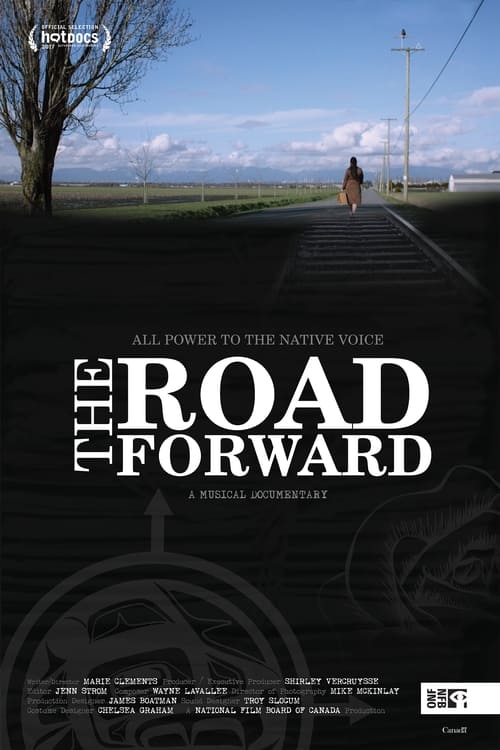
The Road Forward is an electrifying musical documentary that connects a pivotal moment in Canada’s civil rights history—the beginnings of Indian Nationalism in the 1930s—with the powerful momentum of First Nations activism today. Interviews and musical sequences describe how a tiny movement, the Native Brotherhood and Sisterhood, grew to become a successful voice for change across the country. Visually stunning, The Road Forward seamlessly connects past and present through superbly produced story-songs with soaring vocals, blues, rock, and traditional beats.
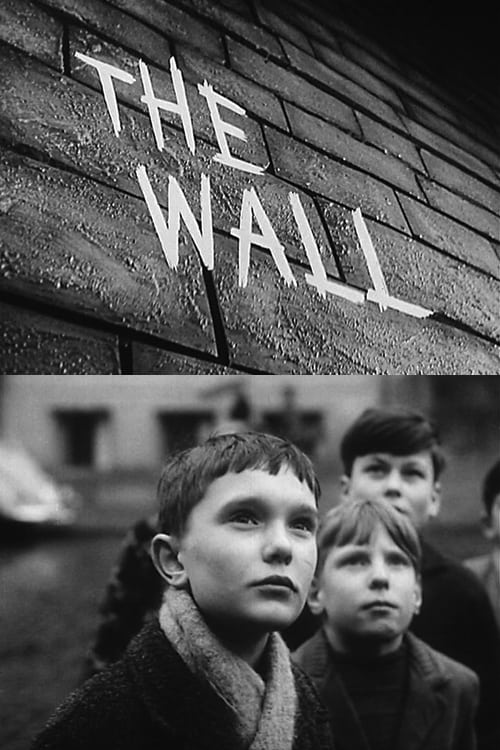
Like the best USIA films, The Wall distills political events into an emotionally clear and compelling ideological "story". In 1962 Walter de Hoog gathered footage from U.S. and German newsreel sources and crafted this taut short film about the first year of the Berlin Wall. Straightforward, keenly balanced narration portrays Berliners as "accepting the wall but never resigned to it". The extraordinary footage of the first escapes was propaganda enough-- His challenge was to make the politics human.
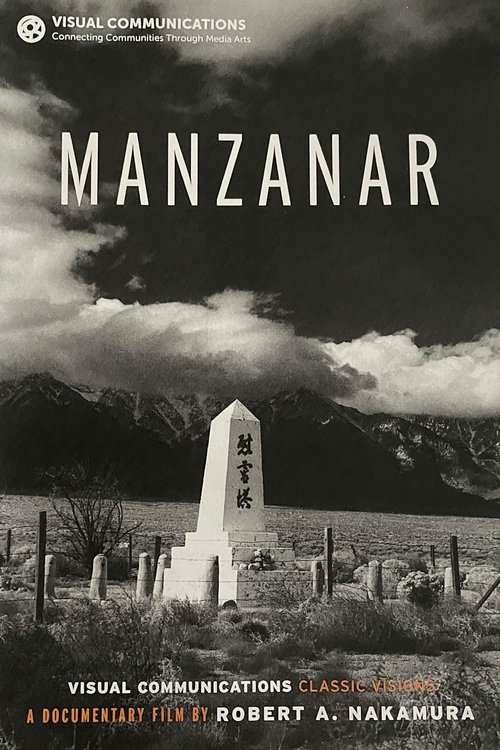
Short film about the Manzanar Japanese American internment camp. Preserved by the Academy Film Archive in 2011.
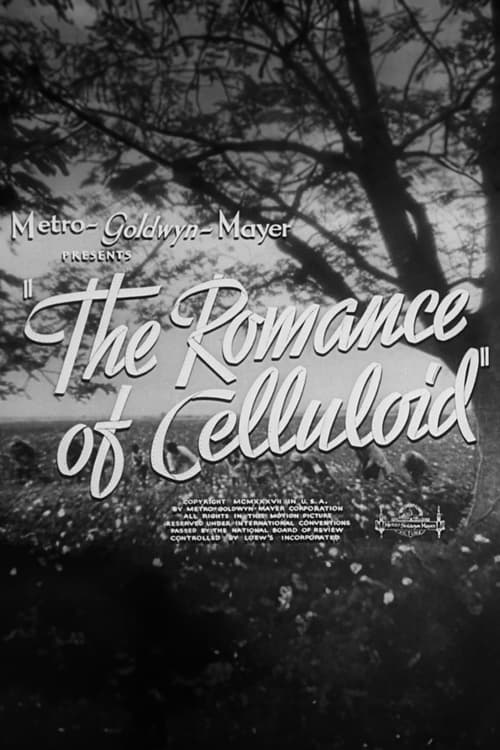
Several behind the scenes aspects of the movie-making business, which results in the enjoyment the movie going public has in going to the theater, are presented. They include: the production of celluloid aka film stock, the materials used in the production of which include cotton and silver; construction crews who build sets including those to look like cities, towns and villages around the world; a visit with Jack Dawn who demonstrates the process of creating a makeup design; the screen testing process, where many an acting hopeful gets his/her start; the work of the candid camera man, the prying eyes behind the movie camera; a visit with Adrian, who designs the clothes worn by many of the stars on screen; and a visit with Herbert Stothart as he conducts his musical score for Conquest (1937). These behind the scenes looks provide the opportunity to get acquainted with the cavalcade of MGM stars and their productions that will grace the silver screen in the 1937/38 movie season.
In a comparative study between different forms of calligraphy, the film traces parallels between modern Japanese painting and traditional Japanese writing.
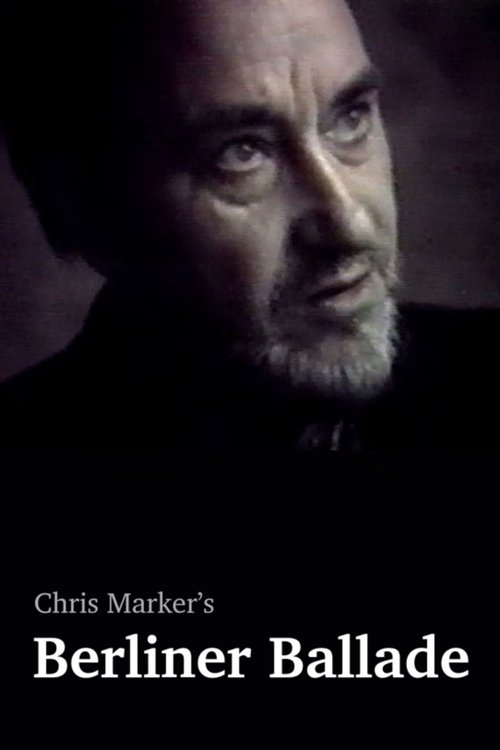
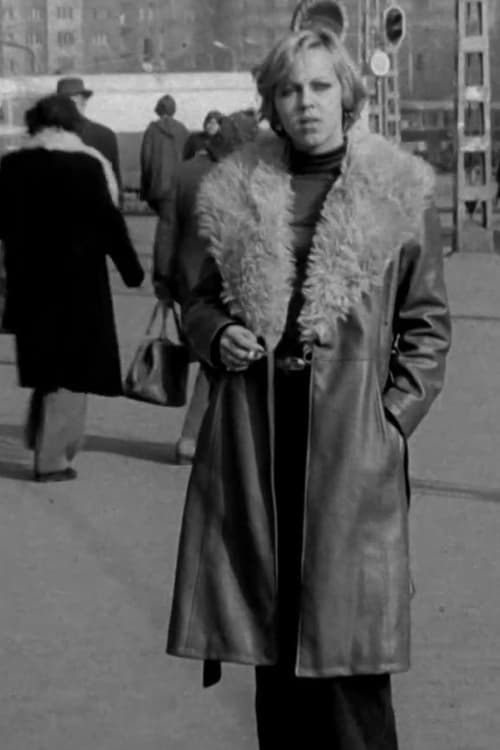
Some months after the fall of the Berlin wall, during the time of federal elections in Germany in 1990, Chris Marker shot this passionate documentary, reflecting the state of the place and its spirit with remarkable acuity.
According to Peter Brook, all that is needed for an act of theatre to be engaged is for a man to walk across an empty space whilst someone else is watching him. Thus, an empty space becomes a bare stage. However, this raises countless questions about the relationship between reality, everyday presence and role-playing, something experimental filmmakers coming from the 1970s world of theatre dealt with in detail. Tibor Hajas explored the topic in a short experimental film made at BBS.
No overview available.
The lion dance in traditional Japanese theatre.
The July 2, 2019 solar eclipse, filmed in 100% totality, over the Chilean coast, in 16mm black and white. Condor is the national bird of Chile.
No Trailers found.
No Cast found.