No Trailers found.
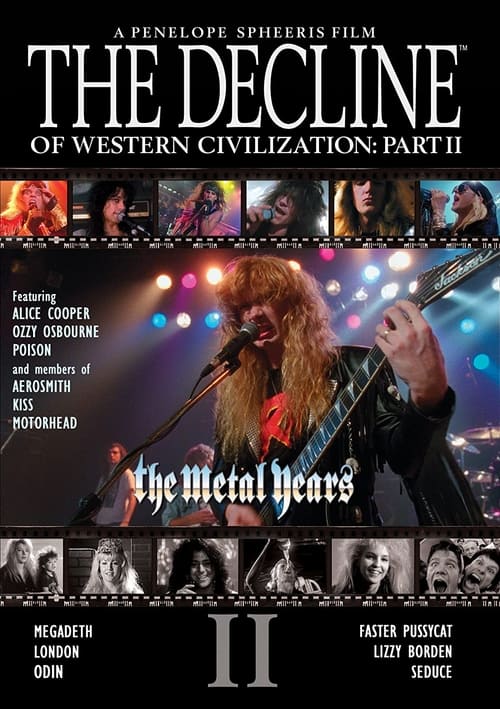
An exploration of the heavy metal scene in Los Angeles, with particular emphasis on glam metal. It features concert footage and interviews of legendary heavy metal and hard rock bands and artists such as Aerosmith, Alice Cooper, Kiss, Megadeth, Motörhead, Ozzy Osbourne and W.A.S.P..
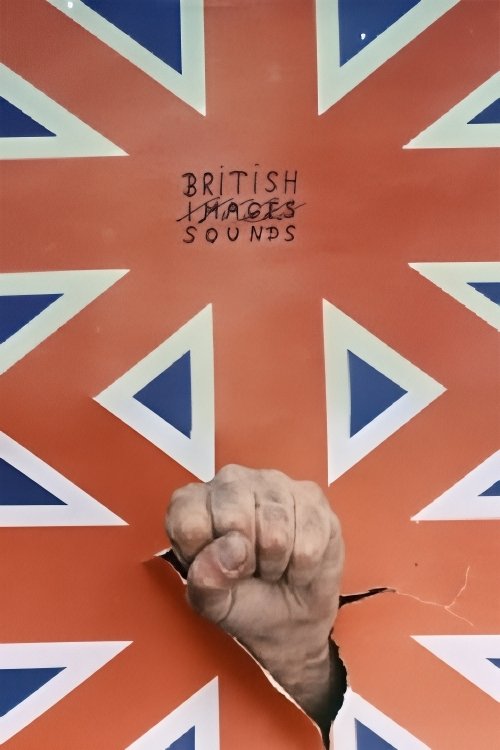
Jean-Luc Godard brings his firebrand political cinema to the UK, exploring the revolutionary signals in late '60s British society. Constructed as a montage of various disconnected political acts (in line with Godard's then appropriation of Soviet director Dziga Vertov's agitprop techniques), it combines a diverse range of footage, from students discussing The Beatles to the production line at the MG factory in Oxfordshire, burnished with onscreen political sloganeering.
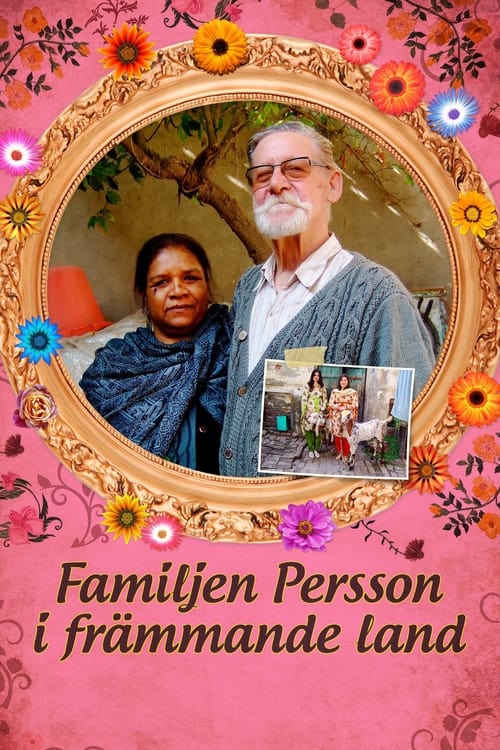
Per Persson left Sweden 40 years ago. In Pakistan he fell in love and became the father of two daughters. Trouble starts when the girls grow up and the family decides to emigrate to Sweden. When they end up living in a caravan outside Hässleholm, all their expectations are dashed.
Dance film made in Arica with the Tobas Internacional Gigantes Alados group.
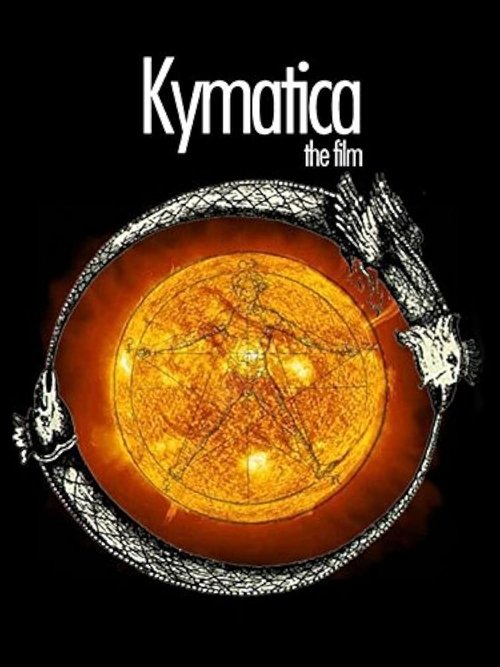
Ben Stewart, the bright young musician and philosopher who brought us the sleeper hit "Esoteric Agenda", unveils his new work, Kymatica!. Kymatica will venture into the realm of Cymatics and Shamanic practices. It will offer insight into the human psyche and discuss matters of spirituality, altered states of consciousness and much more! Not to be missed!
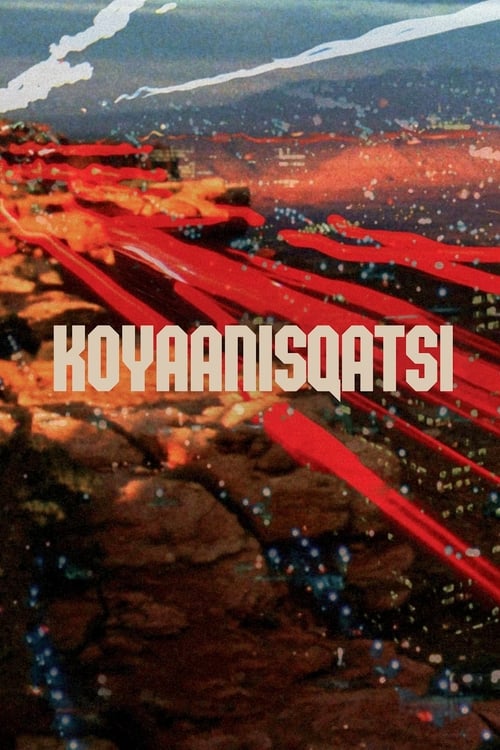
Takes us to locations all around the US and shows us the heavy toll that modern technology is having on humans and the earth. The visual tone poem contains neither dialogue nor a vocalized narration: its tone is set by the juxtaposition of images and the exceptional music by Philip Glass.
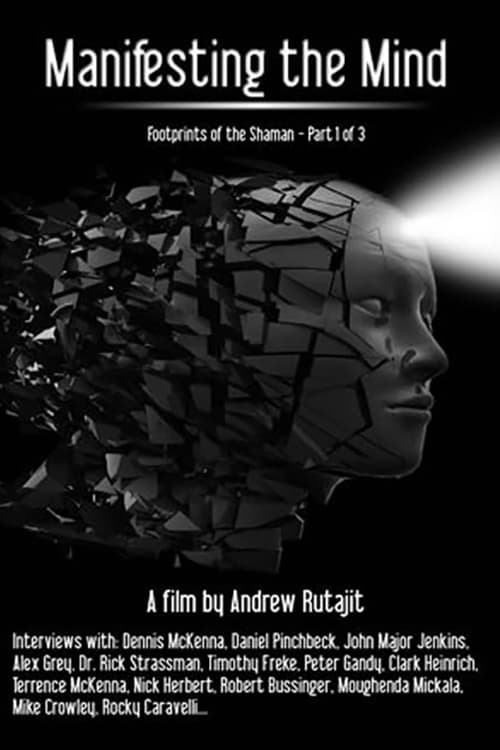
In these interviews, Dennis McKenna, Alex Grey, Rick Strassman, and other champions of psychedelics share their views on the value of psychedelic medicine, and its neglect in Western society.
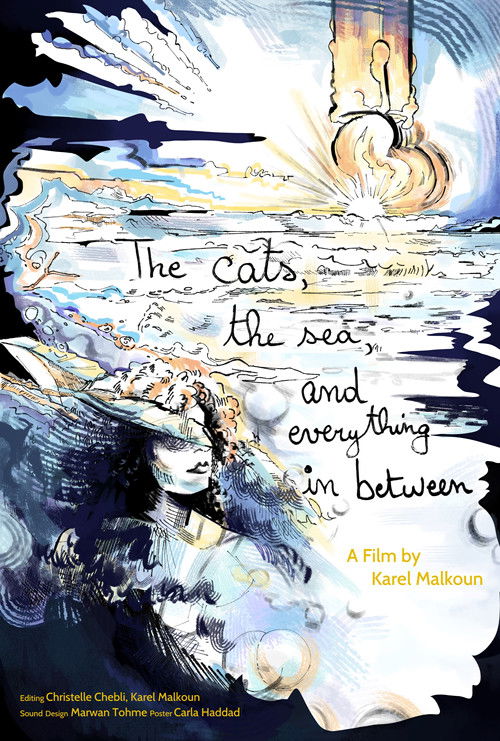
In 2022, when the economic crisis in her native country was at its peak, she decided to visit her family there. She turned her short trip into a collage-like diary in which she reflects on her relationship with her homeland, which is in a state of protracted decay. The film is composed of spontaneous snapshots capturing the author's stay, interspersed with inserted captions serving as personal, often poetically formulated comments and observations. As a result, the film does not hide its strongly subjective perspective, but at the same time builds on it to make an important statement that shows the transformation of Lebanese society in everyday details such as the appearance of the city itself or in the intimate sphere of the author's family life.
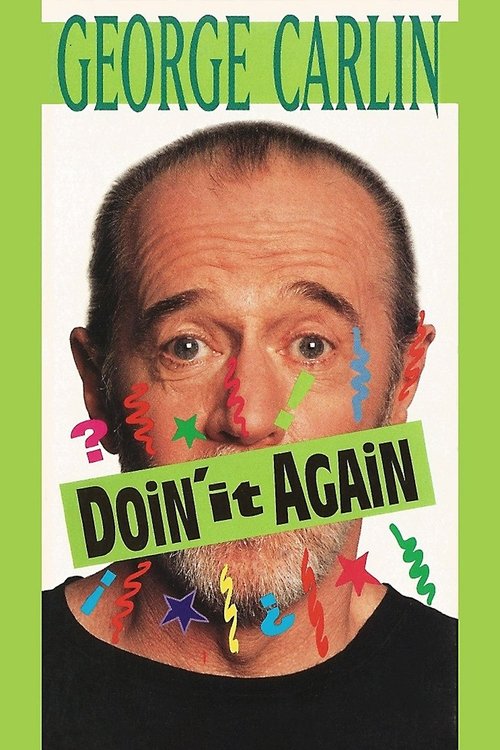
George Carlin brings his comedy back to New Jersey and this time talks about Offensive Language, Euphemisms, They're Only Words, Dogs, Things you never hear, see or wanna hear, Some people are stupid, Cancer, Feminists, Good Ideas, Rape, Life's moments, and organ donors.
No overview available.
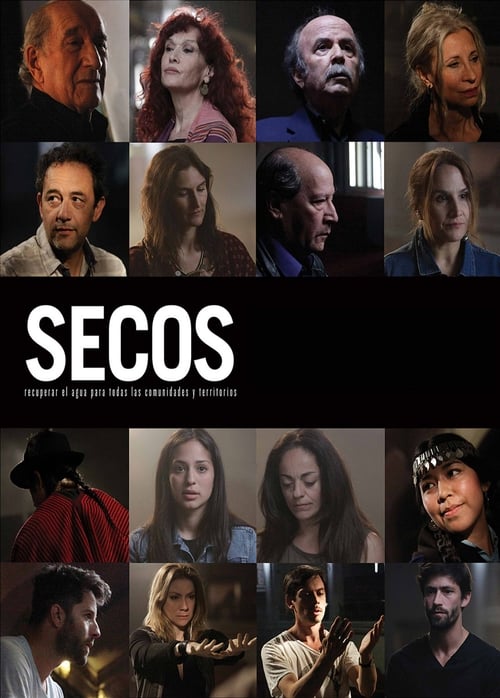
Chile is the only country that has privatized its waters, in favor of large corporations, to the detriment of homes in rural and urban communities. Secos is a short that makes this reality visible, through the dialog between anonymous fighters from the most heavily affected provinces, with renowned actors and actresses in the country. The objective is to activate the topic of water as a human right, to achieve in the future the recovery of this vital element as a common good for all communities and territories.
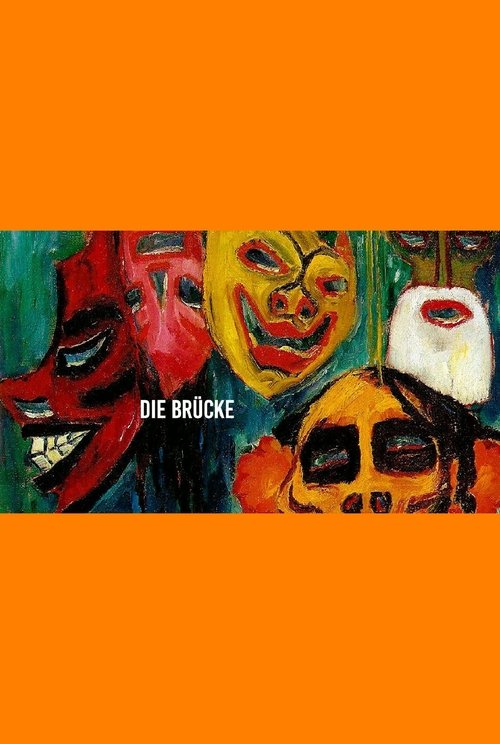
This movement marks the beginning of modern art in Germany. It is the German equivalent of French Fauvism, from which it draws its main inspiration, but it carries an Expressionist and social emphasis that is characteristic of Nordic 'angst.' The artists of Die Brucke were restless creatures, over-sensitive, haunted by religious, sexual, political or moral obsessions. Dramatic landscapes and nudes, mystical and visionary compositions, scenes of the countryside, the streets, the circus, the cafe-dansants and the demi-monde were their principal subjects. Their pure colours blaze in acid stridency, encompassed by rough, dry contours which show the influence of African art and primitive woodcuts. The work of the following is shown: Kirchner, Fritz Bleyl, Erich Heckel, Schmidt-Rottluff, Otto Muller, Emil Nolde and Max Pechstein.
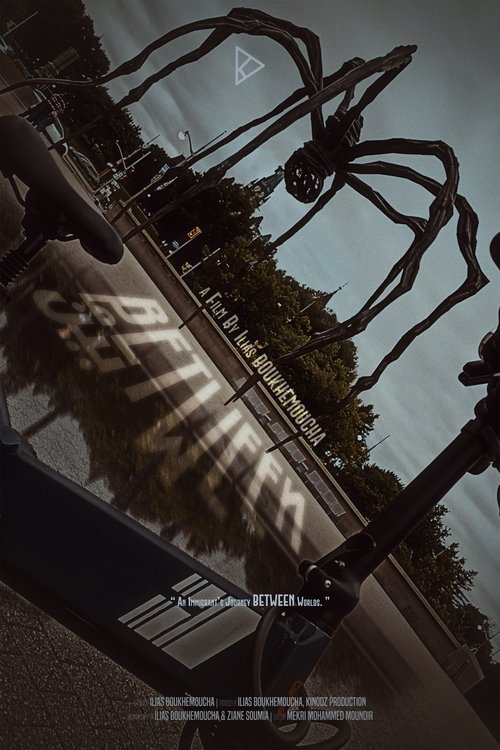
Initially embarking on an unplanned personal filmmaking project, Ilias Boukhemoucha finds himself drawn to the overlooked corners and marginalized communities within Canadian cities.
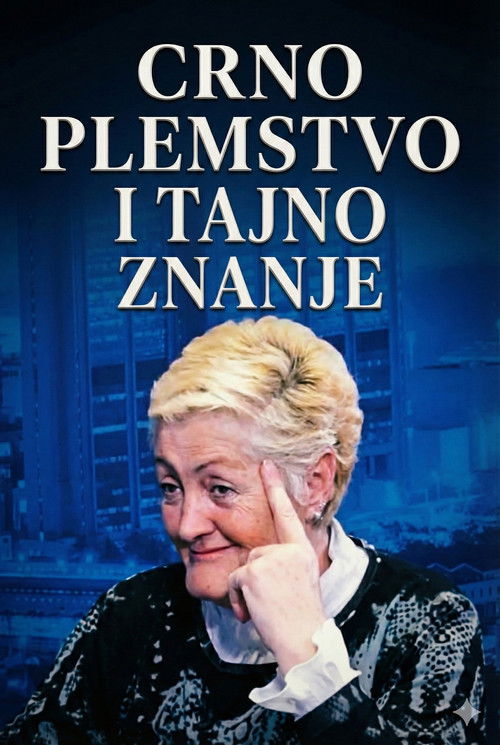
An interview with Jovanka Jolić discussing her views on global elites, hidden power structures, and the concept of secret knowledge preserved by select families.
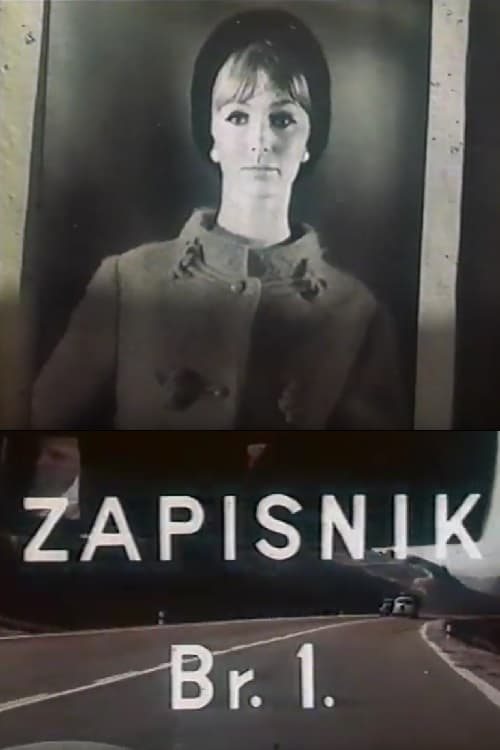
Another early Aleksandar Petrovic documentary, done for Dunav film in 1964. It is made as a kind of a road movie through socialist Yugoslavia, registering numerous bizarre sites and events, with strong irony both in the selection of scenes and in the background commentaries. Originally filmed in 16mm.
Winner of the New York LOVES Film Award at the Tribeca Film Festival in 2008. Filmed over the course of nine years, Zoned In traces the remarkable real-life journey of 16-year-old Daniel from a Bronx high school to an Ivy League university while simultaneously exploring the role of race and class in the American education system. Narrated by Daniel himself, the movie celebrates the accomplishments of this extraordinary young man but does not shy away from depicting his struggles to fit in amongst the privileged students at his college and his candid questioning of a system that has allowed him to excel but has left so many of his friends and family members behind.
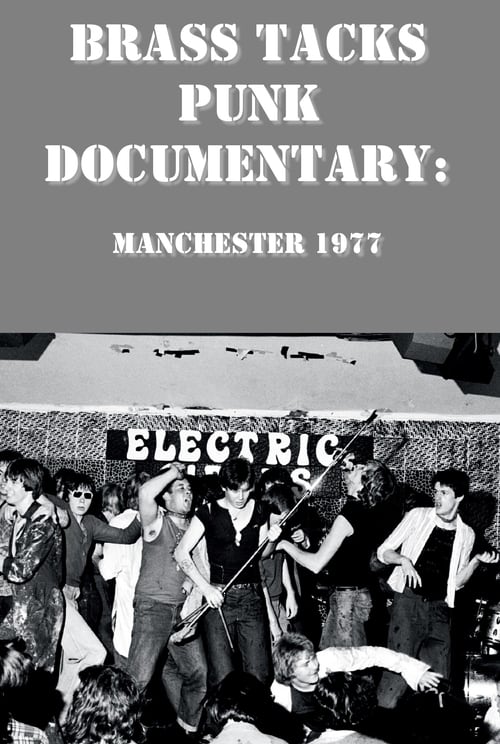
Brass Tacks was a current affairs programme shown on BBC2 between 1977 and 1988. On this episode called Punk Rock, broadcast on 3rd August 1977, it focuses on the Manchester Punk scene, bands and its iconic club, The Electric Circus.
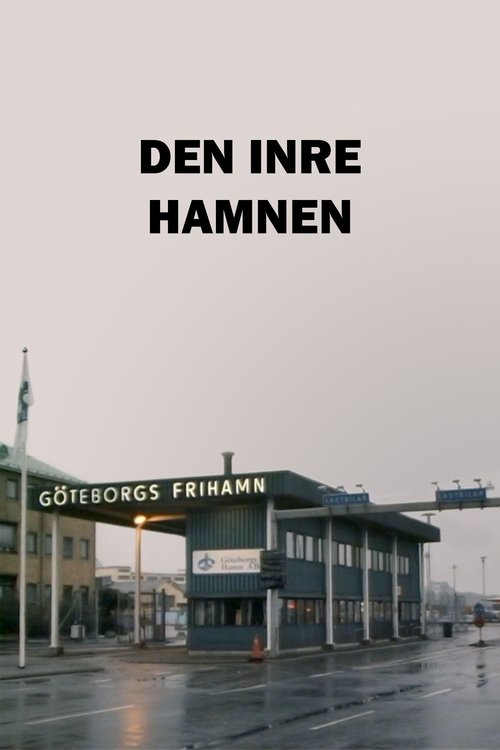
A documentary about the dockworkers in Gothenburg, and the future of the shipping industry in the city.
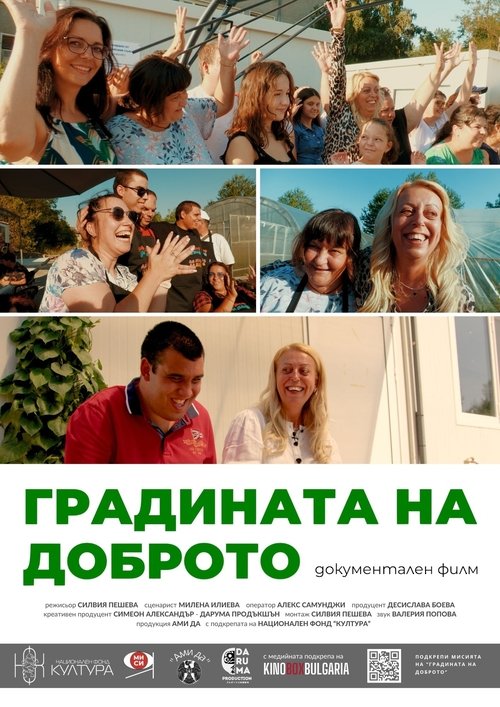
The moving story of Milena Boeva, a passionate woman who finds a one-of-a-kind sanctuary where young people with disabilities can thrive through creativity, community, and meaningful work. As the garden blossoms into a place of hope and transformation, Milena faces growing challenges that threaten its very existence. Will her dream endure, or will the pressures of reality uproot the seeds of change she’s planted?
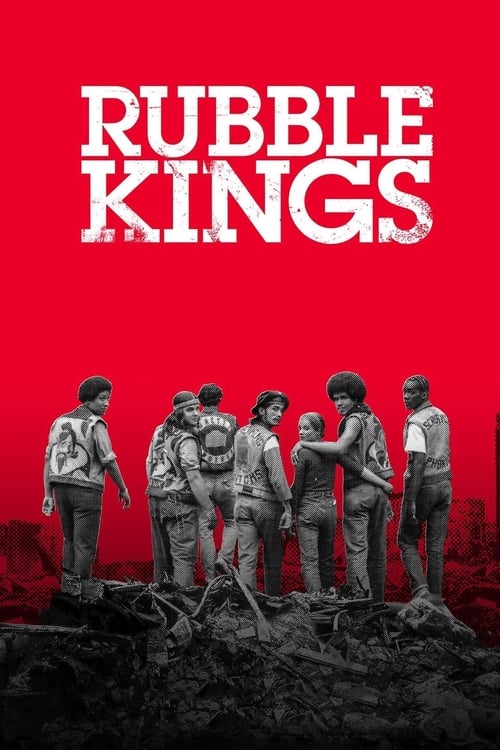
Through archival footage Nicholson tells the story of the real Warriors that walked the streets of New York City in the 1970s and the harsh reality of gang life in a city that seemed to be falling apart.