12 billion miles and counting...
The captivating tales of the people and events behind one of humanity's greatest achievements in exploration: NASA's Voyager mission.
Self (archive footage)
Self
Trailer
At the heart of the Apollo program was the special team in Mission Control who put a man on the moon and helped create the future.
When NFL superstar Barry Sanders vanished at the height of his career, he left the NFL world in shock. He was still in his prime, chasing the all-time NFL rushing record when he boarded a flight to England and never stepped foot on the field again. Now, 24 years later, Barry retraces his steps through the streets of London to finally confront the mystery.
On the night of July 19, 1977, Inés was traveling by bus when a military patrol detained all the passengers. That morning, almost everyone was released except Inés. Her father began a never-ending search that led him to the very center of Argentina's repressive apparatus. The judicial path and the love of a family that never stops.
A mind-bending, thrilling journey exploring the fragility and wonder of planet Earth, one of the most peculiar, unique places in the entire universe, brought to life by the only people to have left it behind – the world’s most well known and leading astronauts. This edit combined episodes one and ten to create a new movie.
What advantage does space travel bring to mankind? A father and his son search for answers during a walk in the forest.
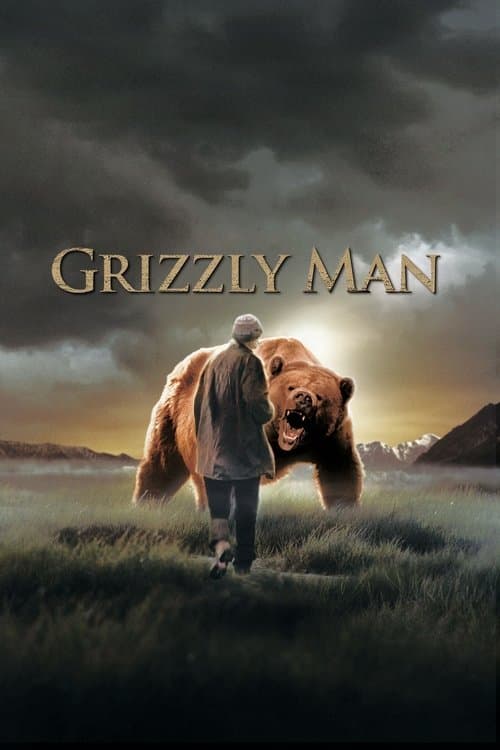
Follows the story of "Grizzly Man" Timothy Treadwell and what the thirteen summers in a National Park in Alaska were like in his attempt to protect the grizzly bears. The film is full of unique images and a look into the spirit of a man who sacrificed himself for nature.
Can Homo sapiens evolve into Homo spatius? For over 50 years now, we have been testing our human nature in our effort to conquer outer space, and still 30 years away from a possible human exploration of Mars, a question remains: Can our body take such travels? Will it ever adapt? Combining human adventure and the exploration of the human body, this film offers unique insights into the physical and psychological effects of space travel on the Astronauts and measures the impact on medical sciences.
A French documentary or, one might say more accurately, a mockumentary, by director William Karel which originally aired on Arte in 2002 with the title Opération Lune. The basic premise for the film is the theory that the television footage from the Apollo 11 Moon landing was faked and actually recorded in a studio by the CIA with help from director Stanley Kubrick.
No overview available.
Exclusively created with period engravings, this animated feature explores the Franco-Prussian War of 1870 and the ensuing Paris Commune revolution in 1871.
In his own words, the burglar behind the 2010 robbery of the Paris Museum of Modern Art tells how he pulled off the biggest art heist in French history.
The true life story of John Weld, who went from stuntman during Hollywood's golden era, to journalist, novelist and many other careers.
Recently discovered footage reveals the secret history of NASA's first landing on the moon, and using this brand-new evidence, former astronauts and experts challenge everything known about the Apollo missions.
Who were the men and women of Project Apollo? Where are they today? What do they think of the extraordinary effort they helped make possible? Coinciding with the 50th anniversary of the first moon landing in 2019, When We Were Apollo is an intimate and personal look at the Apollo Space Program through the lives and experiences of some of its most inspiring behind-the-scenes figures: engineers, technicians, builders and contractors who spent the better part of a decade working to get us to the moon and back.
This extraordinary film features NASA film footage enhanced by AI-based software and other image processing. The clarity of the images gives viewers a whole new perspective on what it was like to step onto lunar soil and ramble about the alien landscapes. The film shows how teams of astronauts collected evidence that has revolutionized our understanding of the origin of both Earth and the moon.
Laika, a stray dog, was the first living being to be sent into space and thus to a certain death. A legend says that she returned to Earth as a ghost and still roams the streets of Moscow alongside her free-drifting descendants. While shooting this film, the directors little by little realised that they knew the street dogs only as part of our human world; they have never looked at humans as a part of the dogs’ world.
A reunion 40 years in the making. After decades of wondering what became of their combat interpreter, a group of U.S. Navy SEALs attempts to find Nguyen Hoang Minh, left behind in the aftermath of the Vietnam War. When they discover him living in abject poverty, the bond they forged during the conflict is so strong that the entire SEAL community takes up funds to ensure that Minh has financial security for the rest of his life. The film documents the circumstances that created that bond, the reunion, and the impact on the Vietnamese-American community.
In June 2001, hundreds of kilos of cocaine washed up in a Portuguese village. This gripping documentary reveals the long-lasting impact on the community.
This documentary follows 8 teens and pre-teens as they work their way toward the finals of the Scripps Howard national spelling bee championship in Washington D.C.