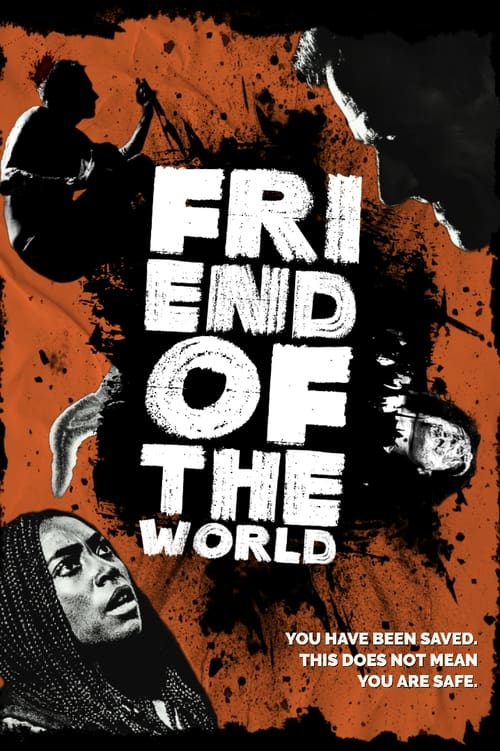
While Trevor and Sam are smoking pot, Trevor’s mom comes home. When she finds out, Trevor reveals his father’s adulterous ways and destroys his family.
Himself
Trevor's Mom / Himself
Trevor's Dad / Himself
No Trailers found.
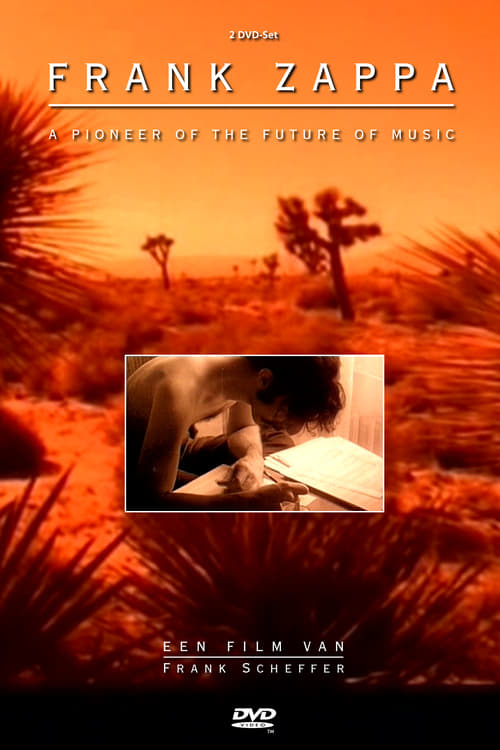
Frank Scheffer's (collage like) documentary on the American composer and rock guitarist Frank Zappa, as broadcast by VPRO in the Netherlands April 22,2007. Most of what’s on here is seen before, particularly in Roelof Kier’s 1971 documentary and/or Scheffer’s own documentary “A present day composer refuses to die”. But there is some new stuff too, particularly interviews with Denny Walley, Haskell Wekler, Elliot Ingber and Bruce Fowler.
After a catastrophic global war, a young filmmaker awakens in the carnage and seeks refuge in the only other survivor: an eccentric, ideologically opposed figure of the United States military. Together, they brave the toxic landscape in search of safety... and answers.
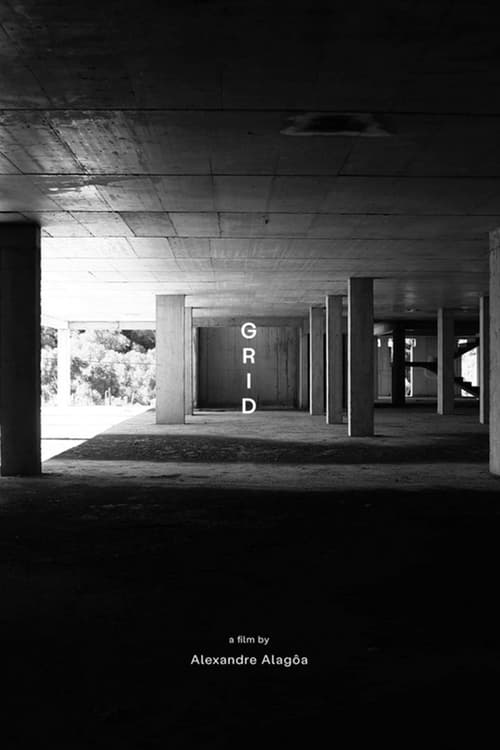
A ritual of grids, reflections and chasms; a complete state of entropy; a space that devours itself; a vertigo that destroys the gravity of the Earth; a trap that captures us inside the voids of the screen of light: «That blank arena wherein converge at once the hundred spaces» (Hollis Frampton).
A young bride flees the ceremony with a stranger and, together, they set off on an epic journey though increasingly bizarre lands. They encounter talking animals and mournful exhibitionists, converse with a discoursing rock, journey through a surrealist's psychedelic hotel, instigate a prison riot, escape from naked cannibals living in a tree, and battle a wind-up midget dictator!
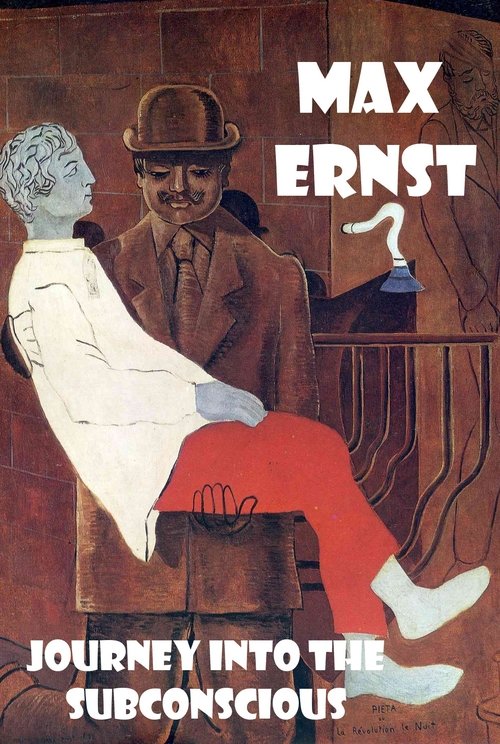
The inner world of the great painter Max Ernst is the subject of this film. One of the principal founders of Surrealism, Max Ernst explores the nature of materials and the emotional significance of shapes to combine with his collages and netherworld canvases. The director and Ernst together use the film creatively as a medium to explain the artist's own development.
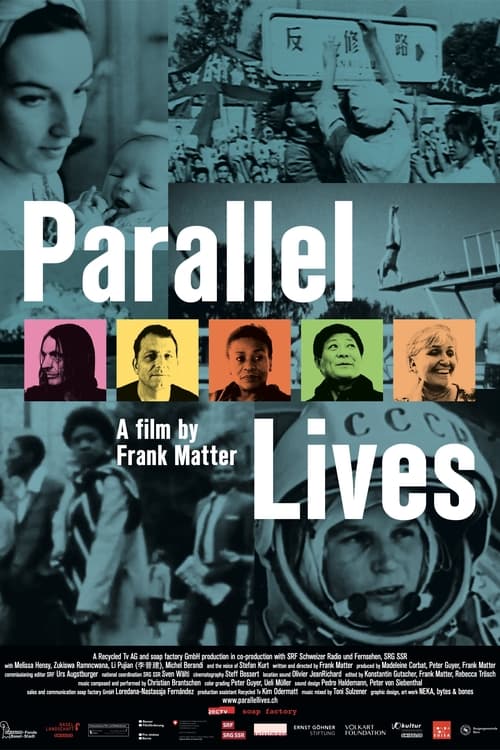
Born June 8, 1964, Frank Matter films four "twins", born the same day as him, but in other latitudes. Interweaving their life stories with rich archival material, the filmmaker links these Parallel Lives with elements from his own biography, to compose a fascinating fresco where intimate trajectories are part of the advent of the global village.
A written testimony by co-director Jin Ryoo on his experience preparing for Korean compulsory military service is juxtaposed with images of an empty UCSD campus, the desolate construction sites sprawling off of it, and the Mt. Soledad Veterans Memorial.
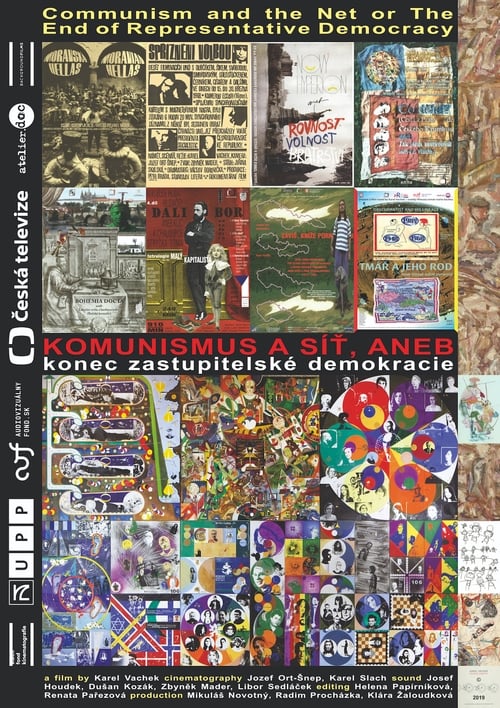
From the behavior, discourse, and appearance of individual actors, Vachek composes, in the form of a mosaic, a broad and many-layered film-argument about Czechoslovak democracy in the period of its rebirth, all administered with the director’s inimitable point of view.
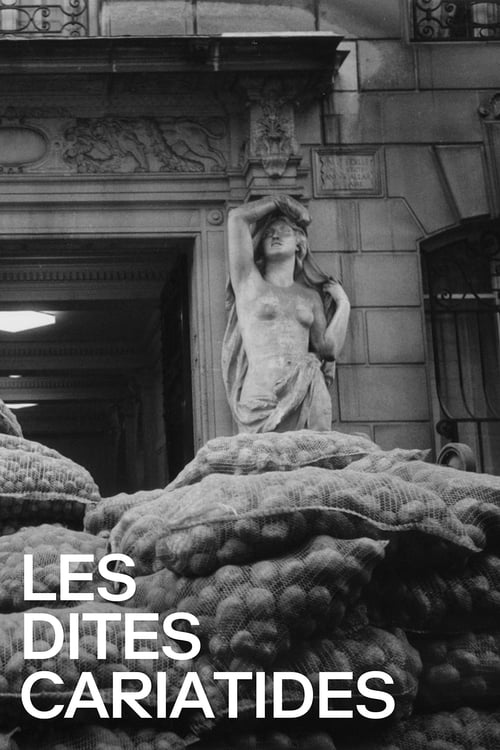
Commissioned by French television, this is a short documentary on the neo-classical statues found throughout Paris, predominantly on the walls of buildings, holding up windows, roofs etc.
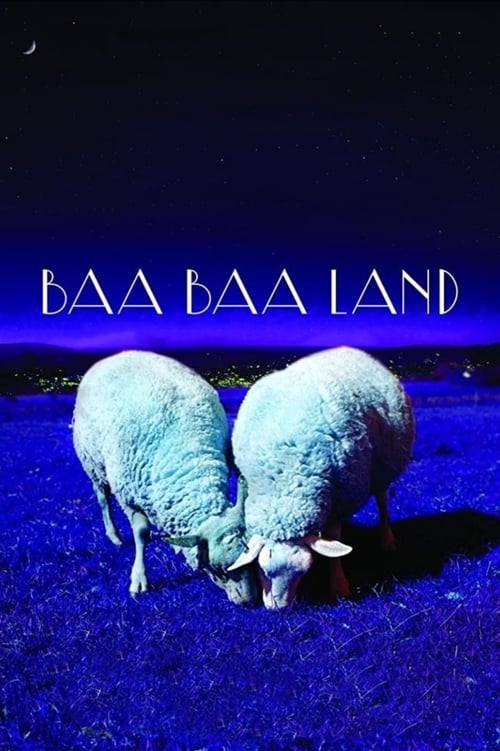
An eight-hour contemplative epic, entirely starring sheep.
The six-hour essay in four parts examines the history of regimes and revolutions, leaders and martyrs, from a philosophical perspective. The collage of personal memories, staged scenes and archives of collective memory compares the Prague Spring to the Velvet Revolution and shows the exposure, conflict, crisis, and catharsis of the post-communist society.
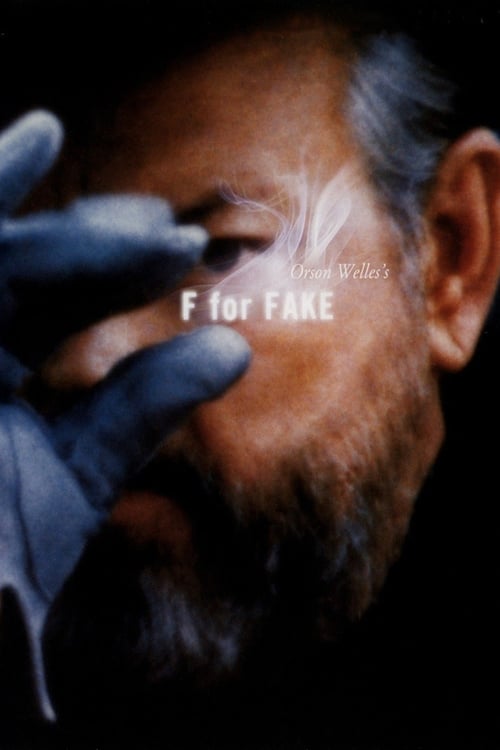
Documents the lives of infamous fakers Elmyr de Hory and Clifford Irving. De Hory, who later committed suicide to avoid more prison time, made his name by selling forged works of art by painters like Picasso and Matisse. Irving was infamous for writing a fake autobiography of Howard Hughes. Welles moves between documentary and fiction as he examines the fundamental elements of fraud and the people who commit fraud at the expense of others.
A disorienting realm where reality itself flickers and fragments. Through a visceral exploration of digital distortion and failing verification processes, this challenges your perception and dares you to question what lies beneath the surface. Are we truly awake to the genocides and wars raging beyond our privileged bubbles, or are we content to remain ensnared by manipulated realities? This is a personal call to shatter the illusions, to seek deeper truths, and to recognize the profound fortune of our existence amidst global turmoil.
In the dressing room of the French cinema, minutes before attending a lecture, François Truffaut recalls his trajectory
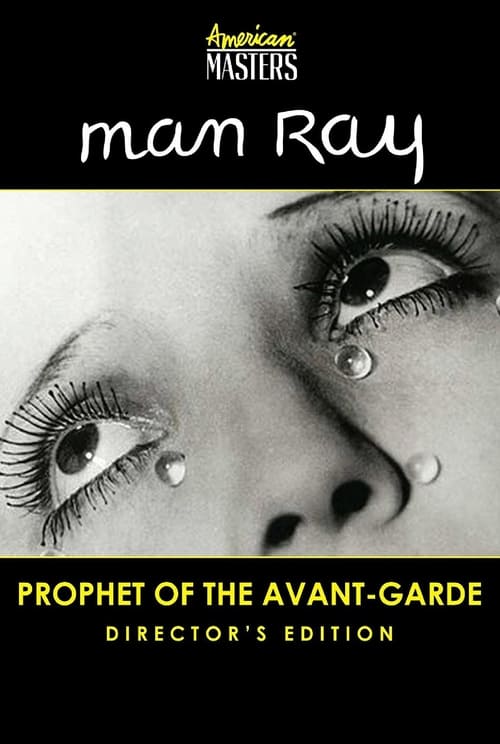
Man Ray, the master of experimental and fashion photography was also a painter, a filmmaker, a poet, an essayist, a philosopher, and a leader of American modernism. Known for documenting the cultural elite living in France, Man Ray spent much of his time fighting the formal constraints of the visual arts. Ray’s life and art were always provocative, engaging, and challenging.
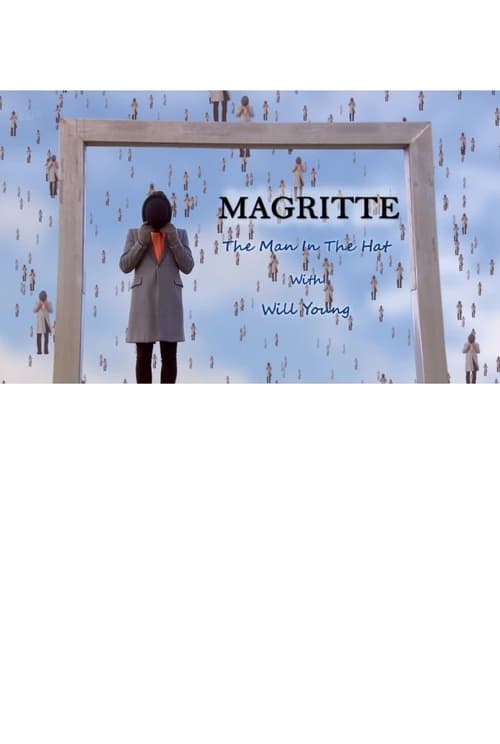
In this film, Will Young travels to Magritte's native Belgium to find out more about the man whose trademark was a bowler hat and whose apparently conventional exterior concealed the mind of a subversive rebel. Will uncovers a childhood marked by tragedy, a marriage that lasted from Magritte's adolescence until his death in 1967, and a stunning artistic legacy which endures to this day.
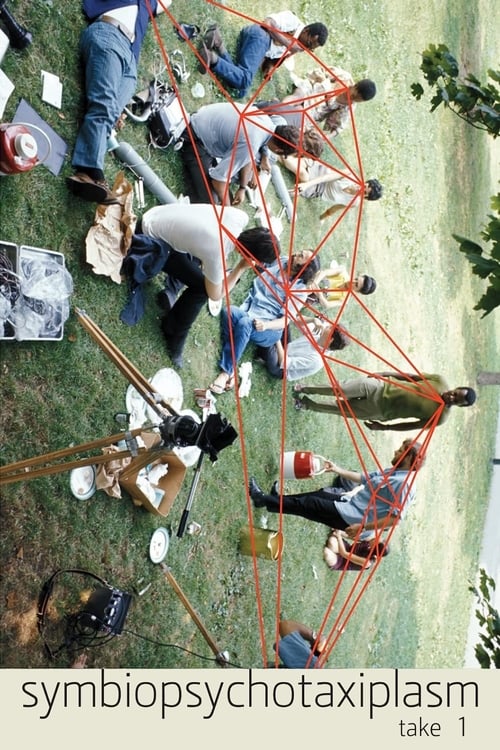
In Manhattan's Central Park, a film crew directed by William Greaves is shooting a screen test with various pairs of actors. It's a confrontation between a couple: he demands to know what's wrong, she challenges his sexual orientation. Cameras shoot the exchange, and another camera records Greaves and his crew. Sometimes we watch the crew discussing this scene, its language, and the process of making a movie. Is there such a thing as natural language? Are all things related to sex? The camera records distractions - a woman rides horseback past them; a garrulous homeless vet who sleeps in the park chats them up. What's the nature of making a movie?
Migrating by sea from Holland as an eight-year-old, Dirk de Bruyn went on to be a doyen of Australian experimental cinema. But as this intimate film reveals, his work is suffused with the trauma of migration, and the struggle to recognise himself as a ‘new Australian'. In conversation with documentarian Steven McIntyre, Dirk guides us through more than 40 years of his filmmaking: the early years exploring technique and technology, a subsequent phase of unflinching self-examination brought on by upheaval and overseas travel, and more recent projects where he attempts a fusion of personal, cultural, and historical identity. What emerges is an inspiring, rugged, and at times poignant portrait of an artist committed to self-expression and self-discovery through the medium of film.
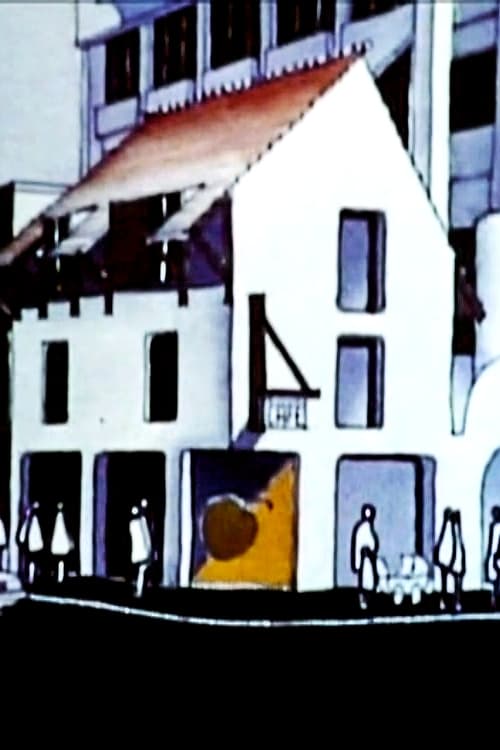
A visual essay on contemporary Kiwi architecture.
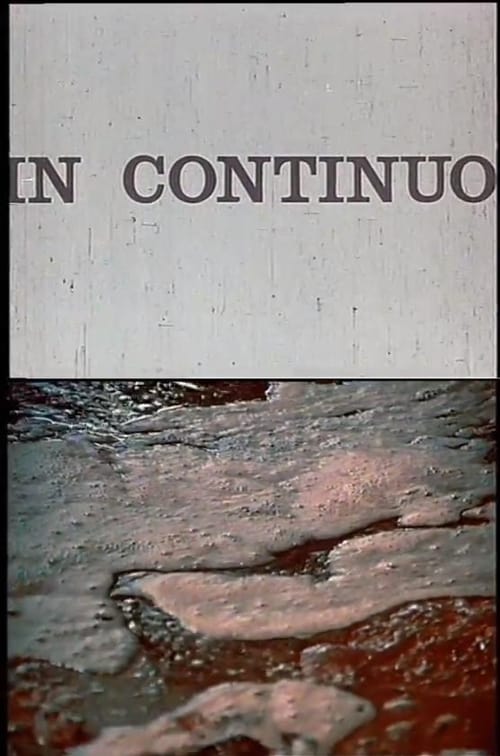
"In continuo" uses slaughterhouse imagery to present the warlike nature of man, first depicting the cleaning and mechanical preparations for the slaughterhouse and then the killing, however, the animal slaughter itself isn’t shown.