No Trailers found.
Self
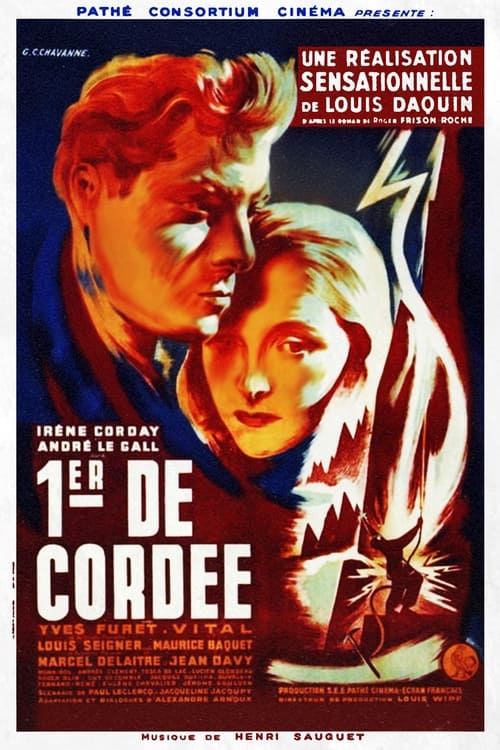
A screen adaptation of the well-known novel by Roger Frison-Roche about the harsh lives of mountain guides and their families in the French Alps, near Chamonix and the French/Swiss/Italian borders... Like his father, Zian Servettaz is a dedicated mountain man. His Italian-born wife Bianca does not adjust well to his mountain village in France, and to the ever life-threatening dangers presented by his mountain guiding and climbing. She briefly returns to Italy and to her family. However, after Zian's insistence and trip to Italy, she returns to mountain life in the French Alps. Once back there, events will unfold, changing their lives as well as those of other mountain people forever.
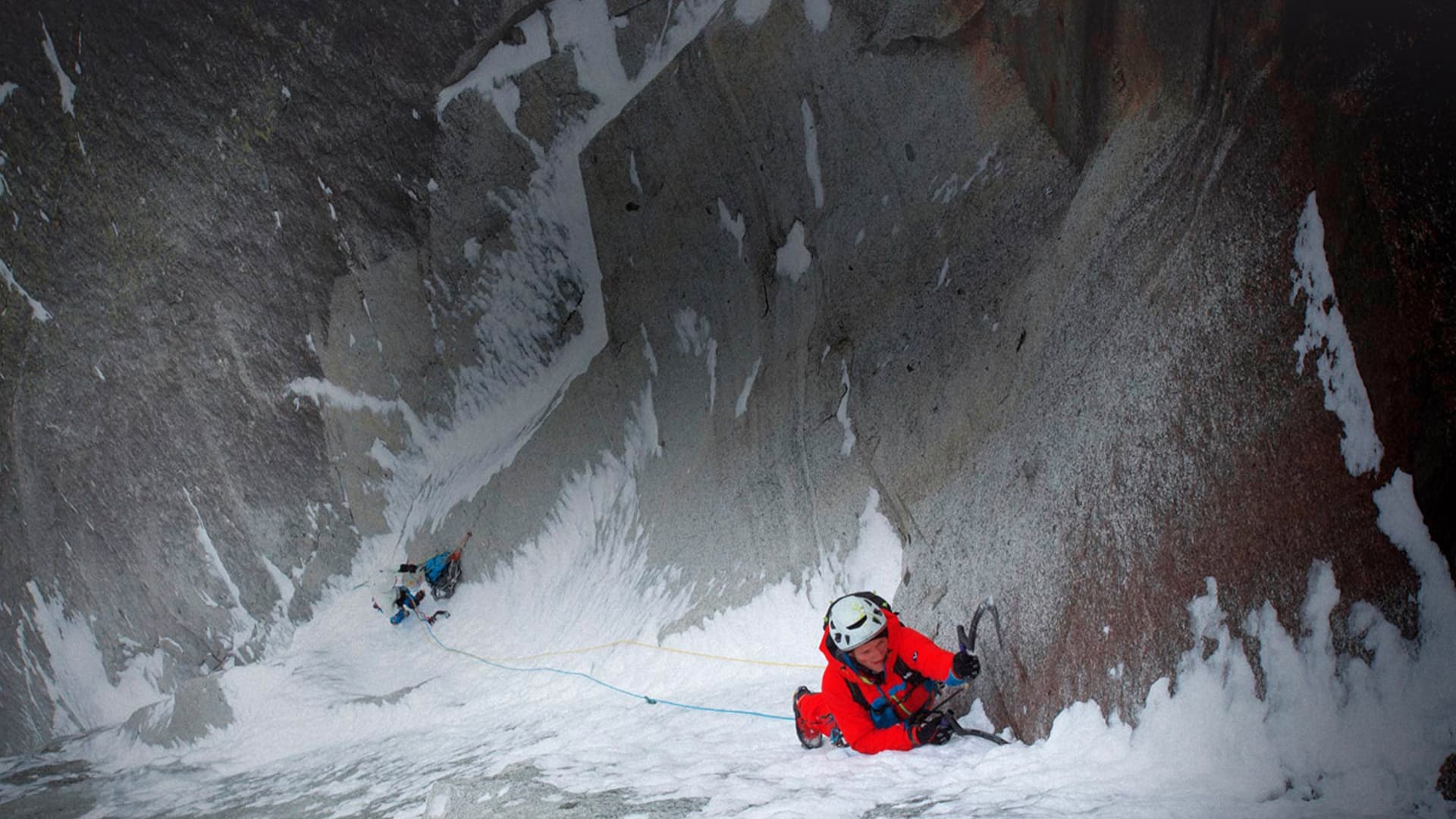
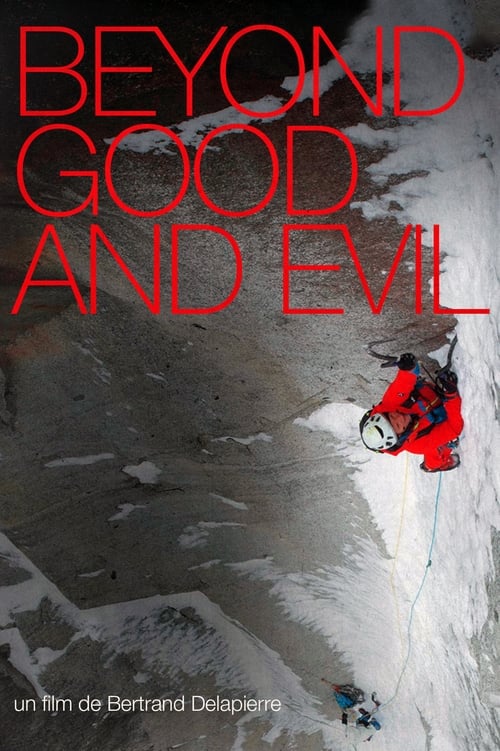
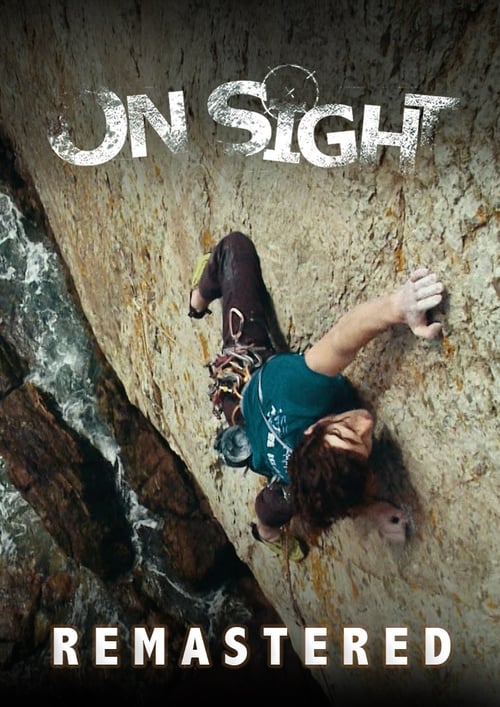
A gripping adventure into the world of cutting edge rock and ice climbing documenting what is possible with a ground up, no pre-practice approach resulting in raw, compelling and often frightening footage. The climbers in this film aren’t necessarily the strongest but they have the biggest kahooners(!); willing to take a 30 foot fall for the ultimate on sight ascent.
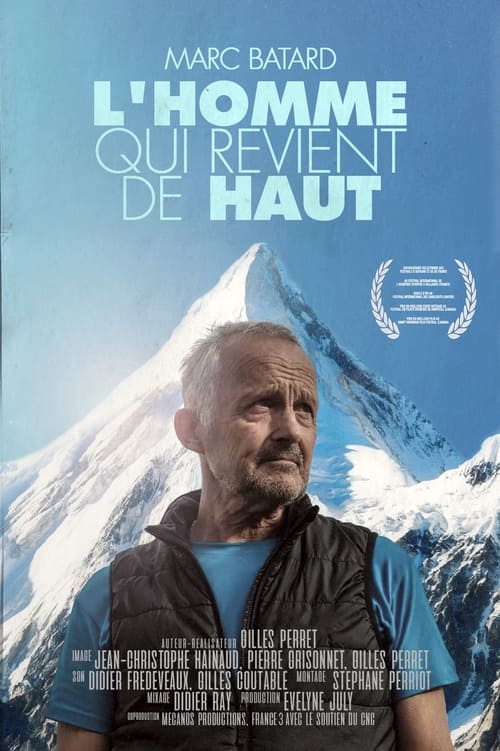
What compels a man to push the limits of what is attainable ever higher? After thirty years of relentless struggle with the highest peaks on earth, Marc Batard has finally found the answers to these questions. He had to reach the summit of Everest twice, once shattering the record for fastest time in 24 hours without oxygen, and climb the most difficult faces of the Alps to glimpse the path to inner healing. It was through physical suffering that he was able to confront the pain of his soul. He was finally able to talk about the violence of his childhood, the shock he carried like a ball and chain for decades. Having completed his summit therapy, Marc Batard tells his story in this documentary by Gilles Perret.
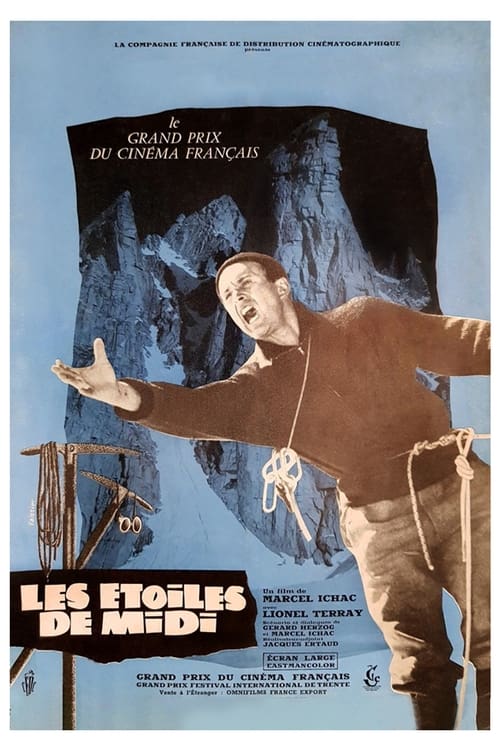
Les Etoiles de Midi is an engaging docudrama about some of the more spectacular exploits of French mountain climbers over the last several decades. In one re-enacted story, there is a wartime escape through the mountains, and in another, a daring rescue of a pair of climbers who had been missing. The actors themselves are adept at the sport of climbing, and they give the scenes an immediacy and real daring that brings the stories alive. A combination of their acrobatics and skill and the outstanding episodes in the history of French climbing creates a winning 78 minutes.
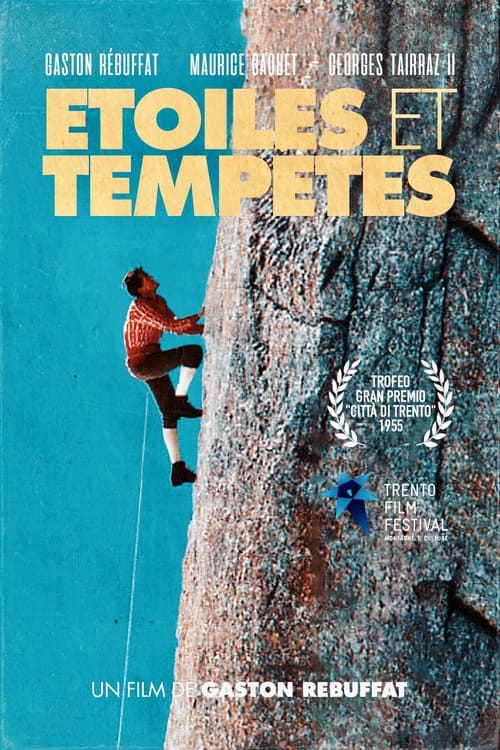
Gaston Rébuffat is part of the history of mountaineering. Marseillais prodigy, high mountain guide of the Chamonix guide company and famous for the ascent of the most famous north faces: some are 1st rehearsals, others 1st French or 1st as a guide. Filmed by Georges Tairraz, this masterpiece released in 1955 reveals the beauty of effort and the pleasure of sharing in the mountains. Apart from the feat, the mountains are not there to satisfy egocentric ambitions. A classic !
No overview available.
An adventure of extreme skiing in the Mont Blanc area
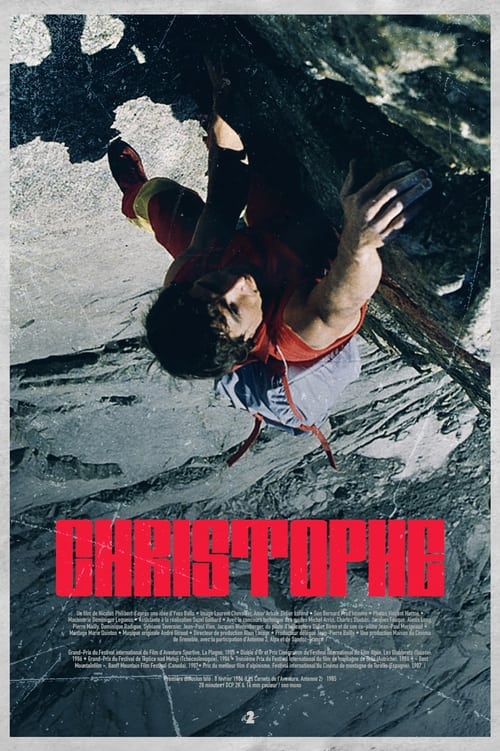
It is 1 p.m. on June 30, 1982, when Christophe Profit, 24, shows up at the foot of Les Drus with his pof bag, his climbing shoes and nothing else. He will try the west face of Les Drus in "solo", in the Mont Blanc massif by "Directe Américaine", 1100 meters of vertical and smooth rock. Christophe will achieve the feat of climbing the wall in free solo, without using a rope or any belaying technique. At 4:10 p.m., barely more than three hours after the start of his ascent, the new climbing star can embrace the Virgin of the Drus at the same time as the career of a high-level mountaineer. Three years later, on July 25, 1985, he climbed the north faces of the Matterhorn, the Eiger and the Jorasses in the same day. Awarded at many mountain film festivals, this great documentary is a magnificent testimony to one man's passion for climbing, the mountains and adventure.
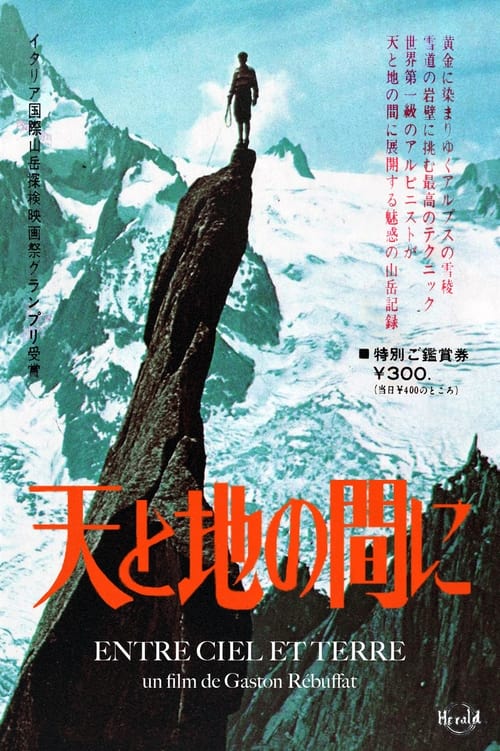
This is Gaston Rebuffat's fourth film, in which, with several close friends, he discovers the sublime landscapes of the Alps. “Mont-Blanc is beautiful. I climbed it several times depending on the time, the color of the sky and the shape of the cornices and ridges. Because of the weather and also because of this feeling of altitude, Mont-Blanc provides great pleasure. For the guide, Mont Blanc is his garden, but the garden becomes more beautiful when shown to a friend. Personally, I really like the bivouacs; only there one penetrates a little the mystery of the altitude. That's why I immediately accepted when Tazieff expressed the desire to spend the night at the top of Mont Blanc in an igloo. The film won the Grand Prix at the Trento Film Festival in 1961.
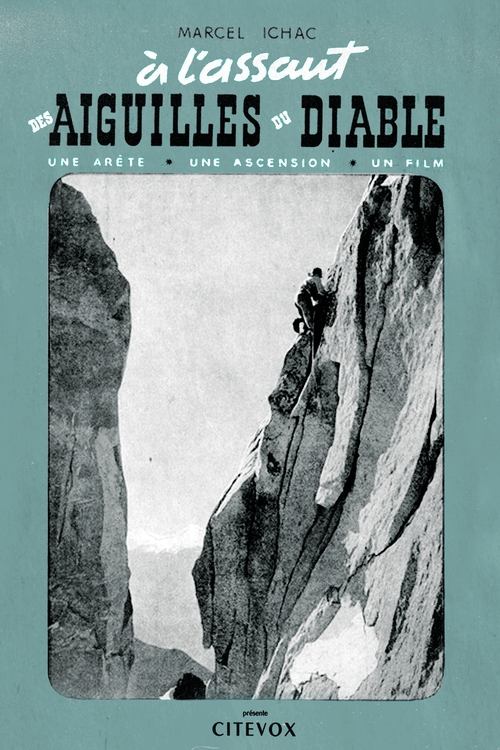
Marcel Ichac accompanied the mountaineer Armand Charlet, in 1943, in the repetition of the first crossing of the Aiguilles du Diable that the guide of the Chamonix valley had made in 1925. A roped party joined on snow and ice the Col du Géant, reached at the Mont-Blanc-du-Tacul stop and on the Col du Diable. The men cross the needles by climbing chimneys, cracks and abseiling walls. They access the eastern slope of the Mont-Blanc massif which offers a panorama of the Grandes Jorasses and Mont-Blanc. Armand Charlet was the first to reach the summits of four needles above 4000 meters: the Devil's Horn, Pointe Chaubert, Pointe Médiane and Pointe Carmen; he also tells how he successfully climbed the furthest, the Isolated. Marcel Ichac shot these scenes as close as possible to his subject, he responded with this film with a “truth” cinema, the principle of which we find in his later productions.
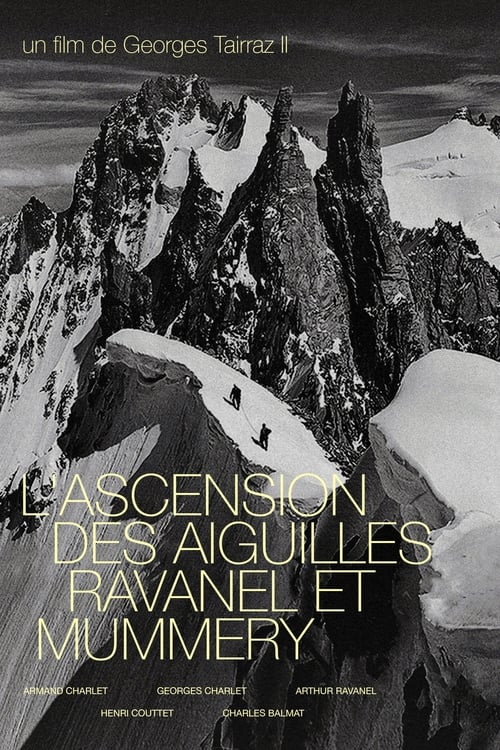
"The ascent of the Aiguilles Ravanel and Mummery", climbed by young guides in cycling pants: The brothers Armand Charlet and Georges Charlet, Arthur Ravanel, Henri Couttet and Charles Balmat. The film was shot by Georges Tairraz II, Chamoniard mountain photographer, representative of the third generation of a family line of mountain photographers and filmmakers. George Tairraz II's film will lay the groundwork for a French vision of mountain film; In the 1930s, a French school of mountain cinema emerged, less expressionist, more stripped down and realistic than the German school. These are the films of Marcel Ichac, Roger Frison-Roche, Samivel, Georges Tairraz II, etc. It develops according to the principles set by Marcel Ichac, in opposition to the German school. It is both about getting out of the dramatic vision of the mountain and placing the mountain and the climbers at the heart of the plot.
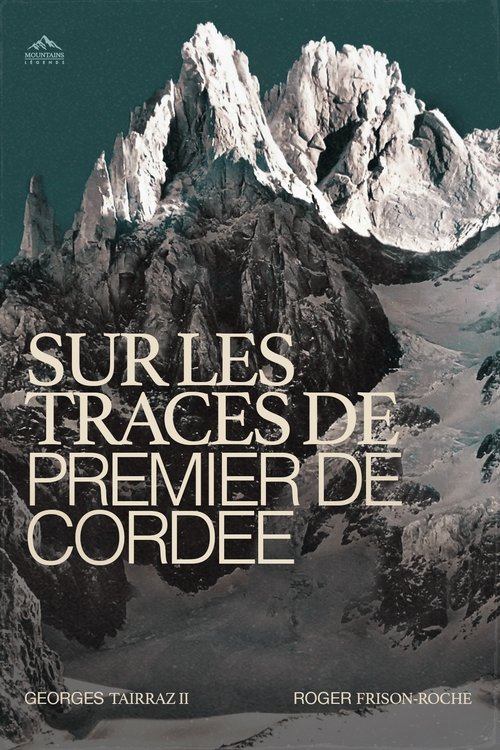
"Sur Les Traces De Premier De Cordée", a color documentary from 1952 which will be released the same year as the eponymous photo book published by Arthaud, features Roger Frison-Roche and his sidekick Georges Tairraz II on the Aiguille du Grépon (3482 m) in the Aiguilles massif which overlooks the Chamonix valley. Together they co-produce the images of the ascent. The young Pierre Tairraz, who completed his training in Paris, at the school in the rue de Vaugirard (Cinema promotion in 1953), also took part in this very technical aerial filming as assistant to his father Georges Tairraz II and cameraman.
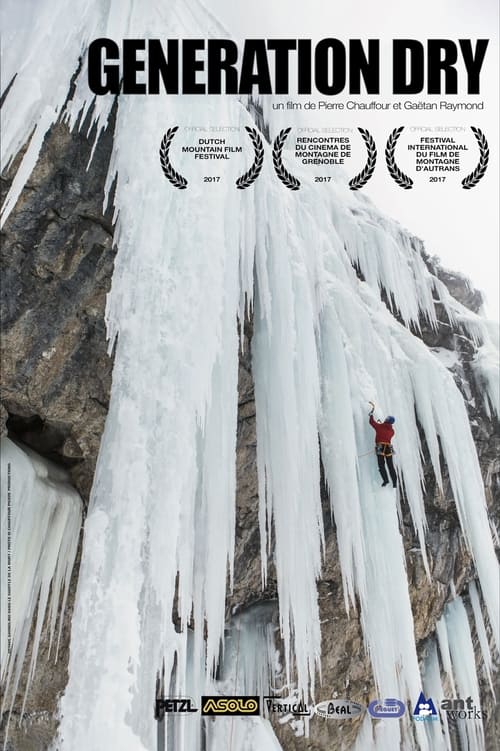
It is a fact that our winters are less and less cold. Therefore it is harder and harder to get the conditions for ice-climbing. Fortunately, man adapts to his environment and makes progress: this is how dry-tooling was born. This movie will make you discover this discipline: its history, its evolution and the current practice. You will also see how much excitement dry tooling can bring. Dry-tooling now allows to free-climb some routes which were impossible to climb without aid in the past.
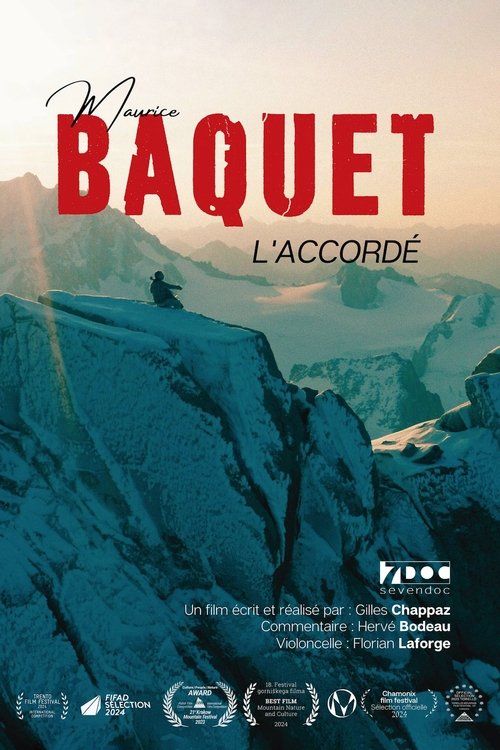
At once a high-level musician, member of the October Group, entertainer, theater artist, film actor, mountaineer, and skier, Maurice Baquet, always on the move, structured his life around two common threads: the cello and the mountains. He once defined himself as a "cellist-skier," "all alone" in this category, which prompted James Couttet, world ski champion, to say: "Of all the skiers I know, he's the best cellist." Echoing this, Professor at the Conservatoire National Supérieur, André Navarra, added: "Of all the cellists I know, he's the best skier." Throughout his varied yet coherent career, Baquet helped to project a joyful and artistic image of the mountains. Who better to talk about Maurice and all his adventures than his alter-ego: Cérébos, the faithful cello that never left his side? From Paris to Chamonix, from the stage to the granite slabs and snowy slopes, this film follows Cérébos, crossing the century and above all... smiling!
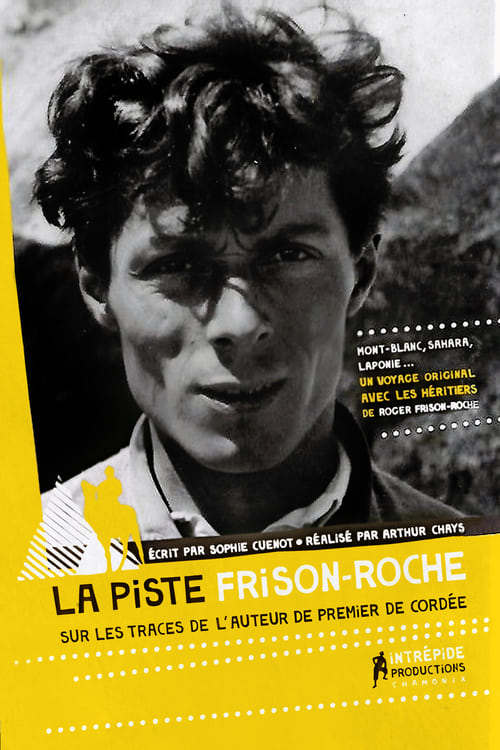
Roger Frison-Roche born in Paris in 1906 and moved to Chamonix at the age of 17. He was quickly adopted by local mountaineers and became the first guide in the Company not to have been born in the valley. He is also an insatiable explorer, in love with landscapes and peoples, having traveled from the Hoggar to the Sami camps in Lapland. And the author, among others, of the famous adventure novel Premier de Cordée! This documentary, made up of archive images and interviews, exposes the prolific life of a man who communicated his passion for the mountains by all possible means. A young journalist from Chamonix follows in the footsteps of Roger Frison-Roche. She meets people who knew him and others who followed in his footsteps: guides, filmmaker and author Philippe Claudel, a director, his family; on a trip to Lapland, Algeria, Chamonix.
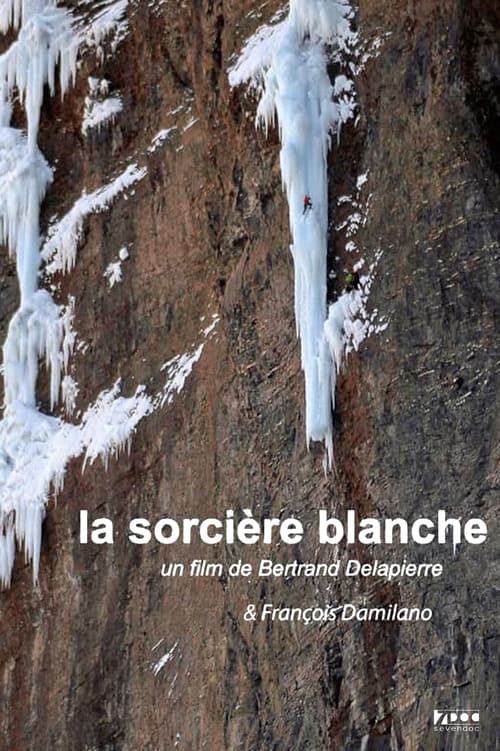
In the austere "Horseshoe Cirque", attempts on ice are so impressive and require such a high degree of skill, that after a discrete beginning in 1976, there was a wait of twenty years before new pioneers dared the challenge. Each has returned, marked for life by the extraordinary experience. The opening of The White Witch in January, 2006 by Philippe Batoux, François Damilano and Benoît Robert was the occasion to revisit this emblematic site. Here is an exceptional panorama where incredible ice formations give way to challenging rocky climbs and vibrant testimonials...
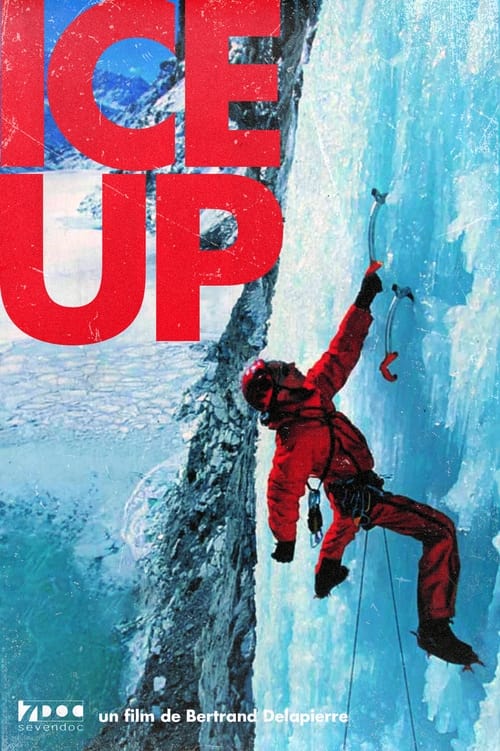
Unique shapes, no two the same, formed by the action of water and frost. The water that once ran from the summits in torrents and waterfalls is immobilized for a few weeks. The thing is to be there, in time, just at the moment when they become solid, just before they return to water. A question of balance. Around seven top-level climbers who represent all the richness of the activity, these images will highlight different techniques and different approaches. Although the athletic performance is impressive, it is there only to emphasize the dazzling shapes, the warmth of friendships, the stories of teamwork.
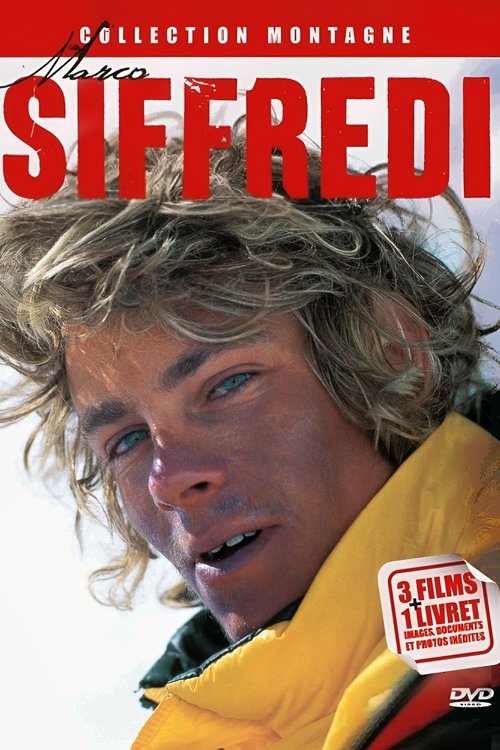
Avid for steep slopes, Marco Siffredi (1979-2002) obeys only one rule: not to fall. This gifted kid with hair sometimes blond peroxidized, green or blue clashed in his valley: Chamonix, mecca of mountaineering. His thing was to go up and down on a snowboard. . 90 minutes September 8, 2002, altitude 8848 meters, rare oxygen, his head already brushing the sky and his snowboard running, Marco Siffredi, 23, rushes from the summit of Everest in the Horbein corridor and its slopes at 50 degrees . A year earlier, he had already made the first descent of the mountain on a snowboard. But there remains another corridor… more direct. It's not a challenge, just a reason to be... However, that day, at the top of the roof of the world, his trace is lost...