No Trailers found.
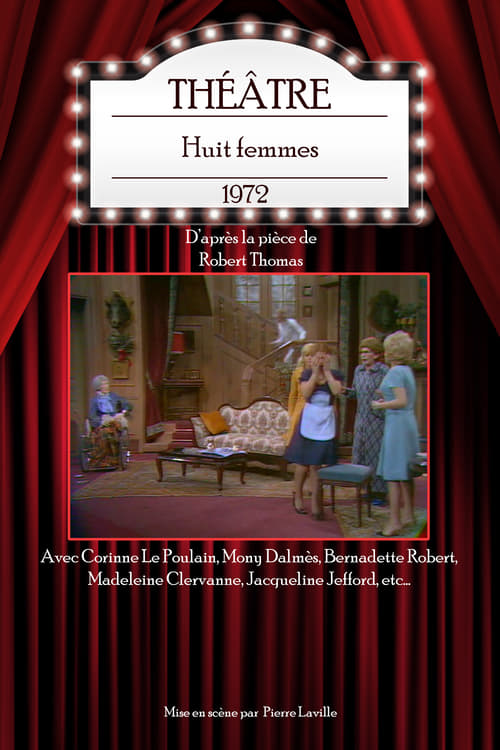
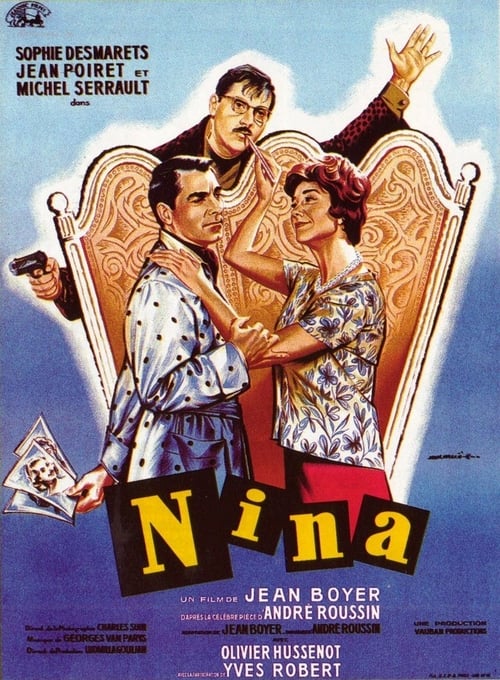
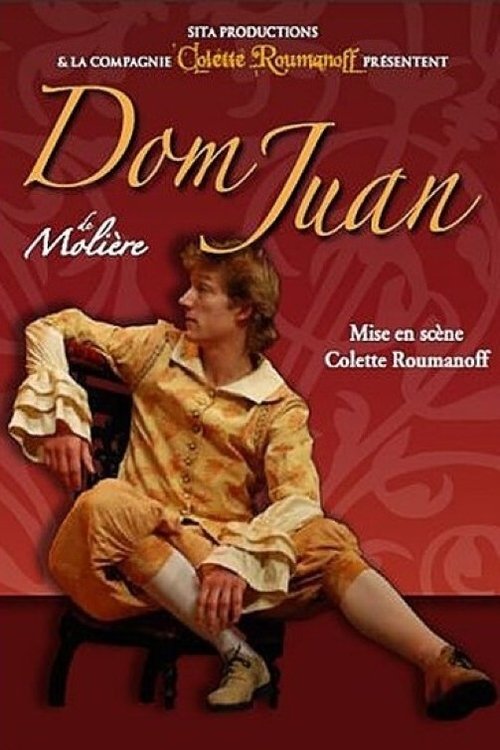
Suzon, la fille aînée
Gaby, la mère
Catherine, la fille cadette
Mamy, la grand-mère
Augustine, la soeur de Gaby
Mme Chanel, la gouvernante
Louise, la femme de chambre
Pierrette, la soeur du mari
The film is based on the stories Anton Chekhov. It is a tribute to the actor Boris Andreyev. He plays a major role that keeps up for the duration of the film. Lively and intelligent Valery Spout largely mitigates underline the drama of the protagonist, while Michael Sveta's role, though small, is bright and memorable.
Members of the Camorra on the run and actors seeking for authority meet after a shipwreck on an island-prison. The theatre turns into a free zone where everyone may not be able to recover their social role but for sure their humanity. Somebody can even get love back. Shakespeare and Eduardo De Filippo blend together in a picaresque comedy full of coup de théâtre.
Comedy in five acts by Beaumarchais, filmed by Marcel Bluwal in studio and on location. The cast, in accordance with Marcel Bluwal's wishes, is in keeping with the age and character of the characters, to give it rhythm. At once "a comic baroque play, a bourgeois drama, a chansonnier's number, a social satire, a farce and a very pretty love story" according to Marcel Bluwal, it can also be summed up, according to Beaumarchais, as "the most bantering of intrigues".
Buster and his new cast now have their sights set on debuting a new show at the Crystal Tower Theater in glamorous Redshore City. But with no connections, he and his singers must sneak into the Crystal Entertainment offices, run by the ruthless wolf mogul Jimmy Crystal, where the gang pitches the ridiculous idea of casting the lion rock legend Clay Calloway in their show. Buster must embark on a quest to find the now-isolated Clay and persuade him to return to the stage.
No overview available.
The third production in a series of Monoteater productions on the theme of "A Man's Life". In its first year, the theatre, which started in 2009, dealt with the early stages of a man's life in the monocomedy "The Husband", in which Jan Uuspõld explored in depth the differences between men and women. In March 2010, Monoteater staged the monocomedy "The Father", which took the audience into the sometimes crazy period of a young man's life, when a big change is about to take place - a baby is about to be born into the family. In April 2012, the audience was introduced to the next important stage in the man's life - a man and a father about to become a grandfather.
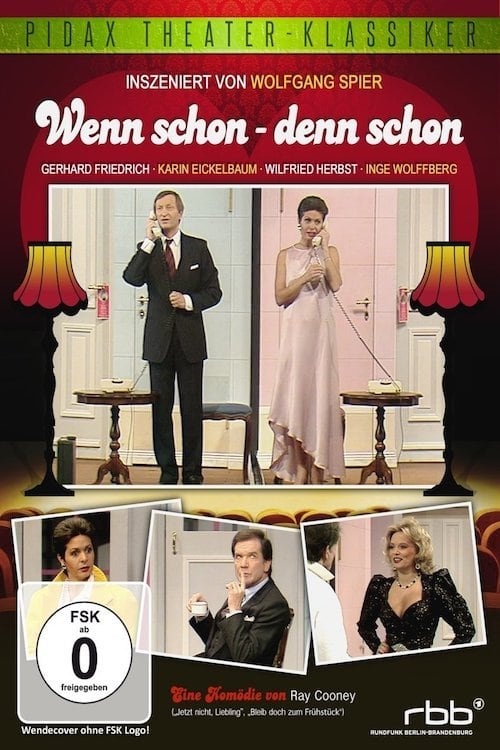
A husband plans to shoot the man having an affair with his wife, but both come to realise their desire to escape the tyrannical woman in their lives.
In his desirable mansion, a widower wants to marry again with a twenty-year old brunette. His children disagree and they tell him so .
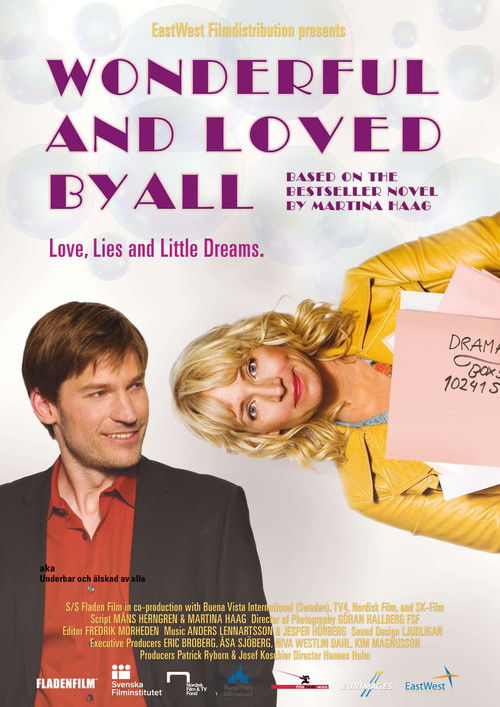
Isabella Eklöf is an unemployed actress in her early thirties. Her friends all enjoy stable relationships, children and successful careers. In order to jump-start her life she decides to lie a bit on her next job application with unexpected consequences.
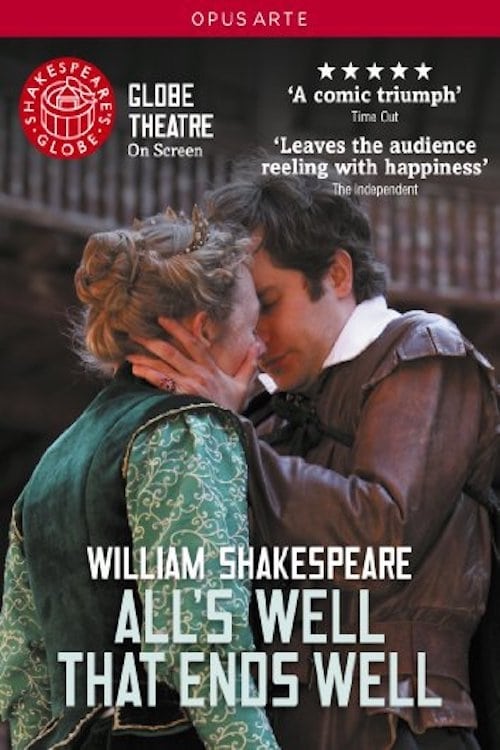
Helena loves the arrogant Bertram, and when she cures the King of France of his sickness, she claims Bertram as her reward. But her new husband, flying from Helena to join the wars, attaches two obstructive conditions to their marriage - conditions he is sure will never be met. Featuring Olivier-award winning actress Janie Dee as the Countess of Roussillon.
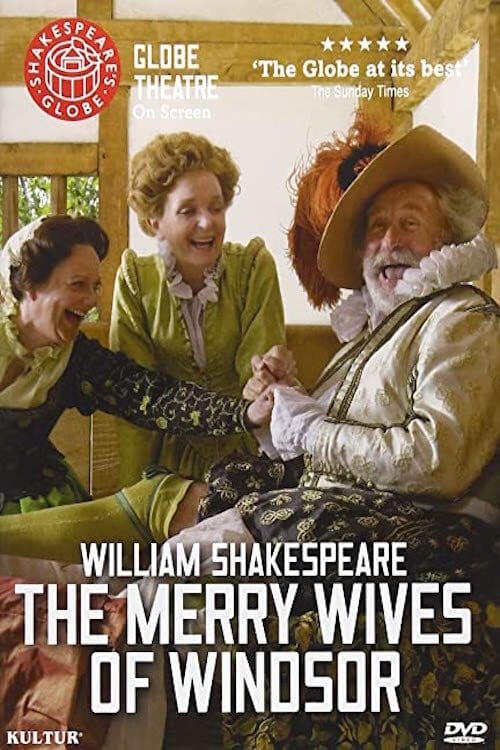
The fat knight Sir John Falstaff imagines that Mistress Ford and Mistress Page are both taken with him and so, attracted as much by their husbands’ money as their personal charms, he decides to woo them both. But the women are up to the old lecher’s tricks and turn the tables on him with a series of humiliating assignations, midnight terrors and a very damp, extremely smelly laundry basket. Gutsy, colloquial and bustling with vivid characters, The Merry Wives of Windsor is a brilliantly constructed farce and the only comedy Shakespeare set in his native land. It is also the ancestor of English bourgeois comedy and gave birth to a tradition that reaches down to the modern TV sitcom. The production made merry with the relationship between the life of middle-class Elizabethan England and the late medieval period in which the play is set.