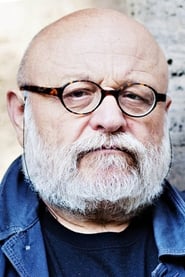
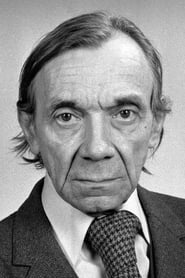
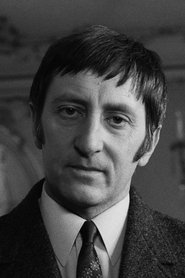
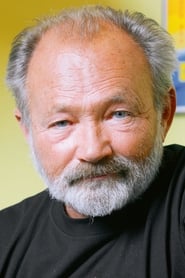
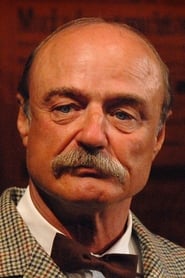
The short story film based on the book of the same name by Karel Pecka depicts the atmosphere of the Lesser Town in the 1980s.
Žorž
Docent
Kadlus
Anton
Ela
Václavík
Linda
Motejl
StB Agent
Václav
Mina
Marcel
No Trailers found.
A call from 'Who Wants to Be a Millionaire' transforms the life of a humble Indian farmer, as he, along with his family and village, embarks on a journey to discover the true meaning of winning.
An anthology film produced by mc² film, consisting of ten short films centered around the smoking of a cigarette after different major events.
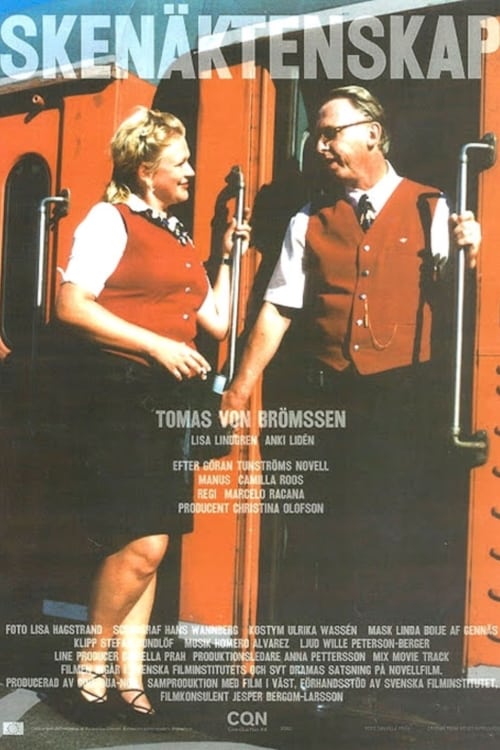
He is conductor on the railcar to Vänersborg. She is a conductor on the Herrljunga train. For two minutes once a week, their trains stop at the same platform.
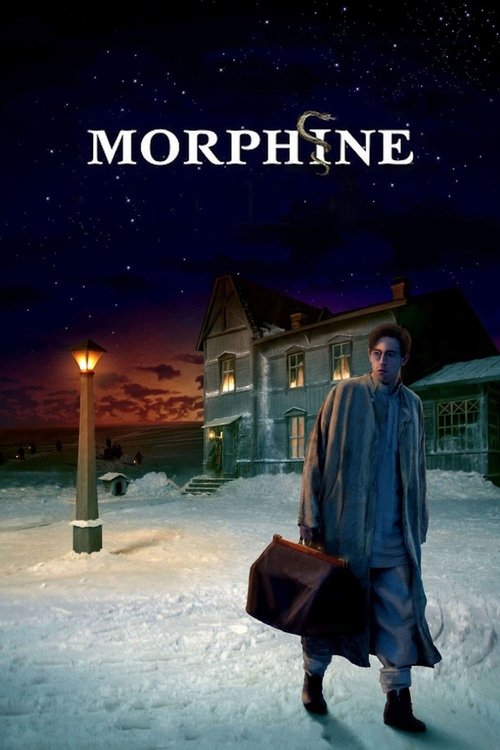
The year is 1917. We are in the Russian countryside. It is the middle of freezing winter. A pale young, newly educated doctor arrives. Having to deal with one medical challenge after another he soon becomes the center of everyone's attention. To soothe the impressions of human suffering he turns to morphine.
No overview available.
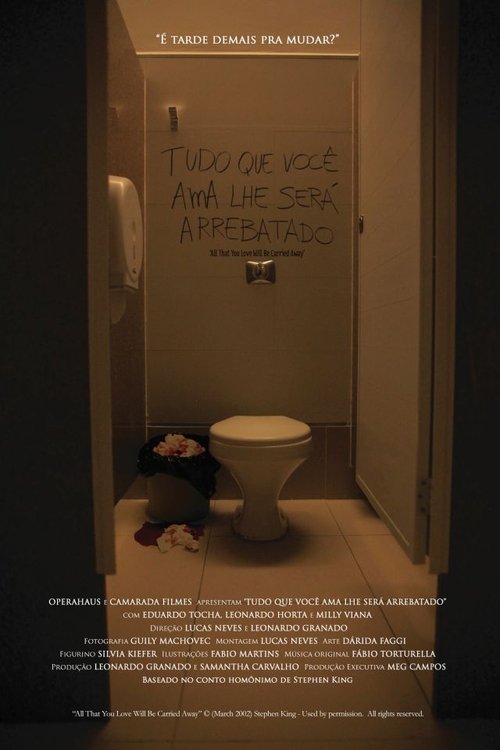
Based on Stephen King's short story of the same name, “All That You Love Will Be Taken Away” introduces us to Alfie Zimmer, a sales representative on one of the most important days of his life (perhaps his last).
Short film based on Stephen King's short story 'All That You Love Will be Carried Away'.
Mississippi - December 1965: A Christmas party is the venue for the casual encounter between Darrell, an African American man and Lily, a Caucasian woman. This is a story of racism and forbidden love as a KKK member walks into the party with one mission, to kill everyone inside.
An omnibus film that tells the story of AI's that resemble humans coexisting with humans in the near future of Korea.
Adapted from the Stephen King Short story of the same name.
A woman has lost everything. her career destroyed . She's at her wit's end, contemplating her own existence - and whether or not she deserves a place on this world.
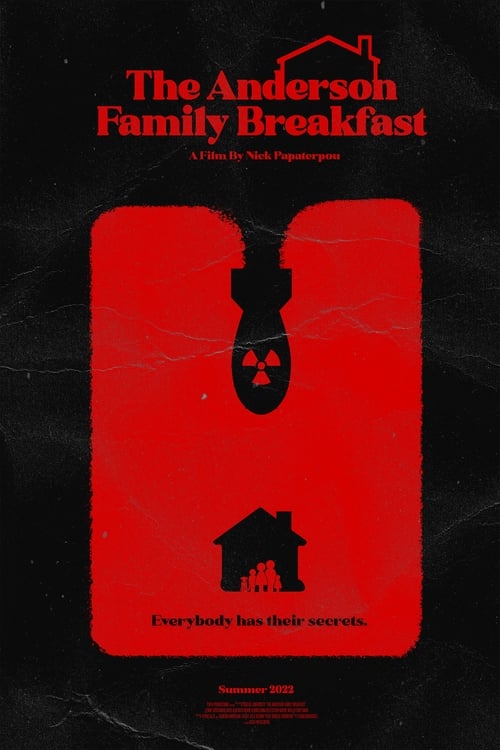
While a seemingly picture-perfect suburban family enjoys breakfast together, an omniscient narrator reveals their repressed inner thoughts and secrets…all just moments before a nuclear bomb is dropped on the family.
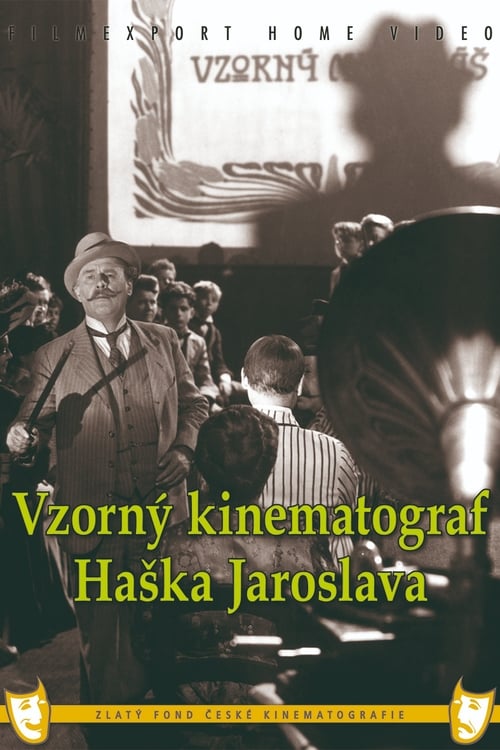
Jaroslav Hašek screens four film stories in the fairground shed around 1900. After period advertising slides and a "newspaper", we see "the first part of a sensational, exemplary, parfuss, salon program - a film from the life of school-age children, shot under very difficult circumstances". The plot of this film takes place partly in a school classroom and partly in a gymnasium toilet, where the primate Chocholka took refuge from a Latin composition. "Exemplary Family Happiness" is the second film that takes the viewer into the family of the municipal official Honzátek, in which many stormy scenes occurred when the hamster, provided by Honzátek Jr., moved into the sofa - a wedding gift from Sister Ema. Equally surprising are two other stories, one of which tells about the "father of the poor", the owner of a company with unrecoverable cash flow and a famous patron, and the other about the fateful consequences of a joint trip between the old bachelor Mr. Hanzlíček and his neighbors.
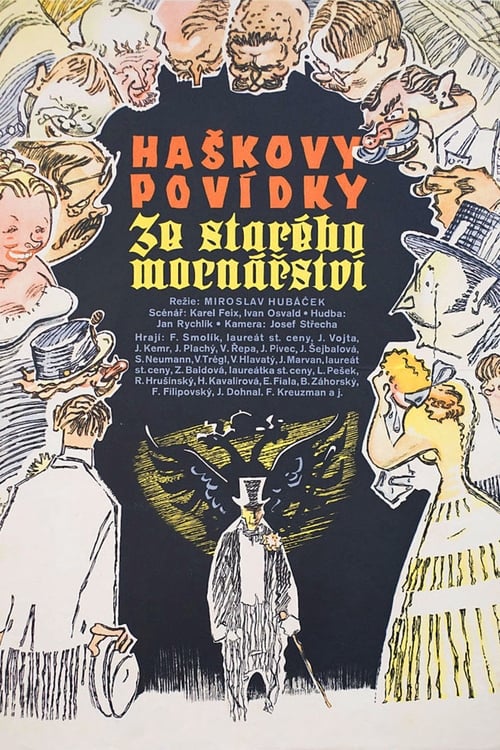
Four short stories by the greatest Czech satirist Jaroslav Hašek. "Soup for Poor Children" tells the story of how Prince Robert himself cooked soup for poor children, "Meeting of the Municipal Council in Mejdlovary" is the history of filling the position of municipal policeman, "Trampotes of Mr. Tenkrát" shows how strange events lead to marriage and promotion, "Revolt of the Convict Šejba" depicts the victorious fight of the convict Šejba for a dumpling for ministering at mass.
"A Black Swan Stomps on an Oversized Human Heart" follows Heinrich, a lonely young man in an empty castle, through his strained, detached conversations with Hannah, an analogy on the isolation and miscommunication that define modern love in a fast-paced world.
Over three episodes, three respectable middle-aged men find themselves behaving badly. A teacher hides his pornographic magazine from a female student. A jogger steals milk and blames it on a newspaper delivery boy. A drunk man desperately searches for a public toilet late at night.
Seven short stories about growing up gay in America and searching for true love. In order: A Christmas Story; Going Gay; History; Sunday; He Was Perfect; Staying Together; A Little Drama.
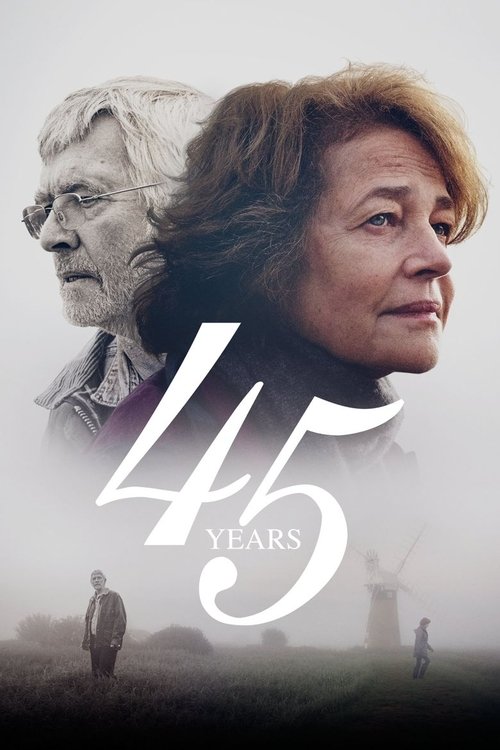
There is just one week until Kate Mercer's 45th wedding anniversary and the planning for the party is going well. But then a letter arrives for her husband. The body of his first love has been discovered, frozen and preserved in the icy glaciers of the Swiss Alps. By the time the party is upon them, five days later, there may not be a marriage left to celebrate.