No Trailers found.
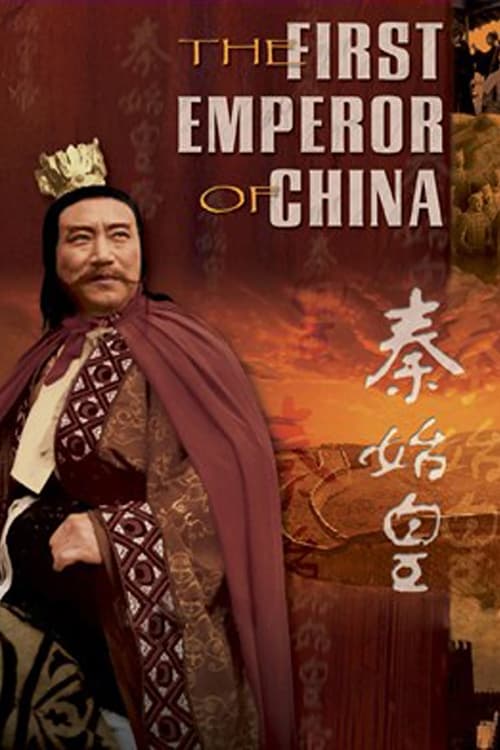
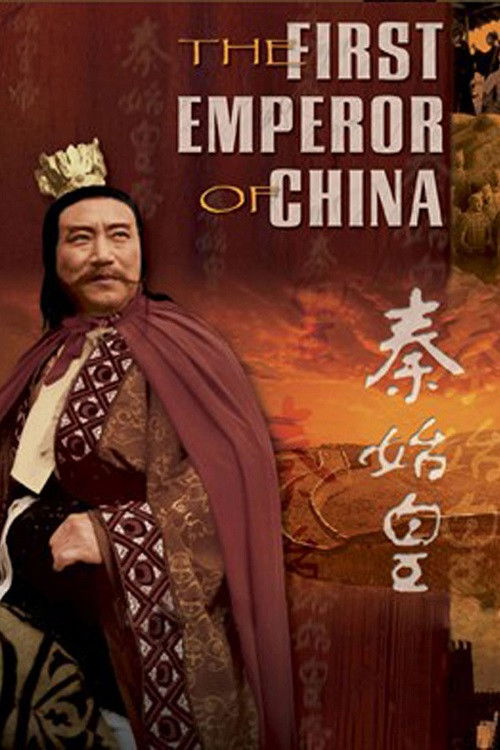
This historical drama tells the story of Qin Shihuang, who unified China's vast territory and declared himself emperor in 221 B.C. During his reign, he introduced sweeping reforms, built a vast network of roads and connected the Great Wall of China. From the grandiose inner sanctum of Emperor Qin's royal palace, to fierce battles with feudal kings, this film re-creates the glory and the terror of the Qin Dynasty, including footage of Qin's life-sized terra cotta army, constructed 2,200 years ago for his tomb.
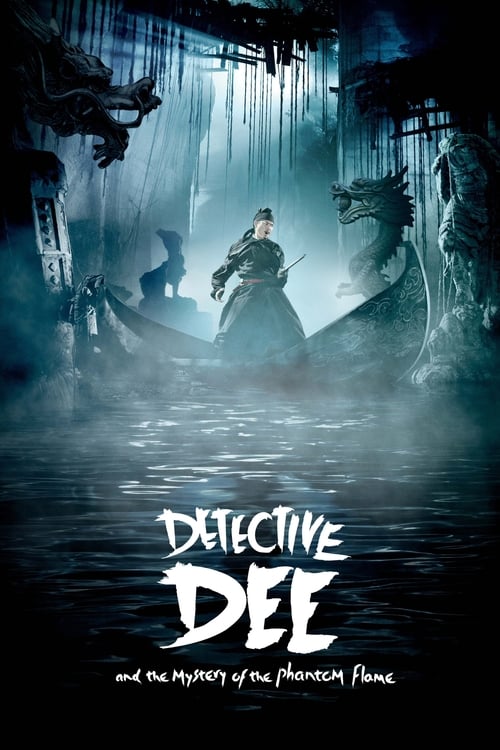
When the future empress Wu Zetian's two courtiers die in a mysterious fire, she gets Di Renjie, a former detective and rebel, released from prison to solve the mystery of the fire.
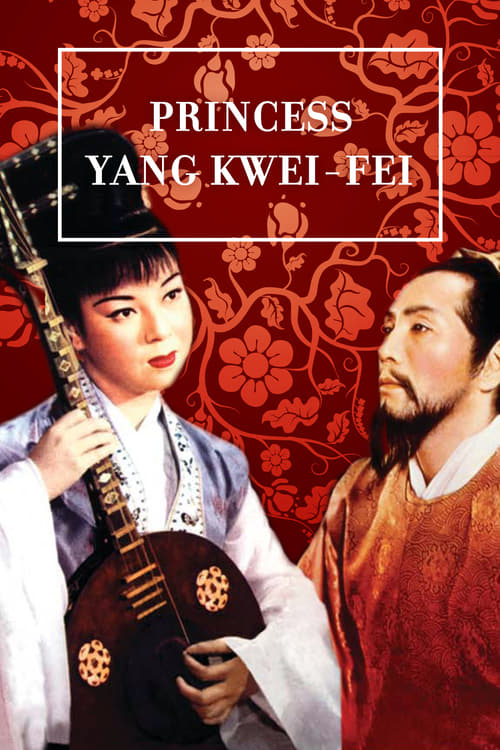
In 8th-century China, the Emperor grieves the death of his wife. The Yang family wants to provide the Emperor with a consort so that they may consolidate their court influence. General An Lushan finds a distant relative working in their kitchen, whom they groom to present to the Emperor. The Emperor falls in love and she becomes the Princess Yang Kwei-fei. The Yangs are then appointed important ministers, though An Lushan is not given the court position he covets.
Three years after the infamous Dragon Inn was burnt down in the desert when its innkeeper Jade vanished. A new gang of marauders had taken over - innkeepers by day and treasure hunters by night. The inn is the rumoured location of a lost city buried under the desert, and its hidden treasure would only be revealed by a gigantic storm every 60 years. The gang used the inn as a front to locate the lost treasure.
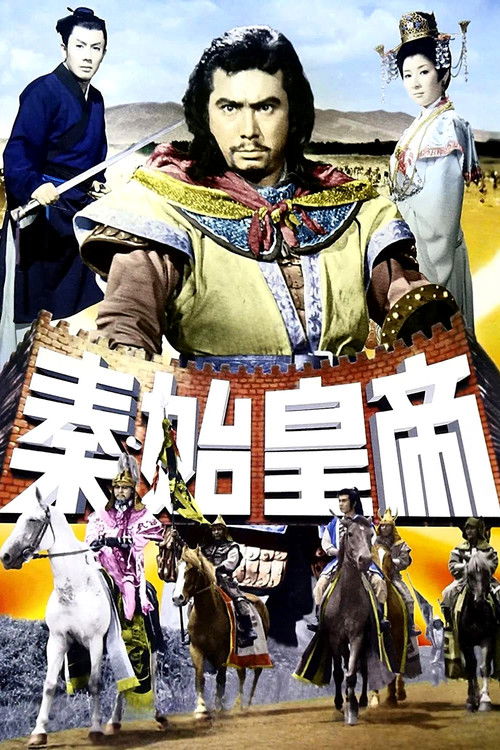
In 221 BC, Qin Shihuangdi conquered the rest of China. Qin's great accomplishments and also his serious faults are showed in this film. Qin adopted autocratic dictatorship and led a luxurious life: abolition of feudalism and the centralization of power in the form of a now-hereditary bureaucracy loyal to himself; burning books and burying scholars; the construction of a sumptuous palace for his concubines and also the Great Wall.
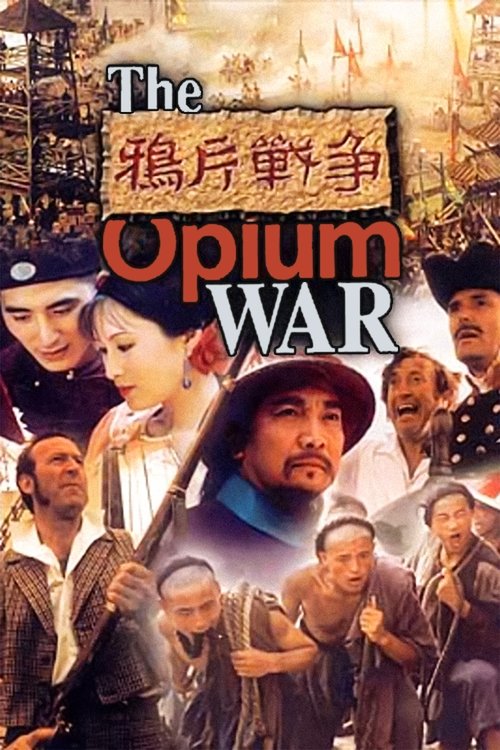
The story of the Opium War between China, in the waning days of the Qing Dynasty, and the British Empire, in the 1830s, and the subsequent takeover of Hong Kong by Britain; through the eyes of the key figures, fiercely nationalistic Lin Zexu, and opportunistic British naval diplomat Charles Elliot.
A young boy betrays his family who hides a refugee and tells the pursuer where the hiding-place is - just because he wants a valuable telescope for reward. His father decides to kill the boy in order to restore the honor of the family.
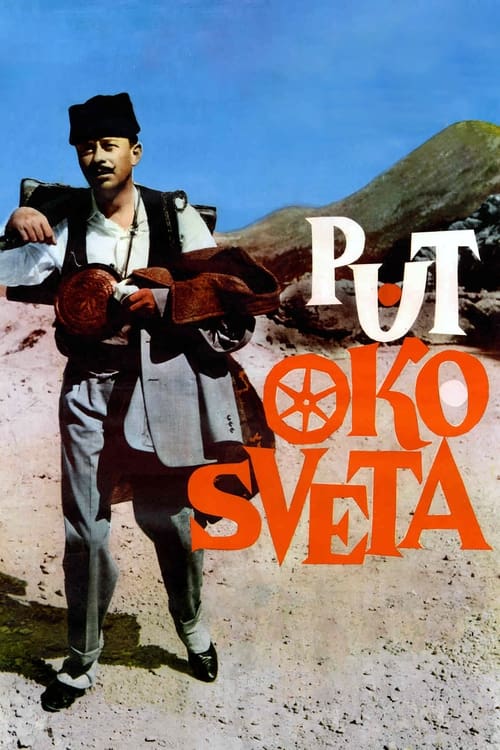
A highly fictionalized account of the first Serbian foreign-lottery winner - Jovanče Micić, a merchant from Jagodina who went on to travel the whole world in the company of his Hungarian mistress and Montenegrin friend with a wooden leg.
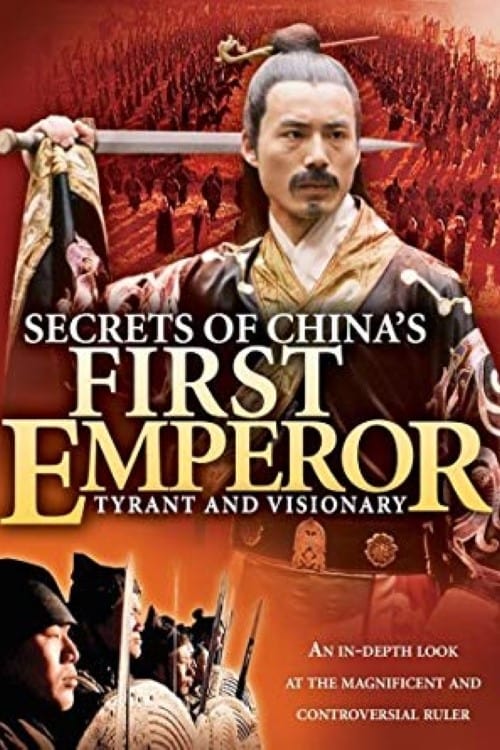
This biographical program illuminates the fascinating life of Qin Shi Huangdi, "The First Magnificent Emperor of Qin," a man considered both influential and controversial in Chinese history. The ancient emperor's long list of accomplishments includes planning the construction of China's first Great Wall, building the world's largest burial site guarded by the famous Terracotta Army and amassing the most expansive empire of his time.
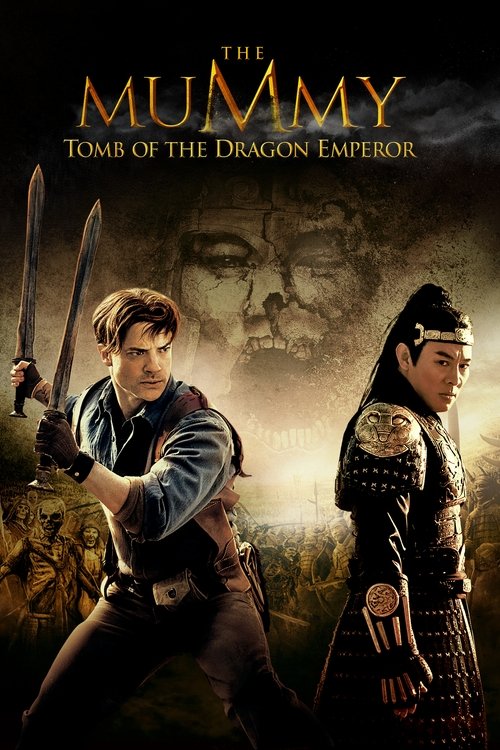
Archaeologist Rick O'Connell travels to China, pitting him against an emperor from the 2,000-year-old Han dynasty who's returned from the dead to pursue a quest for world domination. This time, O'Connell enlists the help of his wife and son to quash the so-called 'Dragon Emperor' and his abuse of supernatural power.
A kind-hearted fisherman, content with simple life, is reluctantly drawn into helping a noble emperor regain his throne from his evil brother.
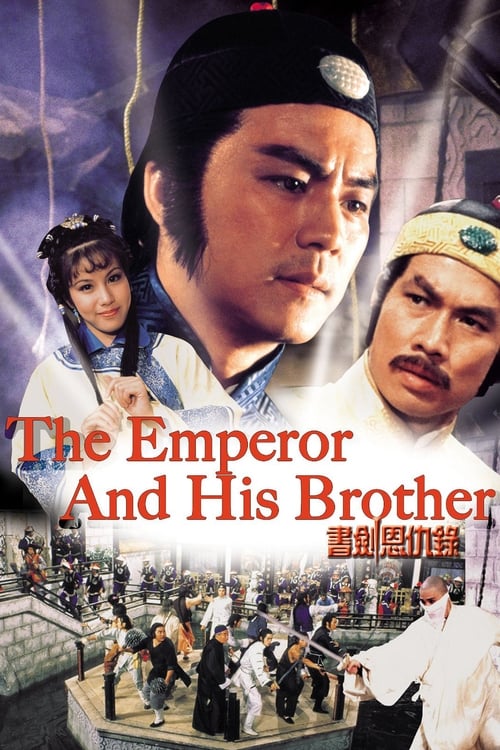
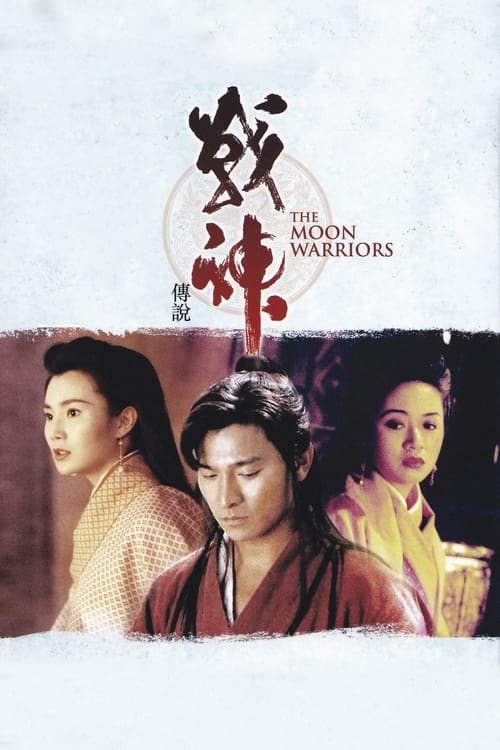
A mysterious warrior teams up with the daughter and son of a deposed Chinese Emperor to defeat their cruel brother, who seeks their deaths.
The tragic story of a Tang Dynasty imperial consort who was the favorite of the Emperor Xuanzong.
An emperor becomes bored with palace life and enters the outside world to discover social injustice, suffering, and sex.
The war units of the Hun Emperor Mete Han and the Chinese Emperor Gao-Zu, the father of the turan tactic used by the Turks for centuries, come face to face in the Battle of Baideng. The war genius Mete Han was going to surround the Chinese with an unexpected war tactic and inflict a heavy defeat on them.
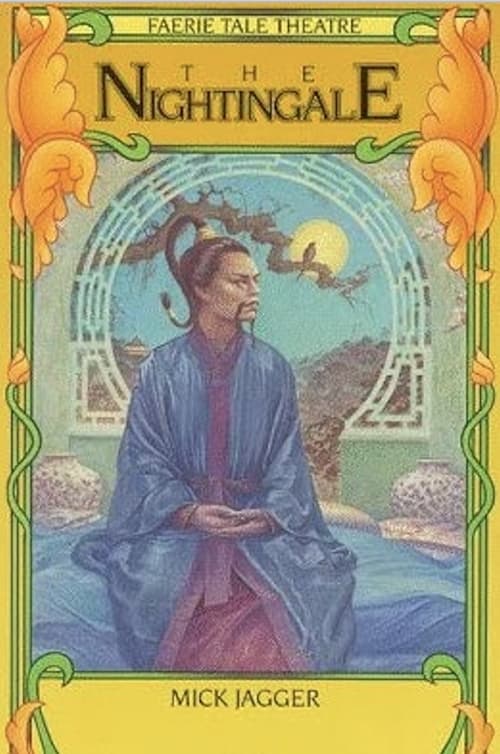
A Chinese emperor is gladdened by the song of the nightingale and is moved to play his own song. One day the Japanese send a music box with a mechanical bird; the nightingale feels rejected and leaves. Soon the clockwork breaks down, and the emperor dispatches his crow to go look for the songbird. The emperor, meanwhile, grows sicker with the passing months.
A kitchen maid and a nightingale help save an emperor with the power of song and friendship.
Docu-drama profiling Ying Sheng, the first Emperor of China. Charting the life of the man who unified China, this documentary begins with the future Emperor's rise to power after the death of his father, becoming King of Qin at the age of thirteen. Mostly told through the use of re-enactments, the story continues to the present day and the discovery of the Emperor's tomb and terracotta army in 1974.
In trouble with the local authorities, Mabel Simmons, notoriously known as Madea, is on the run from the law. With no place to turn, she moves in with her friend Bam who is recovering from surgery. Unbeknownst to Bam however, Madea is only using the "concerned friend" gag as a way to hide out from the police.
Lightning streaks through the skies as Dalila declares her love to Samson in one of the finest arias of romantic opera. “My heart awakens to your voice like a flower to the kiss of dawn.” An enchanting yet treacherous beauty… When the thunder at last rumbles, Dalila betrays Samson and offers him up to his enemies: “Come up, for this time he has shown me all his heart”, she whispers to them in the night (The Old Testament, Book of Judges). Based on a violent and erotic biblical story, Saint-Saëns’s opera – composed in 1877, much to Liszt’s insistence – would not be performed at the Palais Garnier until fifteen years later. This first Parisian performance in 1892 included the hitherto unperformed “Dance Of The Priestesses”. Nevertheless, it became one of the most performed French operas in the world, together with Faust and Carmen. Conducted by Philippe Jordan, this new production brings back a repertoire masterpiece that has not been performed at the Paris Opera for twenty-five years.