Early Balkan footage.
No Trailers found.
No Cast found.
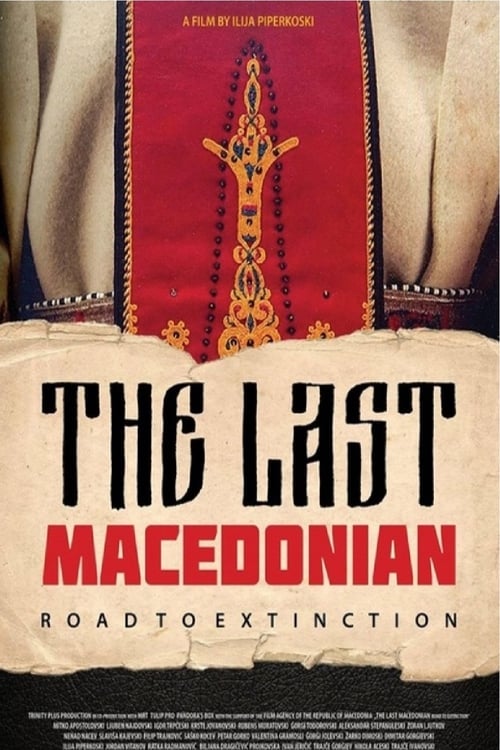
This is a documentary film about the land and people which will never restore their power of the past. A story about negations and many historical moments are enveloped in the veil of secret. Through the modern personalities and archives "The Last Macedonian from Macedonia" approaches to the truth revealing the never spoken moments and linking the past, present, but also the future. The film was shot on locations in Bitola and its surroundings.
A documentary about the Balkan country.
In 200,000 years of existence, man has upset the balance on which the Earth had lived for 4 billion years. Global warming, resource depletion, species extinction: man has endangered his own home. But it is too late to be pessimistic: humanity has barely ten years left to reverse the trend, become aware of its excessive exploitation of the Earth's riches, and change its consumption pattern.
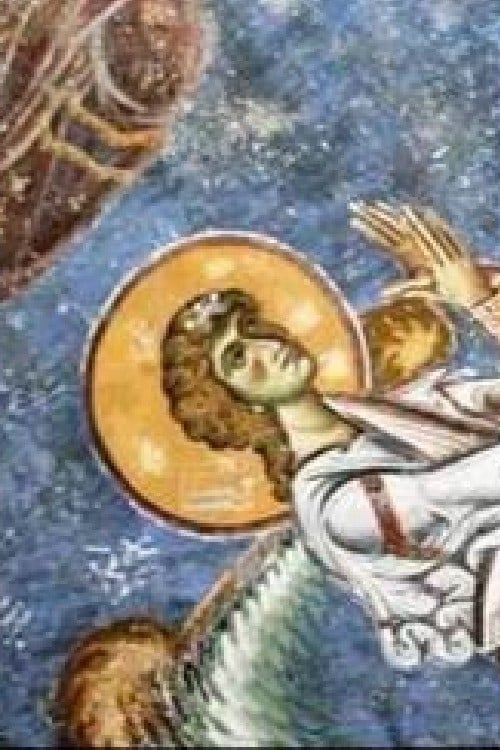
Documentary about frescoes to be found in several churches in Macedonia.
This film was made on the occasion of the celebration of the 20th anniversary of the Ilinden (St. Ellias Day) Rebellion. This panoramic film depicts the most significant historic figures and places situated in the Aegian, Pirin and Vardar regions.
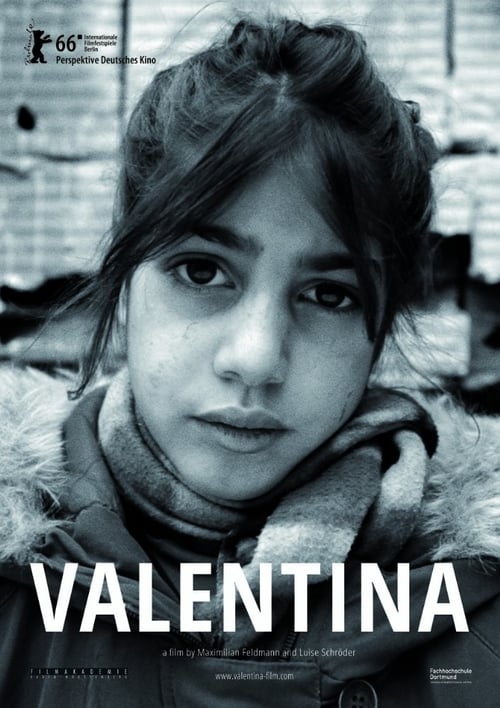
Valentina lives among her extended family in the poor quarters of a Roma neighbourhood in Skopje, Macedonia. The ten-year-old girl is a tomboy and a highly gifted storyteller. To its charismatic heroine, the film is a roaming companion. Via quirky anecdotes, surreal daydreams and painful memories, Valentina introduces us to her family.
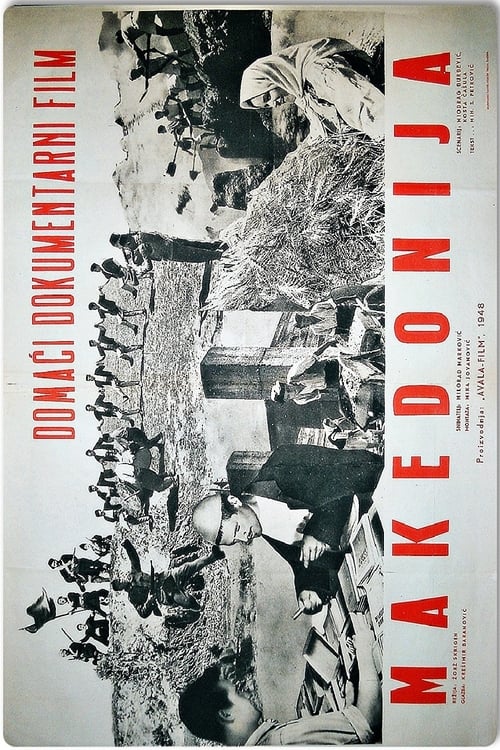
A group of Macedonian women are shown hard at work.
RROMANI SOUL traces the true origin of the Rroma people. Through rituals, song and dance we follow emblematic figure and "Queen of the Gypsies" Esma Redzepova to Macedonia, south of France and finally to India. The film reveals for the first time ever that the true and unique origin of the Rroma is Kannauj in Uttar Pradesh, India.
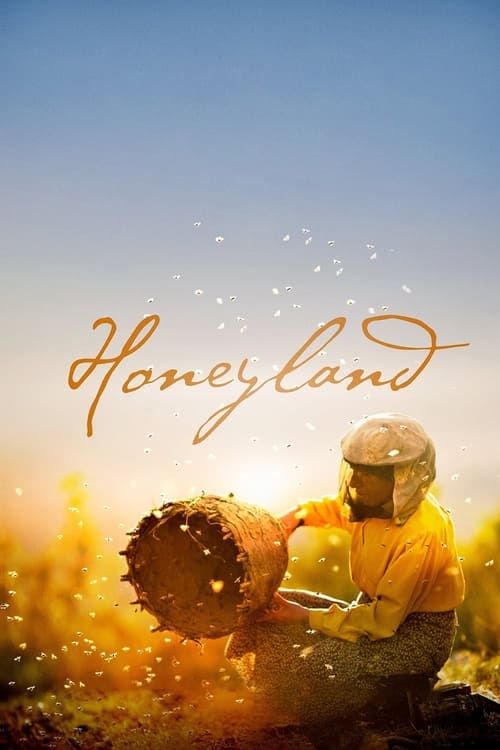
When nomadic beekeepers break Honeyland’s basic rule (take half of the honey, but leave half to the bees), the last female beehunter in Europe must save the bees and restore natural balance.
The natural beauties of Ohrid Lake, the old town and bazaar showing the architecture and archaeological excavations.
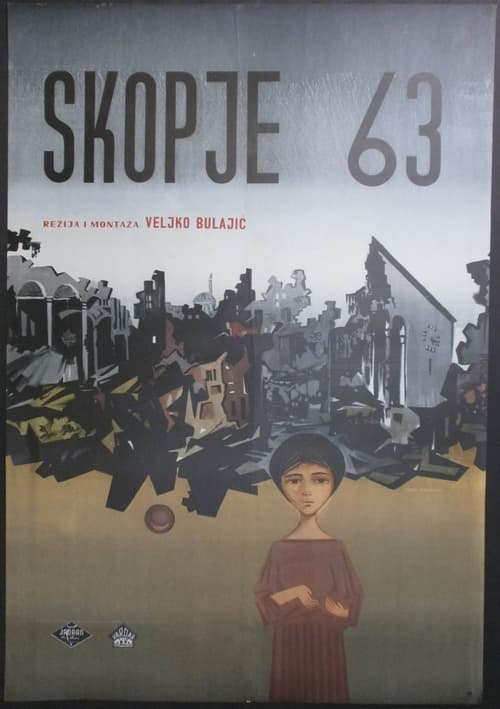
"Skoplje '63" is a 1964 Yugoslavian documentary film directed by Veljko Bulajić about the 1963 Skopje earthquake (Skoplje, per film title, is the Serbo-Croatian spelling of Skopje). The filming started three days after the earthquake and lasted for four months. After that, Bulajić spent 12 months editing the footage at Jadran Film studios.
Godina was ordered to make a short film glorifying the army, but instead made a film about making love, not war. The censors hacked it up, but he managed to save one complete copy.
The water is a metaphorical view of life in the drought of the people living in Pustec by Prespa Lake.
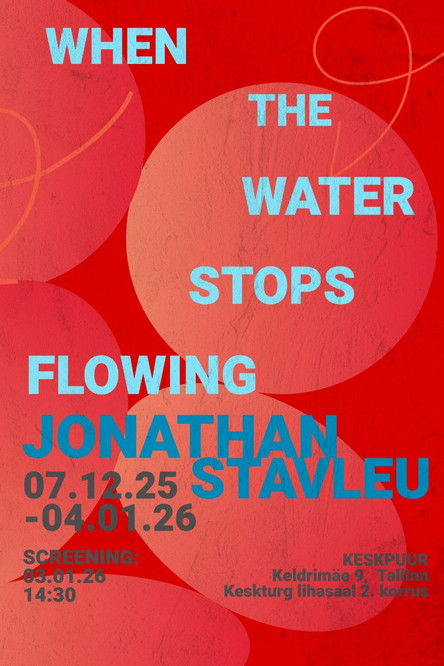
Jonathan Stavleu explores, in a stream-of-consciousness video essay, the relationship people have with water and what happens when access to it is taken away. For this work, he examines anecdotal histories he has heard from Estonians, as well as stories from his own family history in the Netherlands, weaving them together into a journal-like narrative.
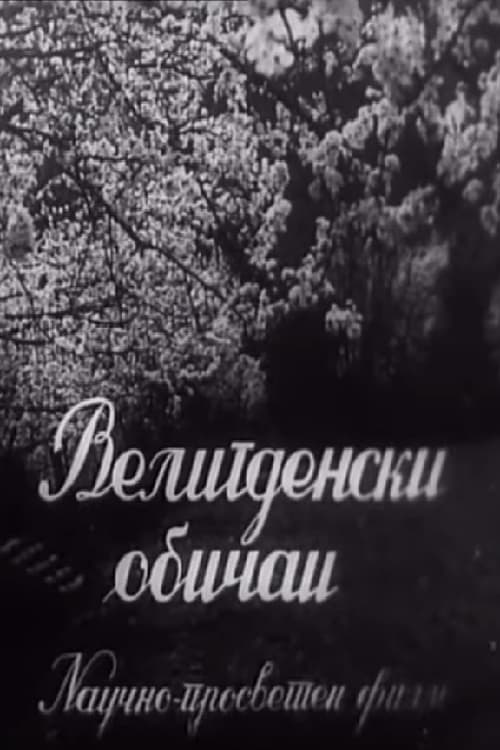
Traditions during Easter holidays in the remote village of Grešnica. The film was a research project of the newly opened Ethnological Museum to preserve the disappearing customs at least on film for future generations.
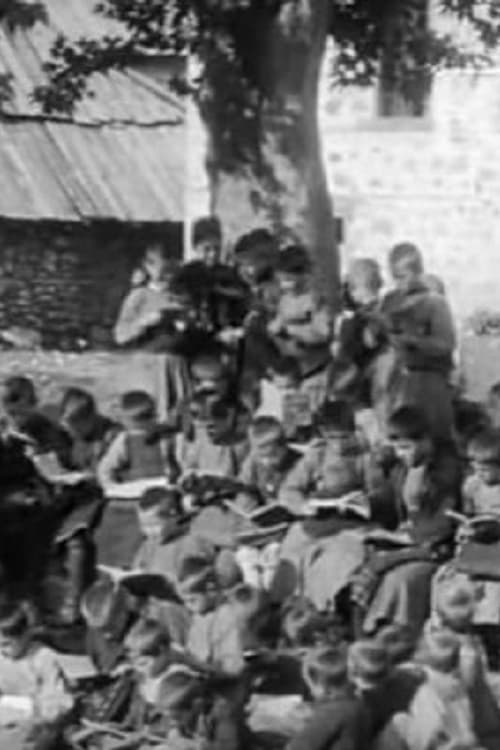
A schoolclass in seen outside in Macedonia.
An 18-minute panoramic film showcasing the grandeur, charm and romance of one of Europe’s most enchanting countries.
A travel documentary about the ship "Macedonia" which sets sail from the port of Rijeka, travels along the Mediterranean Sea stopping at Alexandria, Genova, Marseilles, Algiers and arrives at the final destination in New York.
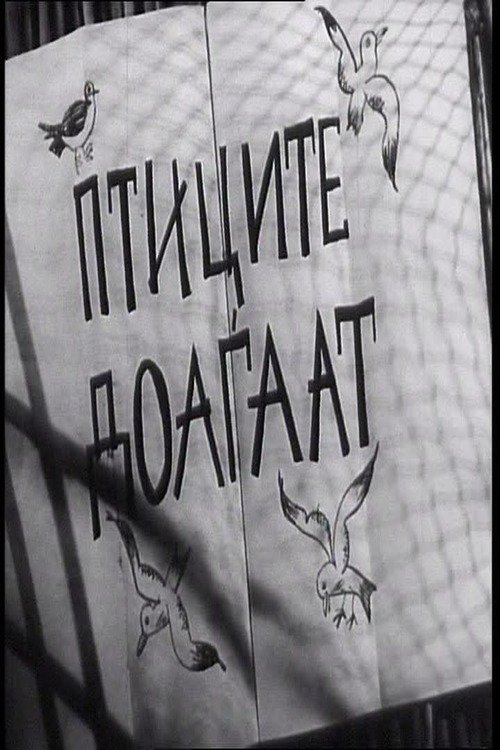
A feature-documentary story about the way of fishing on Lake Dojran, with the help of cormorant birds. It talks about the connection between people and birds that are the best workers and irreplaceable assistants to fishermen. When the birds are gone, the fishermen are sad, but when the birds come, the fishing can begin.