Early Balkan footage.
No Cast found.
No Trailers found.
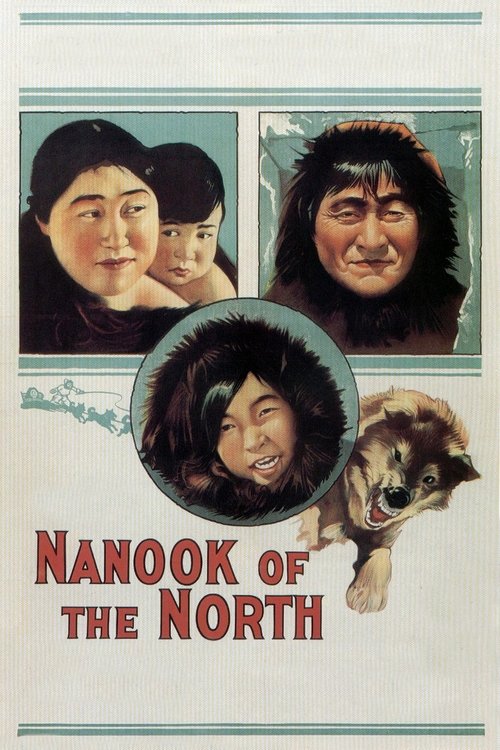
This pioneering documentary film depicts the lives of the indigenous Inuit people of Canada's northern Quebec region. Although the production contains some fictional elements, it vividly shows how its resourceful subjects survive in such a harsh climate, revealing how they construct their igloo homes and find food by hunting and fishing. The film also captures the beautiful, if unforgiving, frozen landscape of the Great White North, far removed from conventional civilization.
Tells the life story of a grain of wheat In Casselton, North Dakota.
A day in the city of Berlin, which experienced an industrial boom in the 1920s, and still provides an insight into the living and working conditions at that time. Germany had just recovered a little from the worst consequences of the First World War, the great economic crisis was still a few years away and Hitler was not yet an issue at the time.
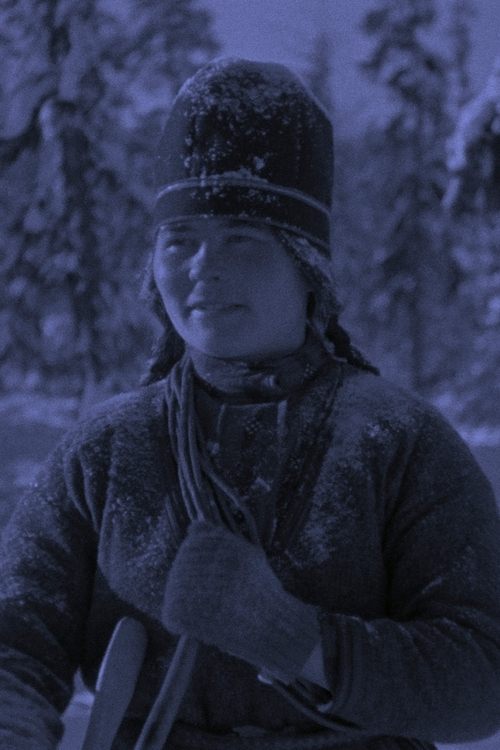
Everyday wintertime life of Sámi reindeer herder Inka Länta and her family, mingling authentic and fictionalized takes.
On 18th of December 2017, the Filarmonica Teatro Regio Torino, directed by Timothy Brock, presented "The Gold Rush" by Charles Chaplin, with live performance of the soundtrack. But let's go back a few days: this short film takes us in the backstage of the concert!
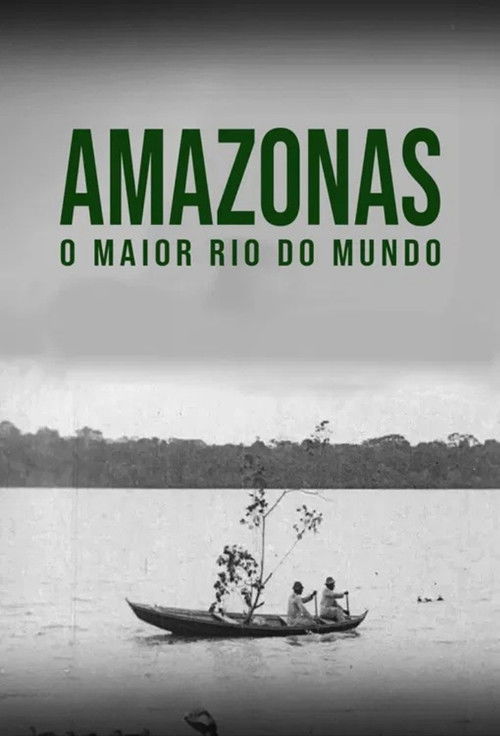
Documentary by Portuguese Silvino Santos, about the Amazon, its flora, fauna, its inhabitants and among other wonderful images from the beginning of the 20th century with alternating close-up shots of caimans, jaguars and tropical flora with footage of Indigenous rituals--including some of the earliest known moving images of the Indigenous Witoto people--and longer sequences showcasing the region’s extractive industries: rubber, the Brazil nut, timber, fishing, even the egret feathers that were a staple of women’s fashion at the time.
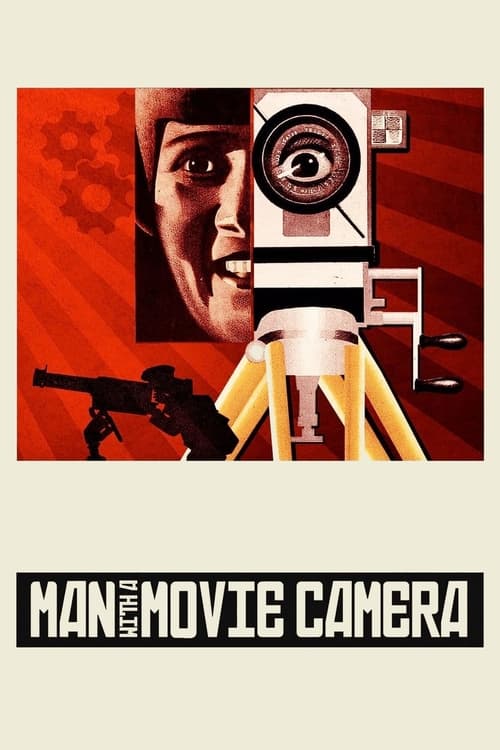
A cameraman wanders around with a camera slung over his shoulder, documenting urban life with dazzling inventiveness.
Short documentary released in 1907.
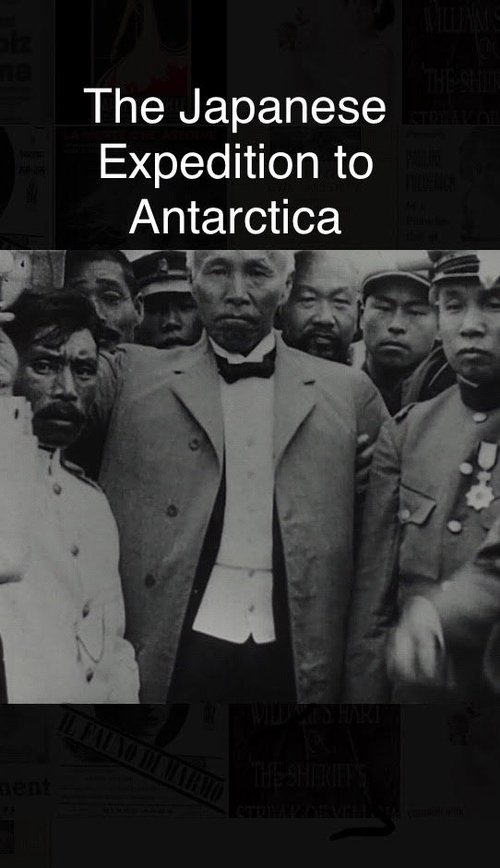
Footage shot during Japanese Army Lieutenant Nobu Shirase’s second Antarctica expedition.
The world appears black on black until it separates from itself, looks at itself, includes itself, and sees colour.
Surfing at Waikiki Beach, Hawaii, on the island of Oahu. Most surfers are human, one is a dog. The educational documentary is part of the Bruce Scenic Novelties series.
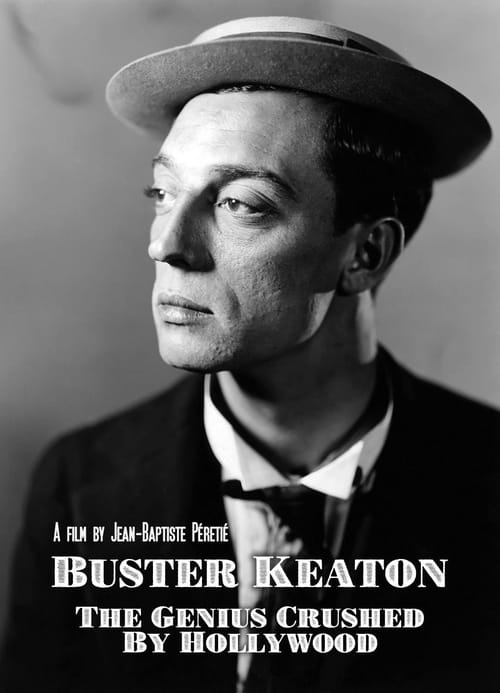
In 1926, Buster Keaton was at the peak of his glory and wealth. By 1933, he had reached rock bottom. How, in the space of a few years, did this uncontested genius of silent films, go from the status of being a widely-worshipped star to an alcoholic and solitary fallen idol? With a spotlight on the 7 years during which his life changed, using extracts of Keaton’s films as magnifying mirrors, the documentary recounts the dramatic life of this creative genius and the Hollywood studios.
A method soldier boys have for amusing themselves in their leisure moments. New comrades are frequently initiated by the old-fashioned sport of tossing in a blanket. The newly arrived recruit, who is the victim of their sport, enjoys himself, perhaps, less than the other participants.
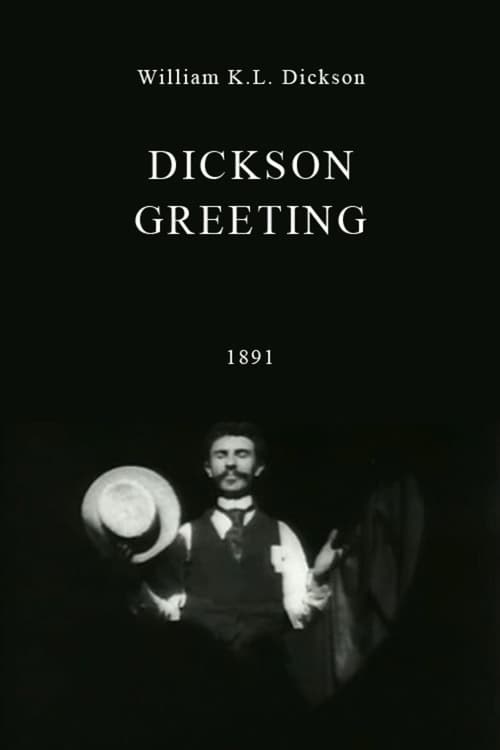
William K.L. Dickson brings his hat from his one hand to the other and moves his head slightly, as a small nod toward the audience. This was the first film produced by the Edison Manufacturing Company to be shown to public audiences and the press.
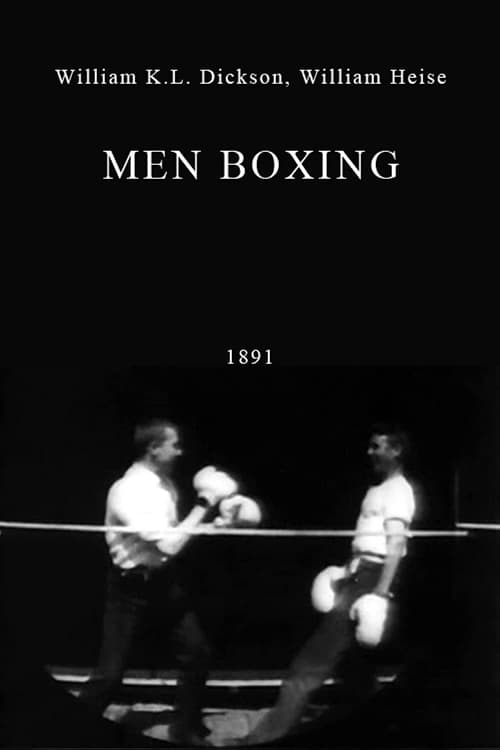
Experimental film fragment made with the Edison-Dickson-Heise experimental horizontal-feed kinetograph camera and viewer, using 3/4-inch wide film.
Cameras go behind the scenes at Brown's, London's oldest luxury hotel, during the Christmas season, as staff face the expectations of delivering a luxury festive stay for guests booking rooms that start at £750 a night. The hotel's elite team hosts a vibrant charity Christmas fayre, creates imaginative festive pastries, and concocts a signature holiday cocktail, all aimed at delivering the Christmas feast of a lifetime.
This 10-minute short documentary exploring the shifting state of the American poultry industry was preserved in 2015 from an original nitrate print. More information is available on the film's page in the National Film Preservation Foundation's website, where this version can be found featuring original music by Michael D. Mortilla.
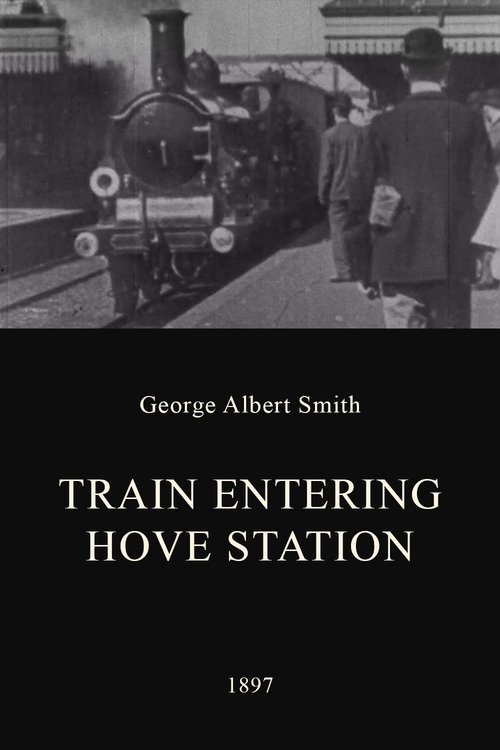
Most movie fans know that the first filmmakers liked to shoot trains entering stations. This example by Sussex film pioneer George Albert Smith illustrates why. The train's rush towards the audience brings movement and visual drama. The flurry of human activity offers plenty for the audience to engage with - who are these people and where are they going? And the time pressure exerted by the fact that the train must soon depart adds narrative tension - will everyone get on and off in time?
If you've ever seen Motor Officers handle their heavy-weight cruisers with the ease of a child's toy and wondered in amazement how they do it, wonder no more. This DVD will show you how to use the 3 simple Motor Officer techniques the cops have been trained in for more than 60 years. Until now, these training secrets have not been available to the general public. I have developed a simple step by step procedure that will allow you to master the 3 Motor Officer techniques in just 3 to 4 hours. I know my step by step plan works because I've put hundreds of students through the exact course you'll see on this DVD. I use a modified version of the Police Motor Officer course that can be mastered in just 1 day. Even riders with 20 years of experience will improve their skills by 100%. I'll even show you the tricks to passing your State motorcycle endorsement test.
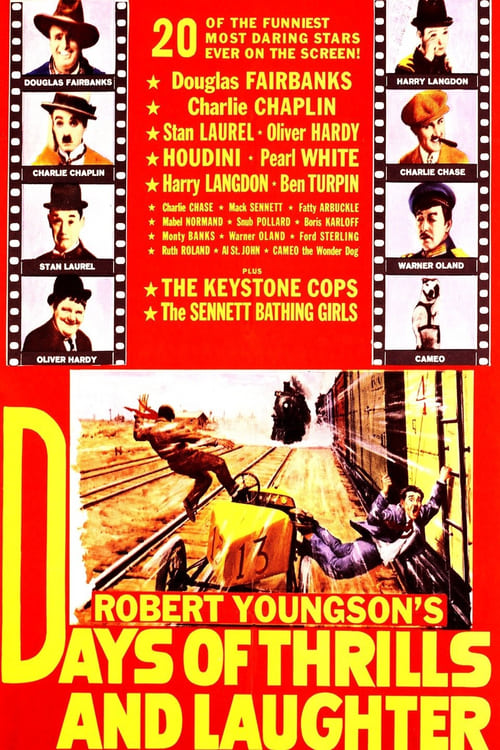
An appreciative, uncritical look at silent film comedies and thrillers from early in the century through the 1920s.