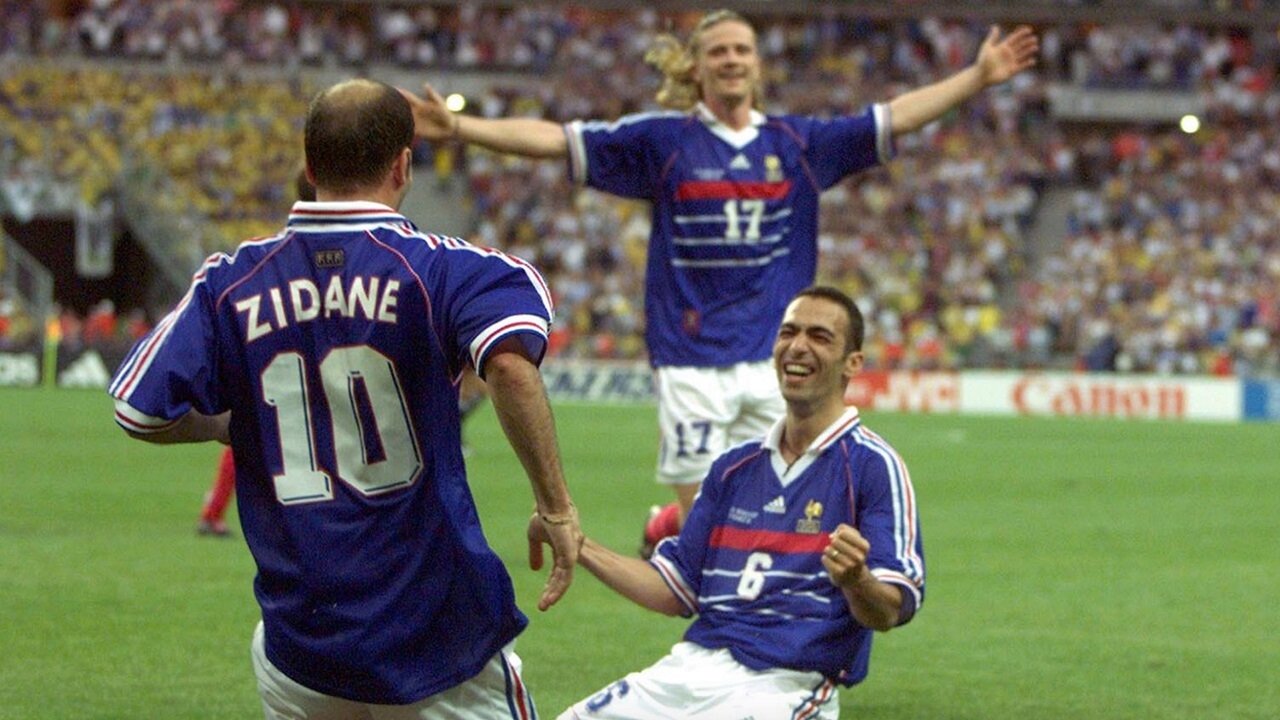
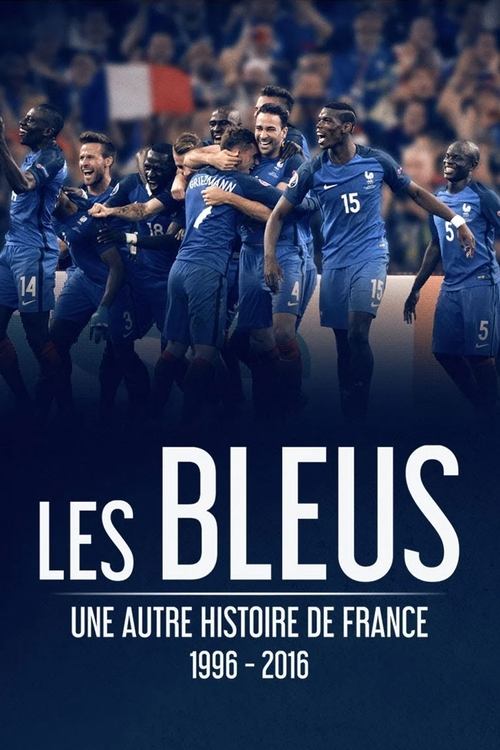
This documentary charts 20 years of the French national soccer team, Les Bleus, whose ups and downs have mirrored those of French society.
Self
No Trailers found.
Dramatization of the time around the first Danish Social Democrats and the Battle of Fælleden. A social blockbuster produced for AOF.
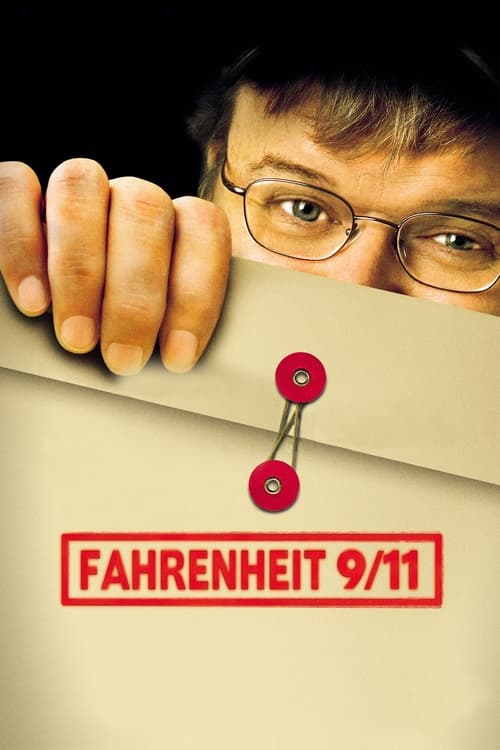
Michael Moore's view on how the Bush administration allegedly used the tragic events on 9/11 to push forward its agenda for unjust wars in Afghanistan and Iraq.
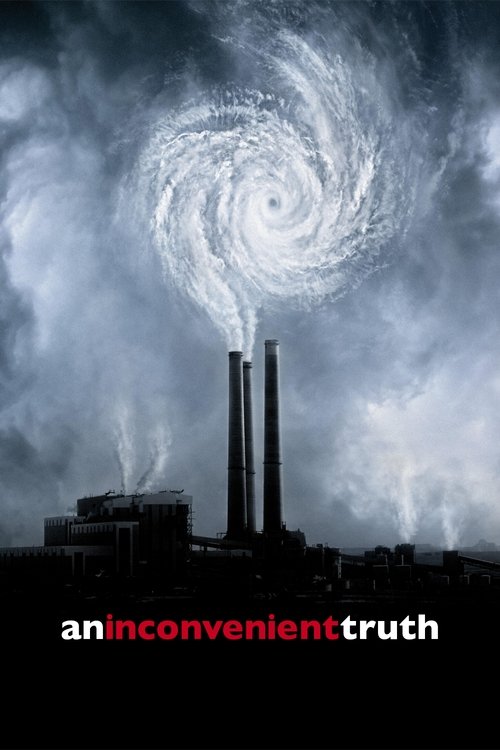
A documentary on Al Gore's campaign to make the issue of global warming a recognized problem worldwide.
Five women veterans who have endured unimaginable trauma in service create a shared sisterhood to help the rising number of stranded homeless women veterans by entering a competition that unexpectedly catalyzes moving events in their own lives.
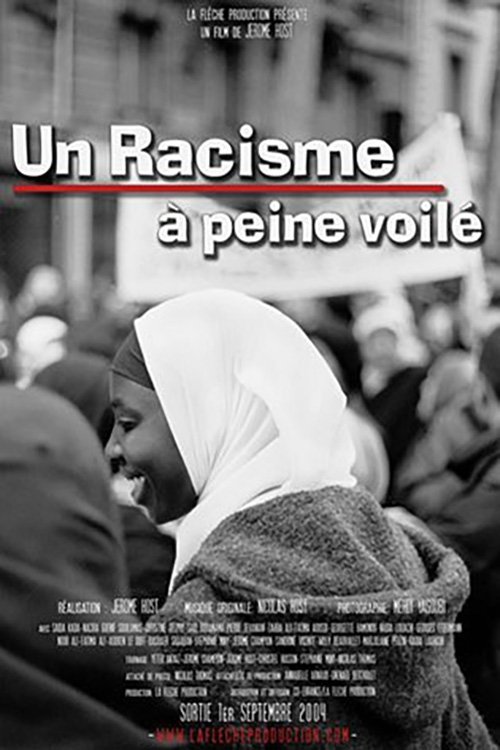
October 2003, Alma and Lila Levy are excluded from the Lycée Henri Wallon in Aubervilliers solely because they were wearing a headscarf. What follows is a deafening political and media debate, justifying in most cases the exclusion of girls wearing head-scarves to school. February 2004, a law was eventually passed by the National Assembly. "A thinly veiled racism" is about this controversy since the affair of Creil in 1989 (where two schoolgirls were excluded for the same reasons) and attempts to "reveal" that maybe what hides behind is the desire to exclude these girls. This film gives them a voice as well as others - teachers, community activists, feminists, researchers - gathered around the group "A School for You-All" fighting for the repeal of this law they consider sexist and racist ... This movie was censured in Septembre 2004 in France.
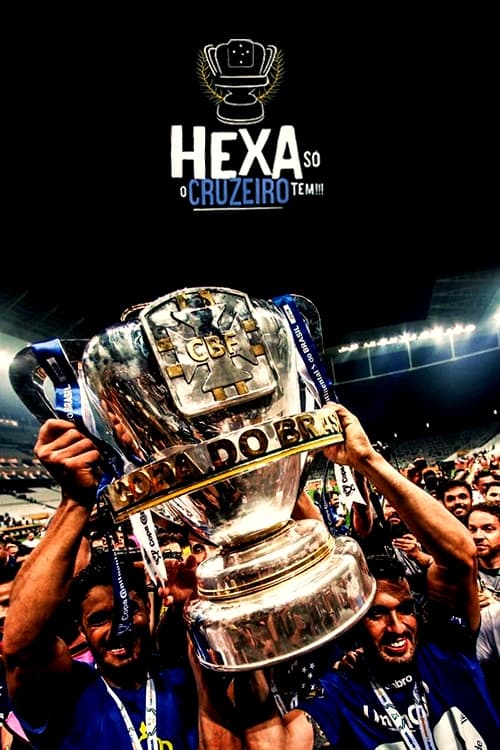
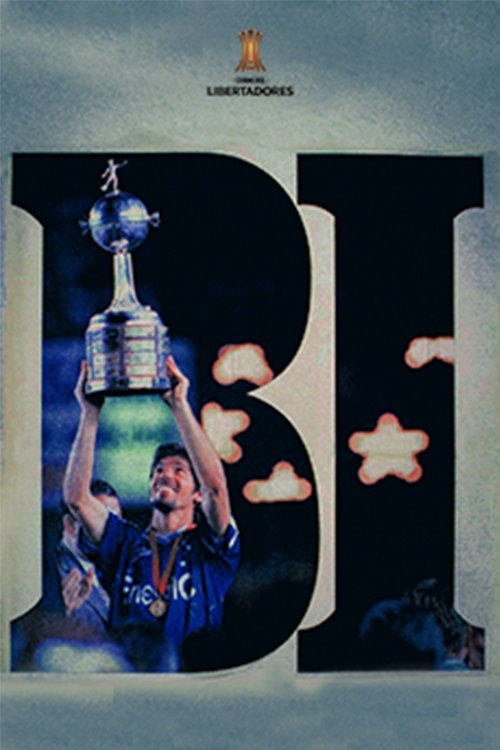
Follow all the behind the scenes of Cruzeiro Esporte Clube's conquest and celebration of the Sixth Brazilian Cup. Unpublished images and testimonies of the club's tenth national title.
No overview available.
At a similar pace to that at which German football coach Jürgen Klopp won over the whole of Germany with his charisma and conviction for the then still unknown style of full-throttle football, he is now conquering England's traditional heart of football with Liverpool FC. In parallel with the Reds' rise as a top European team, Klopp's authentic and emotional approach to the national footballing shrine of Anfield has won him all-round respect and enormous popularity on the Mersey and among Liverpool's nationwide fanbase.
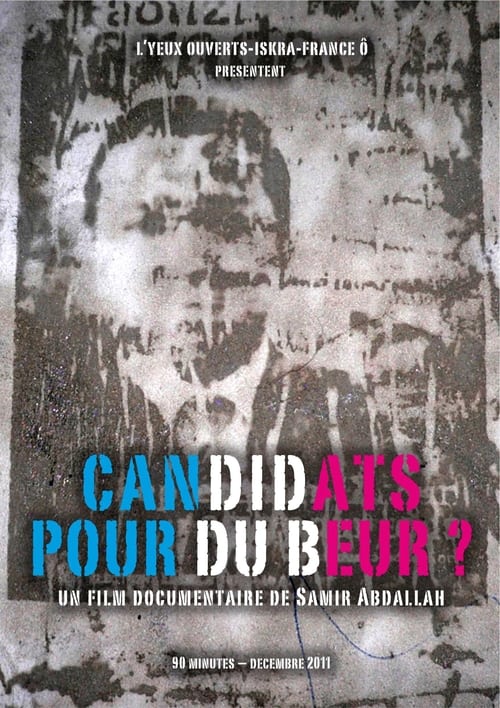
Looking back at the history of the struggle for true equality, we follow the daughters and sons of immigrant workers who have been nominated as candidates representing "diversity" in various election campaigns since the 2007 presidential election. On the ground, through meetings, debates, and more "intimate" encounters with candidates and actors from past struggles, a great diversity of thought emerges. But they all have the same goal: not to be just "candidates for Beurs." With many activists from working-class neighborhoods, from Clichy-sous-Bois to Marseille, via Roubaix, and candidates Mouloud Aounit, Kamel Hamza, Faouzi Lamdaoui, Halima Boumedienne, Omar Slaouti, Samia Ghali, Karim Zeribi, Rama Yade, and others... Will these "new faces" of the Republic be in the picture when the votes are counted, or will they simply be "candidates for the Beurs"?
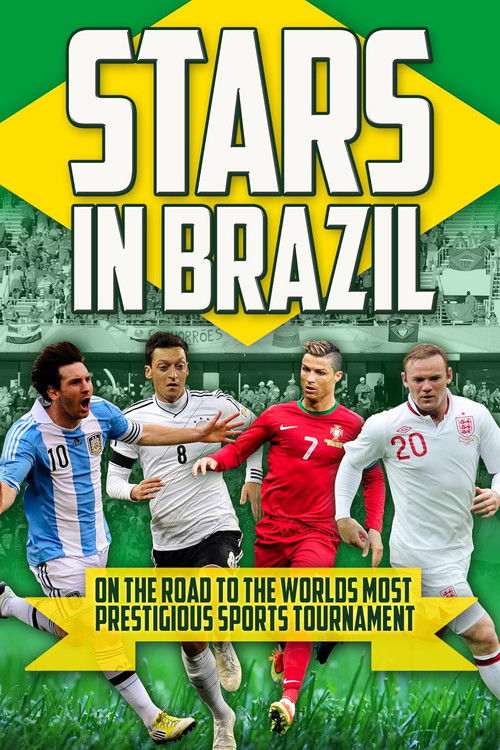
The ultimate guide to the players on the road to Rio. Ahead of the world football tournament in June & July, Stars in Brazil celebrates ten of the world’s most talented players on the road to Rio. From Cristiano Ronaldo’s breathtaking skills to the brillance of Wayne Rooney, Stars in Brazil offers detailed player profiles, fantastic footage and exclusive interviews with football experts.
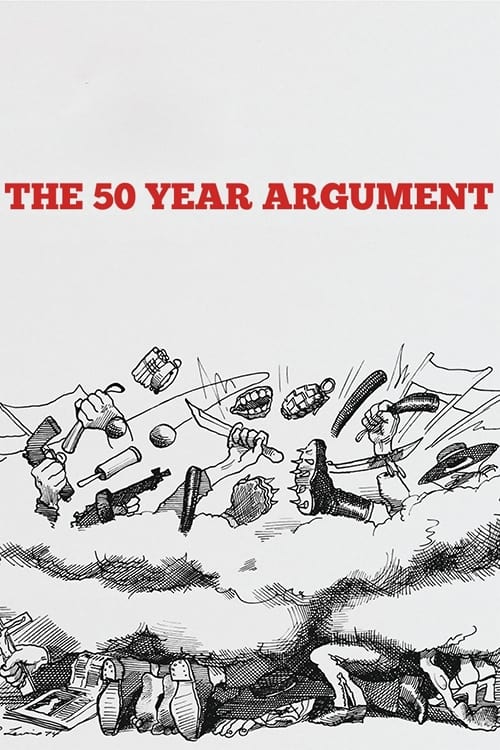
Follows the waves of literary, political, and cultural history as charted by the The New York Review of Books, America’s leading journal of ideas for over 50 years. Provocative, idiosyncratic and incendiary, the film weaves rarely seen archival material, contributor interviews, excerpts from writings by such icons as James Baldwin, Gore Vidal, and Joan Didion along with original verité footage filmed in the Review’s West Village offices.
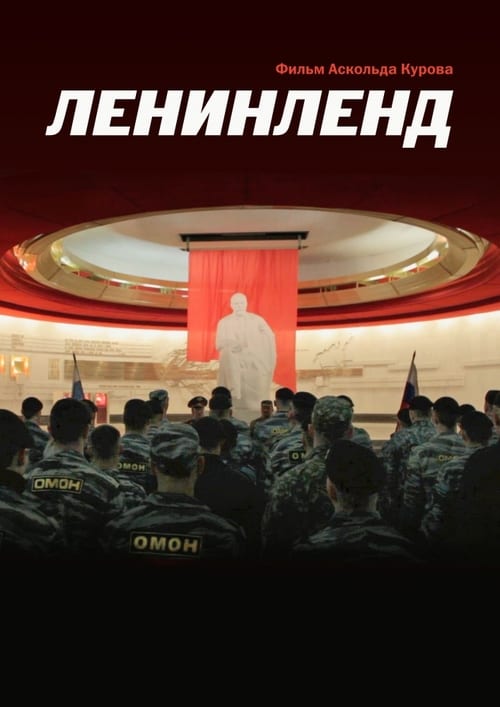
At the peak of Perestroika, in 1987, in the village of Gorki, where Lenin spent his last years, after a long construction, the last and most grandiose museum of the Leader was opened. Soon after the opening, the ideology changed, and the flow of pilgrims gradually dried up. Despite this, the museum still works and the management is looking for ways to attract visitors. Faithful to the Lenin keepers of the museum as they can resist the onset of commercialization. The film tells about the modern life of this amazing museum-reserve and its employees.
A documentary about rap artists from Ceilândia, a satellite-city of Brazil capital, Brasilia. The film portrait the struggle of the lives of the rapers and makes a parallel with the violent building of the city designed to settle the outcast from Brasilia after its completion.
The documentary Schwarze Adler (Black Eagles) lets black players of the German national football team tell their personal stories for the first time. What road did they take before they got to where we cheer for them? What hurdles did they have to overcome? What prejudices and racist hostility were they exposed to – and what was it like in the past, what is it like today?
A portrait of Austria captured with a broken camera, accompanied by an enhanced and AI-generated version of the national anthem.
The resurrection of Zambia's national football team after losing 18 players in a plane crash in Gabon in 1993. A 18-year road of reconstruction until destiny makes its move: in Gabon, Zambia becomes African Champion after a long 18 penalty-shoot-out.