Combines animation and documentary footage to illustrate the origins and impact of the musical genres Bomba and Plena in Puerto Rican culture.
No Trailers found.
No Cast found.
At least we're alive. Humberto.
Documentary on the mass sterilization of Puerto Rican women during the 1950s and '60s.
Artificial intelligence is taking on different roles in the filmmaking space. The questions we must ask ourselves are: what are the pros and cons of this advancement? How can we work with it, and what power do we have as human beings in the face of this technology?
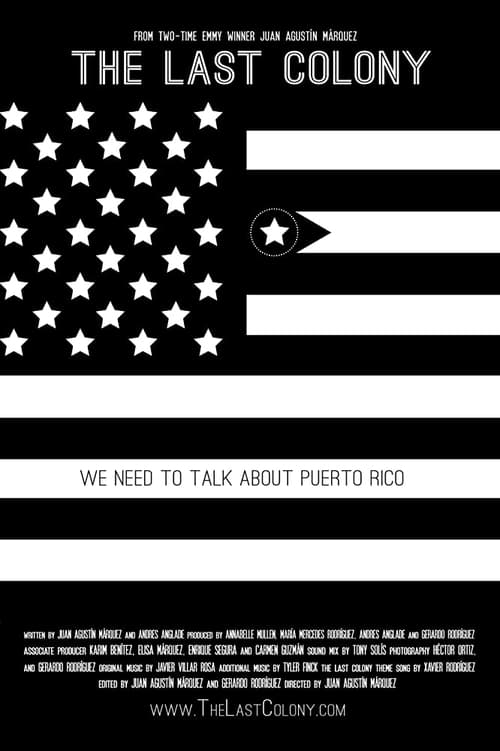
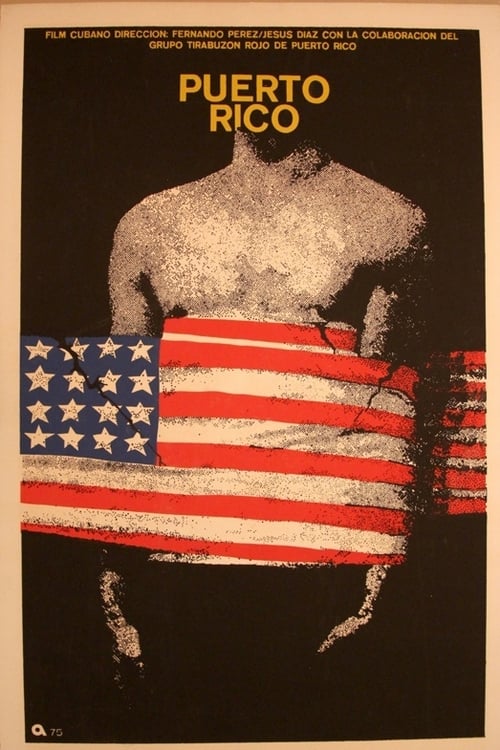
A close look at Puerto Rico's unique relationship with the United States.
Carmen accompanies a group of women who must travel from the island of Vieques to San Juan, capital of Puerto Rico, in order to perform breast biopsies. The long journey is by water and road. Amid many fears and vicissitudes, Carmen confirms once again the need for appropriate medical services for both women and for the rest of the Vieques population.
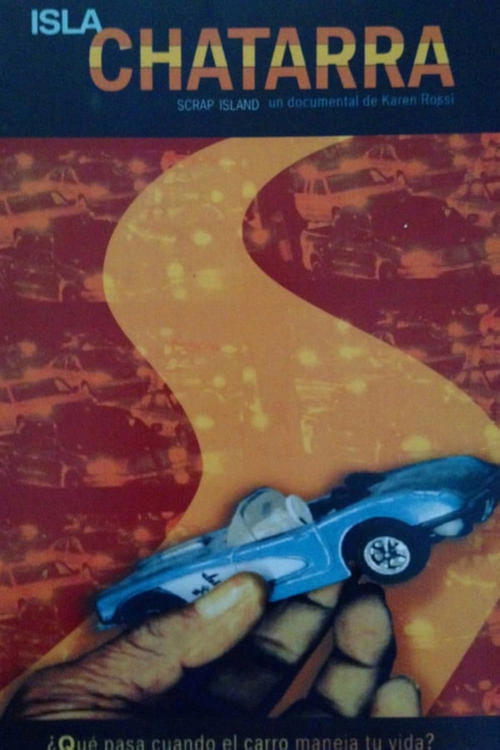
Isla chatarra describes the phenomenon of the ubiquity of automobiles in Puerto Rico. The island measures slightly less than 9,000 square kilometers, but has 25,000 kilometers of paved road, one of the highest proportions in the planet. Puerto Rico is one of the countries with the largest number of vehicles per kilometer (of road) and third in the world in number of cars per 1,000 inhabitants. The film was produced with the idea to raise consciousness and create a dialogue about the ongoing situation of our dependence on cars. It also shows the dangerous circumstances of an island that is slowly being covered by scrap metal.
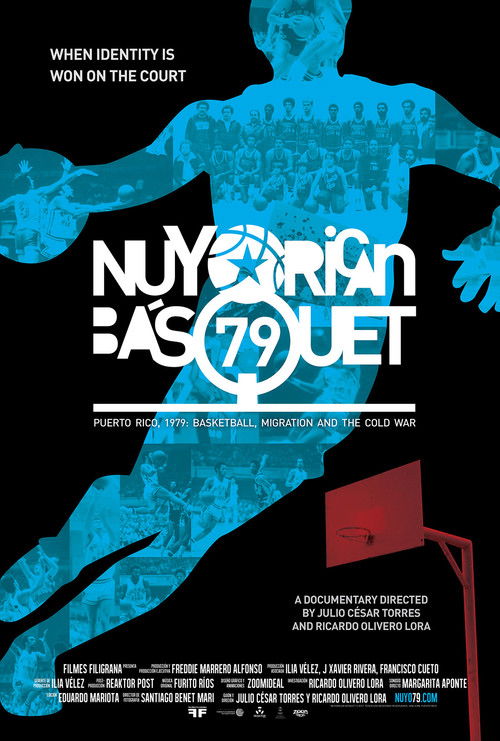
The story of the basketball players that represented Puerto Rico at the San Juan's 1979 Pan Am Games.
La otra educación (The Other Education) is about the class action suit Rosa Lydia Velez vs the Department of Education, and serves as the storyline to document 30 years of struggles that the families of disabled children in Puerto Rico have suffered. Their only request is the right to an education for their sons and daughters with special needs.
Through dramatization and interviews with her colleagues, this film captures the life and work of famed Puerto Rican poet Mercedes Negrón Muñoz (also known as Clara Lair).
Documentary about how the arrival of the railway industry impacted Puerto Rican culture economically, socially, and humanistically during the first half of the 20th century. It includes photos by Jack Delano, among others, and scenarios to reconstruct the experience of what could have been the last trip made by train from San Juan to Ponce in 1953.
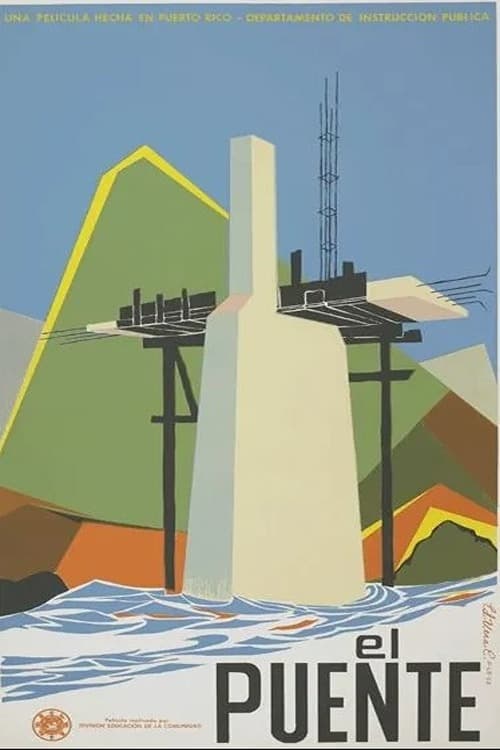
The efforts of a community to build a bridge which would allow their children to go school during the rainy season.
Explores concerns about uterine cancer and the value of the Pap Test in detecting this serious type of cancer.
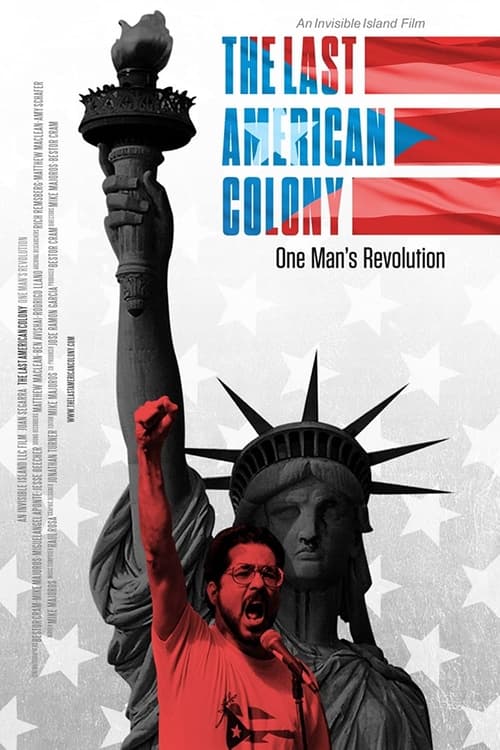
Puerto Rico, the last relic of colonization in the western hemisphere, has been a dependent territory of the USA since 1917. Los Macheteros and one of its leaders Juan Segarra have been fighting for its full independence for many decades.
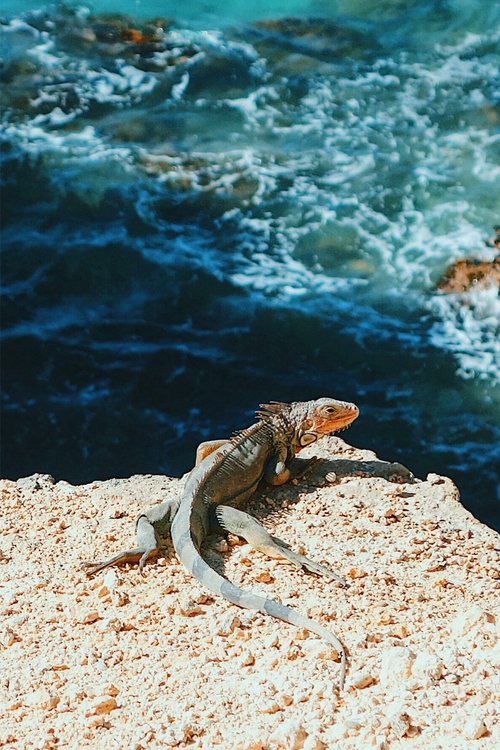
David Attenborough tells the revealing story of this Caribbean island's exotic but vulnerable wildlife. A team of conservation champions are making it their mission to save the most precious species. We see how Puerto Rican parrots, manatees and turtles are now making a comeback.
Presents a socio-economic analysis of present day Puerto Rico. Uses archival footage, re-enactments of historic events, and interviews with participants to recount the long history of U.S. involvement in Puerto Rico and the anti-colonial struggle.
Combines animation, documentary footage, and hand-painted film as well as slide projections, a painted 12" x 24" backdrop, and sculptural palm tree to create a kaleidoscopic portrait of the Puerto Rican psyche.
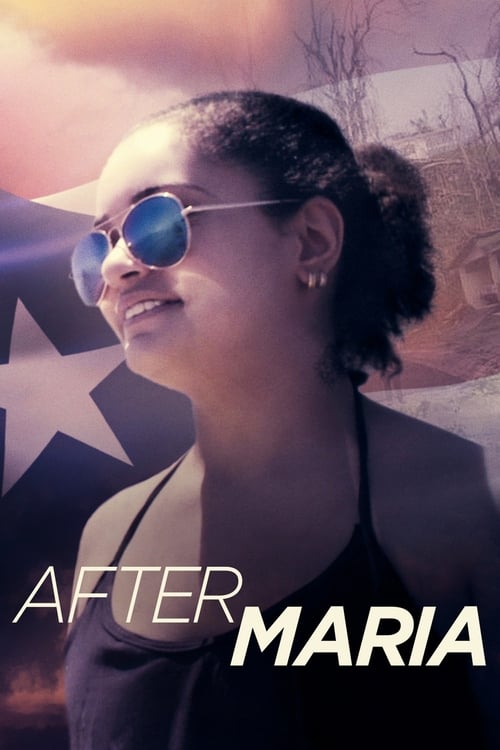
Strong Puerto Rican women forced to flee the island after Hurricane Maria have bonded like family in a FEMA hotel in the Bronx. They seek stability in their new life as forces try to pull them apart.
How fair is it for the government to control its citizens? Four Puerto Ricans confront their past when they open their “files”, the records obtained of the illegal surveillance and persecution that the Puerto Rican government held against citizens and organizations that disagreed with the establishment. Through their daily life, they will tell us their stories, experiences and intimate feelings of the persecution they suffered. Taking their past as an example, we will confront the present.
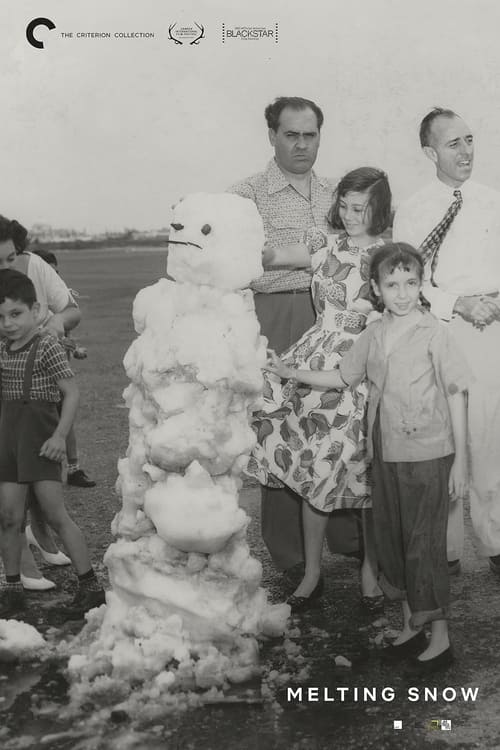
Two tons of snow—flown from New Hampshire to Puerto Rico in 1952 in order to “gift” Puerto Ricans a “white Christmas”—become a metaphor for the colonialist paternalism of America’s relationship to Puerto Rico.
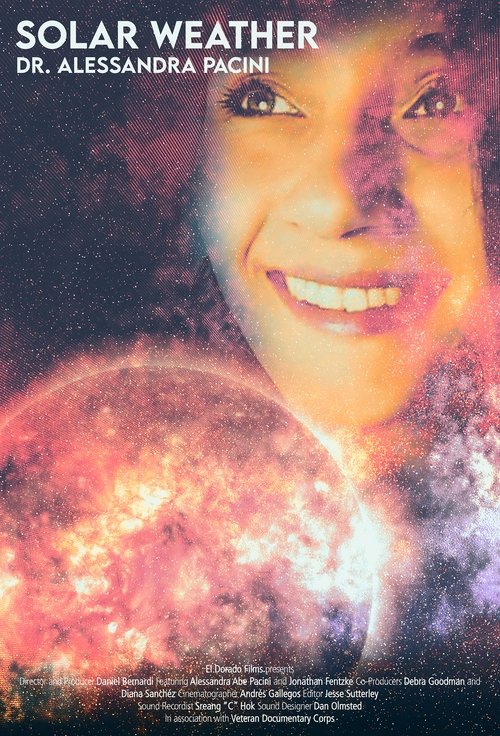
Alessandra Pacini, solar physicist and mother of two, has dedicated her life to researching our sun and its relation to the rest of our solar system. Traveling across the globe with her family, from Finland to Puerto Rico, Alessandra is on a mission to discover the great mysteries of our solar system.