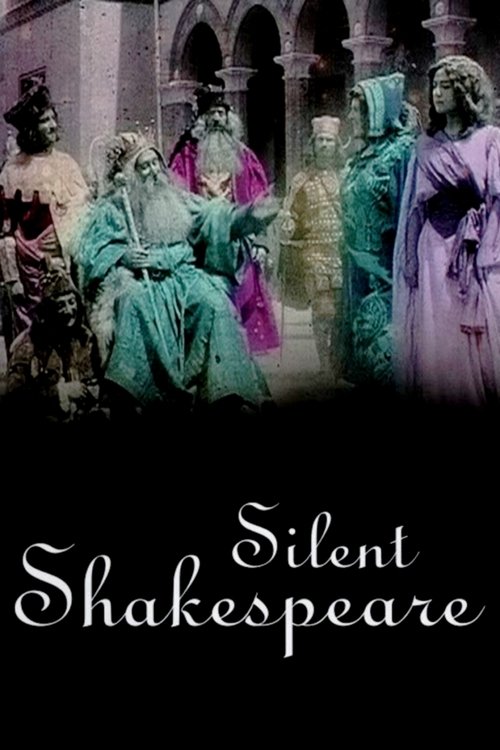
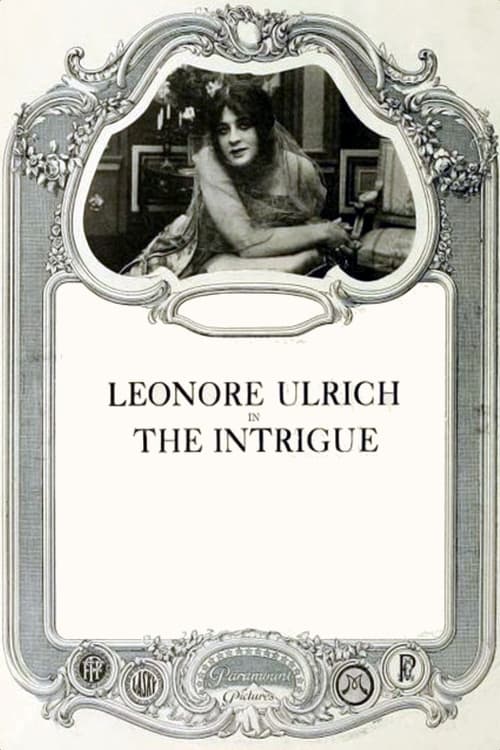
A BFI collection of 7 short films from the USA, England and Italy scored for Piano, Guitar and String Quartet.
No Cast found.
No Trailers found.
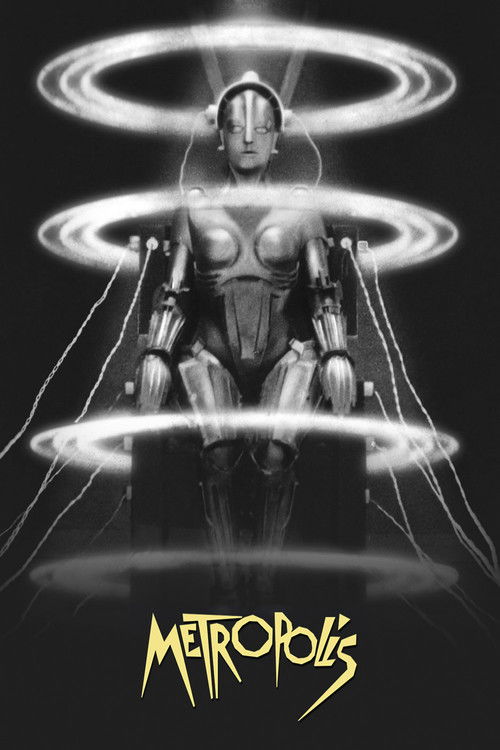
In a futuristic city sharply divided between the rich and the poor, the son of the city's mastermind meets a prophet who predicts the coming of a savior to mediate their differences.
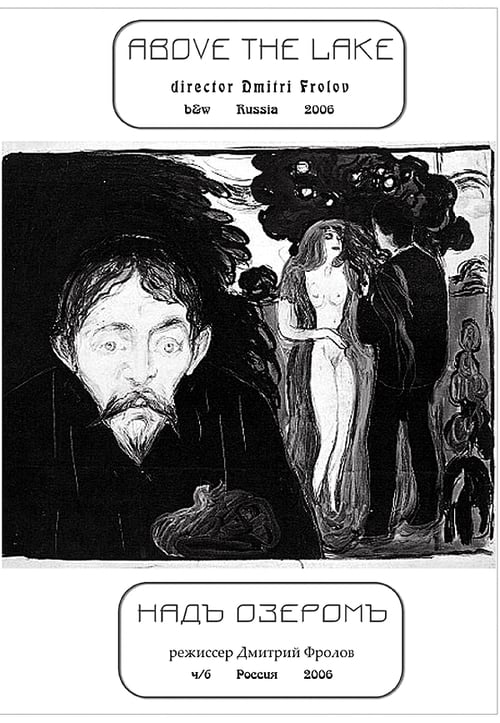
Avant-garde homage to pre-revolution Russian silent movies, and to the poet Aleksandr Blok.
The life of Moses as told through the Book of Exodus, the imagination of a dying boy, and the ballads of his father.
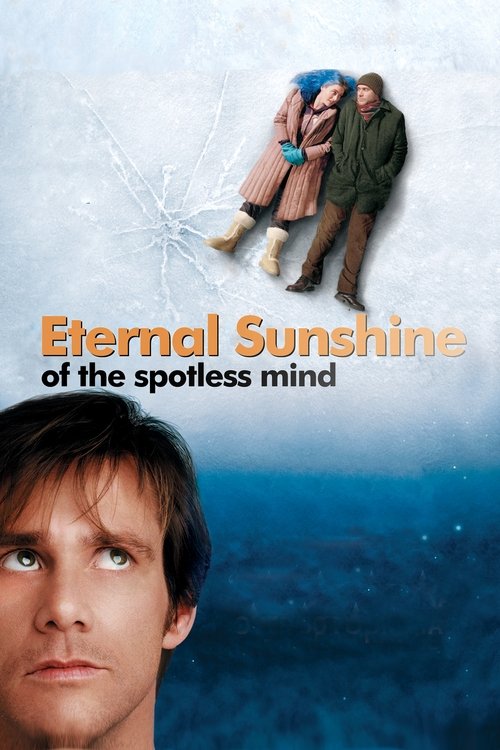
Joel Barish, heartbroken that his girlfriend underwent a procedure to erase him from her memory, decides to do the same. However, as he watches his memories of her fade away, he realises that he still loves her, and may be too late to correct his mistake.
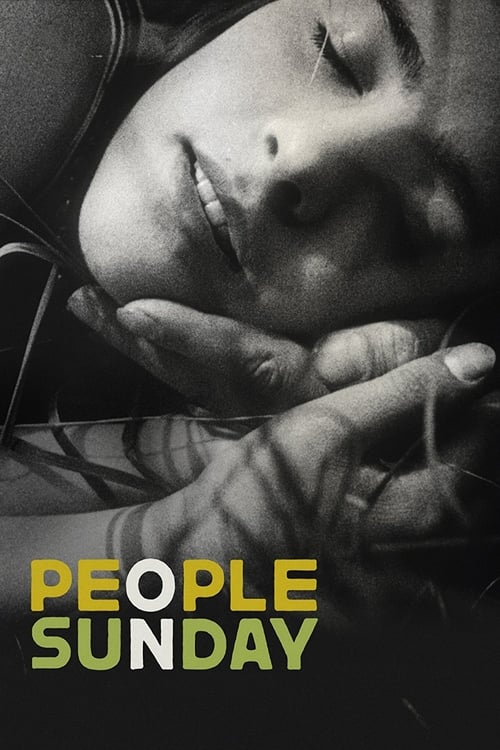
A semi-documentary experimental 1930 German silent film created by amateurs with a small budget. With authentic scenes of the metropolis city of Berlin, it's the first film from the later famous screenwriters/directors Billy Wilder and Fred Zinnemann.
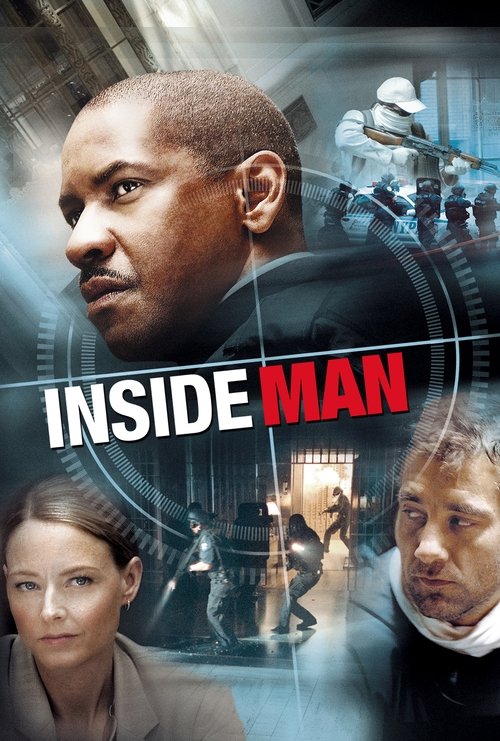
When an armed, masked gang enter a Manhattan bank, lock the doors and take hostages, the detective assigned to effect their release enters negotiations preoccupied with corruption charges he is facing.
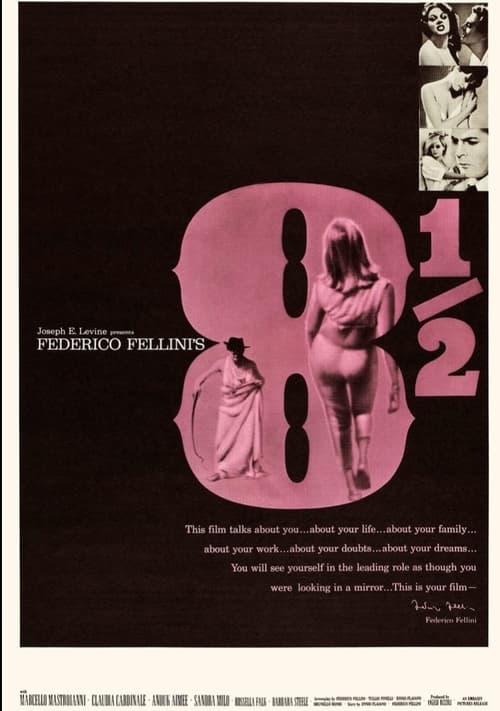
Guido Anselmi, a film director, finds himself creatively barren at the peak of his career. Urged by his doctors to rest, Anselmi heads for a luxurious resort, but a sorry group gathers—his producer, staff, actors, wife, mistress, and relatives—each one begging him to get on with the show. In retreat from their dependency, he fantasizes about past women and dreams of his childhood.
A day in the city of Berlin, which experienced an industrial boom in the 1920s, and still provides an insight into the living and working conditions at that time. Germany had just recovered a little from the worst consequences of the First World War, the great economic crisis was still a few years away and Hitler was not yet an issue at the time.
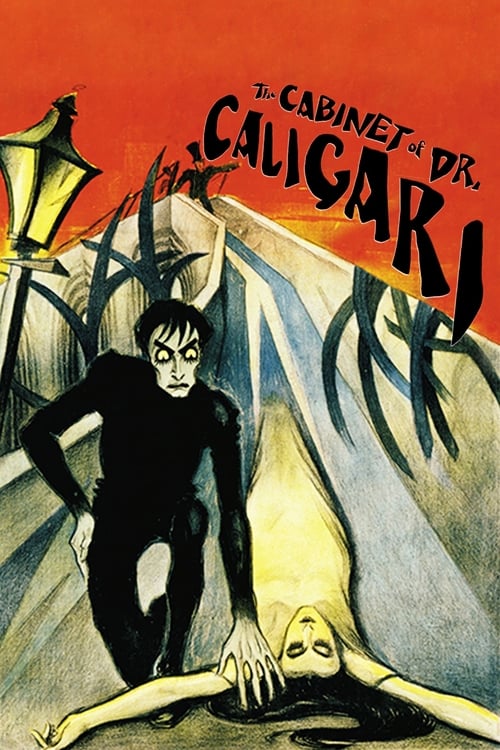
Francis, a young man, recalls in his memory the horrible experiences he and his fiancée Jane recently went through. Francis and his friend Alan visit The Cabinet of Dr. Caligari, an exhibit where the mysterious doctor shows the somnambulist Cesare, and awakens him for some moments from his death-like sleep.
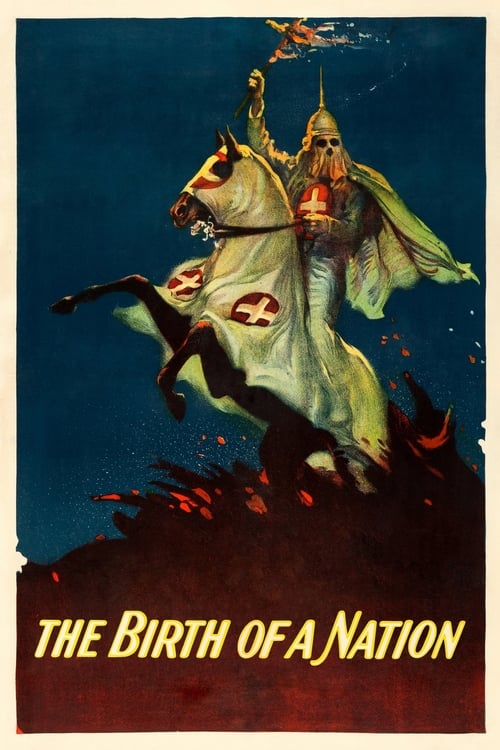
Two families, abolitionist Northerners the Stonemans and Southern landowners the Camerons, intertwine. When Confederate colonel Ben Cameron is captured in battle, nurse Elsie Stoneman petitions for his pardon. In Reconstruction-era South Carolina, Cameron founds the Ku Klux Klan, battling Elsie's congressman father and his African-American protégé, Silas Lynch.
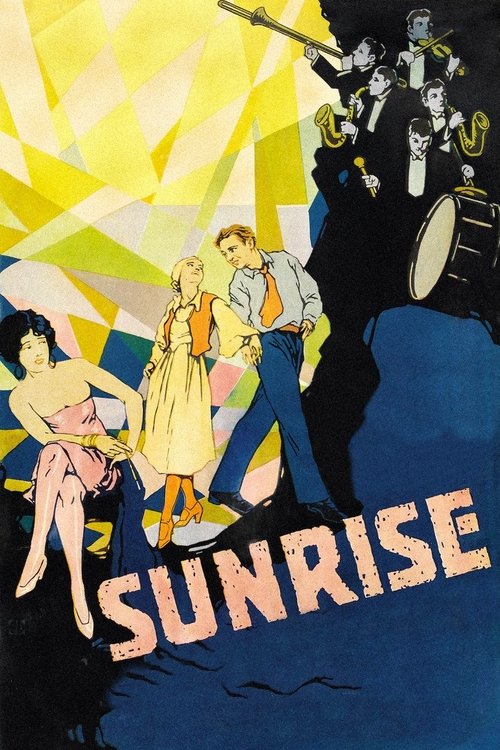
A married farmer falls under the spell of a slatternly woman from the city, who tries to convince him to drown his wife.
Sex always gets in the way of friendships between men and women. At least, that's what Harry Burns believes. So when Harry meets Sally Albright and a deep friendship blossoms between them, Harry's determined not to let his attraction to Sally destroy it. But when a night of weakness ends in a morning of panic, can the pair avoid succumbing to Harry's fears by remaining friends and admitting they just might be the perfect match for each other?
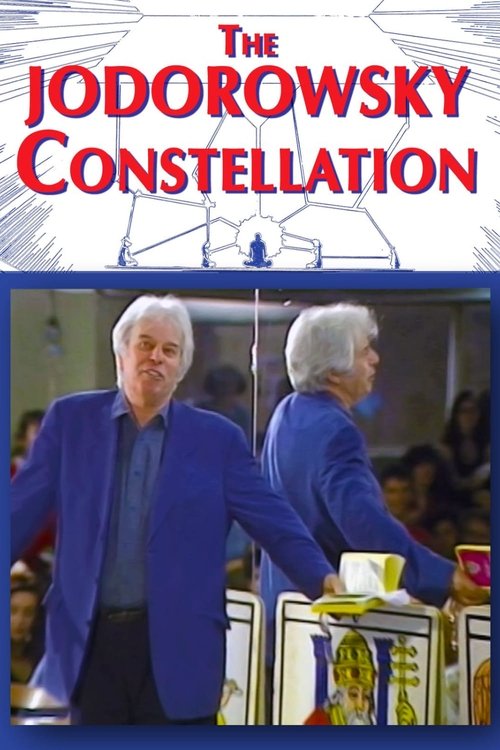
This documentary depicts the filmmaker Alejandro Jodorowsky talking about his life, his loves, his career as a filmmaker, graphic novelist, and workshop leader, and his eccentricities including tarot reader and theatrical director during The Panic Movement. Directed by Louis Mouchet, La Constellation Jodorowsky includes a lengthy on-camera interview with Jodorowsky in Spanish with subtitles. Marcel Marceau, Fernando Arrabal, Peter Gabriel, Jean "Moebius" Giraud, and Jean Pierre Vignau make appearances discussing their various projects with the director. In addition to the interview and film clips, Mouchet features some bizarre footage from Jodorowsky’s absurdist plays in which topless women splattered with paint writhe around the stage in a theatrical production meant to represent The Panic Movement, i.e., an artistic expression in which reason cannot fully express the human experience.
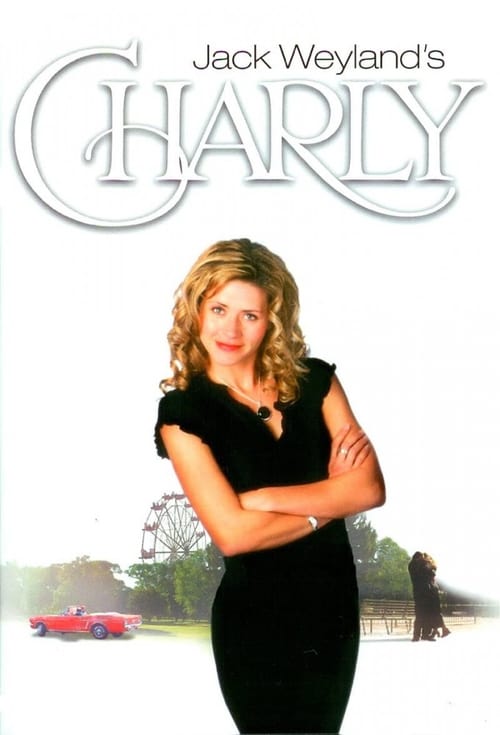
Sam Roberts thinks he has all the answers: the purpose of life, the meaning of love, the plan for a perfect future. Until Charly walks into his life.
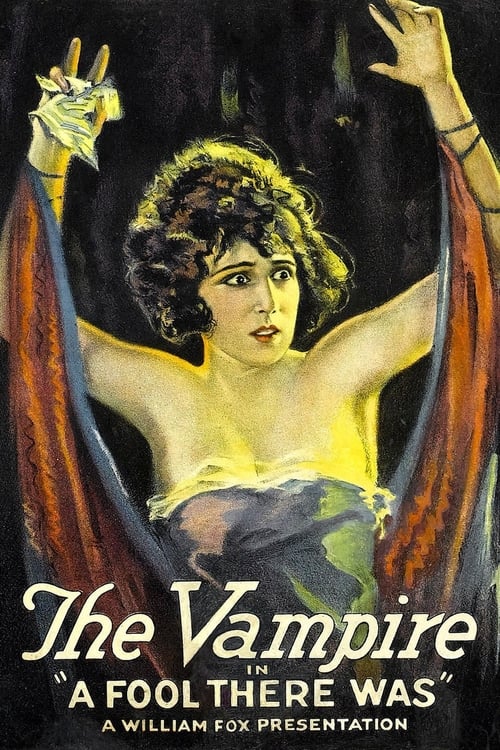
John Schuyler, a happily married lawyer, is appointed diplomat and sent to England. Due to an unfortunate accident, his wife and child can not come along with him. On the ship to England, Schuyler meets the notorious Vampire - a relentless gold digger who causes the moral degradation of those she seduces, first fascinating and then draining the very life from her victims.
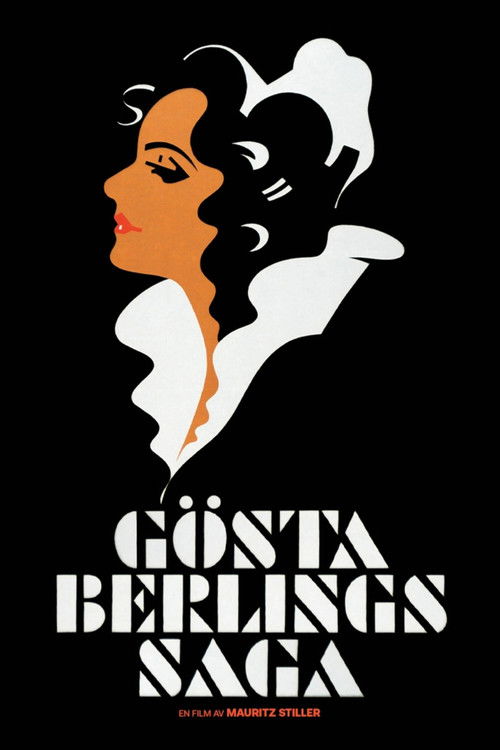
Gösta Berling is a young and attractive minister. Because of his alcoholism and his daring sermons, he is finally defrocked. He becomes a tutor of countess Marta's stepdaughter and they fall in love. But the countess has a plan of her own.
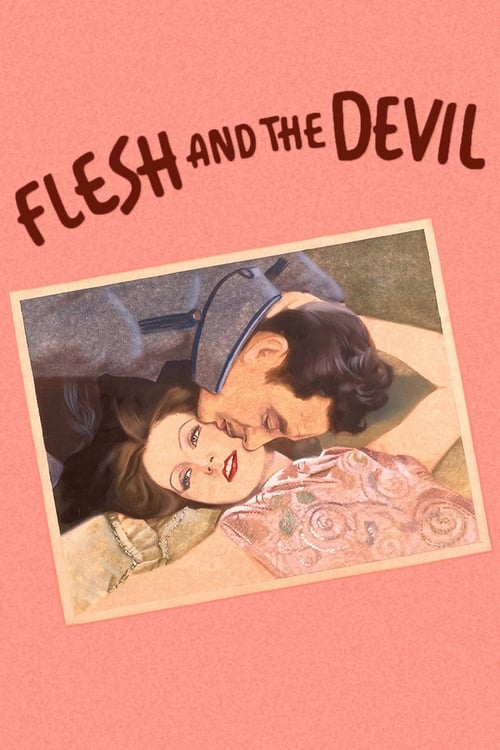
When lifelong best friends Leo and Ulrich return home after completing their military training, Leo meets the stunning Felicitas at a railway station and is mesmerized by her beauty. A scandal follows, for which Leo is sent away. Returning home three years later, he discovers that much has changed.
Modesto, an honest and responsible professional, is a manager of a small bank branch in Costa del Sol. His daughter died in a forest fire which he had thought to be accidental. One day he wakes up in his bank, after being locked and dragged by unknown men, and finds out in a safety-deposit box that the fire was plotted. From that day on, he sets on a personal crusade for justice.
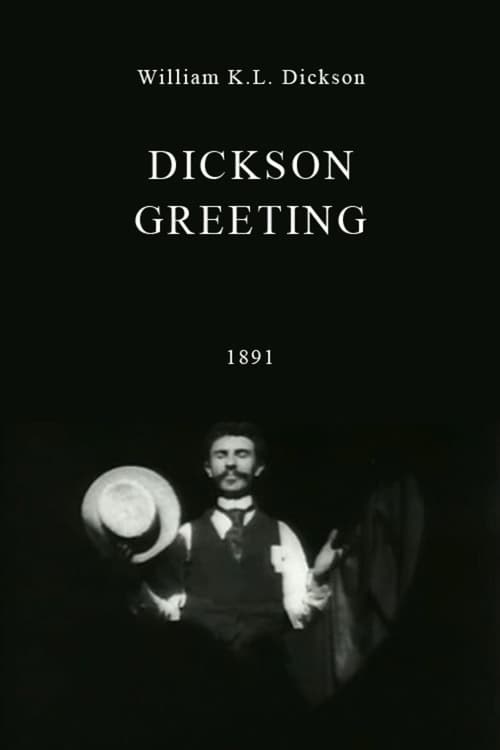
William K.L. Dickson brings his hat from his one hand to the other and moves his head slightly, as a small nod toward the audience. This was the first film produced by the Edison Manufacturing Company to be shown to public audiences and the press.
A sci-fi/espionage film in which world powers vie for control of a death ray during World War I as an undercover countess infiltrates enemy ranks to prevent them from getting their hands on the weapon.