A city awakens. There are sights and sounds we do not experience if we sleep late.
No Cast found.
Far from home, 17-year-old Ying Ling practices for her examination to become a mortician at one of China's largest funeral homes. The everyday routine of this unusual occupation also serves up both humorous and life affirming moments.
Tells the life story of a grain of wheat In Casselton, North Dakota.
These documentary sketches were made when the famed novelist was an anthropology student seeking to preserve a record of African American life in the rural South. Includes Children's games and baptism - Miami, Aug. 1929; Children's games and man with ax - April 1928; Children dancing and girl rocking on porch - Jan/Feb 1929; Baseball crowd and boy dancing capers Jan/Feb 1929.
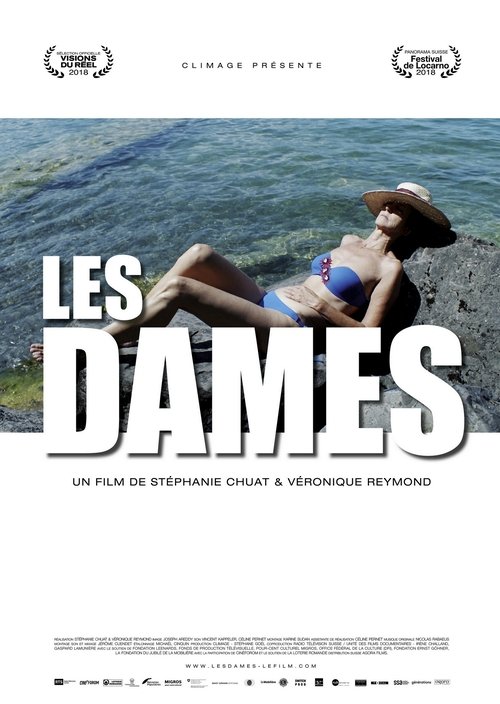
They are single, widowed or divorced; they have had children, husbands, work; they have a life behind them, but also one to come… 'Ladies' reveals the intimate lives of five women in their sixties who are waging a discreet daily battle against solitude. It’s true that men often prefer younger women, it’s true that one feels invisible in a youth-oriented society, but these women are not washed up, far from it.
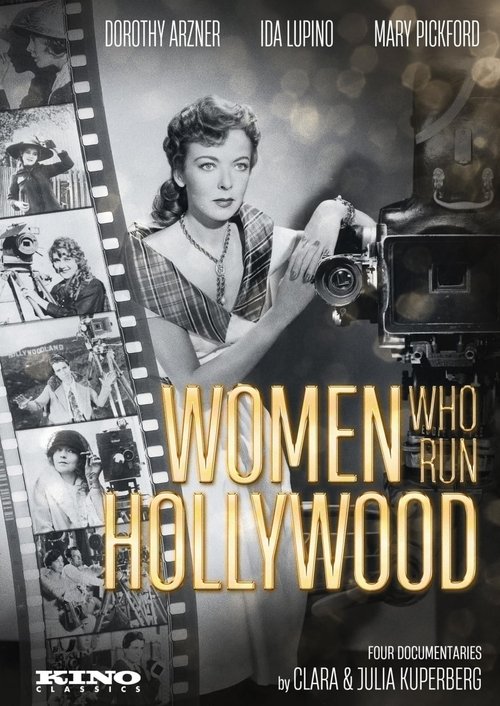
The first talkie was directed by Alice Guy, the first color film was produced by Lois Weber, who directed more than 300 films over 10 years. Frances Marion wrote screenplays for the Hollywood Star Mary Pickford and won two Oscars, Dorothy Arzner was the most powerful film director in Hollywood. And what do all of them have in common? They are all women and they have all been forgotten. Incredibly, it also took until 2010 for the first woman, Kathryn Bigelow, to win the Oscar for Best Director. Even if underrepresented women have always played a big part in Hollywood and it is this part of the film history left untold that this documentary sets out to uncover.
This documentary seeks to open your eyes to the the costly consequences of the Information Age, when we are addicted to constantly replacing our electronic devices with newer and better versions.
Carmen accompanies a group of women who must travel from the island of Vieques to San Juan, capital of Puerto Rico, in order to perform breast biopsies. The long journey is by water and road. Amid many fears and vicissitudes, Carmen confirms once again the need for appropriate medical services for both women and for the rest of the Vieques population.
In memory of the Japanese earthquake on 3.11, each director presents a 3 minute and 11 second short film in tribute to those who were lost that day.
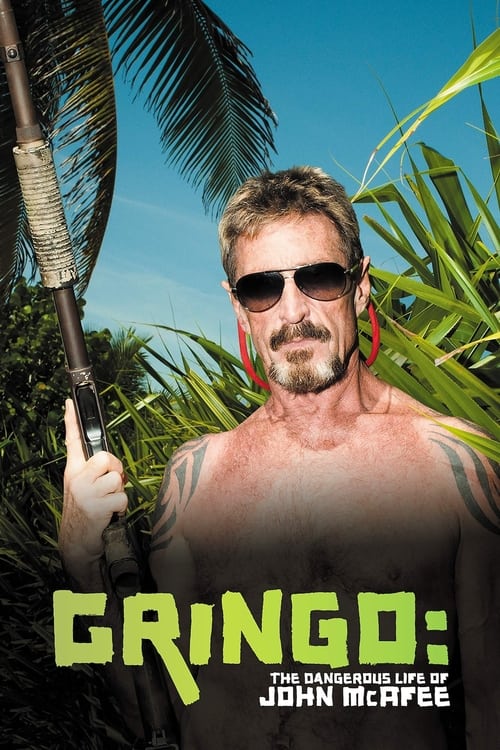
The strange story of John McAfee, who went from millionaire software mogul to yogi, Kurtz-like jungle recluse to potential murderer, and most recently a prospective presidential candidate for the American Libertarian Party.
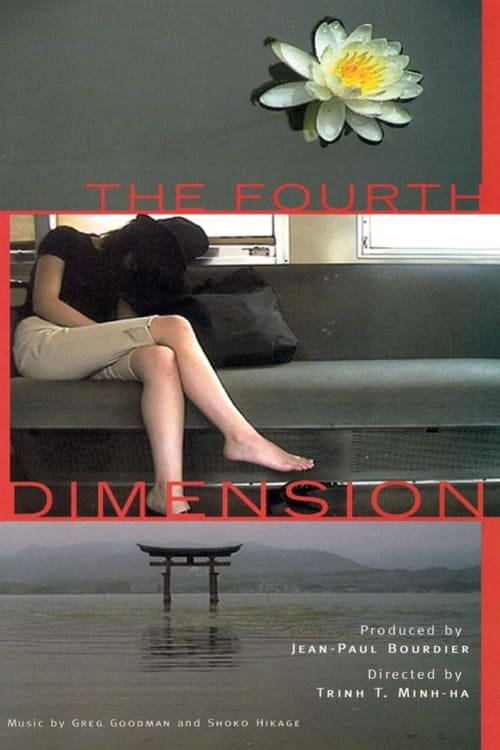
This is an elegant meditation on time, travel, and ceremony in the form of a journey. In her first foray into digital video, Trinh T. Minh-ha deconstructs the role of ritual in mediating between the past and the present.
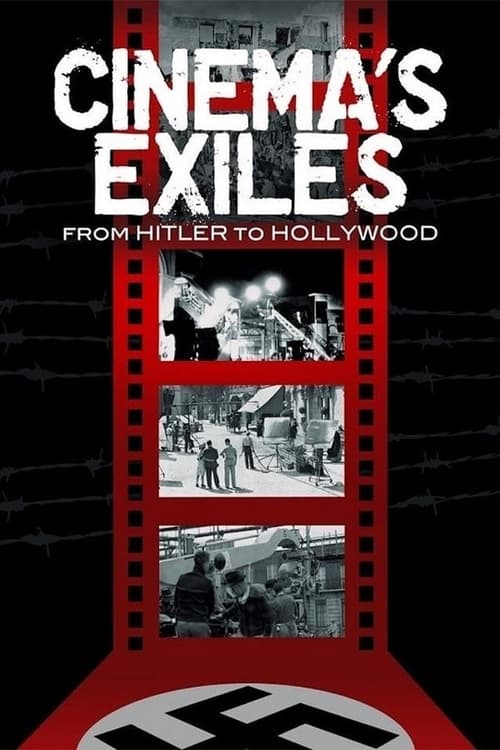
Eight hundred German filmmakers (cast and crew) fled the Nazis in the 1930s. The film uses voice-overs, archival footage, and film clips to examine Berlin's vital filmmaking in the 1920s; then it follows a producer, directors, composers, editors, writers, and actors to Hollywood: some succeeded and many found no work. Among those profiled are Erich Pommer, Joseph May, Ernst Lubitsch, Fritz Lang, Billy Wilder, and Peter Lorre. Once in Hollywood, these exiles helped each other, housed new arrivals, and raised money so others could escape. Some worked on anti-Nazi films, like Casablanca. The themes and lighting of German Expressionism gave rise in Hollywood to film noir.
Marce, his wife Adriana, his two sons, Mario and Jacqueline, and groom it, Carmelo, are the only members of Aztlan Circus, who wanders through the villages of Texcoco, north of Mexico City. The tightrope is the history of resistance in this family that persists in taking forward an old-fashioned circus because she is convinced of the importance of his art.
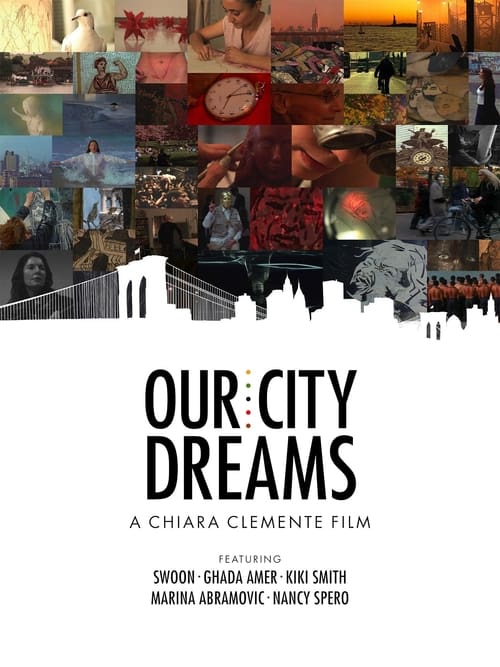
Filmed over the course of two years, Our City Dreams is the story of a woman's struggles and successes as an artist in New York City. Told through five women artists, from youngest to oldest, the film features Swoon, Ghada Amer, Kiki Smith, Marina Abramovic, and Nancy Spero. From the studio to the streets of New York, from the canals of Venice to the alleys of Cairo and the beaches of Phuket, Our City Dreams takes us deep into the artists' worlds.
In their debut documentary Christine Molloy and Joe Lawlor take as their point of departure the compelling 18th Century figure, Ambrose O'Higgins, and attempt to retrace his remarkable journey from Ireland to Chile.
A filmmaker makes a film about a young woman who baths in a public fountain, casting herself in the role.
Filmmaker Estela Renner analyzes the effects that mass media and advertising have on children, showing how the industry discovered that they are the best targets for selling products. In addition to listening to them, the film talks to parents who report how influential their children are at home and how this is directly linked to advertisements, and experts debate the negative effects of this exposure.
French documentarian Stéphanie Lamorré examines girl gangs in South Central L.A.
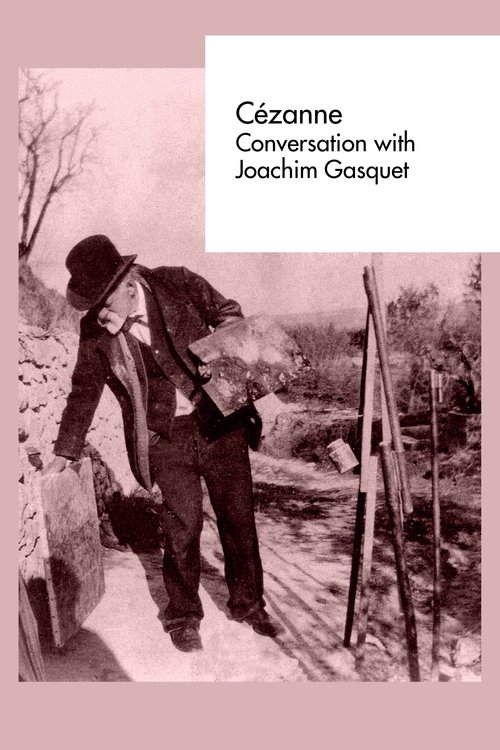
A landmark work of symbolistic imagery. The words that the filmmakers speak offscreen are imaginary conversation with Cézanne quoted from a critique by Joachim Gasquet. An exchange of memories spanning over 250 years interweaves everything from the philosophy of Empedocles to excerpts from the film Madame Bovary, to extant paintings by Cézanne, to the buildings of the artists’ village at Mont Sainte-Victoire. —ntticc.or.jp
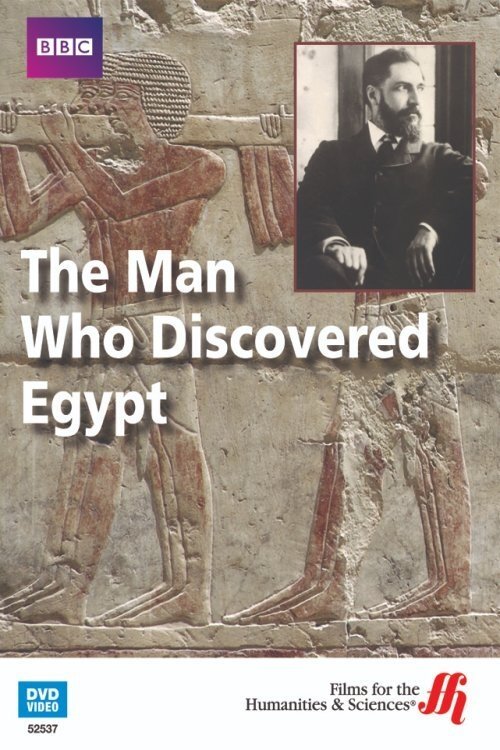
Ancient Egypt was vandalised by tomb raiders and treasure hunters until one Victorian adventurer took them on. Most of us have never heard of Flinders Petrie, but this maverick genius undertook a scientific survey of the pyramids, discovered the oldest portraits in the world, unearthed Egypt's prehistoric roots - and in the process invented modern field archaeology, giving meaning to a whole civilisation.
In 1986, Ross McElwee (Sherman's March) and Marilyn Levine were making a film about the 25th anniversary of the Berlin Wall, when the imposing structure was still very much intact as the world’s most visible symbol of hardline Communism and Cold War lore. They thought they were making a documentary on the community of tourists, soldiers, and West Berliners who lived in the seemingly eternal presence of the graffiti emblazoned eyesore. But in 1989, as the original film neared completion, the Wall came down, and McElwee and Levine returned to Berlin, this time to capture the radically different atmosphere of the reunified city.
No Trailers found.