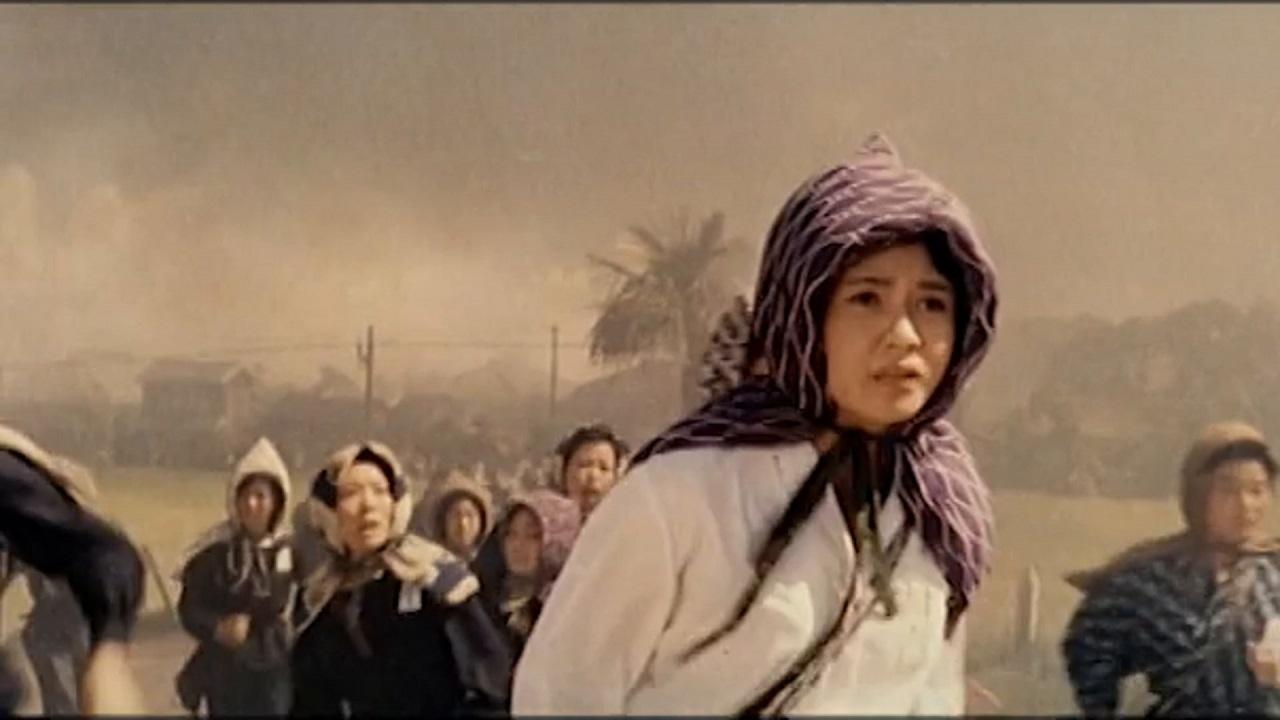
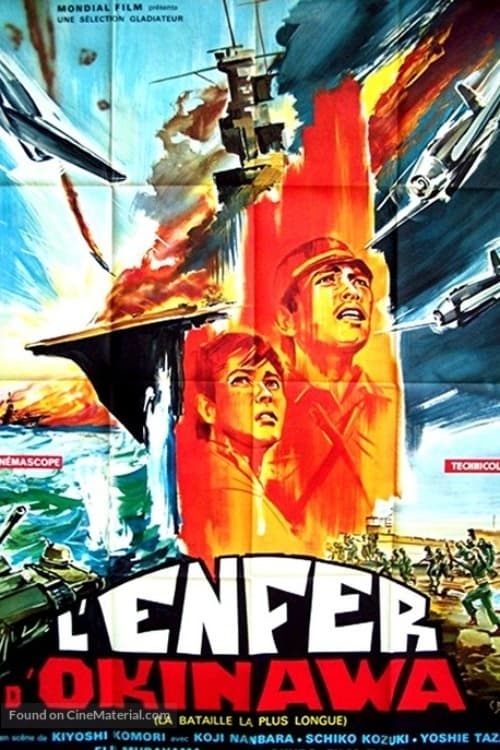
The last fight put up by remaining forces and a special volunteer nursing corps in 1944-5.
No Trailers found.
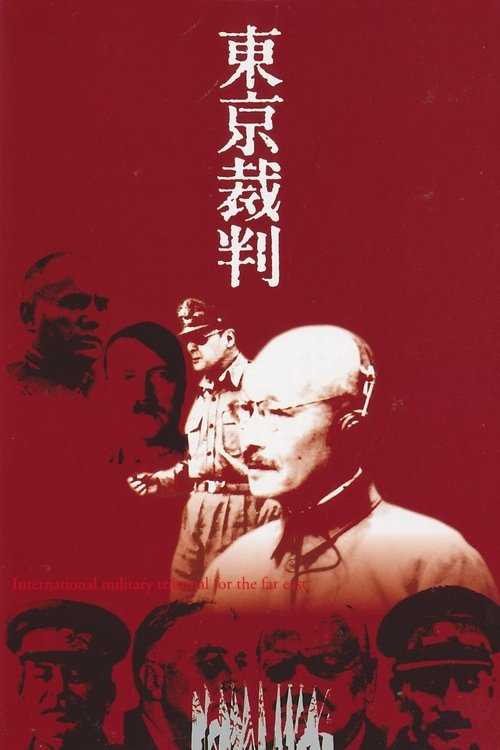
One of the major documentaries on a specific chapter in modern Japanese history, this look at the trial of Japanese militarists accused of war crimes is excellently handled by director Masaki Kobayashi. Kobayashi and his assistants had to plough through 30,000 reels from the proceedings of the International Military Tribunal which took place between May, 1946 and November, 1948. It took two days to read the charges against the 100 alleged war criminals in the docket (only 28 top officials are actually in the courtroom, which was limited in space), and the final judgment took one week to read.
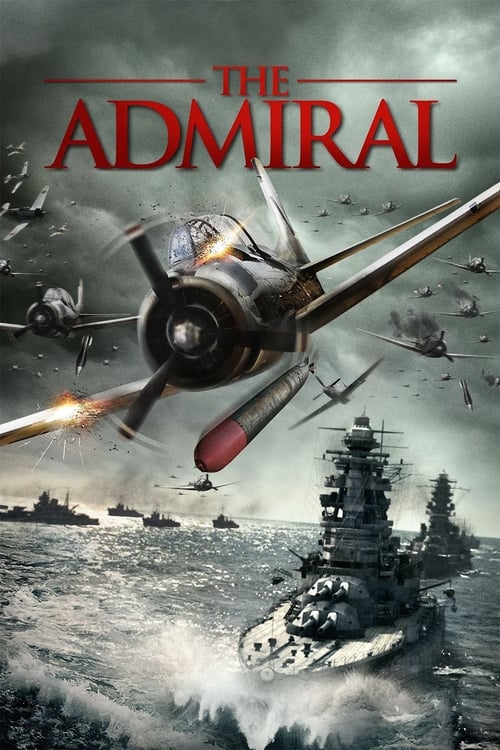
Admiral Isoroku Yamamoto, a brilliant tactician, is a loyal subject of the emperor, despite his grave misgivings about leading Japan's navy into war with the United States. He opposes the attack on Pearl Harbor, but, overruled, he leads his forces to the best of his ability.
Admiral Isoroku Yamamoto (1884-1943) was the Japanese Naval commander who was given the order to attack Pearl Harbour, an order he was duty bound to obey which went against his own personal beliefs. While this infamous attack is a low point in Japanese and US history it wouldn’t have happened if the Japanese government had listened to Yamamoto in 1939 and searched for a more peaceful way to end their war campaign, proving his many ominous presages of the outcomes of the attack to come true.
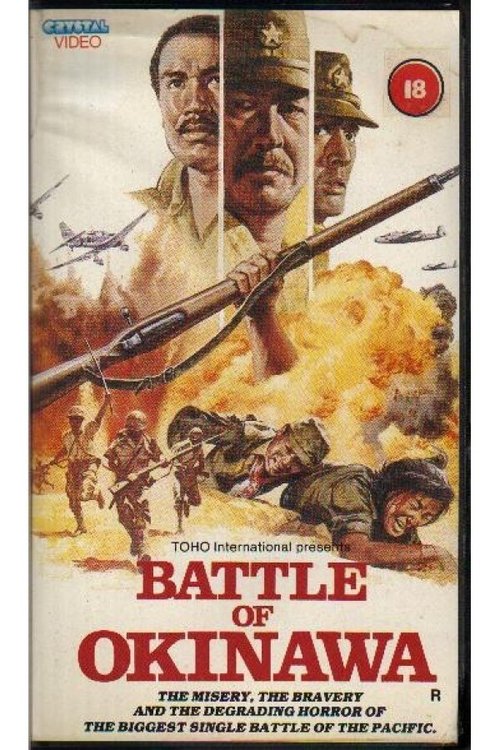
The Americans are swiftly closing on Okinawa, an island just south of the Japanese mainland. The Imperial command sends top generals and several army divisions to defend it at all costs. The mission quickly degenerates as vital resources and troops are diverted to other islands. After a civilian evacuation ends in tragedy most of non-combatants are forced to remain on the island. Many convert to soldier status. Tokyo sends mixed messages that squander time and resources, as when they order the defenders to build an airstrip for aircraft that never come. The truth soon becomes obvious: the high command decides that the island cannot be held and effectively abandons the Okinawan defenders. When the Americans land many troops are deployed in the wrong places. As the slaughter mounts, a suicidal attitude takes hold. Okinawa becomes a death trap, for civilian volunteers and non-combatants as well.
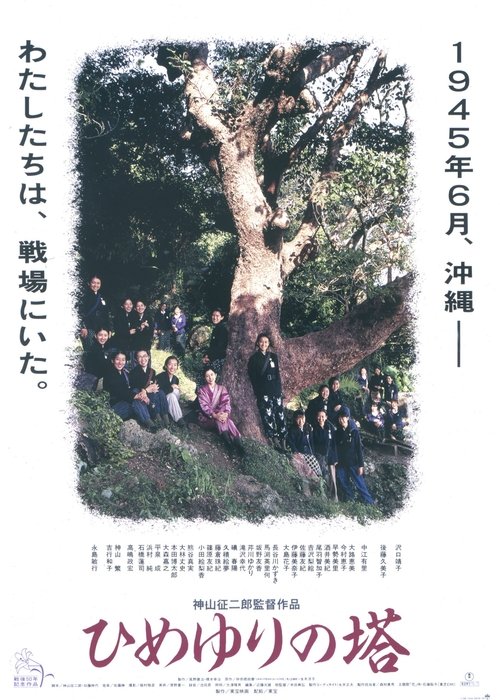
The Girls' Division of Okinawa Normal School and the First Okinawa Prefectural High School for Girls were also known as "Himeyuri no Gakuen". In July 1944, the students, who were supposed to spend their summer vacations at home, were called back to school to prepare for the coming war and to fulfill their duties as subjects of the Imperial State. The fate of the girls and teachers awaited them as the American army attacked.
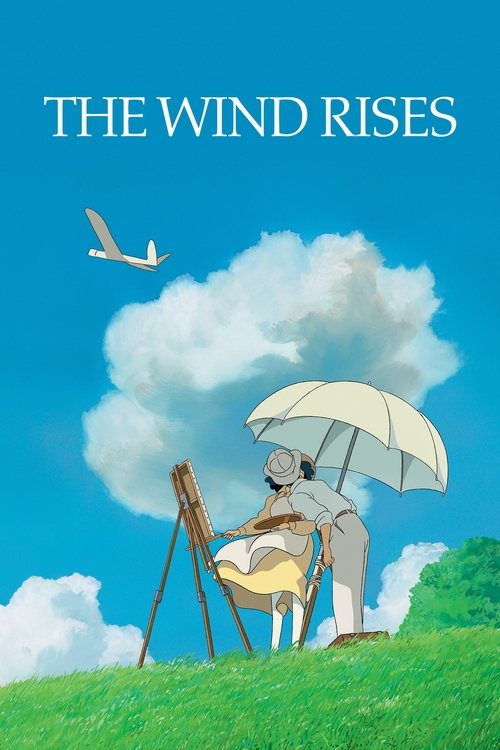
A lifelong love of flight inspires Japanese aviation engineer Jiro Horikoshi, whose storied career includes the creation of the A-6M World War II fighter plane.
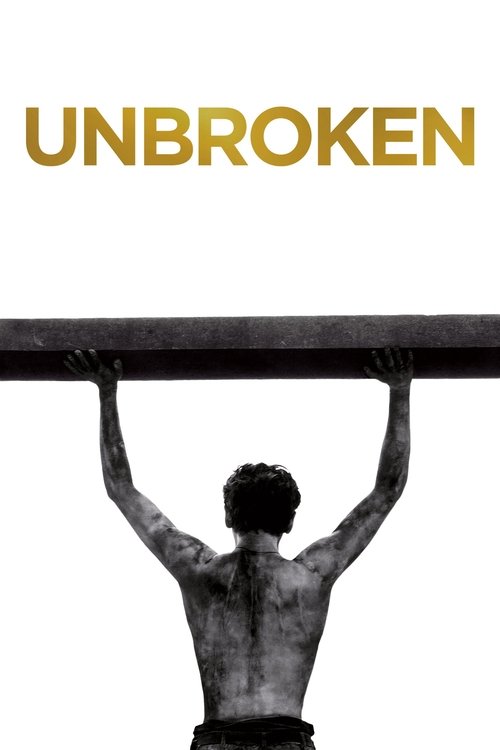
A chronicle of the life of Louis Zamperini, an Olympic runner who was taken prisoner by Japanese forces during World War II.
The film portrays MacArthur's life from 1942, before the Battle of Bataan, to 1952, when he was removed from his Korean War command by President Truman for insubordination, and is recounted in flashback as he visits West Point.
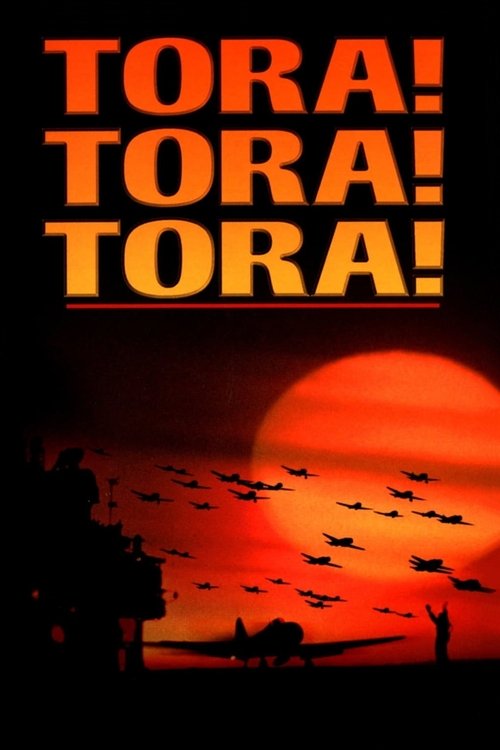
In the summer of 1941, the United States and Japan seem on the brink of war after constant embargos and failed diplomacy come to no end. "Tora! Tora! Tora!", named after the code words used by the lead Japanese pilot to indicate they had surprised the Americans, covers the days leading up to the attack on Pearl Harbor, which plunged America into the Second World War.
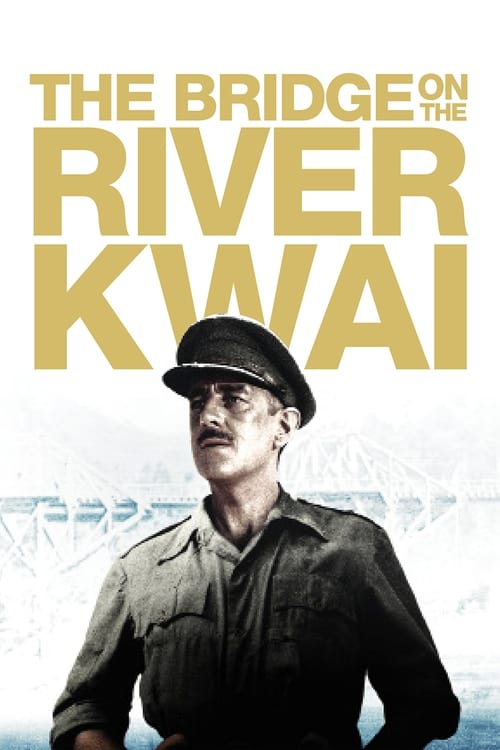
The classic story of English POWs in Burma forced to build a bridge to aid the war effort of their Japanese captors. British and American intelligence officers conspire to blow up the structure, but Col. Nicholson, the commander who supervised the bridge's construction, has acquired a sense of pride in his creation and tries to foil their plans.
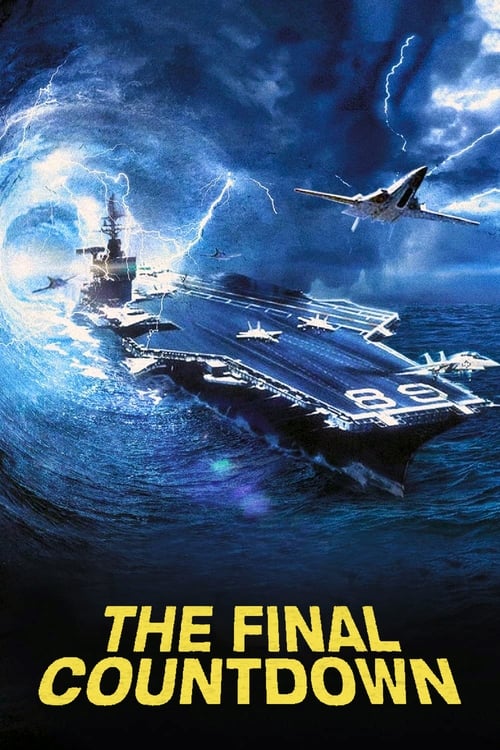
During routine manoeuvres near Hawaii in 1980, the aircraft-carrier USS Nimitz is caught in a strange vortex-like storm, throwing the ship back in time to 1941—mere hours before the Japanese attack on Pearl Harbor.
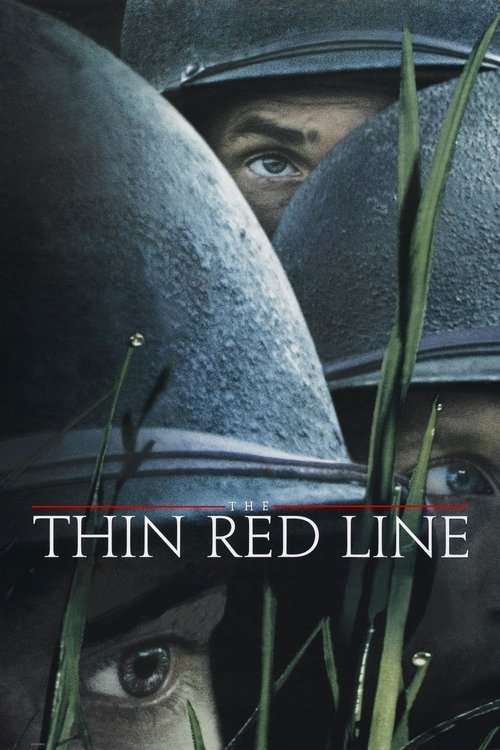
The story of a group of men, an Army Rifle company called C-for-Charlie, who change, suffer, and ultimately make essential discoveries about themselves during the fierce World War II battle of Guadalcanal. It follows their journey, from the surprise of an unopposed landing, through the bloody and exhausting battles that follow, to the ultimate departure of those who survived.
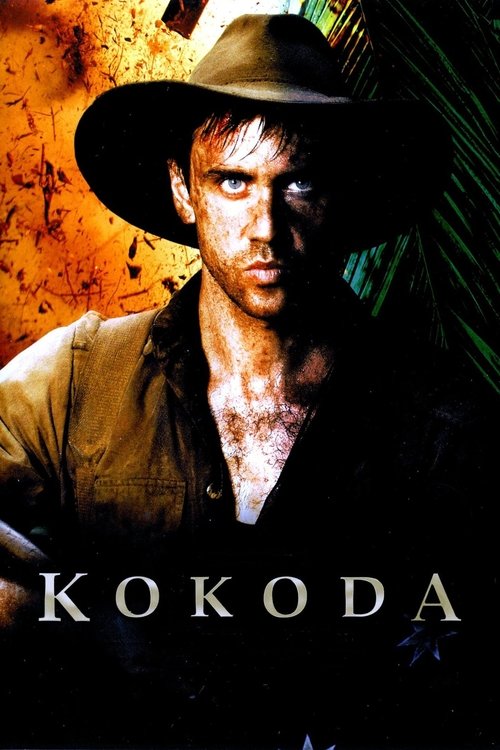
A bitter battle is fought between Australian and Japanese soldiers along the Kokoda trail in New Guinea during World War II.
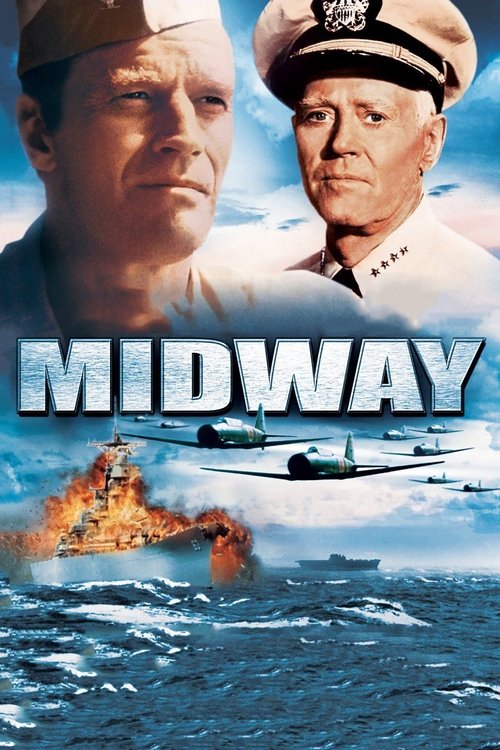
This war drama depicts the U.S. and Japanese forces in the naval Battle of Midway, which became a turning point for Americans during World War II.
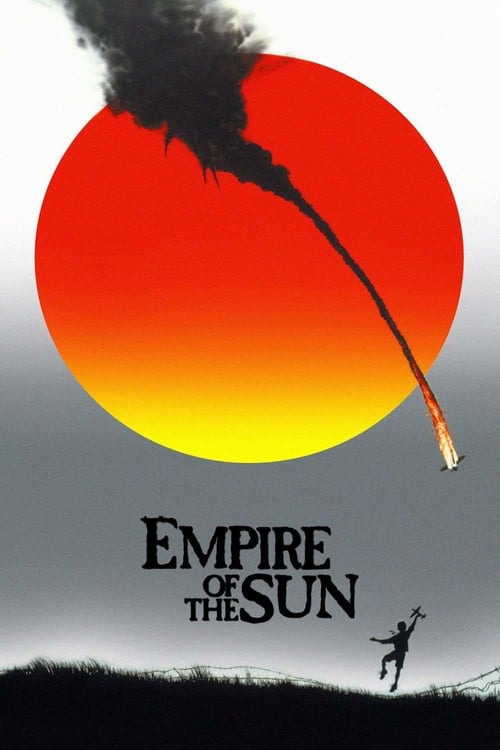
Jamie Graham, a privileged English boy, is living in Shanghai when the Japanese invade and force all foreigners into prison camps. Jamie is captured with an American sailor, who looks out for him while they are in the camp together. Even though he is separated from his parents and in a hostile environment, Jamie maintains his dignity and youthful spirit, providing a beacon of hope for the others held captive with him.
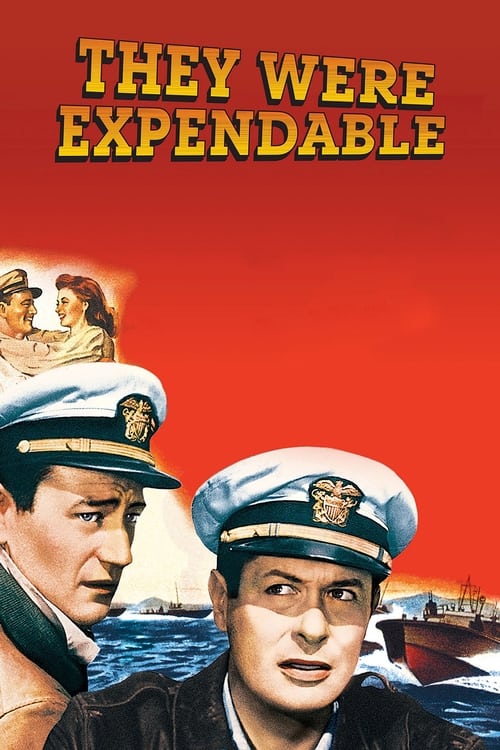
After a demonstration of new PT boats, navy brass are still unconvinced of their viability in combat, leaving Lt. "Rusty" Ryan frustrated. After the attack on Pearl Harbor, however, Ryan and his buddy Lt. Brickley are told they can finally take their squadron into battle. The PT boats quickly prove their worth, successfully shooting down Japanese planes, relaying messages between islands, and picking off a multitude of enemy ships.
The captain of a submarine sunk by the Japanese during WWII is finally given a chance to skipper another sub after a year of working a desk job. His singleminded determination for revenge against the destroyer that sunk his previous vessel puts his new crew in unneccessary danger.
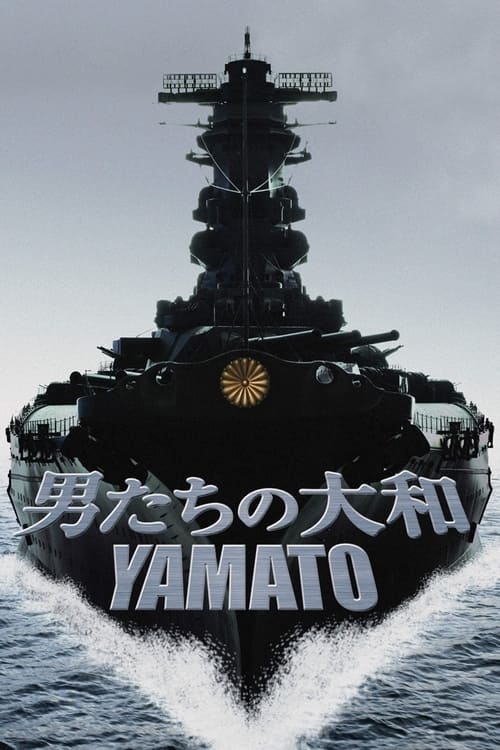
Directed by Junya Sato and based on a book by Jun Henmi, "Yamato" has a framing story set in the present day and uses flashbacks to tell the story of the crew of the World War II Japanese battleship Yamato. The film was never released in the United States, where reviewers who have seen it have compared the military epic to "Titanic" and "Saving Private Ryan."
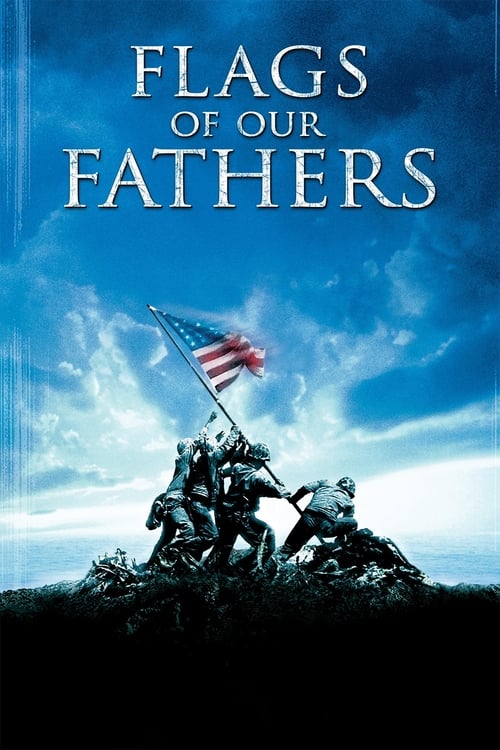
There were five Marines and one Navy Corpsman photographed raising the U.S. flag on Mt. Suribachi by Joe Rosenthal on February 23, 1945. This is the story of three of the six surviving servicemen - John 'Doc' Bradley, Pvt. Rene Gagnon and Pvt. Ira Hayes - who fought in the battle to take Iwo Jima from the Japanese.
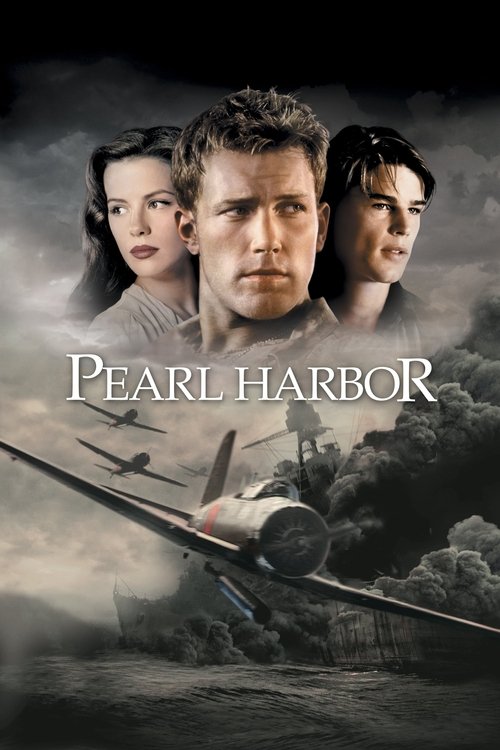
The lifelong friendship between Rafe McCawley and Danny Walker is put to the ultimate test when the two ace fighter pilots become entangled in a love triangle with beautiful Naval nurse Evelyn Johnson. But the rivalry between the friends-turned-foes is immediately put on hold when they find themselves at the center of Japan's devastating attack on Pearl Harbor on Dec. 7, 1941.
Commander Ushijima
Taiwan Army Chief of Staff
Deputy Chief Kawanishi
Captain Oshima
Nurse Soga
Nurse Kitahara
Kuniko Omine
Head Nurse Oyama