We just wanted to bring our friends home.
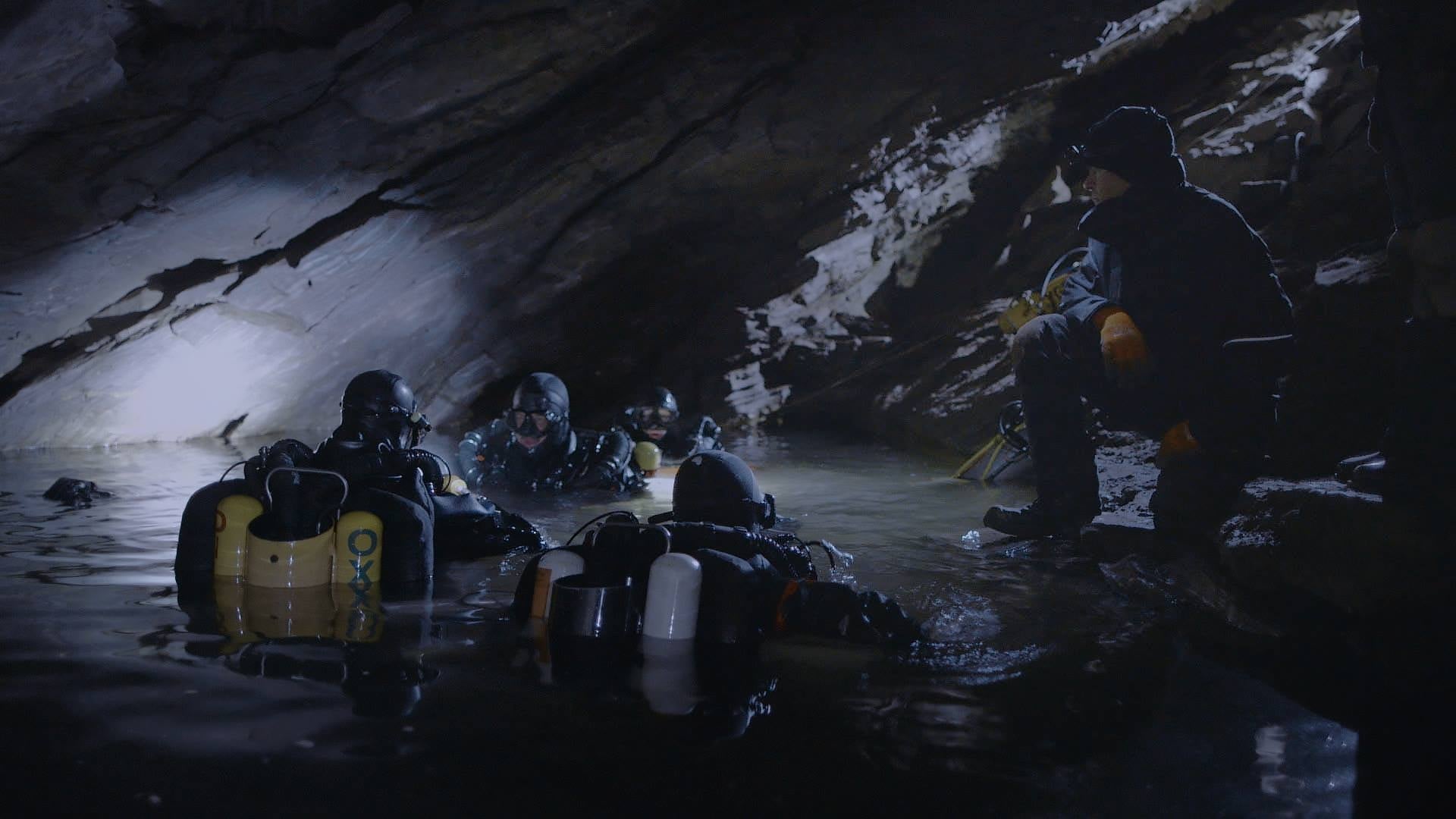
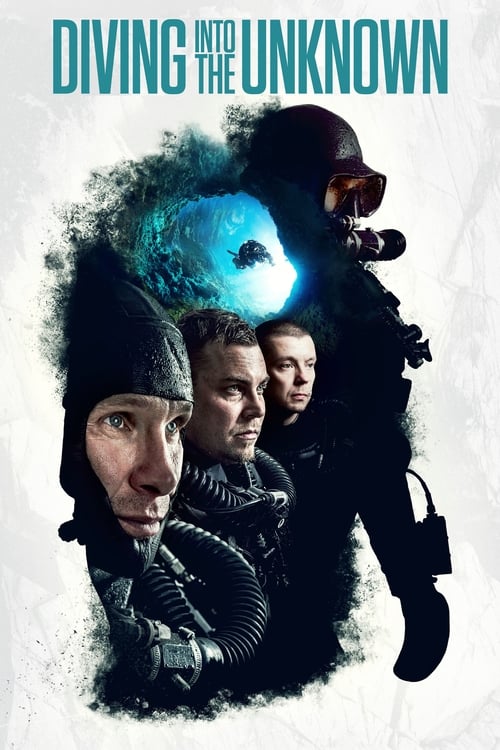
After a terrible accident deep inside an underwater cave, the survivors are forced to risk their own lives to bring the bodies of their friends home.
Trailer
Ancient Caves brings science and adventure together as it follows paleoclimatologist Dr. Gina Moseley on a mission to unlock the secrets of the Earth’s climate in the most unlikely of places: caves. Moseley and her team of cave explorers travel the world exploring vast underground worlds in search of stalagmite samples – geologic “fingerprints” – that reveal clues about the planet’s climate history. Their quest leads them to some of the world’s most remote caves, both above and below the water, in France, Iceland, the Bahamas, the U.S. and Mexico’s Yucatan Peninsula. Together, they go where very few humans will ever go, revealing the incredible lengths scientists will go to study the unknown.
Hollywood is a hot spot for celebrities, and tour guide Scott Michaels (E!'s "20 Most Horrifying Hollywood Murders," FindADeath.com) knows their, well, haunts. DEARLY DEPARTED is an all-access tour of the "backlots" of L.A. - locations where the most infamous murders, suicides and bizarre crimes involving A-listers have taken place. The Viper Room, the site where "The Black Dahlia" was discovered, and dozens more legendary spots are explored in this funny and equally shocking ride into L.A.'s seedy underground.
A community of cats lives in the Soledade Cemetery Park in Belém. "7 Vidas" follows these animals through a fictional letter written by one of them to his former owner. With real images of the cats among graves and trees, the film builds a sensitive narrative about abandonment, freedom and memory, revealing the poetry hidden in the coexistence between life and death.
My Flesh and Blood is a 2003 documentary film by Jonathan Karsh chronicling a year in the life of the Tom family. The Tom family is notable as the mother, Susan, adopted eleven children, most of whom had serious disabilities or diseases. The film itself is notable for handling the sensitive subject matter in an unsentimental way that is more uplifting than one might expect.
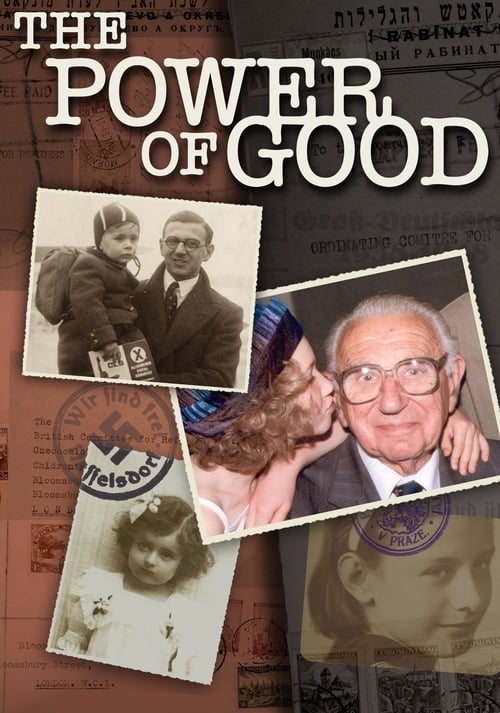
A gripping documentary about the courage and determination of a young English stockbroker who saved the lives of 669 children. Between March 13 and August 2, 1939, Nicholas Winton organized 8 transports to take children from Prague to new homes in Great Britain, and kept quiet about it until his wife discovered a scrapbook documenting his unique mission in 1988. Winton was a successful 29-year-old stockbroker in London who "had an intuition" about the fate of the Jews when he visited Prague in 1939. He quietly but decisively got down to the business of saving lives. We learn how only two countries, Sweden and Britain, answered his call to harbor the young refugees; how documents had to be forged and how once foster parents signed for the children on delivery, that was the last he saw of them.
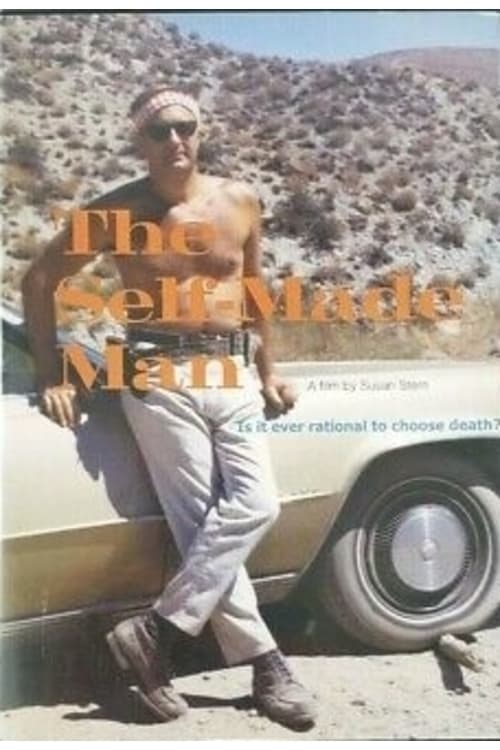
Is it ever rational to choose death? On Independence Day at Stern Ranch, 77-year-old solar energy pioneer Bob Stern finds out he’s seriously ill – possibly dying. Meanwhile, an elderly in-law is dying on artificial life support. Bob decides to cheat that fate and take his own life. His family tries to stop him. Bob sets up a video camera. Daughter Susan Stern explores “rational suicide,” the “right-to-die” and the difficult end-of-life choices faced by an aging population.
The film explores the background and build-up to this final flight to disaster. Using dramatic reconstruction, archive footage and exclusive interviews with leading historians and engineering experts, the special delves into the political and scientific events that led up to the catastrophe.
Based on real near-death experiences, the afterlife is explored with the guidance of New York Times bestselling authors, medical experts, scientists and survivors who shed a light on what awaits us.
The shocking finale of the titular trilogy, which features graphic footage of the macabre and grotesque as directed by Brazilian filmmaker Lázaro Hahn.
After ignoring death for most of our history, the medical and scientific communities have begun to focus their attention on how our bodies behave on our journey to the great beyond. Often seen as an event, dying is actually a process, which, in some cases, can be stopped or reversed. Even after someone is clinically dead, life in many parts of our bodies carries on for hours, days, or even weeks.
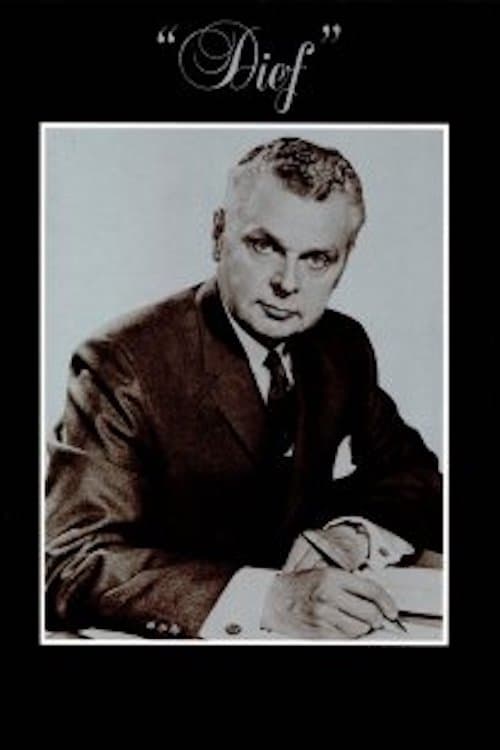
This documentary short is a portrait of Leader of the Progressive Conservative Party and 13th prime minister of Canada, John George Diefenbaker (1895-1979). Diefenbaker's political career spanned 6 decades. When he died in 1979, his state funeral and final train trip west became more a celebration of life than a victory for death.
A compilation of various accidents, disasters, executions, and other acts of mayhem and human feats caught on film.
A compilation of accidents, disasters, death, mayhem, and human feats caught on tape.
A compilation of various accidents, mayhem, death, gore, and human feats caught on tape.
The third installment of the infamous "is it real or fake?" mondo series sets its sights primarily on serial killers, with lengthy reenactments of police investigations of bodies being found in dumpsters, and a staged courtroom sequence.
A documentary that invites the viewer to immerse themselves in a intimate and thoughtful walk through Poblenou Cemetery in Barcelona, better know as "El Santet", to see what is happening at its surrounding areas and, especially, inside: work, buildings, people watching over those who are no longer here, cemetery workers... A trip through a space that is closer than we think.
No overview available.
A selection of Dermot Morgan's family, friends, colleagues and admirers, including Pat Shortt, Oliver Callan and Pauline Mc Lynn, look back on the life of the comedian, writer, satirist and actor whose savage wit belied a caring nature and reflect on his place in the annals of comedy greats.
A depiction in the hanging of Edward Heinson, an assumed criminal assault convict in Jacksonville, Florida.
Between 1930 and 1945, Eastern Europe experienced mass violence on an unprecedented scale. Hitler and Stalin exploited the vast region for their respective expansionist plans. It is estimated that around 14 million civilians were murdered—primarily Jews, Poles, Balts, Belarusians, and Ukrainians.
Himself