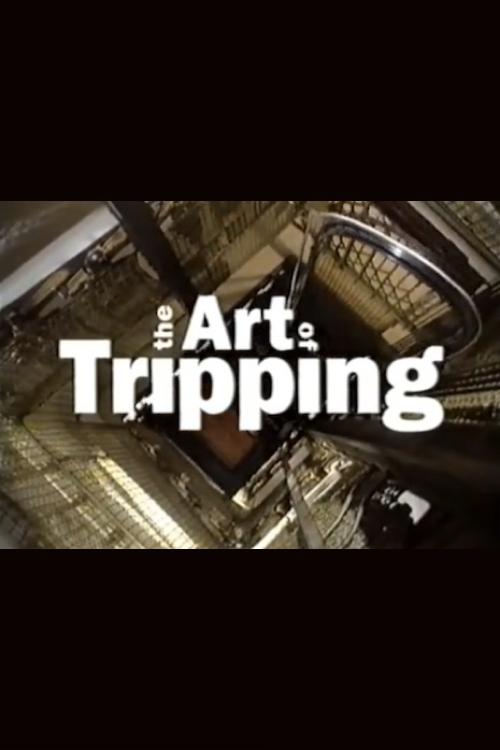
Based on the idea that drugs have influenced some of our greatest minds (Poe, Baudelaire etc.), this film documents just how influential drug experiences have been on the minds of great writers, poets and thinkers.
Cacaso, a Brazilian poet, lived in Rio de Janeiro. Born Antonio Carlos de Brito (1944-1987) he was one of the leaders of the marginal poetry movement. Cacaso filled notebooks not only with poems but reflections, drawings and collages. He also became a lyricist and partner of celebrated songwriters such as Tom Jobim, Edu Lobo, Toninho Horta, João Donato and Sivuca.
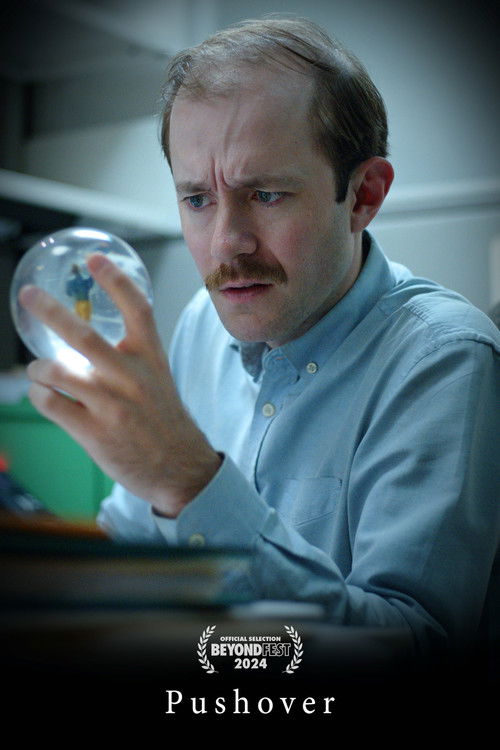
A man's life is upended by increasingly threatening phone calls demanding he leave a review for a paperweight purchased online.
An obscure Eastern cult that practices human sacrifice pursues Ringo after he unknowingly puts on a ceremonial ring (that, of course, won't come off). On top of that, a pair of mad scientists, members of Scotland Yard, and a beautiful but dead-eyed assassin all have their own plans for the Fab Four.
What begins for Chode and crew as a routine mission to protect a pissed-off princess will soon become a filth- splattered saga of dismembered royalty, indestructible clown assassins and desperately horny housewives.
No overview available.
A short horror comedy following Muckman, that grotty dirty fellow who targets the elderly with his rot coated fingers, causing a fuss and being a bother.
Ninety-year-old sound artist and comedian Henry “Sandy” Jacobs lives a quirky existence at the end of Sunnyside Drive, a steep and winding dirt road washed by fog from the Pacific Ocean. Sixty feet down the hill lives his eccentric 84-year-old friend and neighbor, architect and former Frank Lloyd Wright collaborator Daniel Liebermann. These extraordinary old men, influential artists in the 1950s and ’60s, continue, each in their own way, to search the world for perfection. Sunnyside takes us to an extraordinary place, a microcosm with its own distinctive rhythm and remarkable inhabitants. It is a film about creativity, the capacity to dream and, ultimately, the transience of life.
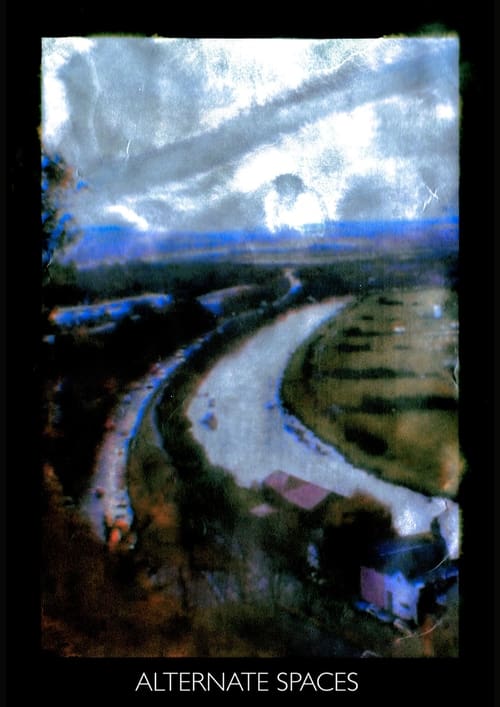
A short documentary on the River Ouse, following it downstream from Lewes to Newhaven, meditating on the surrounding area.
Relationship issues arise between a researcher with a theory to explain away all his failed dating experiments, a player who wants out of the game, a deejay whose head spins with thoughts of God, a hoodrat with no street cred, a poet not-so-well-versed in the art of love, and a womanipulator of men.
Song is a story of the last Finnish rune singer and his pupil, and the comforting power of singing.
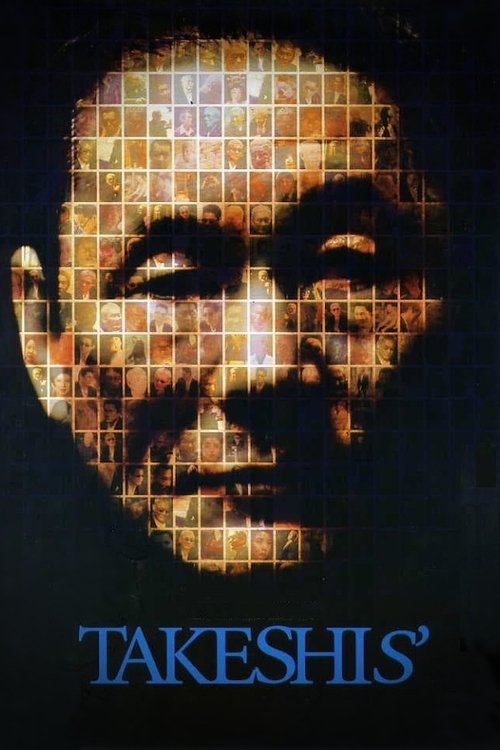
Beat Takeshi lives the busy and sometimes surreal life of a showbiz celebrity. One day he meets his blond lookalike named Kitano, a shy convenience store cashier, who, still an unknown actor, is waiting for his big break. After their paths cross, Kitano seems to begin hallucinating about becoming Beat.
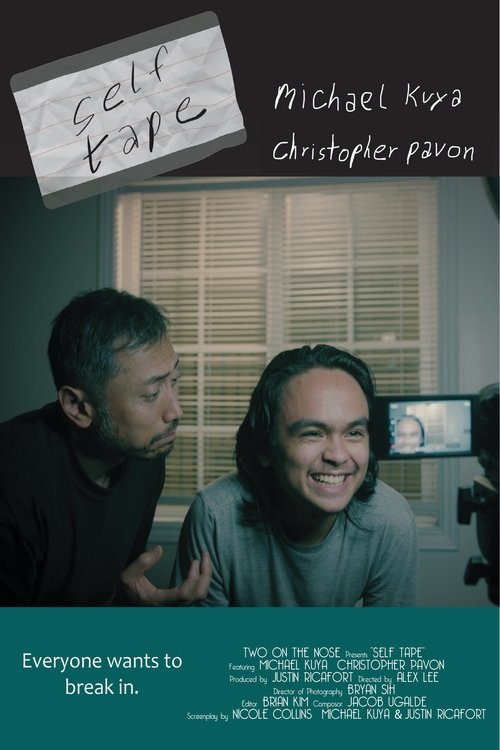
A struggling actor's home is broken into by the famous acting coach, Sebastian Navarro Rodrigo Rivera, who offers to coach him.
The film is a parody of Disney's Fantasia, though possibly more of a challenge to Fantasia than parody status would imply. In the context of this film, "Allegro non Troppo" means Not So Fast!, an interjection meaning "slow down" or "think before you act" and refers to the film's pessimistic view of Western progress (as opposed to the optimism of Disney's original).
In Luis Buñuel’s deliciously satiric masterpiece, an upper-class sextet sits down to dinner but never eats, their attempts continually thwarted by a vaudevillian mixture of events both actual and imagined.
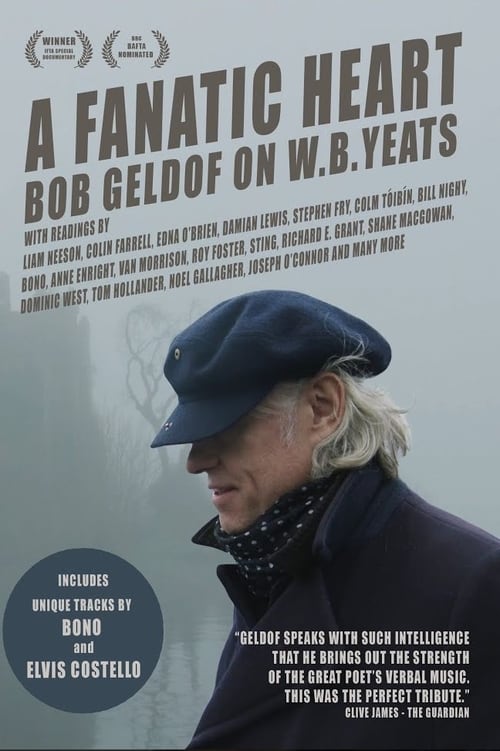
A biography of the poet W. B. Yeats and his contribution to the Irish independence movement as a Protestant nationalist.
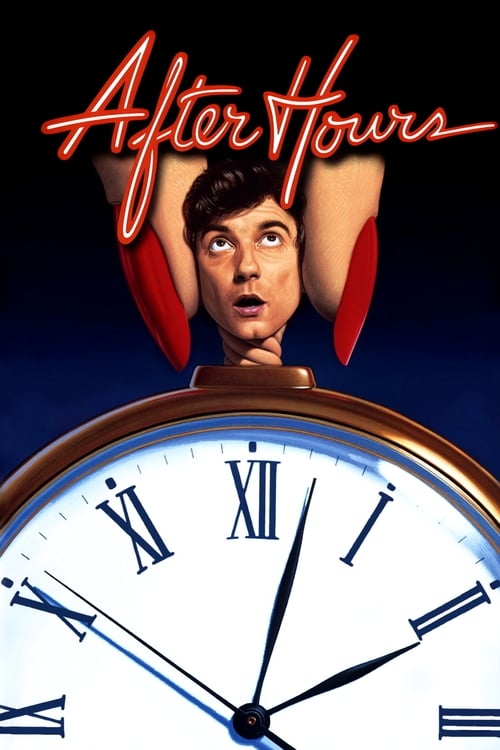
Desperate to escape his mind-numbing routine, uptown Manhattan office worker Paul Hackett ventures downtown for a hookup with a mystery woman.
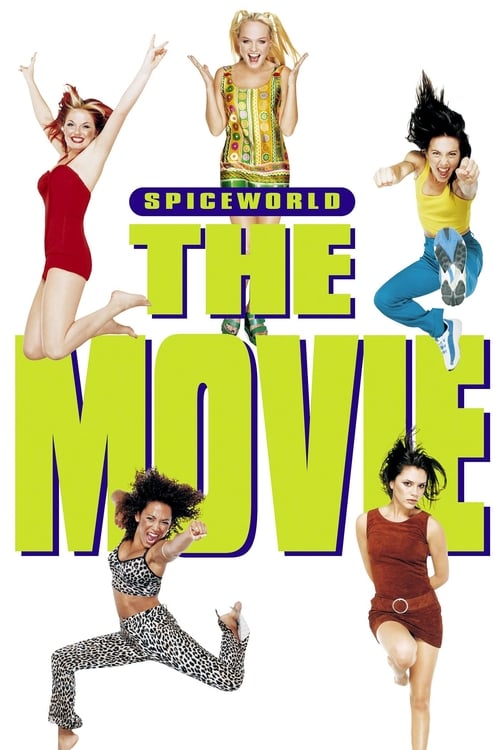
World famous pop group the Spice Girls zip around London in their luxurious double decker tour bus having various adventures and performing for their fans.
Follows the young people of Selma, Alabama's RATCo (Random Acts of Theatre Company) as they journey to New York City to share their story of hope, resilience, and overcoming.
Smoky little clubs, late nights, late nights of conversation over a glass of beer and a guitar. The lyricist Géza Bereményi and the composer-performer Tamás Cseh are the creators of the most topical and accurate songs of the 70s and 80s, expressing the mood of the "30s and 40s" of that time - a mood that was their own destiny. This stunning recording from 1980 includes songs like Tangó, Álomfejtés, Szabó Kálmán tegnap este..., A 100. éjszaka, A legjobb viccek, Születtem Magyarországon, A dédapa dala, Egy bogár, Krakkói vonat, Az ócska cipő, Filmdal.
No Trailers found.